
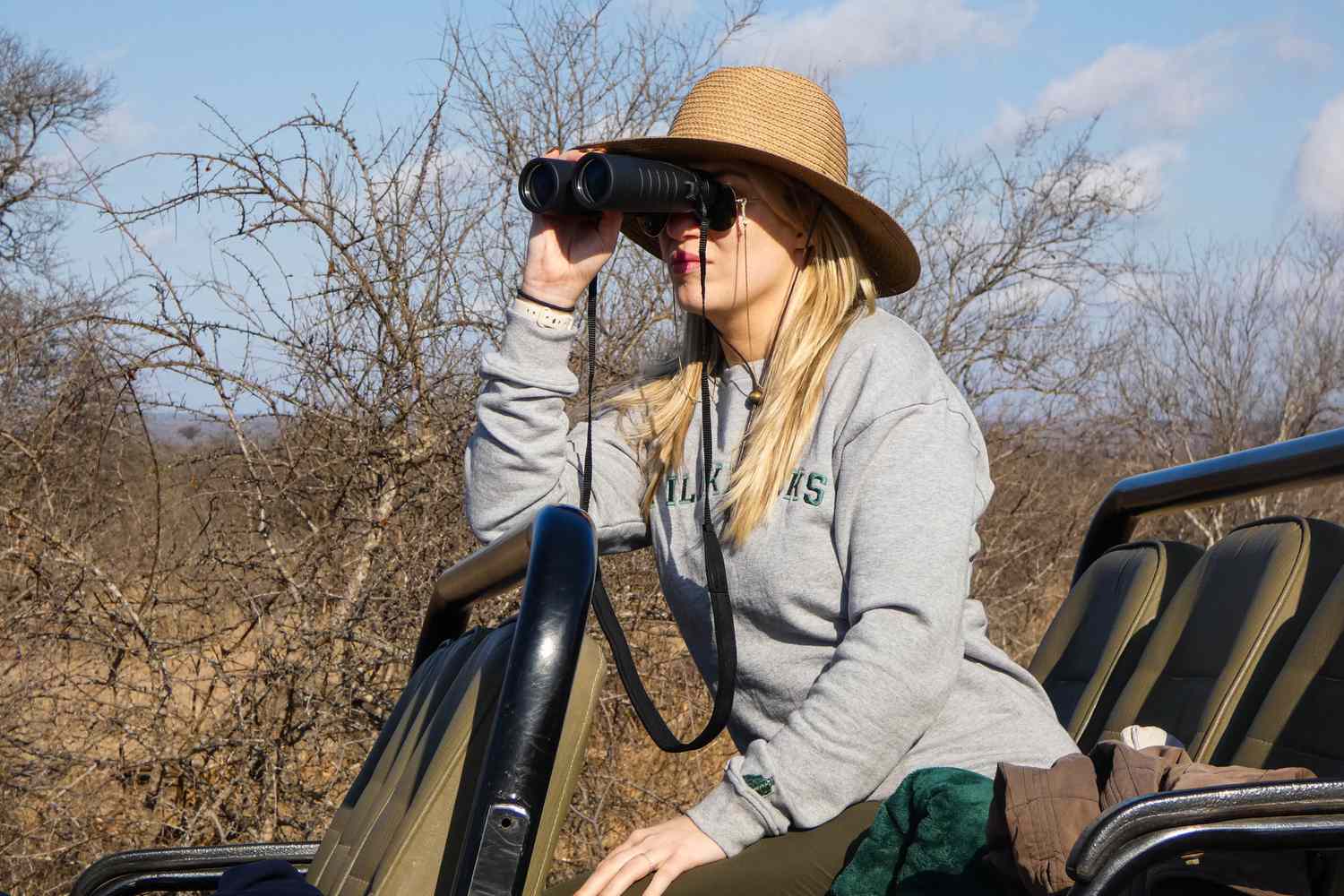
Discover how your African safari can support wildlife conservation, from funding anti-poaching efforts to empowering local communities. Learn how to choose a responsible safari.
Your African safari is more than just a vacation; it's an opportunity to contribute to the conservation of the continent's iconic wildlife and pristine landscapes. The relationship between tourism and conservation is complex, with both incredible potential for good and the risk of unintended harm. Understanding this dynamic is the first step toward ensuring your journey leaves a positive legacy for Africa's natural heritage. When planned responsibly, a safari can be a powerful force for protecting endangered species, empowering local communities, and preserving fragile ecosystems for generations to come.
How Your Safari Funds Conservation
One of the most direct ways your safari contributes to conservation is through the financial resources it generates. The revenue from tourism is a vital lifeline for national parks, wildlife reserves, and the dedicated individuals working to protect them.
Park Fees and Levies
Every time you enter a national park or reserve, a portion of your park fees is allocated to conservation efforts. These funds are essential for the day-to-day operations of protected areas, including road maintenance, habitat management, and wildlife monitoring. In many African countries, tourism revenue is the primary source of funding for national parks, making your visit a direct investment in their future.
Anti-Poaching and Habitat Protection
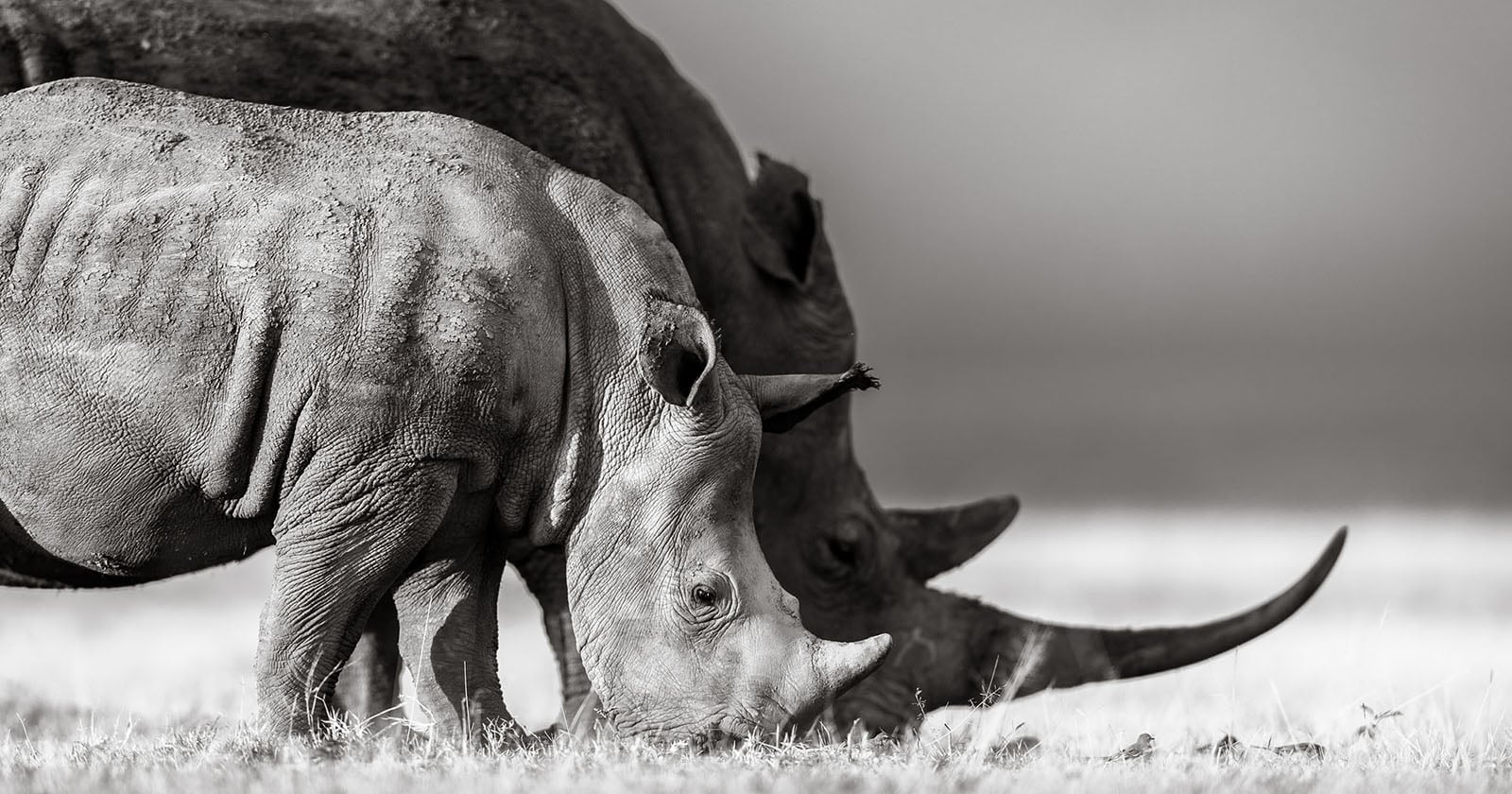
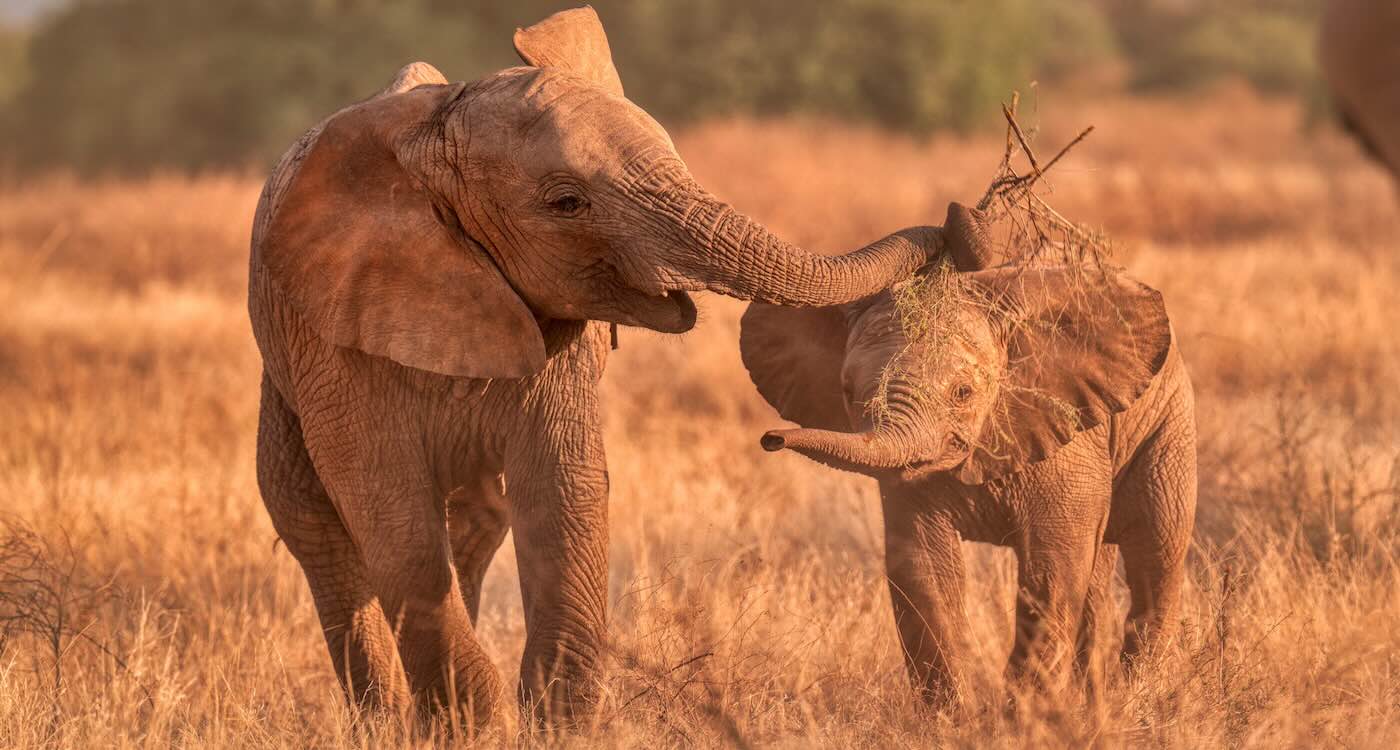
Beyond basic park maintenance, tourism revenue also funds critical anti-poaching patrols and habitat protection initiatives. The presence of safari vehicles and tourists in a reserve can act as a deterrent to poachers, while the funds generated from tourism help to equip and train ranger units. This is particularly crucial in the fight to protect high-value species like rhinos and elephants, which are under constant threat from illegal wildlife trade.
Community-Based Conservation: A Win-Win for People and Wildlife
Effective conservation is not just about protecting animals; it's also about supporting the people who live alongside them. Community-based conservation models are proving to be one of the most effective strategies for long-term wildlife protection in Africa.
The Namibian Model: Empowering Local Communities
Namibia is a world leader in community-based conservation. Through its innovative conservancy program, local communities are given the rights to manage and benefit from the wildlife on their land. This creates a powerful incentive for conservation, as communities that protect their wildlife can generate significant income from tourism partnerships. As a result, Namibia has seen a remarkable recovery of its wildlife populations, including the desert-adapted black rhino.
Conservancies in Kenya: The [Maasai Mara](/destinations/kenya) Ecosystem
The Maasai Mara ecosystem in Kenya is another prime example of community-based conservation in action. The establishment of conservancies on land owned by Maasai communities has created a buffer zone around the Maasai Mara National Reserve, expanding the habitat available for wildlife. In return for leasing their land, the Maasai receive a regular income from tourism, which helps to improve their livelihoods and reduce human-wildlife conflict.
Still researching? Let us help.
Our advisory team has planned safaris across 9 African countries. We can turn your research into a real plan.
Talk to an AdvisorThe Rise of Sustainable and Eco-Conscious Safaris
As travelers become more environmentally aware, the demand for sustainable and eco-conscious safaris is on the rise. The safari industry has responded with a growing number of lodges and operators committed to minimizing their environmental impact.
What is a Sustainable Safari?
A sustainable safari is one that is designed to have a minimal impact on the environment and a positive impact on local communities. This includes everything from the design and construction of lodges to the sourcing of food and the management of waste. Sustainable safari operators are committed to responsible tourism practices that protect wildlife and support local economies.
Low-Impact Tourism in Practice
In practice, sustainable safaris can take many forms. This may include staying in eco-lodges powered by solar energy, participating in walking safaris instead of game drives, and choosing operators that have a proven commitment to conservation. By making conscious choices, you can ensure that your safari is not only a memorable experience but also a force for good.
How to Choose a Conservation-Focused Safari
With so many safari operators to choose from, it can be challenging to identify those that are genuinely committed to conservation. However, with a little research and due diligence, you can find a safari that aligns with your values.
Research and Due Diligence
Before booking your safari, take the time to research different operators and their conservation credentials. Look for information on their websites about their sustainability practices, community partnerships, and any conservation projects they support. Third-party certifications, such as those from Fair Trade Tourism or The Long Run, can also be a good indicator of a company's commitment to responsible tourism.
Questions to Ask Your Safari Operator
Don't be afraid to ask your safari operator specific questions about their conservation policies. Inquire about their waste management practices, their use of renewable energy, and their relationship with local communities. A reputable operator will be happy to answer your questions and provide you with detailed information about their commitment to sustainability.
The Challenges of Safari Tourism: Overtourism and "Conservation-Washing"
While safari tourism has the potential to do a great deal of good, it is not without its challenges. Overtourism and "conservation-washing" are two of the biggest threats to the long-term sustainability of the safari industry.
The Dangers of Overtourism
In some of Africa's most popular safari destinations, overtourism is becoming a serious problem. Too many vehicles and tourists can disrupt wildlife behavior, damage fragile ecosystems, and diminish the quality of the safari experience. To address this issue, some countries, like Botswana, have adopted a "high-value, low-volume" tourism model, which limits the number of visitors to sensitive areas.
Spotting "Conservation-Washing"
"Conservation-washing" is the practice of making misleading claims about the environmental benefits of a product or service. In the safari industry, this can take the form of operators who exaggerate their conservation credentials to attract well-intentioned travelers. To avoid being misled, it's important to look for concrete evidence of a company's commitment to conservation, rather than relying on vague marketing claims.
Your safari has the power to make a real difference for Africa's wildlife and wild places. By choosing to travel with responsible and conservation-focused operators, you can ensure that your journey contributes to a brighter future for the continent's natural heritage. Every dollar you spend on a well-managed safari is an investment in the protection of endangered species, the empowerment of local communities, and the preservation of some of the most spectacular landscapes on Earth.
Need Expert Safari Guidance?
Get expert advisory support from a firm founded by a former safari guide — with real operational knowledge across 9 African countries and full-journey accountability.
Related Planning Guides
Explore Related Topics
Recommended Reading
 Additional Safari Topics
Safari Conservation Programs
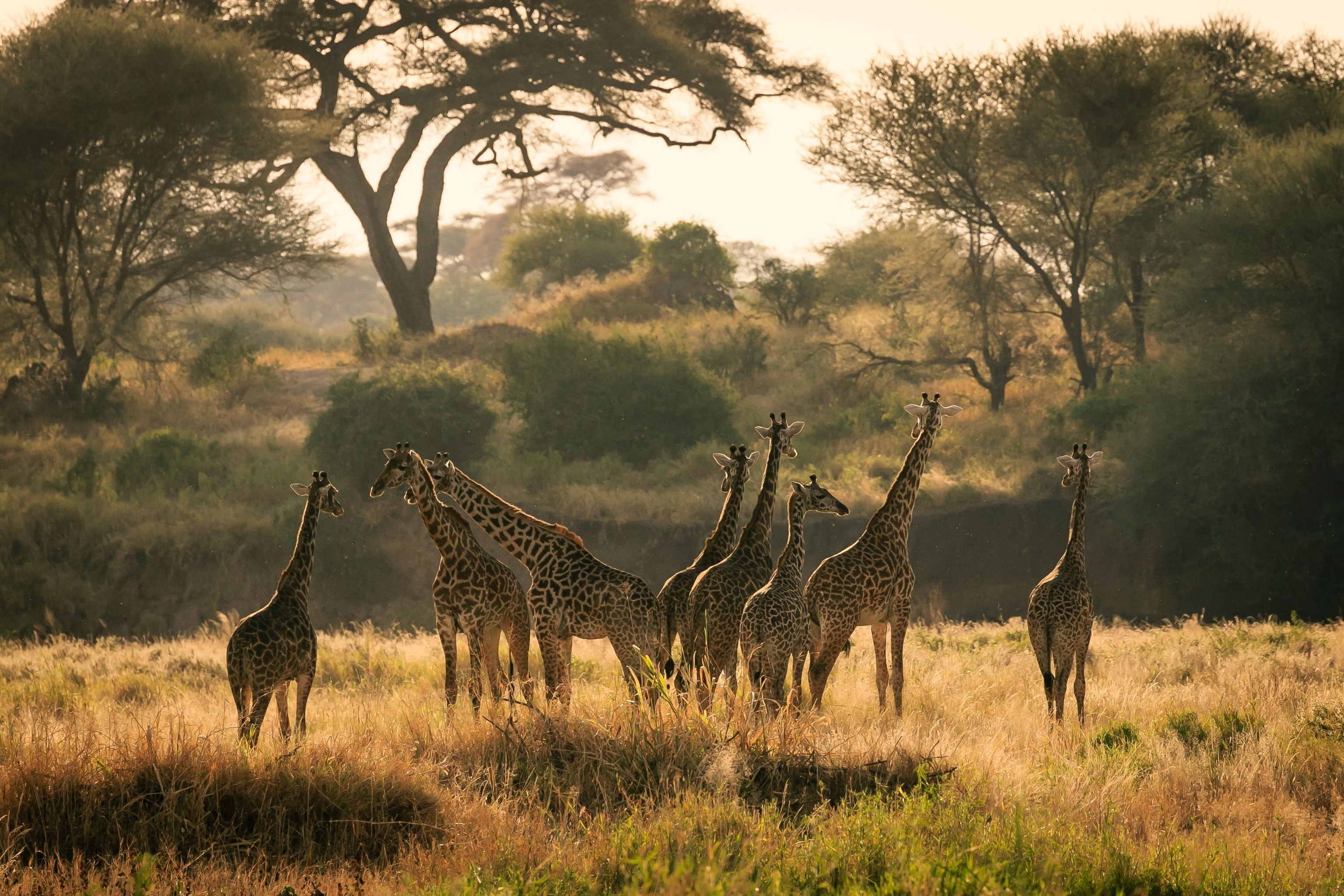
Discover how your African safari directly supports wildlife conservation, from funding anti-poaching units to empowering local communities. Learn how to travel with purpose.
 Safari Operator Articles
How Safari Operators Support Conservation
Learn how responsible safari operators contribute to wildlife conservation and how you can support their efforts.
 Advanced Safari Planning
Safari Conservation Travel
Discover how safari conservation travel allows you to actively contribute to protecting wildlife and empowering communities. Plan a journey that makes a real difference.
 Safari Planning Guides
How to Plan a Safari for Conservation Volunteering
Discover how to plan your dream safari with our expert guide on How to Plan a Safari for Conservation Volunteering. Get tips on destinations, costs, and more.
 Safari Planning Guides
How to Plan a Safari for Rhino Conservation
Learn about how to plan a safari for rhino conservation in this comprehensive safari guide covering key insights and practical advice.
 Safari Planning Guides
How to Plan a Safari That Supports Conservation
Learn about how to plan a safari that supports conservation in this comprehensive safari guide covering key insights and practical advice.