
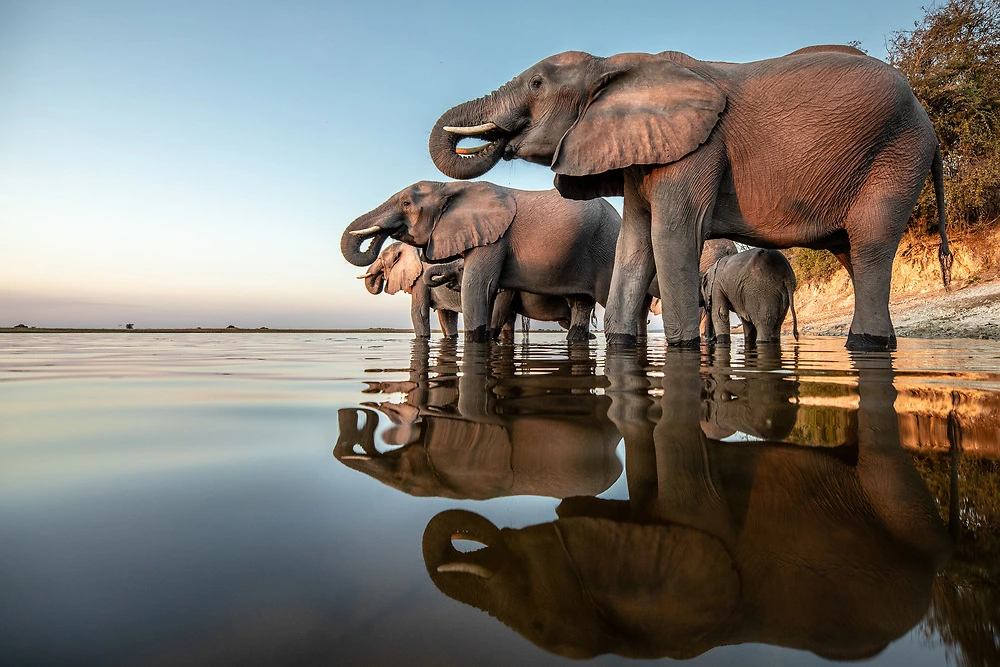
Planning a walking safari? Our guide explains everything you need to know, from top destinations like Zambia to what to expect and how to prepare for the trip.
'''A walking safari is one of the most intimate and immersive ways to experience the African wilderness. While game drives allow you to cover vast distances and see a wide range of animals, a walking safari offers a completely different perspective. On foot, you connect with the bush on a much deeper level, engaging all your senses to read the landscape, track wildlife, and appreciate the smaller wonders often missed from a vehicle. It's a chance to step out of the 4x4 and into the ecosystem, following in the footsteps of the animals themselves. This guide explains everything you need to know about planning a safe and rewarding walking safari.
What is a Walking Safari?
A walking safari is a guided bush walk through a wildlife area with the primary goal of exploring the environment and observing animals on foot. Unlike a simple nature walk, a true walking safari is an active, multi-sensory experience focused on tracking, animal behavior, and understanding the intricate details of the ecosystem. You learn to identify animal tracks, listen for alarm calls, and interpret the signs of the bush. These walks are led by highly trained and experienced professional guides, often accompanied by an armed park ranger for safety. The focus shifts from simply spotting big game to understanding the interconnectedness of the entire ecosystem, from the smallest insects to the largest mammals.
Why Choose a Walking Safari?
Choosing a walking safari over a traditional vehicle-based safari offers a unique set of rewards. It appeals to the adventurous traveler looking for a more active and engaging way to explore Africa. Here are some of the primary reasons to consider a walking safari:
A Deeper Connection to Nature
On foot, you are a participant in the environment, not just an observer. You feel the texture of the soil under your boots, smell the wild herbs crushed underfoot, and hear the subtle sounds of the bush without the engine of a vehicle. This sensory immersion creates a powerful and lasting connection to the wilderness that is difficult to achieve from a safari truck.
Learn the Art of Tracking
Walking safaris are an education in the art of tracking. Your guide will teach you how to read the stories left in the sand and soil. You'll learn to distinguish the tracks of a leopard from those of a hyena, identify which way an elephant was moving, and even estimate how long ago it passed. This ancient skill adds a fascinating layer of engagement to your safari experience.
Appreciate the Small Wonders
While game drives are often focused on the "Big Five," walking safaris celebrate the smaller, equally fascinating aspects of the bush. You'll learn about the medicinal uses of plants, the intricate architecture of a termite mound, and the fascinating life cycle of a dung beetle. It's an opportunity to appreciate the full spectrum of biodiversity.
Still researching? Let us help.
Our advisory team has planned safaris across 9 African countries. We can turn your research into a real plan.
Talk to an AdvisorTop Destinations for Walking Safaris
While you can find guided walks in many safari destinations, some parks and countries are renowned for offering exceptional walking safari experiences. These destinations have a long history of walking safaris, highly experienced guides, and wildlife-rich environments well-suited for exploring on foot.
Zambia
Zambia is widely considered the birthplace of the modern walking safari, and South Luangwa National Park is its epicenter. The park's legendary guides are among the best in Africa, undergoing rigorous training and examinations. The varied terrain of riverine forests, open plains, and seasonal floodplains makes it a superb destination for walking. Multi-day walking safaris, where you walk from one bushcamp to another, are a classic South Luangwa experience.
Zimbabwe
Mana Pools National Park in Zimbabwe is another top-tier destination for walking safaris. The park is famous for its beautiful floodplains along the Zambezi River and its relaxed, approachable elephants. Mana Pools offers a unique level of freedom, allowing experienced guides to lead walks through areas with high concentrations of big game. It's one of the few places where you can have incredible on-foot encounters with elephants, wild dogs, and lions.
Tanzania
In Southern Tanzania, Nyerere National Park (formerly Selous Game Reserve) and Ruaha National Park are excellent for walking. These vast, remote wilderness areas offer a sense of true exploration. The sheer scale of these parks means you can walk for days without seeing another soul. Ruaha, in particular, is known for its stunning landscapes and large elephant and lion populations, making for exciting walking terrain.
Kenya
Northern Kenya, particularly the private conservancies in Laikipia, offers fantastic walking opportunities. These conservancies are at the forefront of community-based conservation and provide exclusive, low-impact safari experiences. Here, you can enjoy guided walks with Samburu or Maasai warriors who share their deep, ancestral knowledge of the land and its wildlife.
What to Expect on a Walking Safari
A walking safari is a structured and well-managed activity. While each day is different, there is a general rhythm and routine you can expect.
The Role of Your Guide
Your guide is the most important element of a successful walking safari. They are not just a navigator but also your interpreter and protector. A professional walking guide has an incredible depth of knowledge about animal behavior, botany, and ecology. They are constantly scanning the environment, listening for sounds, and assessing every situation to ensure your safety and enrich your experience. Always listen to your guide's instructions and respect their expertise.
A Typical Day
Walking safaris are typically conducted in the early morning and late afternoon to avoid the midday heat. A typical day might start just after sunrise with a light breakfast before heading out for a 3-4 hour walk. You'll return to camp for a full brunch and a siesta during the hottest part of the day. The afternoon walk follows a similar pattern, often ending with sundowner drinks at a scenic spot before a short walk or drive back to camp for dinner.
Fitness and Physical Requirements
You don't need to be a marathon runner to enjoy a walking safari, but a reasonable level of fitness is required. You should be comfortable walking for 3-4 hours at a steady pace, often over uneven terrain. The pace is generally slow and dictated by what you find along the way, with frequent stops to observe and learn. Most walks cover a distance of 5-10 kilometers (3-6 miles).
Safety on a Walking Safari
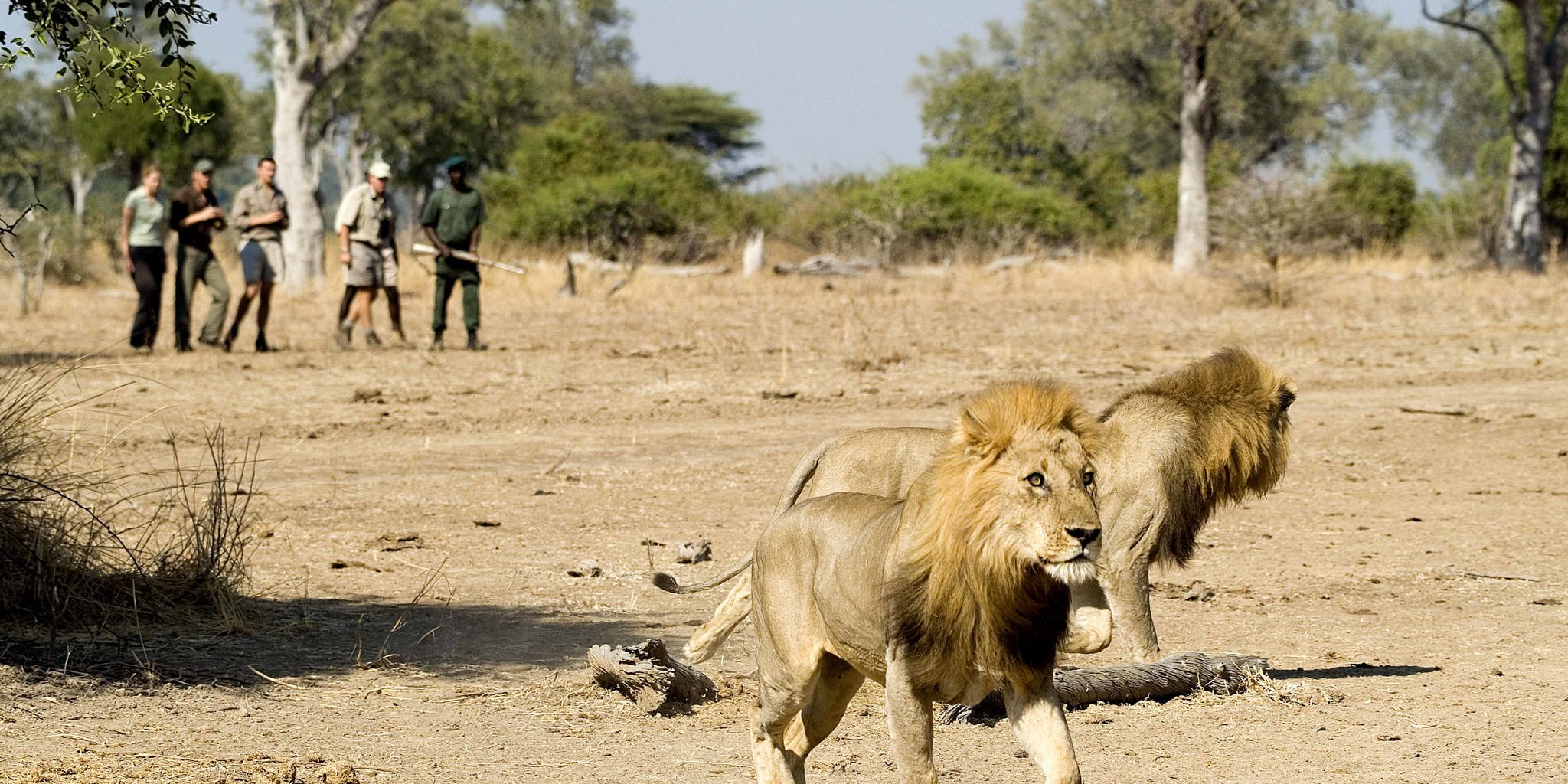
Safety is the top priority on any walking safari. While there is an inherent risk in walking in an area with wild animals, professional operators have strict protocols to minimize that risk. Your lead guide is typically armed and highly trained in animal behavior and emergency procedures. In many national parks, an armed ranger from the local wildlife authority will also accompany the walk. You will be given a detailed safety briefing before your first walk, covering rules such as walking in single file, staying quiet, and never running. By following these rules, you can enjoy a safe and thrilling experience.
Done Reading? Let's Build Your Safari.
Skip the guesswork. Work with an advisor who has been on the ground across East and Southern Africa.
Plan With UsHow to Prepare for Your Walking Safari
Proper preparation will enhance your comfort and enjoyment on a walking safari. This includes packing the right clothing and gear.
[What to Wear](/knowledge/what-clothes-to-wear-on-safari)
Neutral-colored clothing is essential. Avoid bright colors and white, which can alert animals to your presence. Opt for shades of khaki, green, and brown. Lightweight, breathable fabrics are best. Long sleeves and trousers offer protection from the sun and insects. A wide-brimmed hat and comfortable, well-worn-in walking shoes or boots are non-negotiable.
Essential Gear
In addition to the right clothing, a few other items are essential. A small, comfortable daypack is useful for carrying water, sunscreen, a camera, and binoculars. High-quality binoculars are highly recommended, as they allow you to get "up close" views of wildlife from a safe distance. A reusable water bottle is also a must to stay hydrated.
In conclusion, a walking safari is an incredibly rewarding and educational adventure. It offers a unique opportunity to step into the wild, connect with nature on a profound level, and gain a deeper appreciation for the complexity of the African bush. For the active and curious traveler, it is an experience not to be missed. '''
Need Expert Safari Guidance?
Get expert advisory support from a firm founded by a former safari guide — with real operational knowledge across 9 African countries and full-journey accountability.
Related Planning Guides
Explore Related Topics
Recommended Reading
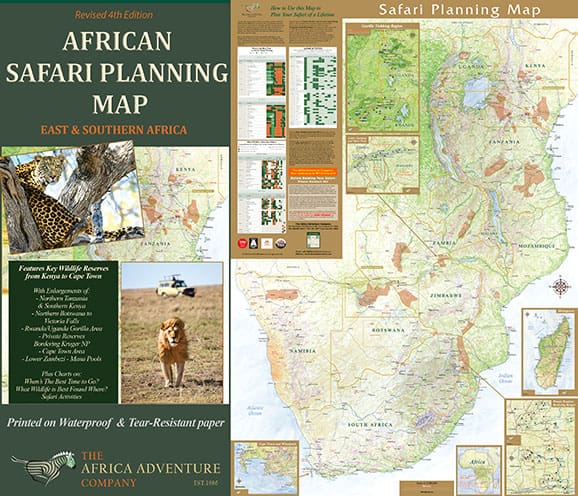 Safari Comparison Articles
Zambia Walking Safari vs Driving Safari
Discover the thrill of a Zambian walking safari versus a classic driving safari. This guide compares the experiences in parks like South Luangwa and the Lower Zambezi to help you choose.
 Additional Safari Topics
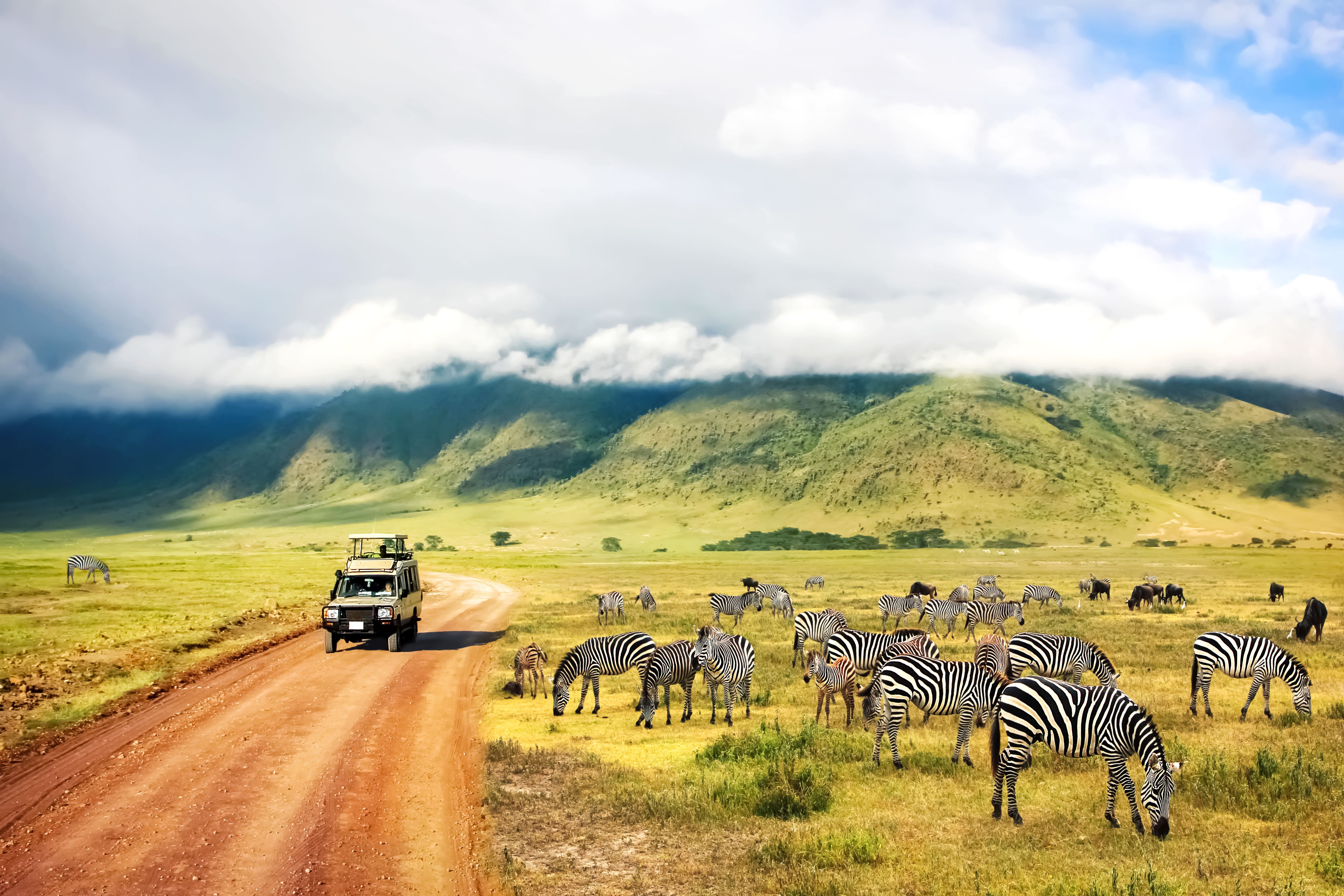
Safari Vehicles Explained
Learn the difference between open-sided 4x4s and pop-top Land Cruisers. Our guide to safari vehicles explains everything you need to know for your African safari.
 Additional Safari Topics
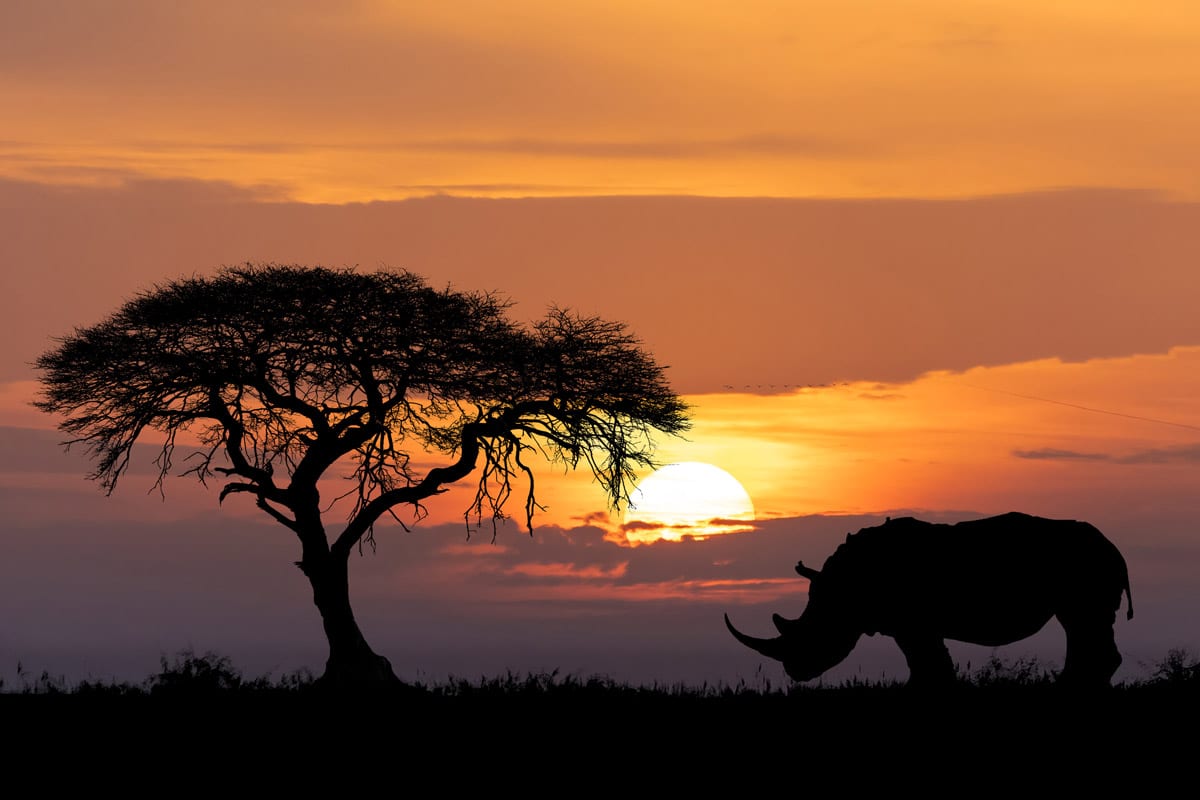
Safari Migration Explained
Discover the secrets of Africa\
 Safari Travel Tips
Tipping on Safari Explained
Confused about tipping on safari? Our guide explains everything you need to know, from how much to tip guides and staff to cultural etiquette.
 Destination Guides
Best Safari Destinations for Walking Safaris
Discover everything you need to know about Best Safari Destinations for Walking Safaris. From wildlife and landscapes to lodges and activities, this guide cover
 Safari Comparison Articles
Walking Safari vs Driving Safari Comparison
An in-depth comparison of Walking Safari vs Driving Safari Comparison to help you choose the perfect safari experience. Explore the pros, cons, and key differen