
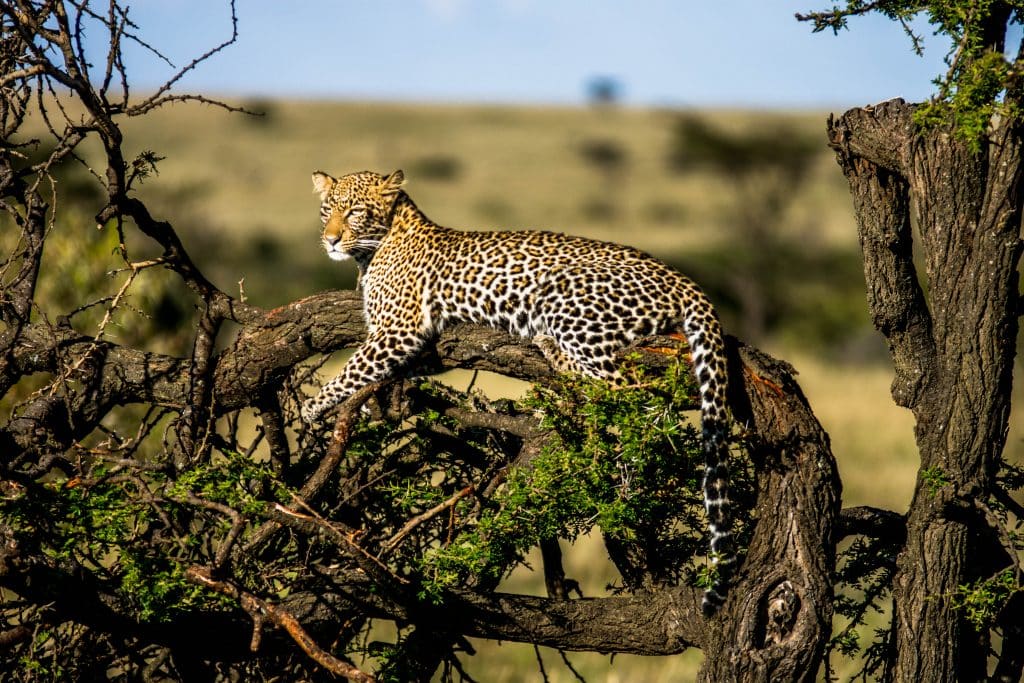
Learn how to choose a sustainable safari and make a positive impact. Our guide covers the three pillars of safari sustainability and how to pick an ethical operator.
Modern travel is about more than just seeing new places; it's about engaging with them in a meaningful and responsible way. As a safari enthusiast, you have the unique opportunity to contribute directly to the conservation of Africa's iconic wildlife and the empowerment of its local communities. Safari sustainability is not just a buzzword; it's a critical framework that ensures the long-term health of the continent's natural treasures. By making informed choices, you can transform your journey into a force for good, leaving a positive legacy for generations to come.
The Three Pillars of Safari Sustainability
Safari sustainability rests on three interconnected pillars: environmental conservation, economic viability, and social equity. A truly sustainable safari operation must balance all three, creating a virtuous cycle where each element supports the others. Understanding these pillars will empower you to identify and support operators who are genuinely committed to responsible tourism.
Environmental Conservation
This is the most obvious pillar of safari sustainability. It encompasses a wide range of practices designed to minimize the environmental impact of tourism and actively protect wildlife and their habitats. Key indicators of strong environmental stewardship include:
- Low-Impact Accommodations: Lodges and camps that utilize renewable energy sources like solar power, practice water conservation and recycling, and have effective waste management systems. For example, some camps in the Okavango Delta in Botswana are built on raised platforms to minimize their impact on the floodplain ecosystem. Many are now also eliminating single-use plastics, opting for reusable water bottles and containers.
- Habitat Preservation: Operators who actively invest in the protection and restoration of ecosystems, whether through reforestation projects, anti-poaching patrols, or the management of private conservancies. In Kenya, conservancies like the Maasai Mara Conservancies are excellent examples of tourism directly funding conservation and habitat protection.
- Ethical Wildlife Viewing: Strict adherence to park regulations and ethical guidelines for wildlife encounters, ensuring that animals are not stressed or disturbed. This includes maintaining a safe distance from wildlife, not feeding animals, and respecting their natural behaviors. Some operators are now using electric safari vehicles, which are quieter and less disruptive to wildlife.
Economic Viability
For safari tourism to be a sustainable conservation tool, it must be economically viable for the local communities who live alongside wildlife. When local people benefit directly from tourism, they become powerful allies in the fight against poaching and habitat destruction. Look for operators who:
- Employ Locally: Prioritize the hiring and training of staff from surrounding communities, providing stable employment and opportunities for advancement. This not only provides income but also builds skills and capacity within the community.
- Source Locally: Purchase goods and services from local suppliers, from fresh produce for their kitchens to handcrafted souvenirs for their gift shops. This creates a multiplier effect, where the economic benefits of tourism ripple throughout the local economy.
- Support Community Enterprises: Partner with local businesses and entrepreneurs, such as community-run conservancies or cultural tourism initiatives. In Namibia, community-based tourism has been particularly successful, with local communities managing their own conservancies and tourism enterprises.
Social Equity
Social equity ensures that the benefits of tourism are shared fairly and that the cultural heritage of local communities is respected. This pillar is about empowering local people and giving them a voice in the decisions that affect their lives and their land. Socially responsible operators will:
- Respect Local Cultures: Engage with local communities in a way that is respectful of their traditions and customs, and that avoids the commercialization of their culture. This means seeking permission before taking photographs, dressing modestly in villages, and learning a few words of the local language.
- Promote Community Development: Invest in community development projects, such as schools, clinics, and clean water initiatives. These projects should be identified and prioritized by the community itself, ensuring that they meet their real needs.
- Foster Cultural Exchange: Create opportunities for genuine and meaningful interactions between guests and local people, fostering mutual understanding and respect. This could involve a visit to a local village, a meal with a local family, or a conversation with a community elder.
How to Choose a Sustainable [Safari Operator](/knowledge/how-to-choose-a-safari-operator)
With so many operators claiming to be "eco-friendly," it can be challenging to distinguish the truly sustainable from those who are simply "greenwashing." Here are some practical tips to help you make an informed choice:
Do Your Research
Before you book, take the time to research potential operators and their sustainability practices. Look for detailed information on their website about their conservation and community initiatives. Don't be afraid to ask specific questions about their policies on energy and water use, waste management, and community engagement.
Look for Certifications
Several independent organizations certify tourism businesses that meet high standards of environmental and social responsibility. Look for certifications from reputable bodies like Fair Trade Tourism, Ecotourism Kenya, or the Global Sustainable Tourism Council. These certifications provide independent verification of an operator's sustainability claims.
Ask About Their Guides
A good safari guide is not just an expert in wildlife; they are also a passionate conservationist and a cultural ambassador. Ask about the training and qualifications of their guides, and whether they are from the local community. A knowledgeable and passionate guide can transform your safari from a simple sightseeing trip into a profound learning experience.
Still researching? Let us help.
Our advisory team has planned safaris across 9 African countries. We can turn your research into a real plan.
Talk to an AdvisorRed Flags to Watch Out For
Just as there are indicators of good practice, there are also red flags that should raise concerns. Be wary of operators who:
- Offer direct interactions with wildlife: This includes activities like petting lion cubs, walking with cheetahs, or riding elephants. These practices are often exploitative and can be harmful to the animals. True conservation-focused operators will prioritize the well-being of the animals over the entertainment of tourists.
- Lack transparency: If an operator is vague or evasive about their sustainability practices, it's a sign that they may have something to hide. A truly sustainable operator will be proud of their efforts and will be happy to share the details with you.
- Focus on volume over value: Sustainable tourism is about quality, not quantity. Be cautious of operators who seem more interested in packing in as many guests as possible than in providing a meaningful and responsible experience. Smaller group sizes and more personalized experiences are often a sign of a more sustainable approach.
The Power of Your Choices
As a safari traveler, you have the power to drive positive change in the African tourism industry. By choosing to support sustainable operators, you are sending a clear message that you value conservation, community, and culture. Your choices can help to ensure that Africa's wild places remain wild for generations to come.
Your safari is more than just a vacation; it's an opportunity to connect with nature, to learn about different cultures, and to make a real difference in the world. By embracing the principles of safari sustainability, you can create a journey that is not only unforgettable but also deeply meaningful. You become an active participant in the conservation of Africa's natural heritage, and you return home with a deeper understanding of the interconnectedness of all living things.
Need Expert Safari Guidance?
Get expert advisory support from a firm founded by a former safari guide — with real operational knowledge across 9 African countries and full-journey accountability.
Related Planning Guides
Explore Related Topics
Recommended Reading
 Safari Operator Articles
Safari Operator Sustainability Certifications
Learn about safari operator sustainability certifications and how it can impact your safari experience. Get expert advice and start planning your dream safari today.
 Luxury Safari Content
Luxury Safari Sustainability Practices
Discover the essentials of luxury safari sustainability practices for an unforgettable African safari adventure.
 Safari Planning
How to Choose a Safari Operator
Learn how to choose a reputable African safari operator with our expert guide. We cover vetting companies, questions to ask, and understanding safari costs.
 Safari Travel Tips
Safari Packing Guide
Master your safari packing with our expert checklist. Learn what to wear, essential gear to bring, and what to leave behind for your African adventure.
 Safari Travel Tips
Safari Travel Insurance Guide
Our comprehensive safari travel insurance guide explains why it\
 Safari Travel Tips
Safari Photography Equipment Guide
Planning a safari? Our comprehensive guide to safari photography equipment covers everything you need to know about cameras, lenses, and accessories.