
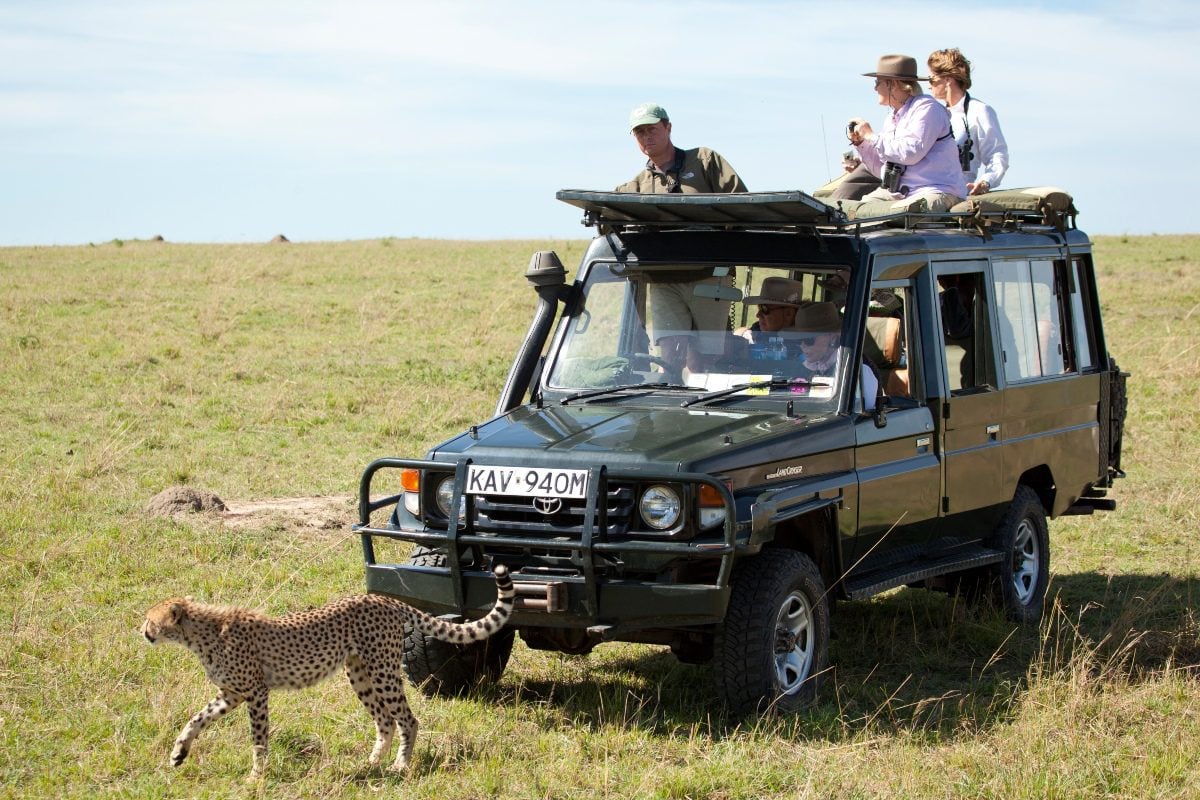
Learn the essential safari game drive etiquette to ensure a safe, respectful, and unforgettable wildlife experience in Africa. Your guide to responsible travel.
'''A safari game drive is one of the most exciting travel experiences in the world. It is your front-row seat to the theater of the African wilderness, a chance to witness incredible wildlife moments in their natural habitat. However, to ensure these encounters are safe, respectful, and enjoyable for everyone involved—including the animals—it is essential to follow certain rules of conduct. Understanding and practicing proper safari game drive etiquette not only enhances your own experience but also contributes to the conservation of these precious ecosystems. It ensures that the wildlife remains undisturbed and that future generations of travelers can enjoy the same magical moments. This guide will walk you through the essential etiquette for your African safari, from what to pack to how to behave during a wildlife sighting. By following these simple guidelines, you can be a responsible and respectful safari guest. ## Before You Go: Preparing for Your Game Drive Your safari adventure begins before you even step into the vehicle. Proper preparation can make a significant difference in your comfort and your ability to be a considerate guest on the drive. ### What to Wear (and What to Avoid) Choosing the right clothing is a crucial part of safari game drive etiquette. The goal is to blend in with your surroundings and protect yourself from the elements. Opt for neutral, earthy tones like khaki, olive, brown, and beige. These colors are less conspicuous to wildlife and are the standard for safari attire. Avoid bright colors like red, yellow, and purple, as they can startle animals. White is also not ideal, as it stands out and gets dirty very quickly. Blue and black are known to attract tsetse flies in some regions, such as parts of Tanzania and Zambia, so it is best to avoid these colors as well. Layering is key, as temperatures can fluctuate significantly. Early morning game drives in places like the Ngorongoro Crater in Tanzania or the Sabi Sands in South Africa can be quite chilly, while midday can be hot. A fleece or warm jacket over a long-sleeved shirt is a good combination. ### Essential Items to Bring While your safari lodge or camp will provide many amenities, there are a few personal items you should bring on every game drive. A good pair of binoculars is non-negotiable. While your guide will have a pair, having your own allows you to get up-close views of distant animals without having to wait your turn. A camera with a good zoom lens is also essential for capturing those once-in-a-lifetime moments. Remember to bring extra batteries and memory cards. Sun protection is also critical. The African sun can be intense, even on cloudy days. Pack a wide-brimmed hat, sunglasses, and high-SPF sunscreen. A reusable water bottle is also a good idea to stay hydrated. ### A Word on Scents and Perfumes Animals have a highly developed sense of smell, and strong scents can be disruptive. Avoid wearing any perfumes, colognes, or heavily scented lotions on your game drive. These artificial smells can be alarming to wildlife and may cause them to flee. It is best to be as neutral as possible to maximize your chances of close and natural wildlife encounters. ## In the Vehicle: Your Home on the Savannah The safari vehicle is your base for several hours at a time, and how you conduct yourself within it affects everyone on board. Most safari vehicles, whether in Kenya's Maasai Mara or Botswana's Okavango Delta, are open-sided, which means your behavior has a direct impact on the environment around you. ### Seating and Space Safari vehicles typically seat between four and eight guests. Seating is usually on a rotational basis to ensure everyone gets a "window" seat at some point during their stay. Be considerate of others and their space. Keep your personal belongings contained and avoid spreading out too much. Everyone wants the best view, so be mindful of not blocking others when you are taking photos. ### Managing Your Gear Keep your camera, binoculars, and other gear secure and within your reach. Avoid leaving items on the seats where they can slide around. When you are not using your camera, keep the lens cap on to protect it from dust. Be careful not to drop anything out of the vehicle, as retrieving it can be dangerous and disruptive. ### Staying Quiet and Minimizing Movement This is perhaps the most important rule of safari game drive etiquette. Noise and sudden movements can easily startle wildlife. Speak in a low, hushed voice, and avoid loud conversations. When you spot something, point it out to your guide and fellow guests quietly. Turn your phone to silent mode, and if you must take a call, do so discreetly and quietly, or better yet, wait until you are back at the lodge. Sudden movements can be just as disruptive as noise. Remain seated and avoid standing up, especially when you are near animals. If you need to move to get a better view, do so slowly and deliberately. ## Wildlife Encounters: A Privilege, Not a Performance The moments you spend with Africa's wildlife are the highlights of any safari. How you behave during these encounters is a critical part of responsible tourism. ### The Golden Rule: Don't Disturb the Animals Never do anything to alter an animal's natural behavior. This includes making noises to get their attention, throwing objects, or trying to feed them. The goal is to be a passive observer, a guest in their home. Your guide is trained to position the vehicle in a way that minimizes disturbance. Trust their judgment and do not pressure them to get closer than is safe or respectful. ### The Art of Quiet Observation The best wildlife sightings are often the ones that unfold slowly and naturally. Be patient and allow the scene to play out. A sleeping lion may not seem exciting at first, but if you wait quietly, it might stretch, yawn, or interact with other members of its pride. By being a quiet observer, you increase the chances of witnessing these special moments. ### Photography Etiquette Taking photos is a huge part of the safari experience, but it should be done with consideration. Turn off your camera's flash, as the sudden burst of light can be startling and even harmful to some animals' eyes. Also, disable any artificial sounds your camera makes, such as a shutter click or beep. Be mindful of your fellow guests when taking photos. Avoid standing up and blocking their view. If you are using a large lens, be careful not to intrude on their space. ## Your Safari Guide: The Key to a Great Experience Your safari guide is your most valuable resource. They are highly trained professionals with a deep knowledge of the local ecosystem and wildlife. ### Trust Your Guide's Expertise Your guide knows the area, the animals, and the rules of the park. Follow their instructions at all times. If they ask you to be quiet or to remain seated, there is a good reason for it. They are responsible for your safety and for the well-being of the wildlife. ### Asking Questions (The Right Way) Your guide is a font of knowledge, and you should feel free to ask questions. However, be mindful of the timing. If you are in the middle of a sensitive sighting, it might be best to hold your question until later. When you do ask questions, be respectful and listen to the answer. A good guide will appreciate your curiosity and will be happy to share their expertise. ### Tipping and Gratuities Tipping is a customary practice in the safari industry and a way to show your appreciation for good service. The amount is at your discretion, but most lodges will provide guidelines. It is customary to tip your guide and tracker separately from the general camp staff. You can usually do this at the end of your stay. ## Interacting with Other Vehicles You will likely encounter other safari vehicles during your game drives, especially in popular areas like the Serengeti or Kruger National Park. ### Sharing Sightings If your guide finds a particularly interesting sighting, they may radio other guides in the area. This is a common practice and helps everyone have a better experience. If you are the one to spot something, point it out to your guide so they can share the information if they choose to. ### Giving Each Other Space When there are multiple vehicles at a sighting, it is important to be considerate. Do not block other vehicles or pressure your guide to get in a position that obstructs someone else's view. The guides are usually very good at managing this, but your patience and understanding are appreciated. ## Conclusion Safari game drive etiquette is all about respect—respect for the wildlife, for your fellow travelers, and for your guide. By being a mindful and considerate guest, you not only enhance your own safari experience but also help protect Africa's incredible natural heritage for years to come. A great safari is a partnership between you, your guide, and the wilderness itself. When you uphold your end of the bargain by following these simple rules, you are sure to have an unforgettable adventure.'''
Need Expert Safari Guidance?
Get expert advisory support from a firm founded by a former safari guide — with real operational knowledge across 9 African countries and full-journey accountability.
Related Planning Guides
Explore Related Topics
Recommended Reading
 Travel Logistics
Safari Motion Sickness on Game Drives
The bumpy roads on safari can be a challenge for those who suffer from motion sickness. Our guide will help you prevent and treat this common ailment.
 Safari Travel Tips
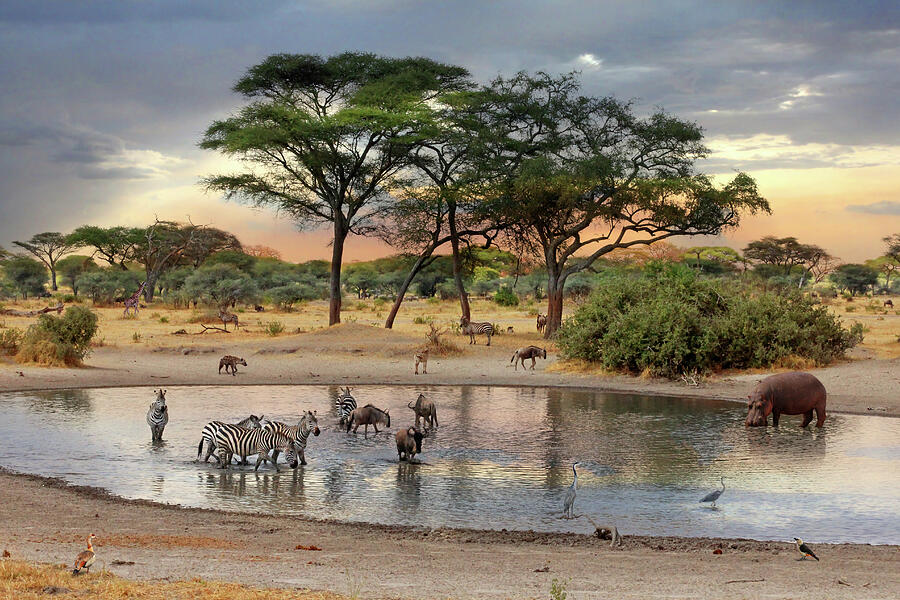
Safari Travel Etiquette
Learn essential safari travel etiquette to ensure a safe, respectful, and unforgettable journey while preserving Africa\
 Safari Planning
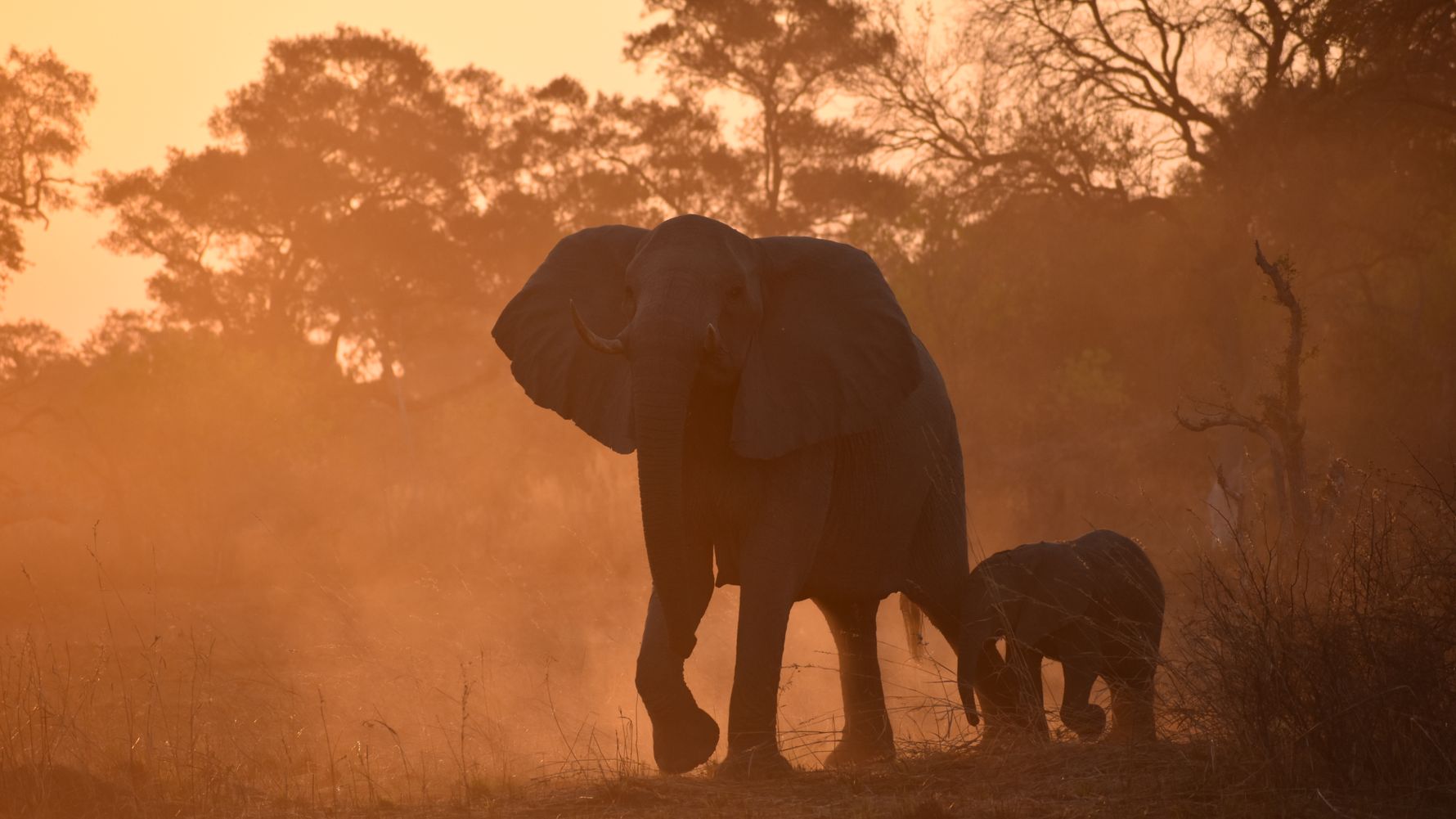
Self-Drive Safari vs Guided Safari
Deciding between a self-drive safari and a guided safari? This guide breaks down the pros, cons, costs, and key differences to help you choose the right trip.
 Safari Comparison Articles
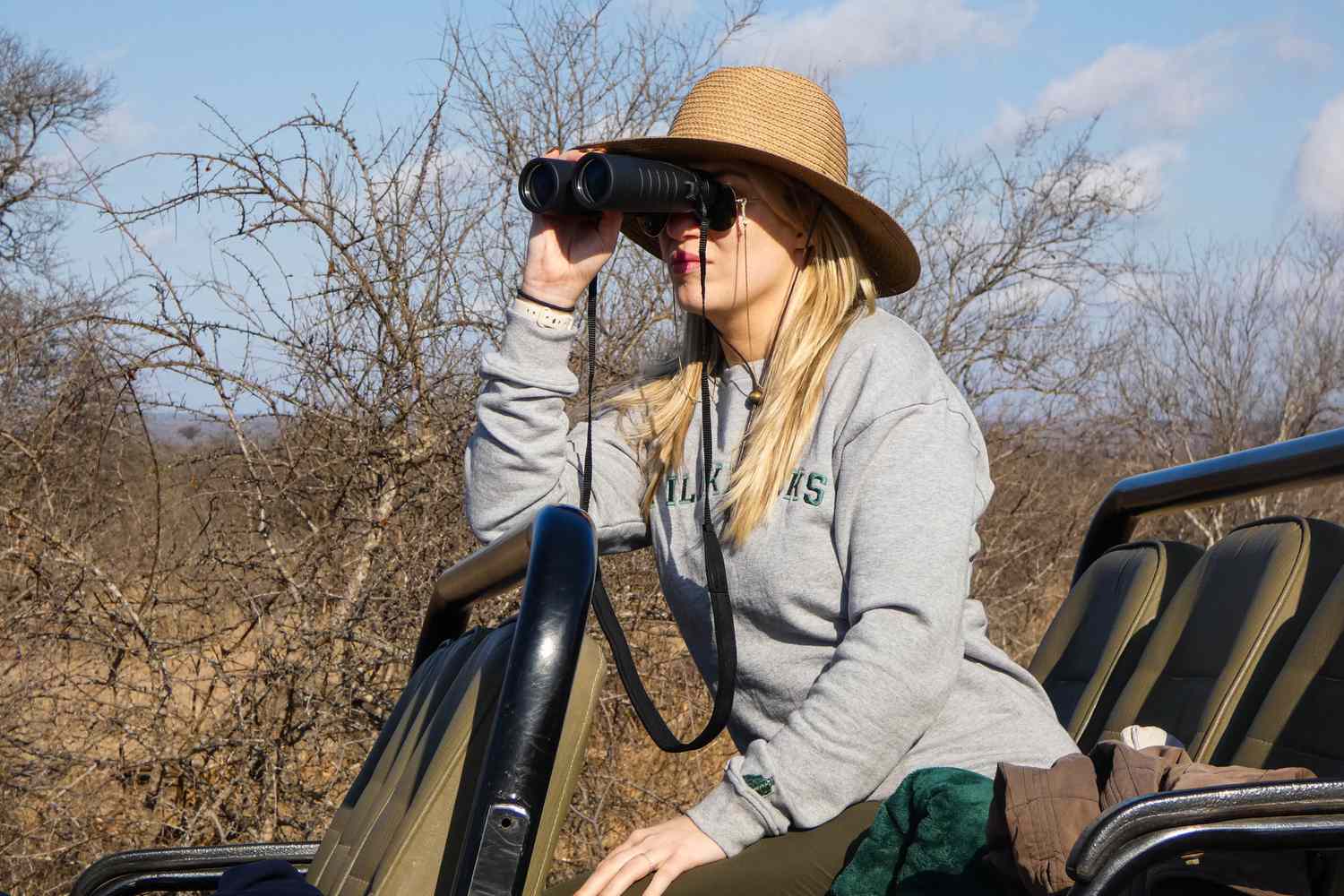
Guided Safari vs Self-Drive Safari in South Africa
An in-depth comparison of Guided Safari vs Self-Drive Safari in South Africa to help you choose the perfect safari experience. Explore the pros, cons, and key d
 Safari Comparison Articles
Safari Train vs Safari Drive
An in-depth comparison of Safari Train vs Safari Drive to help you choose the perfect safari experience. Explore the pros, cons, and key differences to make an
 Safari Travel Tips
What to Bring on Game Drives
Packing for a game drive? Our guide covers essential clothing, gear, and tips on what to bring to ensure a safe and unforgettable African safari experience.