
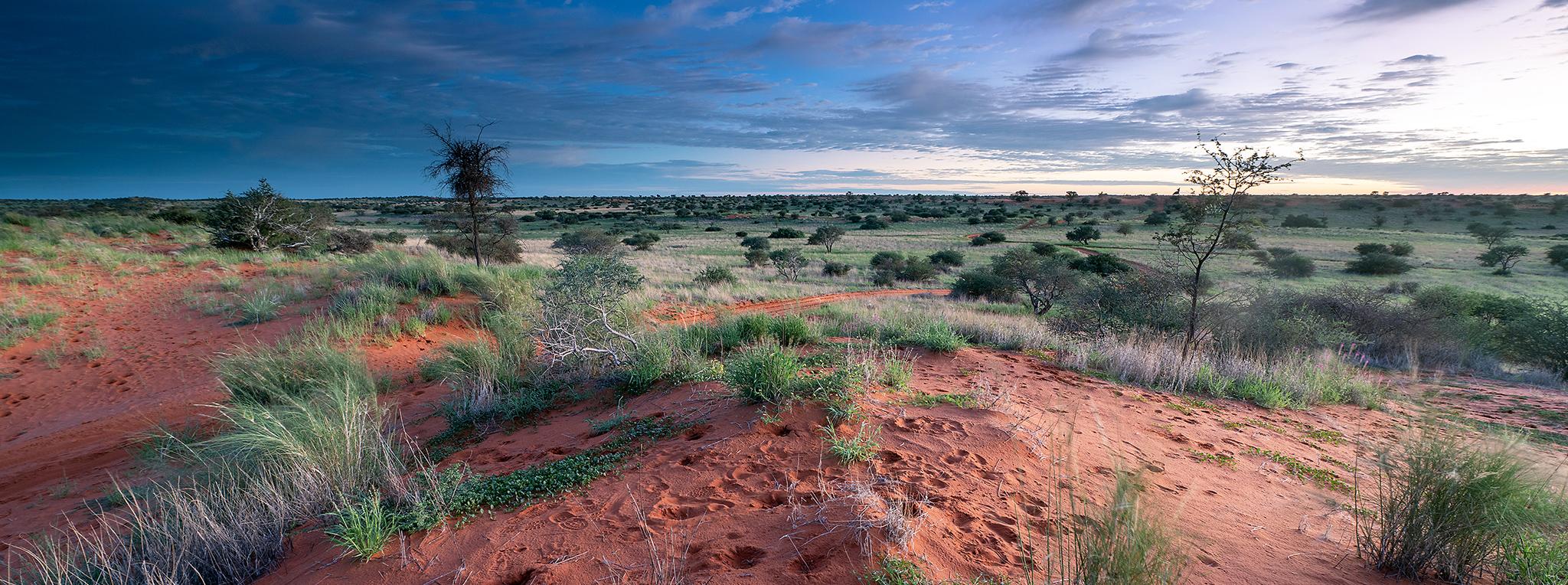
Learn about the critical anti-poaching efforts protecting Africa\
''' Poaching for ivory, rhino horn, and other wildlife products has reached crisis levels in many parts of Africa, threatening the survival of iconic species and the stability of entire ecosystems. Driven by international criminal syndicates, this illegal trade has devastating consequences for wildlife populations and the local communities that depend on them for their livelihoods. However, a multi-faceted and determined effort is underway to combat this threat. From highly trained anti-poaching rangers on the front lines to innovative technologies and community-led conservation initiatives, the fight to protect Africa's wildlife is a complex and ongoing battle. Understanding the different facets of anti-poaching is crucial for any traveler wanting to support conservation efforts and ensure their safari has a positive impact.
The Scale of the Poaching Crisis
The illegal wildlife trade is a multi-billion dollar industry that has pushed many species to the brink of extinction. The demand for ivory and rhino horn, particularly in Asia, has fueled a poaching epidemic that has seen devastating losses in elephant and rhino populations across Africa. While the numbers can be difficult to track with precision, the scale of the problem is undeniable.
Rhino Poaching: A Crisis of Epic Proportions
In the last decade, more than 8,000 rhinos have been lost to poaching in Africa. South Africa, home to the world's largest rhino population, has been the epicenter of the crisis. At the peak of the poaching crisis, between 2013 and 2017, more than three rhinos were killed every single day. While recent years have seen a slight decline in poaching numbers, the threat remains severe. In the first half of 2025 alone, 195 rhinos were killed in South Africa.
The Toll on Elephant Populations
The demand for ivory has had a catastrophic impact on Africa's elephant populations. It is estimated that at least 20,000 elephants are killed for their ivory each year. The Great Elephant Census, a pan-African survey completed in 2016, revealed a 30% decline in the continent's savanna elephant population in just seven years. Forest elephants in Central Africa have been hit even harder, with populations plummeting by 62% in a decade.
On the Front Lines: The Role of Anti-Poaching Rangers
At the forefront of the fight against poaching are the dedicated men and women who make up anti-poaching units across the continent. These rangers are the guardians of Africa's wildlife, often working in dangerous and remote environments to protect animals from heavily armed and well-organized poaching syndicates. Their work is not just a job; it is a calling that requires immense courage, dedication, and sacrifice.
A Day in the Life of a Ranger
Rangers conduct daily patrols, often covering vast distances on foot, to monitor wildlife populations, identify and remove snares, and track poachers. They are the eyes and ears of the protected areas, gathering intelligence and working closely with law enforcement agencies to apprehend criminals. The work is physically and mentally demanding, and rangers often spend weeks at a time away from their families, living in basic conditions in the bush.
The Dangers They Face
Anti-poaching rangers face the constant threat of armed confrontations with poachers. Over the past decade, it is estimated that over 1,000 rangers have been killed in the line of duty. In addition to the risk of violence, rangers also face the dangers of the African bush, including encounters with dangerous wildlife and the threat of diseases like malaria.
Still researching? Let us help.
Our advisory team has planned safaris across 9 African countries. We can turn your research into a real plan.
Talk to an AdvisorTechnology in the Fight Against Poaching
While boots on the ground remain the cornerstone of anti-poaching efforts, technology is playing an increasingly important role in the fight to protect wildlife. From sophisticated surveillance systems to advanced data analysis, innovative technologies are providing new tools to combat poaching and enhance the effectiveness of anti-poaching patrols.
Eyes in the Sky: Drones and Aerial Surveillance
Drones, or unmanned aerial vehicles (UAVs), are being used in a growing number of protected areas to provide real-time aerial surveillance. Equipped with high-resolution cameras and thermal imaging technology, drones can detect poachers at night and in dense vegetation, allowing for rapid response from ranger teams. In addition to drones, traditional aircraft and helicopters are used for aerial patrols, providing a broader overview of the landscape and helping to identify illegal activities.
Smart Parks and Intelligence-Led Conservation
The concept of "Smart Parks" involves the use of a network of sensors, cameras, and communication systems to create a digital shield around protected areas. This technology allows for the collection and analysis of vast amounts of data, which can be used to predict poaching hotspots and deploy rangers more effectively. By using intelligence-led conservation models, anti-poaching teams can move from a reactive to a proactive approach, intercepting poachers before they have a chance to strike.
Community-Based Conservation: A Sustainable Solution
For anti-poaching efforts to be successful in the long term, it is essential to involve the local communities that live alongside wildlife. Community-based conservation programs are based on the principle that when local people benefit from the presence of wildlife, they will be more motivated to protect it. These programs are a critical component of a holistic approach to conservation, addressing the root causes of poaching, such as poverty and lack of economic opportunities.
Creating Economic Incentives for Conservation
Many community-based conservation initiatives focus on creating economic incentives for local people to participate in conservation efforts. This can include the development of eco-tourism enterprises, such as community-owned lodges and guided walks, which provide employment and a direct share of the revenue from tourism. In some areas, communities are also involved in the management of wildlife, with the authority to establish their own conservation areas and benefit from the sustainable use of natural resources.
The Role of Education and Empowerment
Education is another critical component of community-based conservation. By raising awareness about the importance of wildlife and the long-term benefits of conservation, these programs can help to foster a sense of ownership and pride in the local natural heritage. Empowering communities to become active partners in conservation is not only a more just and equitable approach, but it is also a more effective one.
How Travelers Can Support Anti-Poaching Efforts
As a safari traveler, you have a unique opportunity to contribute to the conservation of Africa's wildlife. By making informed choices and supporting responsible tourism operators, you can ensure that your safari has a positive impact and helps to fund the vital work of anti-poaching units and community conservation programs.
Choose Responsible Tour Operators
When planning your safari, it is essential to choose a tour operator that is committed to responsible tourism and conservation. Look for companies that have a clear and transparent conservation policy and that actively support anti-poaching and community development projects. Ask questions about how your tourism dollars are contributing to conservation and choose operators that are making a real difference on the ground.
Visit and Support Conservation-Focused Destinations
Many of the leading safari destinations in Africa are at the forefront of anti-poaching and conservation efforts. By visiting these areas, you are not only supporting the local economy, but you are also contributing to the funding of protected area management and anti-poaching patrols. Some of the leading countries in conservation include Botswana, Kenya, Tanzania, and Namibia, all of which have well-established national parks and a strong commitment to wildlife protection.
Donate to Reputable Conservation Organizations
There are many reputable non-profit organizations working on the front lines of the fight against poaching. These organizations rely on donations to fund their vital work, from supporting ranger salaries and training to providing equipment and funding for community conservation projects. Consider making a donation to an organization that is working in a region or on a species that you are passionate about.
In conclusion, the fight against poaching is a complex and multifaceted challenge that requires a concerted effort from all stakeholders. From the brave rangers on the front lines to the communities that are embracing conservation and the travelers who are choosing to make a difference, there is a growing movement to protect Africa's wildlife for future generations. By understanding the issues and making responsible choices, you can be a part of the solution and help to ensure that the continent's iconic species continue to roam free. '''
Need Expert Safari Guidance?
Get expert advisory support from a firm founded by a former safari guide — with real operational knowledge across 9 African countries and full-journey accountability.
Related Planning Guides
Explore Related Topics
Recommended Reading
 Wildlife Guides
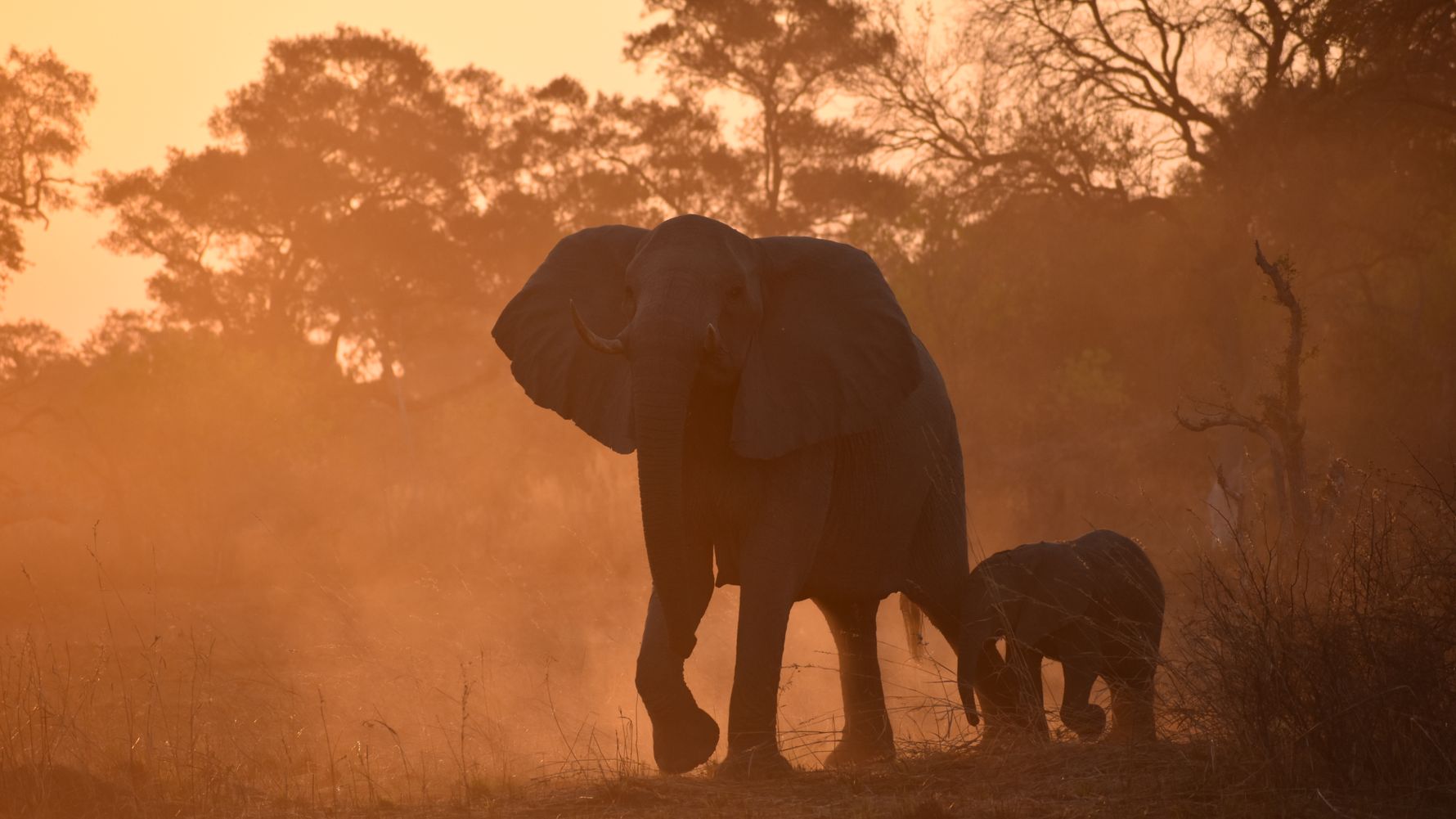
Complete Guide to Safari Ant Species
A comprehensive guide to Complete Guide to Safari Ant Species. Learn about its habitat, behavior, diet, and conservation status.
Additional Safari TopicsCommunity Tourism in Africa
Discover how community tourism in Africa offers a more meaningful way to travel. Learn how you can support local communities and contribute to conservation.
 Additional Safari Topics
Desert Safaris in Africa
Planning a desert safari in Africa? Our guide explores the best destinations like Namibia and Botswana, what to expect, and how to plan your adventure.
 Expert Safari Knowledge
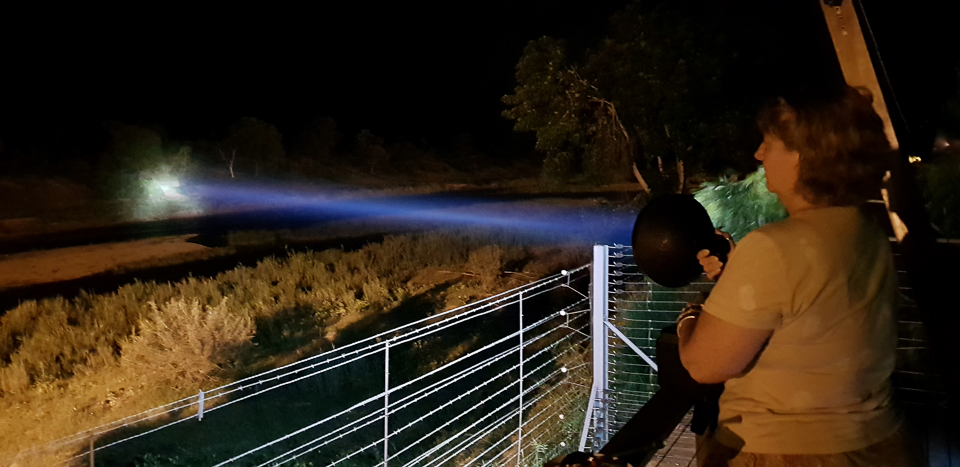
History of African Safaris
Explore the rich history of African safaris, from their origins in trade and exploration to the rise of big-game hunting and the modern era of conservation.
 Expert Safari Knowledge
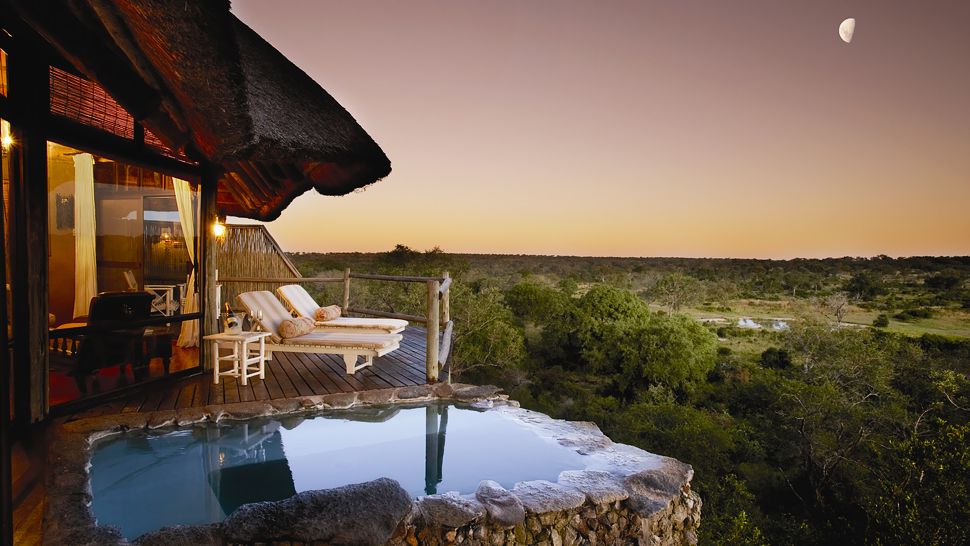
Evolution of Safari Tourism
Trace the evolution of safari tourism from colonial hunting trips to modern conservation-led adventures. Learn how to plan a responsible and ethical safari.
 Expert Safari Knowledge
Conservation and Safaris
Discover how your African safari can support wildlife conservation, from funding anti-poaching efforts to empowering local communities. Learn how to choose a responsible safari.