
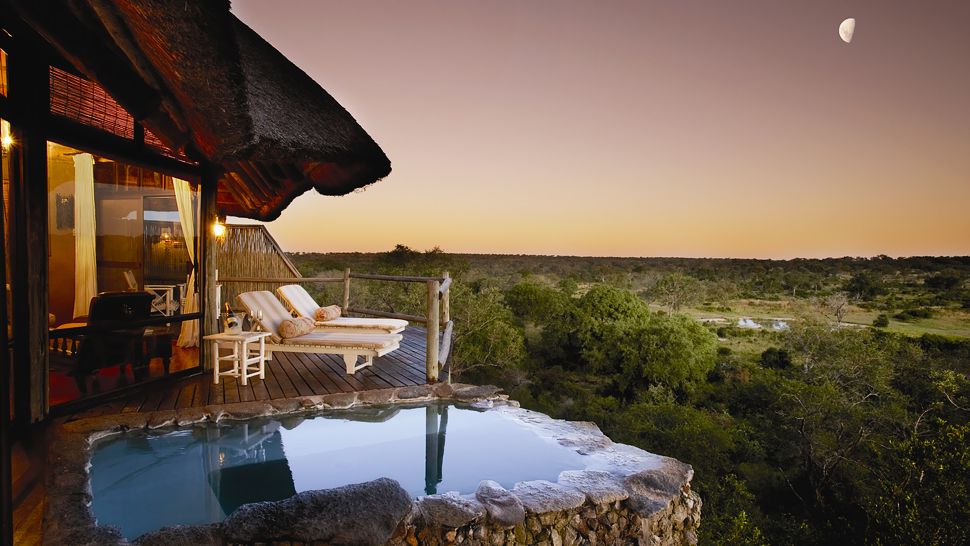
Trace the evolution of safari tourism from colonial hunting trips to modern conservation-led adventures. Learn how to plan a responsible and ethical safari.
'''The concept of a safari has undergone a profound transformation, evolving from its origins in 19th-century colonial expeditions to the modern-day focus on conservation, sustainability, and immersive wildlife experiences. What was once a pursuit of big-game hunting and exploration has become a powerful force for protecting Africa's natural heritage. Today's safari is a journey of discovery, offering you a chance to connect with nature, witness incredible wildlife spectacles, and contribute to the preservation of the continent's most iconic landscapes. This evolution reflects a broader shift in our understanding of the natural world and our responsibility to protect it for future generations. Understanding this history is key to appreciating the modern safari and making informed choices as a traveler. It allows you to see beyond the surface and recognize the deeper purpose that now drives the safari industry. By tracing its path from a colonial pastime to a conservation-focused enterprise, you can better appreciate the complexities and opportunities of safari travel today. ## The Origins of Safari: From Exploration to Exploitation The word "safari" comes from the Swahili word for "journey," but its early history is deeply intertwined with European colonialism and the romanticized image of the great white hunter. This era laid the groundwork for the safari industry, but it was a period marked by exploitation and a destructive approach to wildlife. ### Early European Explorers The earliest safaris were not tourism as we know it today. They were arduous expeditions led by European explorers, missionaries, and traders in the 19th century. Figures like David Livingstone and Henry Morton Stanley ventured into the African interior, mapping new territories, establishing trade routes, and documenting the continent's flora and fauna. These journeys were challenging and often dangerous, requiring large caravans of porters to carry supplies. The focus was on discovery and adventure, not leisure. These early expeditions, however, opened up the continent to the outside world and set the stage for the next phase of safari history. ### The Rise of Big Game Hunting By the early 20th century, the focus of safaris had shifted dramatically. The completion of the Uganda Railway in 1901 made East Africa more accessible, and a new type of traveler emerged: the wealthy hunter. Safaris became synonymous with big-game hunting, a sport popularized by figures like U.S. President Theodore Roosevelt, whose 1909 expedition to Kenya collected over 11,000 animal specimens for the Smithsonian Institution. This era was characterized by its extravagance and its devastating impact on wildlife populations. The "Big Five"—lion, leopard, elephant, rhino, and buffalo—were the ultimate trophies, and hunting them was a status symbol for the elite. The colonial governments of the time actively encouraged hunting safaris, seeing them as a source of revenue and a way to assert control over the land. ### The Colonial Legacy The colonial era left a complex and often painful legacy on the safari industry. The creation of national parks and game reserves was often achieved by forcibly removing local communities from their ancestral lands. The narrative of the heroic white hunter and the passive African guide dominated the industry for decades, creating a power imbalance that is still being addressed today. The very idea of "wild" Africa as a playground for Western adventurers was a colonial construct that ignored the deep connection and long history of the continent's indigenous peoples. Recognizing this history is an important step in decolonizing the safari industry and creating a more equitable and sustainable future for tourism in Africa. ## The Shift Towards Conservation and Photographic Safaris The mid-20th century marked a turning point in the history of safari. As wildlife populations dwindled and a new environmental consciousness began to emerge, the focus of safaris started to shift from hunting to conservation and wildlife photography. This was a pivotal moment, transforming the industry into a force for good. ### The Birth of National Parks The concept of protecting wilderness areas for their intrinsic value began to take hold. While some early parks were established during the colonial era, the post-independence period saw a renewed commitment to conservation across Africa. Countries like Kenya, Tanzania, and South Africa began to expand their network of national parks and reserves, creating vast protected areas where wildlife could thrive. Iconic parks like the Serengeti in Tanzania and Kruger National Park in South Africa became symbols of this new conservation movement. These parks were not just for protecting wildlife; they were also for allowing people to experience it in a non-extractive way. ### The Influence of Conservation Pioneers A new generation of conservationists and filmmakers began to challenge the romanticized image of the hunter. Figures like Bernhard and Michael Grzimek, whose work in the Serengeti was documented in the book and film "Serengeti Shall Not Die," raised global awareness about the threats facing African wildlife. Jane Goodall's groundbreaking research on chimpanzees in Tanzania's Gombe Stream National Park transformed our understanding of animal intelligence and behavior. Their work inspired a new appreciation for wildlife and helped fuel the growth of photographic safaris. ### The Rise of Photographic and Eco-Safaris As the conservation movement grew, so did the demand for non-consumptive wildlife experiences. The safari vehicle replaced the hunting rifle as the primary tool for engaging with wildlife. Travelers now sought to "shoot" animals with a camera, not a gun. This shift gave rise to the modern photographic safari, where the goal is to observe and photograph animals in their natural habitat. The term "ecotourism" also began to gain traction, describing a form of travel that was not only environmentally responsible but also beneficial to local communities. This new model of tourism offered a way to generate revenue from wildlife without harming it. ## The Modern Safari: Experiential Travel and Sustainable Tourism Today's safari is a far cry from the hunting expeditions of the past. It is a sophisticated and diverse industry that caters to a wide range of travelers, from budget backpackers to high-end luxury seekers. The modern safari is defined by its focus on experiential travel, sustainability, and community engagement. ### The Rise of Luxury and Experiential Travel The safari experience has become increasingly refined and personalized. Luxury lodges and tented camps offer a level of comfort and service that was once unimaginable. You can now enjoy gourmet meals, private plunge pools, and spa treatments in the heart of the wilderness. But the modern safari is about more than just luxury; it's about experiences. You can go on a walking safari with a Maasai guide in Kenya, track gorillas in the misty forests of Uganda, or float over the Serengeti in a hot-air balloon. These immersive experiences allow you to connect with the environment on a deeper level. ### Community-Based Conservation and Tourism There is a growing recognition that conservation cannot succeed without the support of local communities. Many safari operators and lodges are now partnering with communities to create a more equitable and sustainable model of tourism. This can take many forms, from hiring local guides and staff to supporting community-owned tourism enterprises. By giving communities a direct stake in the benefits of tourism, these initiatives help to ensure that wildlife is seen as a valuable asset worth protecting. When you choose a safari operator that is committed to community-based conservation, you are directly contributing to this positive change. ### The Role of Technology in Modern Safaris Technology has also transformed the safari experience. Digital cameras and smartphones have made it easier than ever to capture high-quality images and videos of wildlife. Social media allows you to share your experiences with the world in real-time. Drones are being used for wildlife monitoring and anti-poaching patrols. And online booking platforms have made it easier to research and plan your safari. While technology can enhance the safari experience, it's important to use it responsibly and to be mindful of its impact on wildlife and the environment. ## The Future of Safari: Challenges and Opportunities The safari industry has come a long way, but it still faces significant challenges. The future of safari will depend on our ability to address these challenges and to seize the opportunities for a more sustainable and equitable model of tourism. ### Conservation Challenges in the 21st Century Despite the progress that has been made, African wildlife is still under threat. Poaching, habitat loss, and human-wildlife conflict remain serious challenges. The demand for ivory and rhino horn continues to drive poaching, while growing human populations are putting increasing pressure on natural habitats. Climate change is also a growing threat, with the potential to disrupt ecosystems and impact wildlife populations. Addressing these challenges will require a concerted effort from governments, conservation organizations, and the tourism industry. ### The Impact of Climate Change Climate change is already having a noticeable impact on many safari destinations. Changing rainfall patterns are affecting the Great Migration in the Serengeti and Maasai Mara. Rising temperatures are putting stress on wildlife and habitats. And extreme weather events, such as droughts and floods, are becoming more common. The safari industry will need to adapt to these changes and to play a role in mitigating their impact. This includes reducing its own carbon footprint and supporting climate-resilient conservation initiatives. ### The Rise of Specialized and Niche Safaris As the safari market matures, we are seeing the rise of more specialized and niche safari experiences. These cater to travelers with specific interests, such as birdwatching, photography, or primatology. There are also safaris that focus on specific themes, such as conservation, culture, or adventure. This trend towards specialization is a positive development, as it allows for a more personalized and meaningful safari experience. It also helps to distribute the benefits of tourism to a wider range of destinations and communities. The evolution of safari tourism is a story of transformation, from a destructive colonial pastime to a powerful force for conservation and sustainable development. While challenges remain, the future of safari is bright. By choosing to travel with responsible and ethical safari operators, you can be a part of this positive change. You can help to ensure that Africa's incredible wildlife and wild places are protected for generations to come. Your journey can be more than just a vacation; it can be a meaningful contribution to the future of the continent. '''
Need Expert Safari Guidance?
Get expert advisory support from a firm founded by a former safari guide — with real operational knowledge across 9 African countries and full-journey accountability.
Related Planning Guides
Explore Related Topics
Recommended Reading
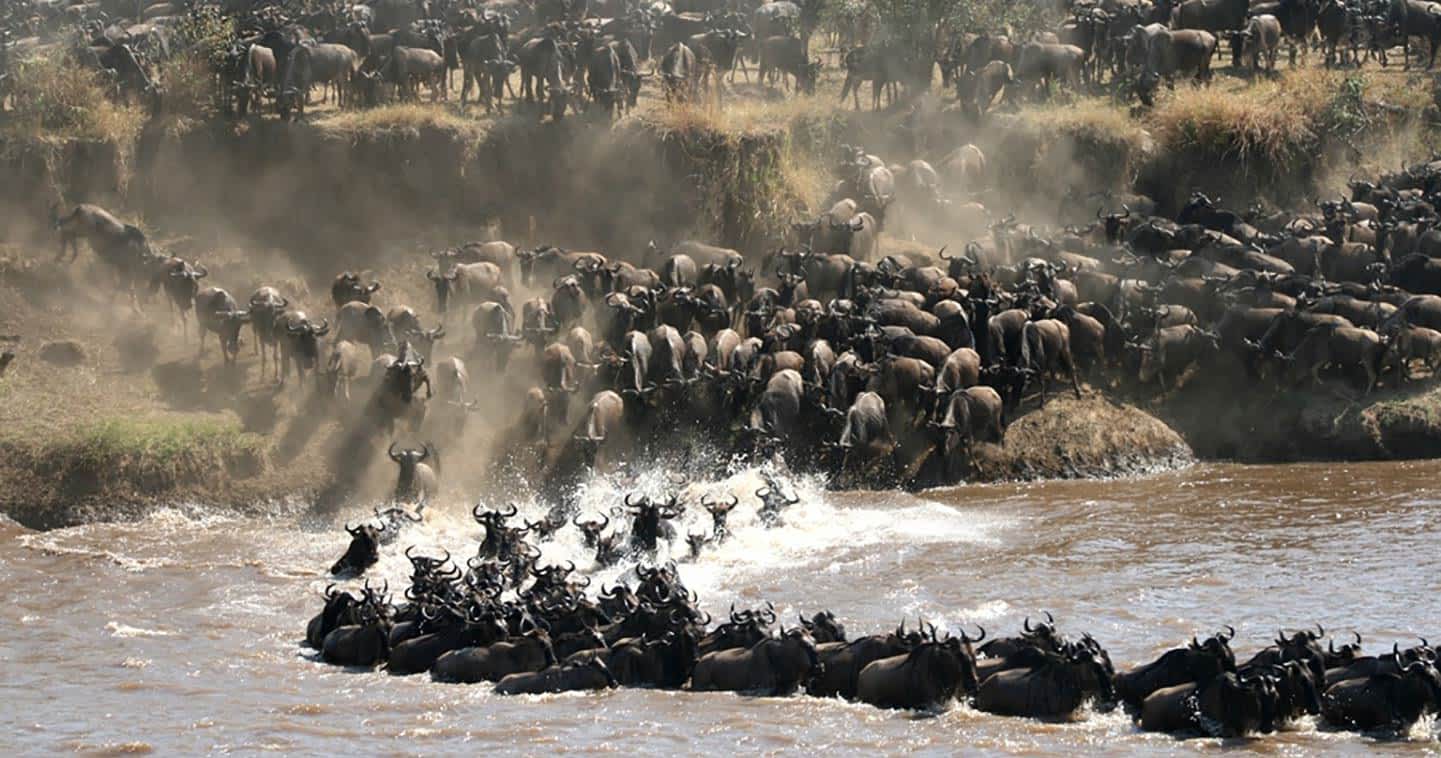 Safari Intelligence Insights
Future of Safari Tourism
Explore the future of safari tourism, from sustainable travel and tech-enhanced experiences to new luxury definitions. Plan your next adventure with insight.
 Safari Advisor Content
Safari Advisors and Conservation: How Expert Guidance Supports Ethical Tourism
Discover how expert safari advisors promote ethical tourism by guiding travelers to conservation-focused lodges, supporting community initiatives, and ensuring responsible wildlife encounters.
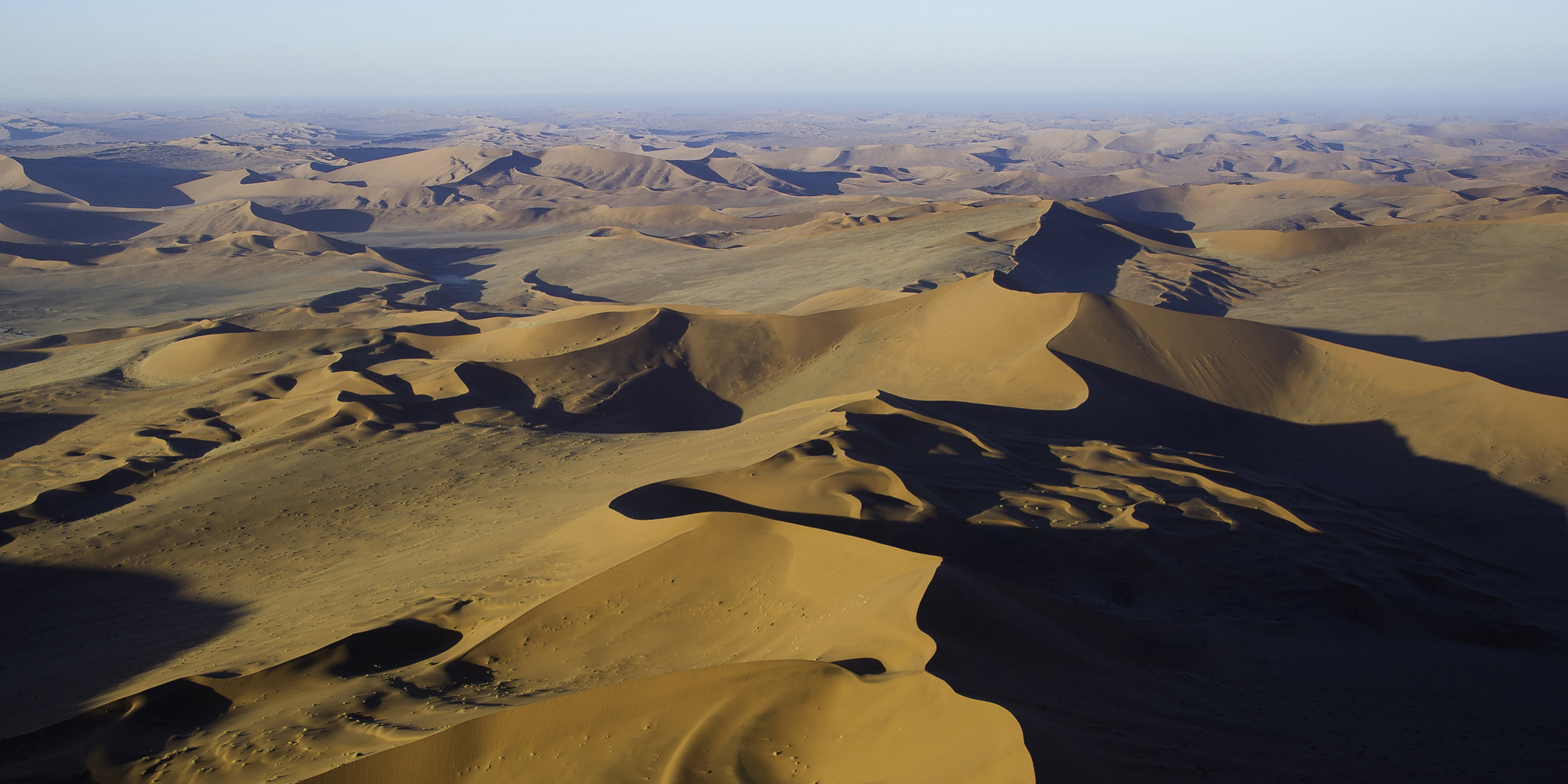 Safari Advisor Content
Safari Advisor vs Tour Operator – Key Differences
Discover the essentials of safari advisor vs tour operator – key differences for an unforgettable African safari adventure.
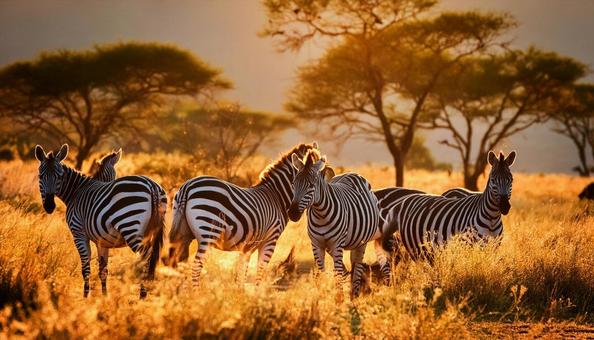 Safari Advisor Content
Red Flags When Choosing a Safari Advisor or Tour Operator
Learn to identify the red flags of unreliable safari advisors and tour operators. This guide covers warning signs like pressure tactics, vague pricing, and more.
Additional Safari TopicsSafari Conservation Programs
Discover how your African safari directly supports wildlife conservation, from funding anti-poaching units to empowering local communities. Learn how to travel with purpose.
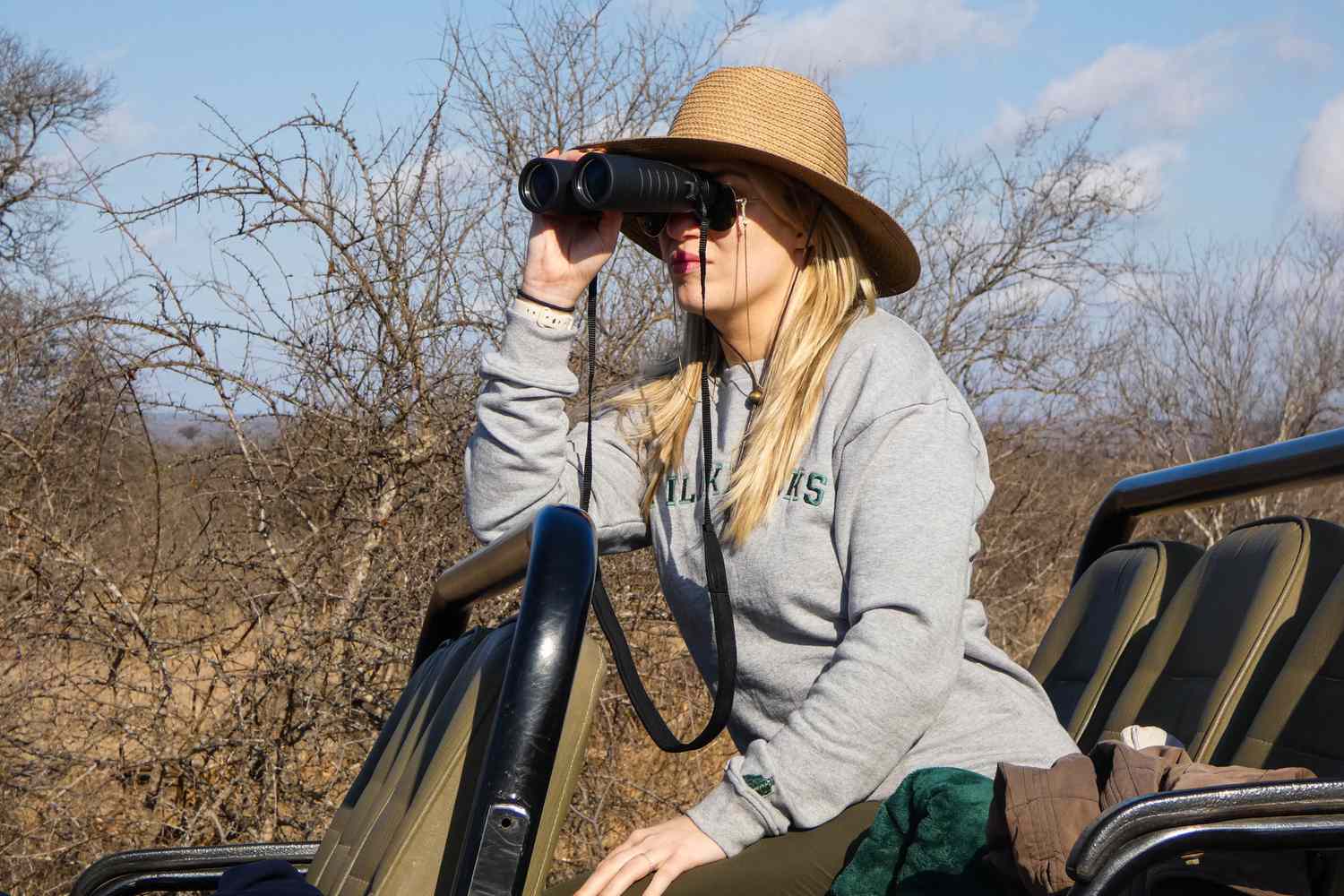 Expert Safari Knowledge
Conservation and Safaris
Discover how your African safari can support wildlife conservation, from funding anti-poaching efforts to empowering local communities. Learn how to choose a responsible safari.