
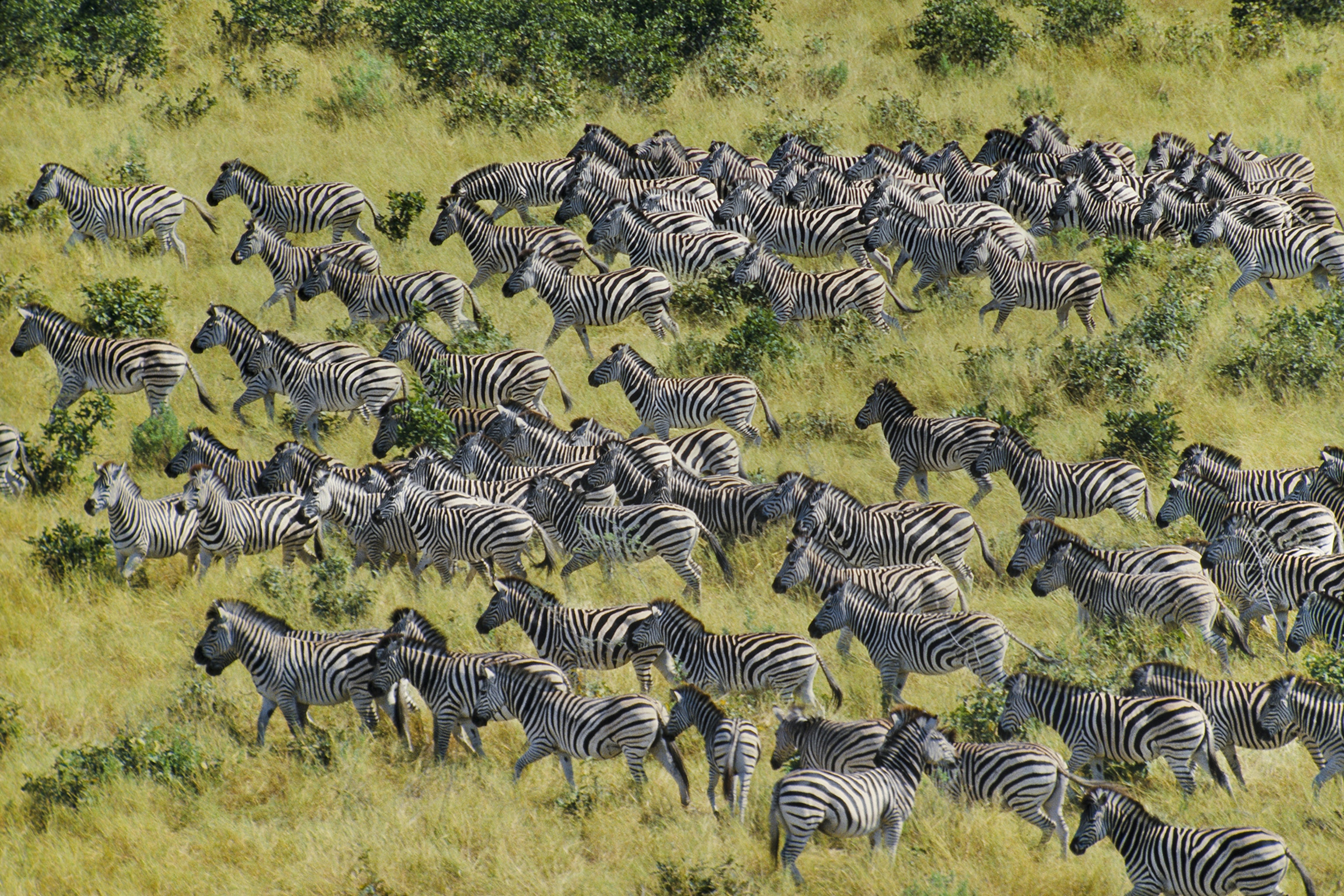
Discover how safari conservation travel allows you to actively contribute to protecting wildlife and empowering communities. Plan a journey that makes a real difference.
A safari in Africa is a journey into the heart of the wild, a chance to witness breathtaking landscapes and iconic wildlife. But what if your travels could do more than just provide incredible memories? What if your safari could actively contribute to the protection of the very animals and ecosystems you've come to see? This is the promise of safari conservation travel, a transformative approach to tourism that places a positive impact at the core of the experience. It's about traveling with purpose, where your presence helps to fund vital conservation work, empower local communities, and ensure a sustainable future for Africa's natural heritage.
What is Safari Conservation Travel?
Safari conservation travel is an evolution of the traditional safari. While it includes all the elements of a classic wildlife journey—thrilling game drives, expert guiding, and comfortable lodges—it integrates a deeper, more meaningful layer of engagement. It moves beyond passive observation to active participation and contribution. At its heart, this travel style is defined by a direct link between the tourism experience and the funding and support of conservation initiatives and community development.
Unlike a standard vacation, a conservation-focused safari is built on the principle that the presence of travelers can be a powerful force for good. The lodges and operators specializing in this field are not just tourism businesses; they are often deeply involved in wildlife research, anti-poaching efforts, and community partnerships. By choosing to travel with them, you are consciously directing your tourism dollars to support these critical efforts, turning your holiday into a direct investment in the future of Africa's wilderness.
How Your Travels Directly Support Conservation
Understanding how your journey makes a tangible difference is key to appreciating the value of conservation travel. The model is designed to create a sustainable cycle where tourism, conservation, and community well-being are mutually reinforcing. Your trip contributes in several practical and impactful ways.
Funding Critical Conservation Work
A significant portion of the revenue generated from conservation safaris is channeled directly into on-the-ground conservation projects. This funding is the lifeblood for many initiatives that would otherwise struggle to operate. It pays for the salaries of anti-poaching rangers who protect rhinos and elephants, fuels the vehicles used for wildlife monitoring, and supports the operational costs of research stations studying predator behavior or migration patterns. In many cases, the conservancy fees you pay as part of your safari package are the primary source of income for protecting vast, unfenced wilderness areas.
Empowering Local Communities
Sustainable conservation is impossible without the support of the local communities who live alongside wildlife. Conservation safaris are a powerful economic engine for these communities. By leasing their ancestral lands to create wildlife conservancies, communities receive a reliable income stream that incentivizes them to protect wildlife rather than view it as a threat to their livelihoods. Furthermore, these safari operations create stable employment opportunities—as guides, trackers, lodge staff, and managers—that are often the best-paying jobs in the region. This economic partnership ensures that the people who bear the costs of living with wildlife also reap the benefits of its preservation.
Advancing Wildlife Research and Monitoring
Many conservation-focused lodges and camps are hubs for scientific research. They host resident biologists and partner with universities and conservation organizations to study local wildlife populations. On a conservation safari, you may have the opportunity to participate in some of this work. This could involve helping to set up camera traps to monitor elusive leopards, tracking collared lions to understand their movements, or recording data on elephant herds. While your contribution is guided and supervised, it provides valuable data points that help researchers build a more complete picture of the ecosystem's health and challenges.
Still researching? Let us help.
Our advisory team has planned safaris across 9 African countries. We can turn your research into a real plan.
Talk to an AdvisorWhat to Expect on a Conservation Safari
A conservation safari enriches the traditional safari experience with unique, hands-on activities that connect you more deeply with your surroundings. While every day still includes the excitement of searching for the Big Five, your itinerary will also feature immersive conservation-focused experiences.
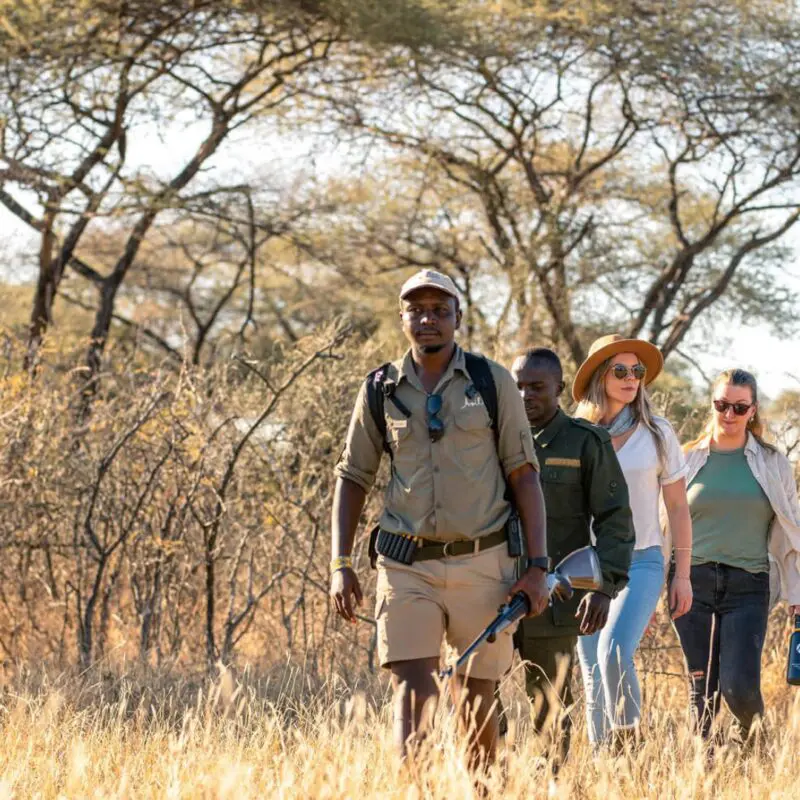
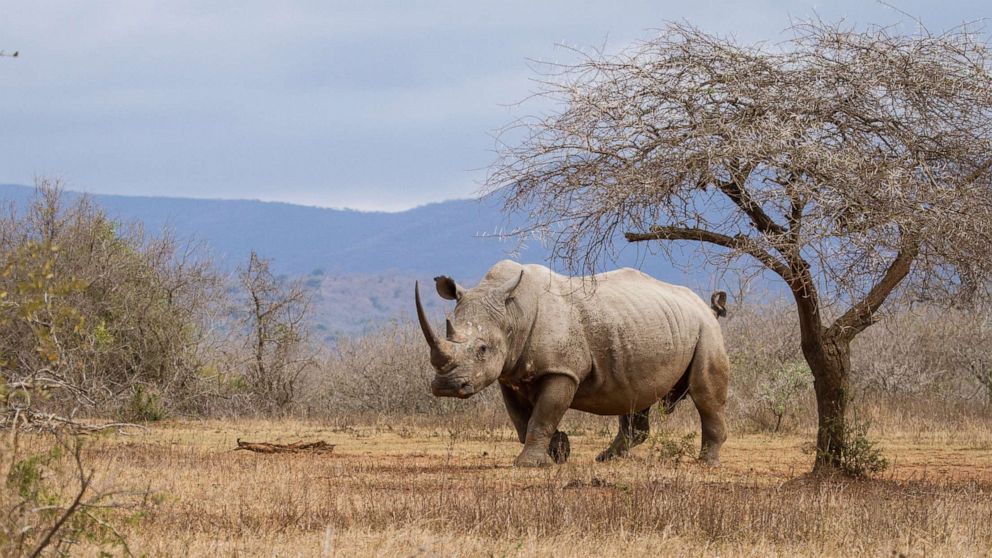
Depending on the destination and the specific projects underway, you might find yourself tracking rhinos on foot with a team of rangers, learning about their work and the challenges of protecting this iconic species. You could spend an afternoon with a research team, using telemetry to locate a pack of African wild dogs and learn about their social dynamics. Other experiences might include visiting a local village to see how the conservancy model is improving lives, participating in a tree-planting initiative to restore a wildlife corridor, or learning about the intricate science of tracking from a master guide.
These activities are not just educational; they are profoundly rewarding. They provide a behind-the-scenes look at the complex and dedicated work of conservation, offering a level of insight and engagement that a standard safari simply cannot match.
Key Destinations for Conservation-Focused Safaris
While the ethos of conservation is spreading across the continent, several destinations have become leaders in this responsible tourism model.
Kenya
Kenya is a pioneer in the community conservancy movement, particularly in the Laikipia and Maasai Mara ecosystems. Conservancies like Ol Pejeta are world-renowned for their successful rhino conservation programs, offering travelers a chance to see the last two northern white rhinos on Earth. In the Mara, conservancies such as Mara North and Naboisho have created a successful model where Maasai landowners have pooled their land for wildlife, leading to lower tourist densities and exceptional, exclusive game viewing that directly benefits the community.
Botswana
Botswana has long championed a high-value, low-volume tourism strategy that prioritizes conservation and exclusivity. The Okavango Delta is a patchwork of private concessions where operators invest heavily in conservation. This is one of the best places in Africa to see the results of successful rhino reintroduction programs, and many camps are involved in ongoing research on everything from wild dogs to elephants.
Tanzania
In Tanzania, vast private concessions bordering iconic national parks like the Serengeti and Ruaha offer a more exclusive and conservation-focused experience. Operators in these areas are instrumental in funding anti-poaching and community development projects. For example, in the remote and wild landscapes of southern Tanzania, tourism is a critical component of protecting some of the largest elephant populations on the continent.
Uganda and Rwanda
Gorilla and chimpanzee trekking in Uganda's Bwindi Impenetrable National Park and Rwanda's Volcanoes National Park are perhaps the most famous examples of conservation tourism. The high price of trekking permits directly funds the protection of these critically endangered primates and their fragile forest habitats. The success of this model has led to a remarkable recovery in mountain gorilla populations, proving that responsible tourism can save a species from the brink of extinction.
How to Choose a Reputable Conservation Safari
To ensure your travels have a genuine positive impact, it's important to do your research and choose your safari operator wisely. Look for companies that are transparent about their conservation and community partnerships. Ask specific questions: What percentage of your fees goes to conservation? Which specific projects do you support? How are local communities involved and compensated? Reputable operators will be proud to share this information.
Look for certifications from organizations like The Long Run or Fair Trade Tourism, which audit and verify the sustainability claims of tourism businesses. Most importantly, work with a trusted safari planning guide who understands the nuances of conservation travel and can guide you to the operators who are making a real, measurable difference.
By choosing a conservation safari, you are voting with your wallet for a better kind of tourism. You are investing in a future where wildlife, wilderness, and people can thrive together, ensuring that the magic of an African safari can be experienced for generations to come.
Need Expert Safari Guidance?
Get expert advisory support from a firm founded by a former safari guide — with real operational knowledge across 9 African countries and full-journey accountability.
Related Planning Guides
Explore Related Topics
Recommended Reading
 Advanced Safari Planning
Safari Travel Logistics
Master the essentials of safari travel logistics, from international flights and bush planes to 4x4 vehicles and park permits. Plan your African adventure.
 Advanced Safari Planning
Safari Adventure Travel
Discover the ultimate guide to safari adventure travel. Learn about active exploration, top destinations like Uganda and Tanzania, and essential planning tips.
 Safari Planning
Vaccinations Needed for African Safari Travel
Learn about the required and recommended vaccinations for your African safari. Our guide covers Yellow Fever, Malaria, and other health precautions for your trip.
 Safari Planning
Safari Travel Mistakes to Avoid
Avoid common safari travel mistakes with our expert guide. Learn what not to do when planning your African safari to ensure a smooth, safe, and spectacular journey.
 Safari Planning
Best Countries for First-Time Safari Travelers
Discover the best countries for a first-time safari. Our expert guide compares Tanzania, Kenya, South Africa, and more to help you plan your dream African adventure.
 Safari Travel Tips
Travel Health Tips for Safari
Planning a safari? Our expert guide to travel health covers essential vaccinations, malaria prevention, and food safety tips to ensure a safe and healthy adventure.