
Learn how to plan your first African safari with expert tips on destinations, timing, costs, and choosing the right operator.
Why Planning Matters for Your First Safari
An African safari is one of the most extraordinary travel experiences available anywhere in the world. From watching vast herds of wildebeest cross the Serengeti to tracking mountain gorillas through misty Ugandan forests, Africa offers wildlife encounters that simply cannot be replicated. However, a successful safari requires thoughtful planning across several key areas.
The difference between a good safari and an unforgettable one often comes down to preparation. Understanding your options, setting realistic expectations, and making informed decisions about destinations, timing, and operators will dramatically improve your experience.
Choosing Your Safari Destination
Africa is a vast continent with dozens of safari destinations, each offering distinct experiences. The most popular safari countries include Kenya, Tanzania, Botswana, South Africa, Uganda, Rwanda, Namibia, and Zambia.
East Africa (Kenya and Tanzania) is ideal for classic savanna safaris featuring the Big Five and the Great Migration. The Masai Mara and Serengeti are among the most famous wildlife reserves on Earth, offering dramatic landscapes and extraordinary animal concentrations.
Southern Africa (Botswana, South Africa, Zambia, Zimbabwe) provides diverse experiences from the water-based safaris of the Okavango Delta to the accessible game reserves of Kruger National Park. South Africa is particularly popular with first-time safari travelers due to its excellent infrastructure and malaria-free options.
Central and East Africa (Uganda and Rwanda) are the world's premier destinations for mountain gorilla trekking, offering intimate encounters with these magnificent primates in their natural habitat.
Still researching? Let us help.
Our advisory team has planned safaris across 9 African countries. We can turn your research into a real plan.
Talk to an AdvisorUnderstanding Safari Costs
Safari costs vary enormously depending on the country, season, level of luxury, and type of experience. Budget safaris in Kenya or Tanzania can start from $200 to $300 per person per day, while luxury experiences in Botswana or Rwanda can exceed $2,000 per person per day.
Key cost factors include:
- Park entrance fees, which vary significantly between countries
- Accommodation type, from basic camping to ultra-luxury lodges
- Transportation, including internal flights and ground transfers
- Guide quality and vehicle exclusivity
- Season of travel, with peak season commanding premium prices
Understanding what is included in safari pricing is essential. Most safari packages include accommodation, meals, game drives, and park fees. However, international flights, travel insurance, visa fees, and gratuities are typically additional costs.
When to Go on Safari
Timing is critical for a successful safari. Each destination has optimal seasons based on weather patterns, wildlife movements, and vegetation density.
The dry season (generally June through October in East Africa) is typically the best time for wildlife viewing. Animals concentrate around water sources, vegetation is thinner making animals easier to spot, and roads are more accessible.
The wet season (November through May) offers lush green landscapes, excellent birdwatching, and lower prices. Some travelers prefer this season for its dramatic skies and fewer crowds.
The Great Migration, one of Africa's most spectacular wildlife events, follows a circular route through the Serengeti and Masai Mara throughout the year. The famous river crossings typically occur between July and October.
Choosing a Safari Operator
Selecting the right safari operator is perhaps the most important decision you will make. A reputable operator ensures safety, quality guides, well-maintained vehicles, and appropriate accommodation.
When evaluating operators, consider the following:
- Years of experience operating in your chosen destination
- Reviews and testimonials from previous clients
- Membership in professional tourism associations
- Guide qualifications and training standards
- Vehicle quality and maintenance practices
- Emergency protocols and safety procedures
Ask potential operators detailed questions about their itineraries, group sizes, vehicle types, and what is included in their pricing. A trustworthy operator will be transparent about all costs and happy to answer your questions thoroughly.
Done Reading? Let's Build Your Safari.
Skip the guesswork. Work with an advisor who has been on the ground across East and Southern Africa.
Plan With UsPreparing for Your Safari
Proper preparation enhances your safari experience significantly. Key preparation areas include:
Documentation: Ensure your passport is valid for at least six months beyond your travel dates. Research visa requirements for your destination country. Some countries offer visa-on-arrival, while others require advance applications.
Health: Consult a travel medicine specialist about recommended vaccinations and malaria prophylaxis. Yellow fever vaccination is required for entry to several African countries. Travel insurance with medical evacuation coverage is essential.
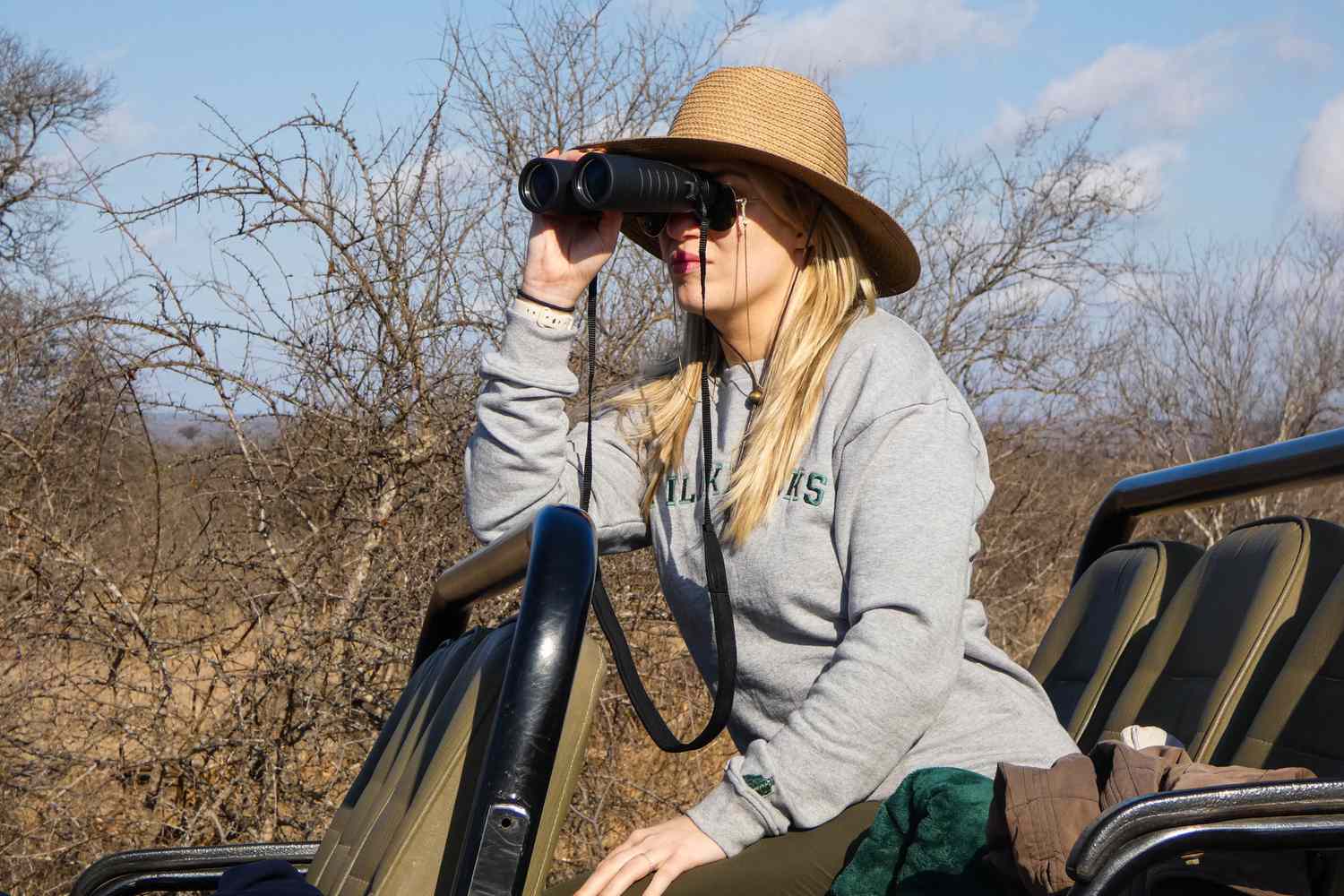
Packing: Safari packing should focus on neutral-colored, lightweight clothing. Layers are important as mornings and evenings can be cool while midday temperatures rise. A good pair of binoculars and a camera with a zoom lens will enhance your wildlife viewing experience.
Expectations: Understand that wildlife sightings are never guaranteed. A good guide will maximize your chances, but nature is unpredictable. Embrace the entire experience, including the landscapes, cultures, and quiet moments between animal encounters.
Making the Most of Your Safari
Once on safari, several practices will help you maximize your experience. Rise early for morning game drives when animals are most active. Listen to your guide's expertise and follow their instructions. Keep your camera ready but also take time to simply observe and absorb the experience.
Respect wildlife by maintaining appropriate distances and keeping noise levels low. The best wildlife encounters often come from patience and stillness rather than rushing from one sighting to the next.
Your first African safari will likely be a transformative experience. With proper planning and realistic expectations, you will create memories that last a lifetime and quite possibly develop a deep connection with Africa that brings you back again and again.
Need Expert Safari Guidance?
Get expert advisory support from a firm founded by a former safari guide — with real operational knowledge across 9 African countries and full-journey accountability.
Related Planning Guides
Explore Related Topics
Recommended Reading
 Safari Planning Guides
How to Plan a Safari for First-Time Visitors to Africa
Learn about how to plan a safari for first-time visitors to africa in this comprehensive safari guide covering key insights and practical advice.
 Safari Planning
Step-by-Step Guide to Planning an African Safari
Learn how to plan your first African safari with our step-by-step guide. We cover everything from choosing a destination to booking your trip and packing.
 Safari Planning
Choosing the Right African Safari Destination
Planning an African safari? Our guide helps you choose the right destination by breaking down key factors like wildlife, budget, travel style, and top countries.
 Safari Planning Guides
How to Plan a 10-Day Safari Across East Africa
Discover how to plan your dream safari with our expert guide on How to Plan a 10-Day Safari Across East Africa. Get tips on destinations, costs, and more.
 Safari Planning Guides
How to Plan a Safari for the First Time Without an Agent
Discover how to plan your dream safari with our expert guide on How to Plan a Safari for the First Time Without an Agent. Get tips on destinations, costs, and more.
 Safari Costs
Cheapest Safari Destinations in Africa
Discover the most affordable safari destinations in Africa. Our guide provides expert tips on budget-friendly countries, parks, and travel seasons for an unforgettable wildlife adventure.