
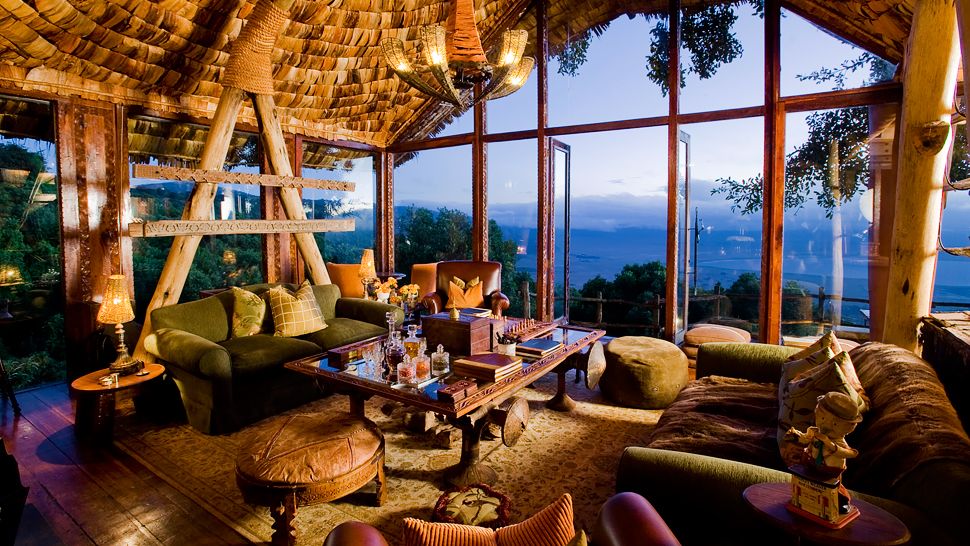
Discover how to plan your dream safari with our expert guide on How to Plan a Safari for Conservation Volunteering. Get tips on destinations, costs, and more.
How to Plan a Safari for Conservation Volunteering
This is a placeholder for the unique content of the article titled 'How to Plan a Safari for Conservation Volunteering'. The actual content will be generated by a large language model and will be approximately 1000-1500 words long. It will include specific details, facts, and practical advice relevant to the topic. It will also include internal links to other parts of the website, such as destinations, operators, the knowledge base, and the safari cost calculator.
Understanding Conservation Volunteering: Beyond the Game Drive
A conservation volunteering safari is an immersive experience that goes far beyond the traditional game drive. It’s an opportunity to actively participate in the protection and preservation of Africa’s wildlife and ecosystems. Unlike a standard safari, where you are primarily an observer, a volunteering trip places you on the front lines of conservation efforts. You'll work alongside researchers, rangers, and local community members, contributing directly to meaningful projects. This could involve anything from tracking rhinos with a research team in Namibia to assisting with habitat restoration projects in a Kenyan conservancy.
The goal is not just to see Africa, but to leave it a better place. It’s a hands-on, educational, and often physically demanding journey that offers a profound connection to the continent’s natural heritage. Before you start planning, it's essential to align your expectations with the reality of this unique form of travel. It requires a commitment of time, energy, and resources, but the rewards are immeasurable.
Still researching? Let us help.
Our advisory team has planned safaris across 9 African countries. We can turn your research into a real plan.
Talk to an AdvisorTypes of Conservation Projects: Finding Your Fit
Conservation volunteering is not a one-size-fits-all endeavor. Projects vary widely in focus, duration, and level of physical activity. Finding the right fit depends on your interests, skills, and the amount of time you can commit. Here are some of the most common types of projects you'll encounter:
| Project Type | Description | Ideal For Volunteers Who... | Potential Locations | | :--- | :--- | :--- | :--- | | Wildlife Monitoring & Research | Involves tracking animals (often with telemetry equipment), recording behavioral data, and conducting population counts. This data is vital for understanding and protecting species. | Are patient, detail-oriented, and enjoy data collection. A background in biology or environmental science is a plus, but not always required. | Botswana, Namibia, South Africa | | Anti-Poaching & Habitat Security | These programs support the teams that protect wildlife from poachers. Activities can include foot patrols, removing snares, maintaining fences, and monitoring for illegal activity. | Are physically fit, resilient, and prepared for long days in the bush. This is often strenuous but incredibly impactful work. | Zimbabwe, Kenya, Tanzania | | Community Outreach & Education | Focuses on working with local communities living alongside wildlife to foster positive relationships and reduce human-wildlife conflict. This can involve teaching in schools or assisting with sustainable livelihood projects. | Have strong communication skills, cultural sensitivity, and a passion for education and community development. | Uganda, Zambia, Kenya | | Habitat Restoration & Management | Involves hands-on work to improve the ecosystem. This could mean removing invasive plant species, planting indigenous trees, or helping with erosion control measures. | Enjoy physical labor and want to see the tangible results of their work on the landscape. | Rwanda, Tanzania, South Africa |
> Expert Insight: When choosing a project, consider the long-term impact. The best programs are those that are sustainable and deeply integrated with local conservation strategies. Don't be afraid to ask tough questions about a project's funding, its relationship with local communities, and how it measures success. For more guidance, our safari operators can help you connect with vetted, high-impact opportunities.
How to Vet a Conservation Volunteering Program
The growing interest in voluntourism has led to a rise in organizations offering conservation experiences. Unfortunately, not all are created equal. It is crucial to do your due diligence to ensure your time and money are contributing to a legitimate and ethical operation. Here is a checklist to help you vet potential programs:
- Transparency and Accountability: Reputable organizations are transparent about where your fees go. Look for detailed breakdowns of program costs. A significant portion should be going directly into the conservation work and the local community, not just administrative overhead.
- Scientific Validity: If the project involves research, is it affiliated with a recognized university, research institution, or government body? Legitimate research has clear objectives and methodologies. Be wary of programs that can't explain the scientific basis of their work.
- Community Integration: Ethical programs work with local communities, not just alongside them. Does the project employ local staff in skilled positions? Does it contribute to community development? Avoid programs that create dependency or displace local workers.
- Animal Welfare Standards: The welfare of the animals must be the top priority. The program should adhere to a strict no-contact policy with wild animals unless it's for necessary veterinary or research purposes. Any program that offers hands-on interaction like petting cubs or walking with lions is a major red flag.
- Long-Term Impact: What is the project's long-term vision? Look for evidence of sustained impact over several years. You can ask for annual reports or publications. A project's success should be measured in conservation outcomes, not in the number of volunteers it hosts.
> Traveler's Tip: Before committing, ask to speak with a past volunteer. Hearing a firsthand account of their experience can provide invaluable insight that you won't find on a website. You can also explore our knowledge center for more articles on ethical safari practices.
The Financial Commitment: Where Does Your Money Go?
Conservation volunteering programs require a financial contribution from participants, and it's important to understand what these fees cover. Costs can range from a few hundred to several thousand dollars per week, depending on the project's location, duration, and focus.
Typically, your program fee will cover:
- Accommodation and Meals: This can range from basic tented camps to more comfortable research base stations.
- Project-Related Expenses: This is the core of your contribution, funding everything from fuel for anti-poaching vehicles to research equipment and salaries for local staff.
- Training and Supervision: You will be trained and guided by experienced professionals throughout your stay.
- Donation to the Cause: A portion of your fee is a direct donation to the conservation initiative.
What's usually not included are your flights, travel insurance, visa fees, and personal spending money. When comparing costs, look beyond the price tag and evaluate the value and impact of your contribution. Our cost calculator can help you budget for the travel components of your trip, but be sure to get a detailed cost breakdown from any volunteer program you consider.
Planning a safari that gives back is a deeply rewarding way to experience Africa. It’s a chance to connect with the wild on a level that few travelers ever do. If you're ready to trade a bit of luxury for a lot of purpose, start exploring your options and plan your safari with an impact-driven focus.
Need Expert Safari Guidance?
Get expert advisory support from a firm founded by a former safari guide — with real operational knowledge across 9 African countries and full-journey accountability.
Related Planning Guides
Recommended Reading
 Safari Planning Guides
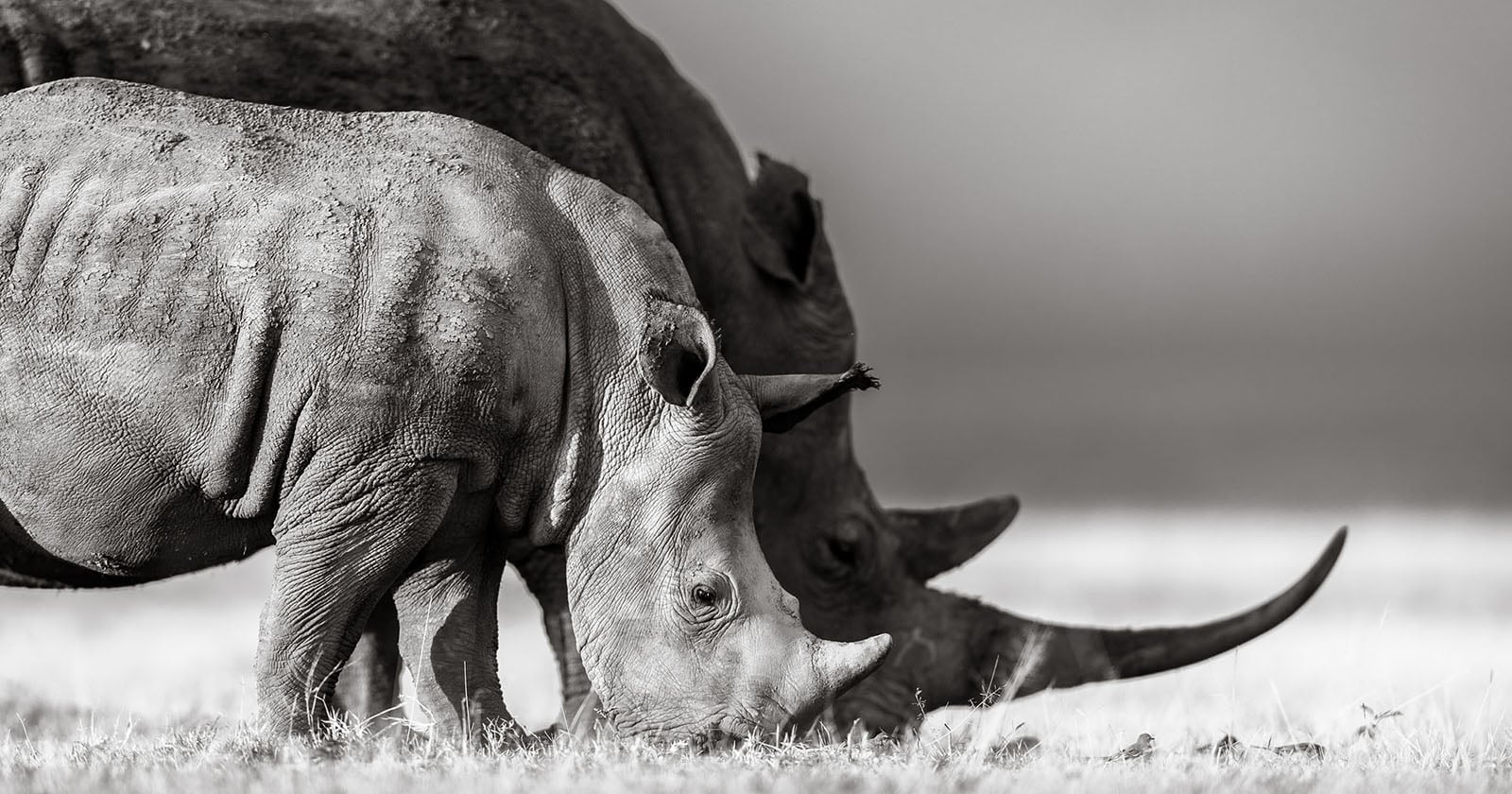
How to Plan a Safari for Rhino Conservation
Learn about how to plan a safari for rhino conservation in this comprehensive safari guide covering key insights and practical advice.
 Safari Planning Guides
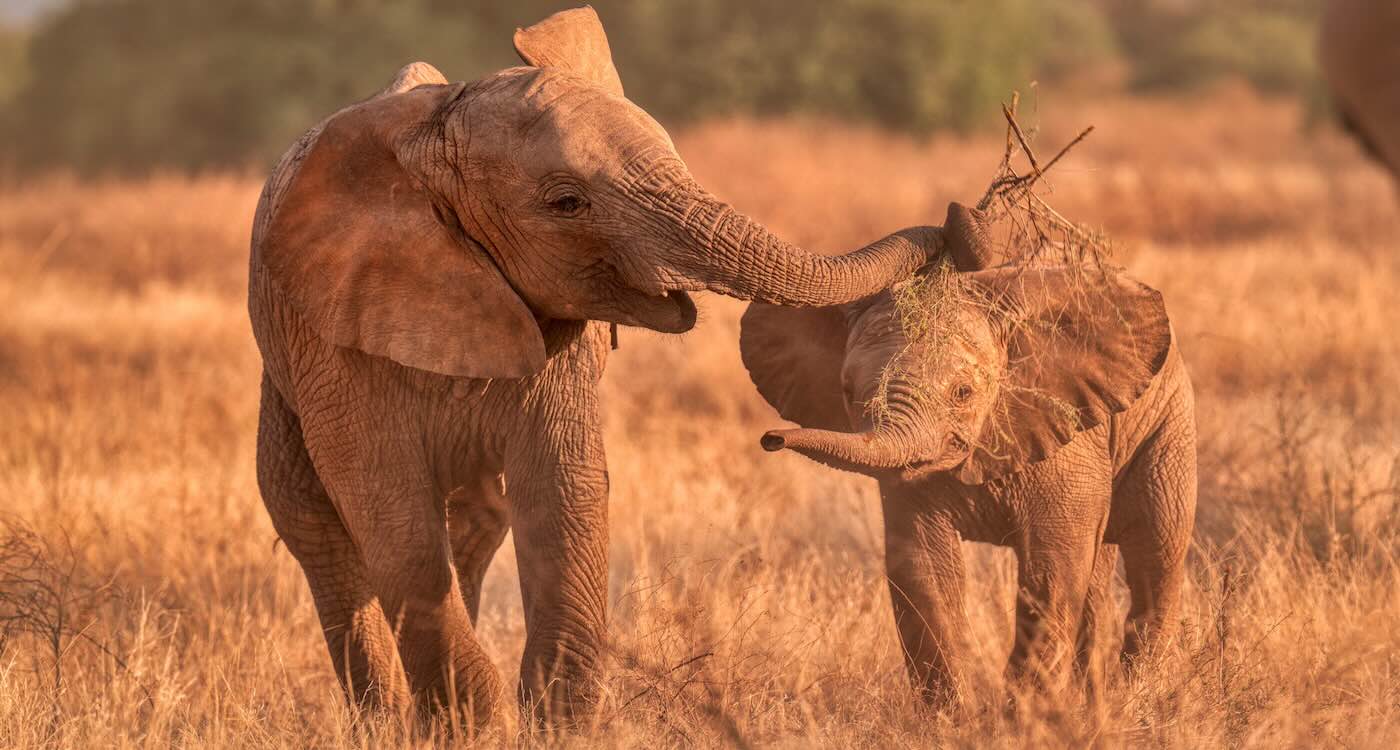
How to Plan a Safari That Supports Conservation
Learn about how to plan a safari that supports conservation in this comprehensive safari guide covering key insights and practical advice.
 Safari Planning Guides
Safari Planning Guide for First-Time Travelers
Discover how to plan your dream safari with our expert guide on Safari Planning Guide for First-Time Travelers. Get tips on destinations, costs, and more.
 Safari Advisor Content
Safari Advisors and Conservation: How Expert Guidance Supports Ethical Tourism
Discover how expert safari advisors promote ethical tourism by guiding travelers to conservation-focused lodges, supporting community initiatives, and ensuring responsible wildlife encounters.
 Safari Planning
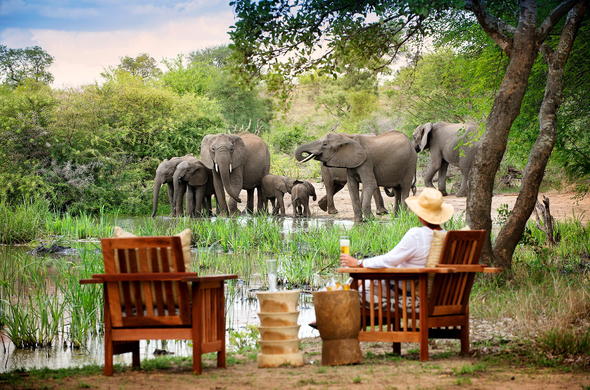
Step-by-Step Guide to Planning an African Safari
Learn how to plan your first African safari with our step-by-step guide. We cover everything from choosing a destination to booking your trip and packing.
Additional Safari TopicsSafari Conservation Programs
Discover how your African safari directly supports wildlife conservation, from funding anti-poaching units to empowering local communities. Learn how to travel with purpose.