
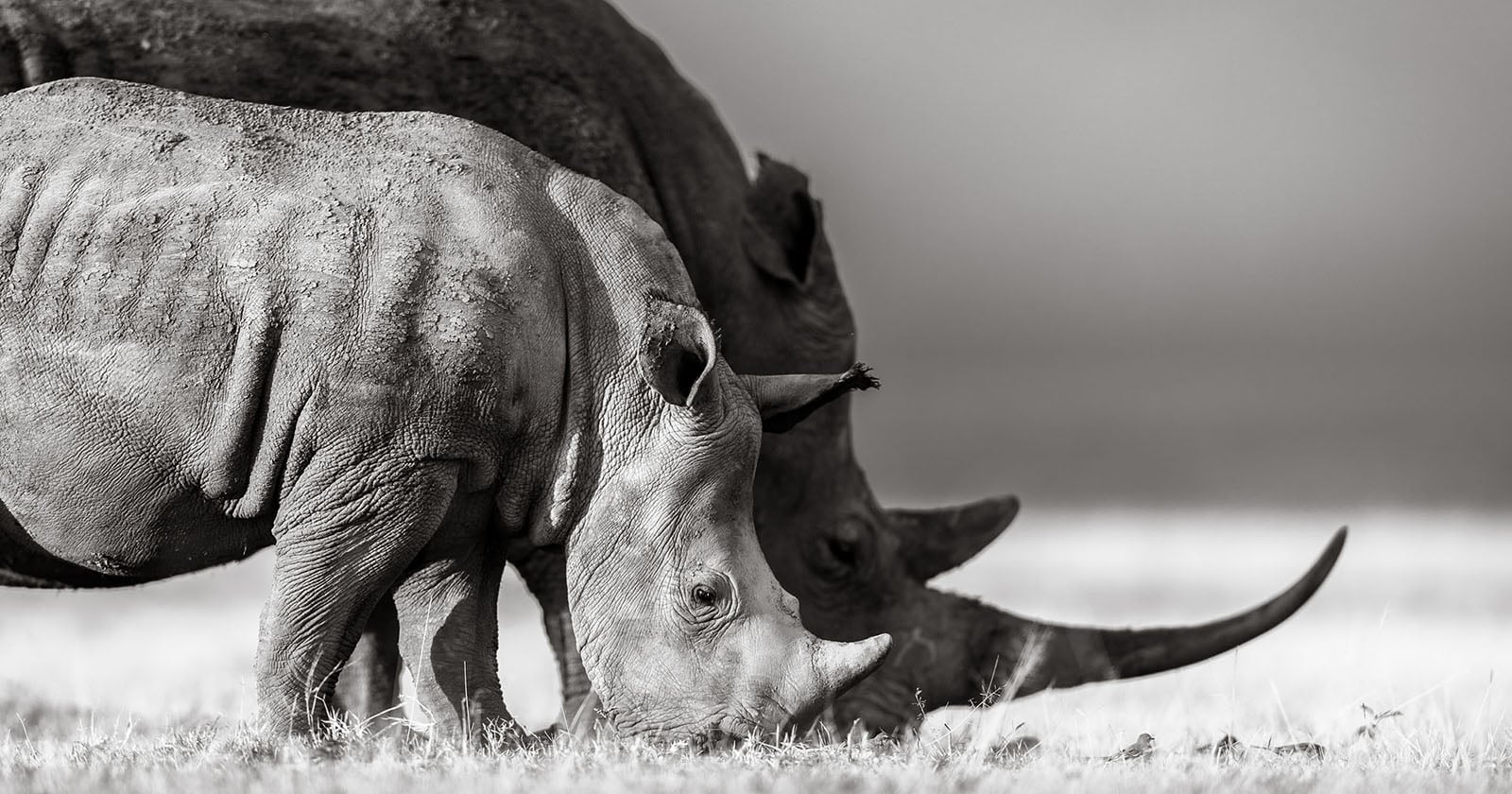
Learn about how to plan a safari for rhino conservation in this comprehensive safari guide covering key insights and practical advice.
Overview
Planning a safari involves many moving parts, and how to plan a safari for rhino conservation is one of the most important considerations. Whether you're a first-time visitor or a seasoned Africa traveler, this guide provides the practical knowledge you need to make informed decisions and create an unforgettable experience.
What You Need to Know
A deeper look at how to plan a safari for rhino conservation reveals important connections to other aspects of safari planning. Your choice of destination, timing, accommodation, and activities all influence each other, creating a web of decisions that benefit from expert guidance. Our knowledge center covers these interconnected topics comprehensively.
Still researching? Let us help.
Our advisory team has planned safaris across 9 African countries. We can turn your research into a real plan.
Talk to an AdvisorPractical Considerations
From a practical standpoint, how to plan a safari for rhino conservation requires attention to both the big picture and the small details. Start by establishing your priorities: what matters most to you on safari? Is it the wildlife, the landscape, the cultural experience, or the level of comfort? Once you've clarified your goals, use our cost calculator to understand the financial implications and our operator directory to find companies that specialize in your preferred type of experience.
Expert Perspective
The safari industry's leading voices agree that how to plan a safari for rhino conservation is an area where knowledge truly makes a difference. As conservation challenges evolve and tourism patterns shift, staying informed helps travelers make choices that benefit both their experience and the destinations they visit. Browse our operator directory to connect with companies that share this commitment to informed, responsible travel.
Next Steps
As you continue planning your African safari, keep how to plan a safari for rhino conservation in mind as an important piece of the puzzle. The more you understand about the various aspects of safari travel, the better positioned you'll be to create an experience that exceeds your expectations. Explore our destinations, browse the knowledge center, and connect with our safari operators to take the next step in your journey.
Done Reading? Let's Build Your Safari.
Skip the guesswork. Work with an advisor who has been on the ground across East and Southern Africa.
Plan With UsThe Poaching Crisis: A Stark Reality
Understanding the gravity of the rhino poaching crisis is the first step toward becoming a conservation-conscious traveler. The demand for rhino horn, primarily in Asian markets where it is erroneously believed to have medicinal properties, has fueled a devastating black market. In the last decade alone, over 9,000 rhinos have been lost to poaching across Africa. At its peak, the crisis saw more than three rhinos killed every single day.
While recent years have seen a slight decline in poaching numbers in some regions, the threat is far from over. The crisis has simply shifted, with poachers moving to new areas and adapting their methods. This is not a distant problem; it is an ongoing battle for the survival of a species. When you choose a conservation-focused safari, you are casting a vote for the protection of these magnificent animals and supporting the communities on the front lines of this fight.
Choosing Your Destination: Where to See Rhinos Responsibly
Your choice of destination is the single most important factor in planning a safari that supports rhino conservation. While rhinos can be found in several African countries, some locations offer more impactful and ethical viewing experiences than others. Here are a few of the top destinations for a rhino conservation safari:
South Africa: A Conservation Stronghold
South Africa is home to the largest rhino population in the world, making it a critical stronghold for the species. While Kruger National Park is a popular choice, consider visiting private reserves in the Greater Kruger area or the Eastern Cape. These smaller, privately managed areas often have more resources for anti-poaching patrols and can offer more exclusive and intimate rhino sightings.
> Expert Insight: Private reserves like those in the Sabi Sand and Timbavati regions have some of the highest rhino viewing success rates on the continent. They also contribute significantly to local conservation efforts through anti-poaching units and community outreach programs.
Kenya: A Story of Revival
Kenya has been a leader in rhino conservation, successfully reviving its populations through a network of national parks and private conservancies. The Laikipia region, in particular, is a beacon of hope. It is home to Ol Pejeta Conservancy, the largest black rhino sanctuary in East Africa, and the last two northern white rhinos on the planet. A visit to Ol Pejeta offers a powerful and educational experience, where you can learn about the conservancy's innovative conservation strategies and even meet the northern white rhinos.
Namibia: Desert-Adapted Rhinos
Namibia is home to a unique population of desert-adapted black rhinos. These rhinos have evolved to survive in the harsh, arid conditions of the Namib Desert. Tracking these rhinos on foot with a knowledgeable guide is a truly unforgettable experience. The funds generated from these safaris are crucial for monitoring and protecting this vulnerable population.
The Role of Private Conservancies in Rhino Conservation
Private conservancies have become one of the most effective models for rhino conservation in Africa. Unlike national parks, which are often underfunded and difficult to manage, private conservancies are smaller, more agile, and have a vested interest in protecting their wildlife. They are typically funded by a small number of eco-lodges, ensuring that the benefits of tourism are directly reinvested into conservation and community development.
When you stay at a lodge within a private conservancy, your conservation and park fees go directly toward funding anti-poaching patrols, wildlife monitoring, and community projects. This model creates a sustainable ecosystem where wildlife, communities, and tourism can thrive together. Before booking your safari, ask your safari planning guide about the conservation model of the lodges and reserves you are considering.
What to Expect on a Rhino Tracking Safari
A rhino tracking safari is an active and immersive experience that allows you to get up close to these incredible animals in their natural habitat. Led by expert guides and trackers, you will learn to read the signs of the bush, from footprints and dung to broken branches. The thrill of the final approach, when you see a rhino on foot for the first time, is a moment you will never forget.
These experiences are conducted with the utmost respect for the animals. The guides are highly trained in rhino behavior and will ensure that your presence does not disturb them. The number of guests is kept small to minimize impact, and a portion of the proceeds is always dedicated to the conservation of the rhinos you are tracking.
> Traveler's Tip: Rhino tracking on foot is a physically demanding activity that requires a good level of fitness. Be sure to discuss the physical requirements with your safari planning guide to ensure it is the right experience for you. You can also use our cost calculator to get an idea of the potential costs of such a specialized safari.
Beyond the Safari: How Your Trip Contributes to Conservation
A well-planned safari is more than just a vacation; it is an investment in the future of Africa's wildlife. The revenue generated from tourism is one of the most important sources of funding for conservation efforts across the continent. It pays for anti-poaching patrols, wildlife research, and community development programs that reduce human-wildlife conflict.
By choosing to travel with a reputable operator that is committed to responsible tourism, you are directly contributing to the protection of rhinos and other endangered species. Your journey matters. It is a powerful statement that you value wildlife and are willing to invest in its survival. As you plan your safari, remember that every dollar you spend can make a difference.
Need Expert Safari Guidance?
Get expert advisory support from a firm founded by a former safari guide — with real operational knowledge across 9 African countries and full-journey accountability.
Related Planning Guides
Recommended Reading
 Safari Planning Guides
How to Plan a Safari for Conservation Volunteering
Discover how to plan your dream safari with our expert guide on How to Plan a Safari for Conservation Volunteering. Get tips on destinations, costs, and more.
 Safari Planning Guides
How to Plan a Safari That Supports Conservation
Learn about how to plan a safari that supports conservation in this comprehensive safari guide covering key insights and practical advice.
 Safari Planning Guides
Safari Planning Guide for First-Time Travelers
Discover how to plan your dream safari with our expert guide on Safari Planning Guide for First-Time Travelers. Get tips on destinations, costs, and more.
 Safari Planning
Step-by-Step Guide to Planning an African Safari
Learn how to plan your first African safari with our step-by-step guide. We cover everything from choosing a destination to booking your trip and packing.
 Additional Safari Topics
Safari Conservation Programs
Discover how your African safari directly supports wildlife conservation, from funding anti-poaching units to empowering local communities. Learn how to travel with purpose.
 Advanced Safari Planning
Safari Conservation Travel
Discover how safari conservation travel allows you to actively contribute to protecting wildlife and empowering communities. Plan a journey that makes a real difference.