
Planning a safari? Learn what to know about leopards, from their behavior and the best places to see them in Africa to how to spot these elusive big cats.
''' Spotting a leopard on safari is a moment that stays with you forever. These magnificent and elusive big cats are masters of camouflage, making any sighting a true privilege. Unlike lions, which are often found in social prides, leopards are solitary and secretive, melting into the landscape with breathtaking ease. Their power, grace, and mysterious nature make them one of the most sought-after animals on any African safari. Understanding their behavior and knowing where and how to look is key to increasing your chances of an unforgettable encounter. This guide provides the essential knowledge you need to find and appreciate one of Africa's most iconic predators.
The Elusive Master of Camouflage
Leopards have earned their reputation as one of the most difficult animals to find on safari. Their ability to thrive across a wide range of habitats, from dense forests to open savannas and rocky hills, is a testament to their adaptability. This success is largely due to their secretive nature and incredible physical adaptations.
Understanding Leopard Behavior
Leopards are primarily solitary, spending most of their lives alone within their own established territories. They are territorial animals, using scent markings, claw scratches on trees, and vocalizations to communicate with other leopards and defend their space. While males and females cross paths to mate, the female raises her cubs on her own. These cubs will stay with their mother for up to two years, learning the essential skills of hunting and survival before venturing out to establish their own territories.
They are most active at dawn and dusk, a behavior known as being crepuscular. During the heat of the day, you will often find them resting in the shade of a dense bush or, more famously, draped over the branch of a large tree.
Physical Characteristics and Adaptations
Pound for pound, the leopard is the strongest of Africa's big cats. Their powerful build allows them to hoist prey, sometimes heavier than themselves, up into trees to keep it safe from scavengers like lions and hyenas. Their beautiful coat, covered in a pattern of rosettes (rose-like clusters of spots), provides exceptional camouflage, allowing them to blend seamlessly into the dappled light of the bush.
This combination of strength, stealth, and camouflage makes them formidable ambush predators. They are opportunistic hunters with a varied diet that can include everything from impala and other small antelopes to birds, rodents, and even fish.
Where to Find Leopards in Africa
While leopards are found across sub-Saharan Africa, certain locations offer a significantly higher chance of seeing them. In these areas, a combination of ideal habitat, high prey density, and leopards that have become habituated to the presence of safari vehicles creates unparalleled viewing opportunities.
Top Parks and Reserves for Leopard Sightings
If seeing a leopard is a top priority for your safari, some destinations stand out above the rest:
- Sabi Sand Nature Reserve, South Africa: Bordering the world-famous Kruger National Park, the Sabi Sand is arguably the best place in the world for leopard sightings. The leopards here are famously relaxed around vehicles, allowing for incredible up-close encounters.
- South Luangwa National Park, Zambia: Often called the "Valley of the Leopard," South Luangwa has a very high density of these cats. The park's riverine woodlands provide the perfect habitat, and it is a top destination for walking safaris and night drives, which increase your chances of a sighting.
- Moremi Game Reserve, Botswana: Located in the heart of the Okavango Delta, Moremi's diverse landscape of floodplains, forests, and lagoons supports a healthy leopard population. The Khwai Concession area, in particular, is renowned for its consistent sightings.
- Maasai Mara National Reserve, Kenya: While famous for the Great Migration, the Maasai Mara is also an excellent place to see leopards. The scattered acacia trees and riverine forests along the Mara and Talek rivers are prime leopard territory.
What Makes These Locations So Good for Leopards?
The key factors in these hotspots are habitat and tolerance. The dense riverine forests and rocky outcrops (kopjes) found in these parks provide perfect cover for hunting and denning. Furthermore, decades of responsible safari tourism have led to generations of leopards that view safari vehicles as a neutral part of their environment, allowing for more natural and prolonged sightings.
Still researching? Let us help.
Our advisory team has planned safaris across 9 African countries. We can turn your research into a real plan.
Talk to an AdvisorHow to Spot a Leopard on Safari
Finding a leopard requires patience, a bit of luck, and a keen eye. However, you can significantly improve your odds by knowing what to look for and where to focus your attention.
Look Up! The Arboreal Advantage
One of the most classic leopard behaviors is resting in trees. They use trees not only as a resting spot but also as a vantage point and a safe place to store their kills. As you drive, be sure to scan the large, horizontal branches of sausage trees, acacia trees, and leadwoods. Look for the tell-tale sign of a dangling tail or a rosette-patterned shape that doesn't quite match the surrounding leaves and bark.
Listen for the Signs
Often, other animals will reveal a leopard's presence before you see it. Listen for the frantic alarm calls of monkeys and baboons, or the sharp, repetitive calls of certain birds like the go-away-bird. These animals see the leopard as a direct threat and will shout out a warning, which your guide can use to track down the hidden predator.
Trust Your Guide's Expertise
Your safari guide is your greatest asset in finding a leopard. They have years of experience and an intimate knowledge of the local leopards and their territories. They can recognize fresh tracks, interpret alarm calls, and spot a flick of an ear or a twitch of a tail that most people would miss. Trust their instincts and let them know that seeing a leopard is a priority for you.
The Best Time of Day for Sightings
As crepuscular animals, leopards are most active during the cooler hours of the early morning and late afternoon. These are the prime times for game drives, as the cats are more likely to be on the move, hunting, or patrolling their territory. Night drives, where permitted, offer a unique opportunity to see their nocturnal behavior under the glow of a spotlight.
Leopard Sighting Etiquette
Once you are lucky enough to find a leopard, it is crucial to approach the sighting with respect and care to ensure the animal remains comfortable and the experience is a positive one for everyone.
Keep Your Distance and Stay Quiet
Always follow your guide's instructions on how close to get. It is important not to crowd the animal. Keep your voice low and avoid sudden movements. The goal is to observe the leopard without altering its natural behavior. Remember, you are a guest in its home.
The Ethics of Night Drives and Spotlighting
Spotlighting on night drives can provide incredible sightings, but it must be done responsibly. A common practice is to use a red filter on the spotlight, which is less harsh on the animal's eyes. The light should never be shone directly into the leopard's face for an extended period. A respectful guide will sweep the light across the animal, allowing you to see without causing distress.
Understanding Their Comfort Zone
Pay attention to the leopard's body language. Signs of agitation include flattened ears, a twitching tail, or low growling. If you observe any of these behaviors, it is a sign that the vehicle is too close, and your guide should back away to give the animal more space.
Distinguishing Leopards from Cheetahs
For the safari newcomer, it can sometimes be tricky to tell the difference between a leopard and a cheetah. However, they are very different cats with distinct features.
Spot Patterns
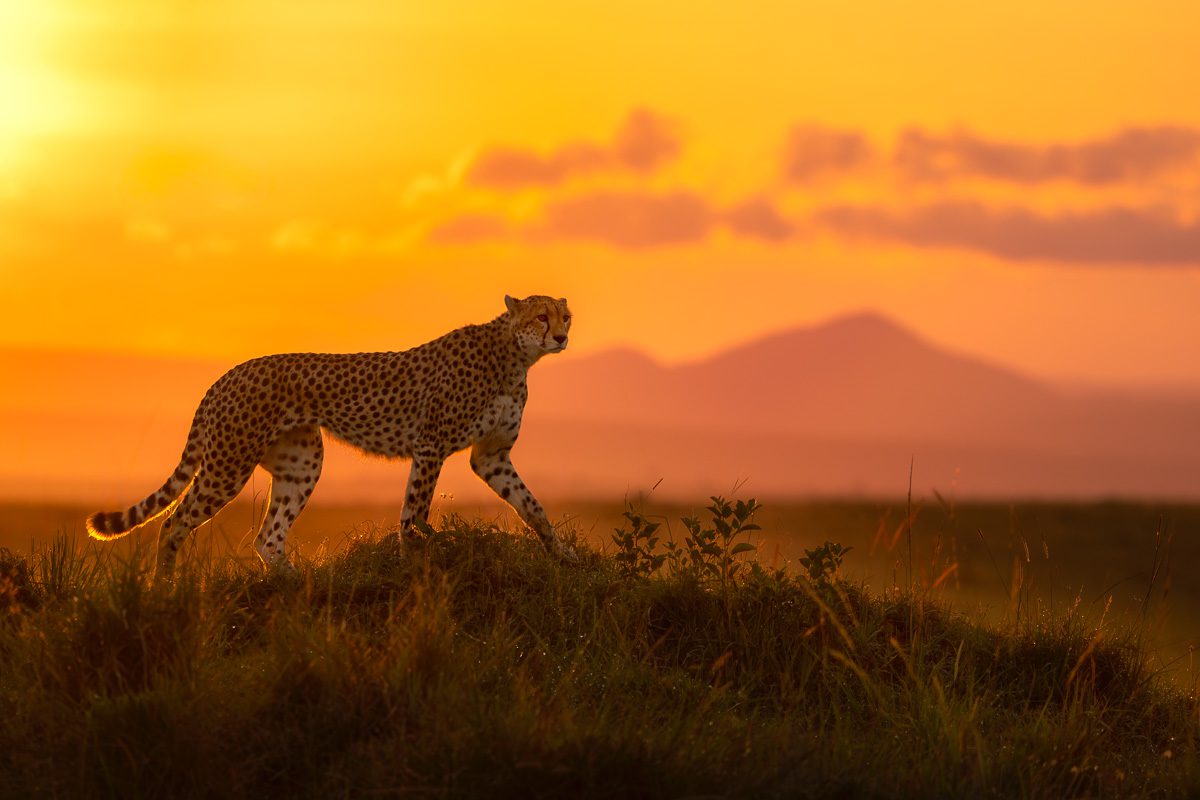
The easiest way to tell them apart is by their spots. Leopards have rosettes, which are complex, rose-like markings. Cheetahs, on the other hand, have simple, solid black spots, like a Dalmatian.
Build and Body Shape
Leopards are stocky, muscular, and powerfully built for climbing and strength. Cheetahs are slender, long-legged, and built for speed. They are the fastest land animals on earth, and their body is a picture of aerodynamic efficiency.
Facial Markings
Cheetahs have distinctive black "tear marks" that run from the inner corner of their eyes down to the sides of their mouth. Leopards do not have these markings.
---
A leopard sighting is a highlight of any African safari, a reward for patient observation and a moment of pure wilderness magic. By understanding their elusive nature, knowing the best places to look, and practicing respectful wildlife viewing, you can increase your chances of witnessing one of Africa's most beautiful and enigmatic predators. It is an experience that embodies the wild, untamed spirit of the continent. '''
Need Expert Safari Guidance?
Get expert advisory support from a firm founded by a former safari guide — with real operational knowledge across 9 African countries and full-journey accountability.
Related Planning Guides
Explore Related Topics
Recommended Reading
 Season & Timing Guides
Best Time to See Leopards on Safari
Expert guide on best time to see leopards on safari with month-by-month conditions, pricing, and planning recommendations for safari travelers.
 Safari Costs
Hidden Safari Costs Travelers Should Know
Discover the hidden costs of an African safari. Our guide covers unexpected expenses like flights, visas, tips, and optional activities to help you budget.
 Wildlife Guides
Best Places to See Leopards
Discover the best places to see leopards in Africa. This guide covers top destinations like South Luangwa, Sabi Sand, and Moremi for incredible leopard sightings.
 Wildlife Guides
Buffalo on Safari
Discover the African buffalo, a key member of the Big Five. Learn about their behavior, social structure, and the top safari destinations for viewing them.
 Wildlife Guides
Hippos on Safari
Discover the fascinating world of hippos on safari. Learn about their behavior, social lives, and the best places in Africa to see these magnificent animals safely.
 National Park Guides
Masai Mara Safari Guide
Plan the perfect Masai Mara safari with our expert guide. Discover the best time to visit, what to do, and how to choose the right safari for you.