

Discover the intricate world of safari lodge management. Learn how these remote wilderness outposts are run, from the role of the lodge manager to the complex logistics.
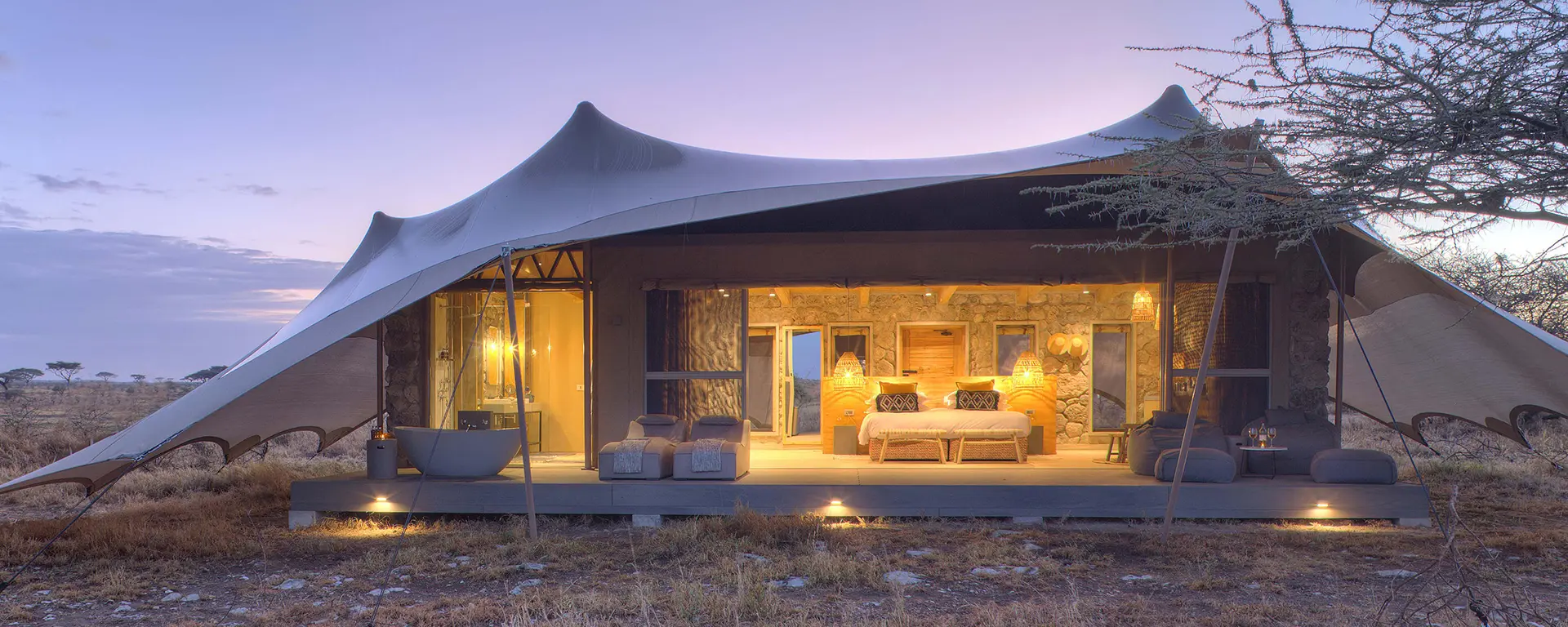
From the moment you arrive at a safari lodge, you are enveloped in a world of seamless service, breathtaking wildlife encounters, and luxurious comfort. A refreshing drink appears in your hand, your bags are whisked away to your room, and a friendly guide is ready to lead you into the wild. But behind this effortless experience lies a complex and demanding operation, a carefully choreographed dance of logistics, hospitality, and conservation. Understanding how safari lodges are managed reveals the incredible effort required to create these magical stays in some of Africa's most remote corners.
The Lodge Manager: The Heart of the Operation
At the center of every well-run safari lodge is the Lodge Manager. This is not a simple 9-to-5 job; it is a lifestyle. The manager is the ultimate host, problem-solver, and team leader, responsible for overseeing every aspect of the lodge's day-to-day life. Their role is incredibly diverse, encompassing guest relations, staff management, financial oversight, and operational logistics. They are the first to wake and the last to sleep, ensuring that every guest feels personally cared for while simultaneously managing the complexities of running a small, self-sufficient community in the bush.
A Master of All Trades
A lodge manager's responsibilities are vast. One moment they might be coordinating the arrival of a private charter flight, the next they are troubleshooting a generator issue or comforting a guest who is feeling unwell. They are the face of the lodge, engaging with guests during meals, sharing stories around the campfire, and ensuring their safari experience exceeds all expectations. This requires immense emotional intelligence and the ability to remain calm and composed, even when facing unexpected challenges like a delayed supply truck or a pride of lions deciding to nap on the airstrip.
Leading the Team
Beyond guest interactions, a significant portion of the manager's time is dedicated to leading the lodge staff. In these isolated environments, the team becomes a family. The manager is not just a boss but also a mentor, counselor, and community leader. They are responsible for hiring, training, and motivating a diverse team, from expert guides and trackers to talented chefs and meticulous housekeepers. Fostering a positive and collaborative work environment is crucial for delivering the high standards of service that luxury safari lodges are known for.
Behind the Scenes: Key Departments and Staff
A safari lodge operates like a small, independent town with several key departments working in harmony. Each team plays a vital role in creating a flawless guest experience.
Safari Guides and Trackers
Often considered the most visible and celebrated members of the team, the guides and trackers are your windows into the African wilderness. Their expertise is the cornerstone of the safari experience. A great guide possesses an encyclopedic knowledge of the local flora and fauna, exceptional tracking skills, and a passion for storytelling. They are responsible for leading game drives, walking safaris, and other wildlife activities, all while prioritizing guest safety. In countries like Kenya, Tanzania, and Botswana, guides undergo rigorous training and certification to ensure they meet the highest standards.
Housekeeping and Maintenance
Maintaining a luxury standard in the middle of the bush is a monumental task. The housekeeping team ensures that every tent and lodge room is immaculate, providing a sanctuary of comfort after a long day of adventure. The maintenance team are the unsung heroes, responsible for keeping the entire operation running. They manage the lodge's power supply (often a combination of solar and generators), ensure a constant flow of clean water, service the fleet of safari vehicles, and fix anything and everything that breaks.
The Culinary Team
Creating world-class cuisine in a remote location is a culinary feat. The kitchen team, led by a head chef, is tasked with designing and executing menus that are both delicious and diverse, often with limited access to fresh ingredients. They must be masters of planning and logistics, ordering supplies weeks or even months in advance. Many lodges, like those in the Serengeti or the Okavango Delta, have their own vegetable gardens to supplement their supplies and provide fresh, organic produce for their guests.
Still researching? Let us help.
Our advisory team has planned safaris across 9 African countries. We can turn your research into a real plan.
Talk to an AdvisorThe Guest Experience: From Arrival to Departure
The management of the guest experience is a finely tuned process designed to immerse you in the magic of the safari from start to finish. It begins with a warm welcome, often with the entire management team waiting to greet you upon arrival. Your daily schedule is thoughtfully planned to maximize wildlife viewing opportunities, typically with an early morning game drive, a leisurely lunch and siesta during the heat of the day, and an afternoon/evening game drive that extends into the night.
Beyond the scheduled activities, it is the small, personalized touches that set a great lodge apart. A private dinner set up under the stars, a surprise sundowner cocktail at a scenic viewpoint, or a hot water bottle tucked into your bed on a chilly evening—these are the moments that create lasting memories. The lodge staff are trained to be attentive and anticipate your needs, providing a level of service that is both intuitive and discreet.
Logistics in the Bush: A Unique Set of Challenges
Operating a safari lodge in a remote wilderness area presents a unique set of logistical hurdles. Everything, from fuel for the vehicles to the wine served at dinner, must be transported over long distances on often challenging roads. Supply chains are complex and require meticulous planning. A broken-down truck or a flooded river can mean a delay of days or even weeks.
This is why self-sufficiency is key. Lodges must have robust systems for power generation, water purification, and waste management. They maintain large stores of non-perishable goods and have backup plans for every eventuality. Managing these logistics effectively is a critical component of how safari lodges are managed and is essential for their long-term success.
Conservation and Community: The Bigger Picture
Modern safari lodge management extends far beyond hospitality. Today, the best lodges are deeply committed to conservation and community development. They understand that their business is intrinsically linked to the health of the surrounding ecosystem and the well-being of the local people. Many lodges operate in partnership with conservation organizations and local communities, and a portion of their revenue is often reinvested into anti-poaching patrols, wildlife research projects, and community-owned conservancies.
By employing staff from local villages, purchasing goods from local suppliers, and supporting schools and clinics, these lodges create a positive economic impact that makes wildlife a valuable asset to the community. This symbiotic relationship is at the heart of sustainable tourism and is a crucial part of the modern safari lodge's identity.
In conclusion, the seamless and magical experience of a safari lodge is the result of a complex, well-oiled machine running tirelessly behind the scenes. It is a testament to the dedication and passion of the lodge manager and their entire team, who navigate the unique challenges of the African bush to create unforgettable journeys. From the expert guide who finds you a leopard in a tree to the chef who prepares a gourmet meal miles from anywhere, every individual plays a part in the intricate art of safari lodge management.
Need Expert Safari Guidance?
Get expert advisory support from a firm founded by a former safari guide — with real operational knowledge across 9 African countries and full-journey accountability.
Related Planning Guides
Explore Related Topics
Recommended Reading
 Safari Planning Guides
How to Choose Between a Lodge Safari and Camping Safari
Discover how to plan your dream safari with our expert guide on How to Choose Between a Lodge Safari and Camping Safari. Get tips on destinations, costs, and more.
 Safari Comparison Articles
Lodge Safari vs Tented Camp Safari
An in-depth comparison of Lodge Safari vs Tented Camp Safari to help you choose the perfect safari experience. Explore the pros, cons, and key differences to ma
 Safari Comparison Articles
Tree House Safari vs Ground Lodge Safari
An in-depth comparison of Tree House Safari vs Ground Lodge Safari to help you choose the perfect safari experience. Explore the pros, cons, and key differences
 Safari Comparison Articles
River Lodge vs Bush Lodge Safari
An in-depth comparison of River Lodge vs Bush Lodge Safari to help you choose the perfect safari experience. Explore the pros, cons, and key differences to make
 Safari Costs
Lodge Pricing vs Mobile Safari Costs
Explore the cost differences between safari lodges and mobile safaris. This guide compares pricing, value, and experiences to help you choose the right safari.
 Safari Cost Guides
Safari Lodge Costs by Country Comparison
Planning a safari? Learn about safari lodge costs by country comparison. Get expert advice and insights from Safari Intelligence to plan your perfect trip.