
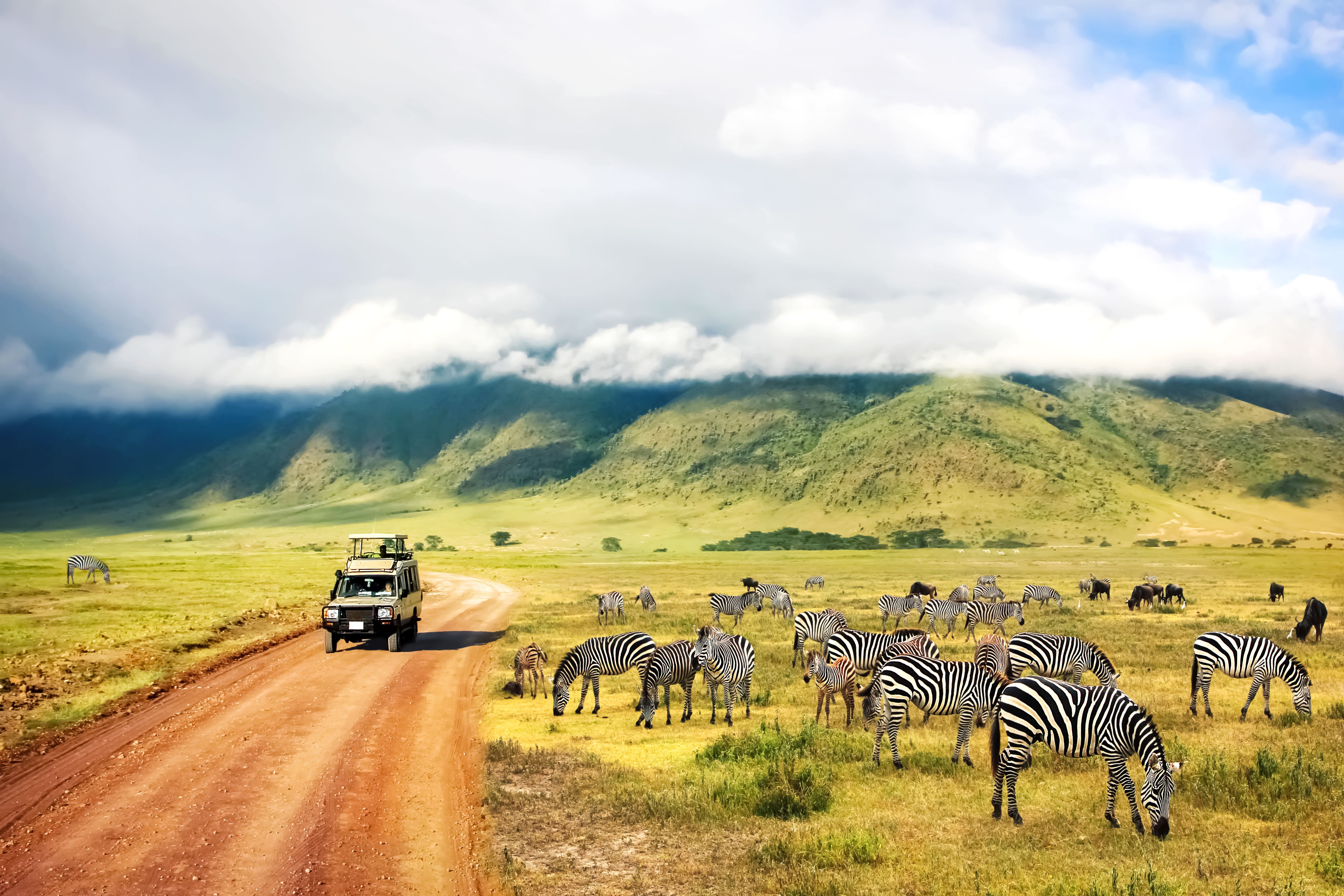
Learn the difference between open-sided 4x4s and pop-top Land Cruisers. Our guide to safari vehicles explains everything you need to know for your African safari.
''' The safari vehicle is more than just a mode of transport; it is your window to the wild heart of Africa. For hours each day, this vehicle will be your basecamp, your viewing platform, and your shield in some of the world's most remote and untamed landscapes. The design, comfort, and capability of your safari vehicle directly impact the quality of your wildlife sightings, your photographic opportunities, and your overall enjoyment. Understanding the different types of vehicles used across the continent, from the open-sided 4x4s of Botswana to the classic pop-top Land Cruisers of the Serengeti, is a crucial step in planning a successful safari. This guide explains everything you need to know about safari vehicles to help you choose the right experience for your adventure.
The Anatomy of a Safari Vehicle
While designs vary, most safari vehicles are modified to maximize wildlife viewing and navigate rugged terrain. They are typically four-wheel-drive (4x4) models from robust brands like Toyota or Land Rover, customized for the specific demands of safari life. Key modifications focus on suspension, seating, and viewing access.
Open-Sided vs. Closed Vehicles
The most significant distinction in safari vehicle design is whether it is open-sided or closed. Open-sided vehicles, common in Southern African countries like Botswana, Zambia, and South Africa, feature open-air seating with a canvas roof for sun protection. This design offers an incredibly immersive experience, providing unobstructed views and a feeling of being truly connected to the environment. You can hear the rustle of grass as a leopard stalks its prey and smell the sweet scent of rain on the African soil. Safety is ensured by the vehicle's height and the expertise of your guide, as animals view the vehicle and its occupants as a single, non-threatening entity.
In contrast, closed vehicles are the standard in East African destinations like Tanzania and Kenya. These are typically modified Toyota Land Cruisers with large slide-open windows and a pop-top roof hatch. While you are more enclosed, the pop-top roof allows you to stand up and gain an elevated, 360-degree view, which is perfect for spotting wildlife across the vast plains of the Serengeti or Maasai Mara. The enclosed design also offers better protection from dust on long drives and can feel more secure for travelers new to the safari experience.
Pop-Top Roofs
The pop-top roof is the defining feature of the East African safari vehicle. This hinged roof can be raised and secured, allowing you to stand on the seats or floor for a higher vantage point. It provides excellent photographic opportunities and a more comfortable way to scan the horizon for distant animals. When driving between parks or in transit, the roof remains closed for safety and comfort. It is a practical and versatile feature that combines the security of a closed vehicle with the viewing advantages of an open one.
Seating Configuration
Safari vehicles are designed to ensure every passenger gets a "window seat." Most are configured with three rows of tiered seating behind the driver, accommodating between four and seven passengers. In a typical Land Cruiser, you will find one passenger seat next to the guide, a row of two seats, and a final row of three. This tiered arrangement ensures that even those in the back have a clear view. In Southern Africa, open-sided vehicles often have three rows of three seats, all with direct, open-air views. Private safaris offer the luxury of having a vehicle to yourself, guaranteeing ample space for camera equipment and personal belongings.
Types of Safari Vehicles by Country
The type of safari vehicle you travel in is largely determined by your destination. Local conditions, park regulations, and operator traditions have shaped the evolution of safari vehicles across the continent.
Tanzania & Kenya: The Classic Land Cruiser
When you picture a safari in the Serengeti or Maasai Mara, you are likely imagining a modified Toyota Land Cruiser. These extended, 4x4 vehicles are the workhorses of East Africa. Their enclosed design is well-suited for the long-distance travel often required to traverse the vast national parks. The pop-top roof is essential for navigating the immense grasslands, allowing guides and travelers to spot the Great Migration herds or a cheetah scanning for its next meal from a termite mound. Their rugged reliability makes them ideal for the sometimes-challenging road conditions.
Botswana & Southern Africa: The Open-Sided 4x4
In Botswana's Okavango Delta, Zambia's South Luangwa National Park, and private reserves in South Africa, the open-sided Land Rover or Land Cruiser is king. These vehicles are designed for a more intimate and immersive game viewing experience. With no windows to obstruct your view, you are at eye-level with the wilderness. This design is perfect for the private concessions and varied terrains of Southern Africa, where game drives often involve tracking animals through dense bush. The open design also enhances the sensory experience—the sounds and smells of the bush are an integral part of the adventure.
Uganda & Rwanda: Extended Safari Vans and 4x4s
In Uganda and Rwanda, the primary focus is often gorilla and chimpanzee trekking, which involves driving to trailheads in mountainous, forested regions. Here, you will find a mix of vehicles. The extended safari van, often a Toyota HiAce with a pop-top roof, is common due to its passenger capacity and efficiency on paved roads between national parks. However, for the more rugged terrain within parks like Bwindi Impenetrable Forest or Queen Elizabeth National Park, the 4x4 Land Cruiser remains the preferred choice for its superior off-road capability.
Still researching? Let us help.
Our advisory team has planned safaris across 9 African countries. We can turn your research into a real plan.
Talk to an AdvisorKey Features for a Great Game Viewing Experience
A great safari vehicle is about more than just getting from point A to point B. It is an integral part of the wildlife viewing experience, and several features can make a significant difference.
Unobstructed Views
Whether in an open-sided 4x4 or a pop-top Land Cruiser, the primary goal is an unobstructed view. A well-designed vehicle ensures that every passenger can see clearly and take photos without leaning over others. This is why most operators limit the number of passengers per vehicle, guaranteeing everyone a "window seat" and ample space.
Charging Points and Amenities
Modern safari vehicles are equipped with amenities to enhance your comfort. Charging points (USB ports or outlets) are increasingly standard, allowing you to keep your cameras, phones, and other devices powered up throughout the day. Many vehicles also carry a small refrigerator stocked with cold drinks and provide bean bags for stabilizing cameras for that perfect shot. Onboard field guides, binoculars, and a first-aid kit are also common.
The Importance of a Great Guide
Ultimately, the most critical component of any safari vehicle is the person behind the wheel. A professional safari guide does more than just drive; they are your interpreter of the wild. Their ability to spot camouflaged animals, read tracks, and understand animal behavior is what turns a good game drive into an unforgettable one. They are also skilled mechanics, capable of handling any issues that may arise in remote locations, ensuring your safety and peace of mind.
Specialized Safari Vehicles
Beyond the standard game drive vehicle, some safari experiences utilize specialized transport to offer unique perspectives on the African wilderness.
Night Game Drive Vehicles
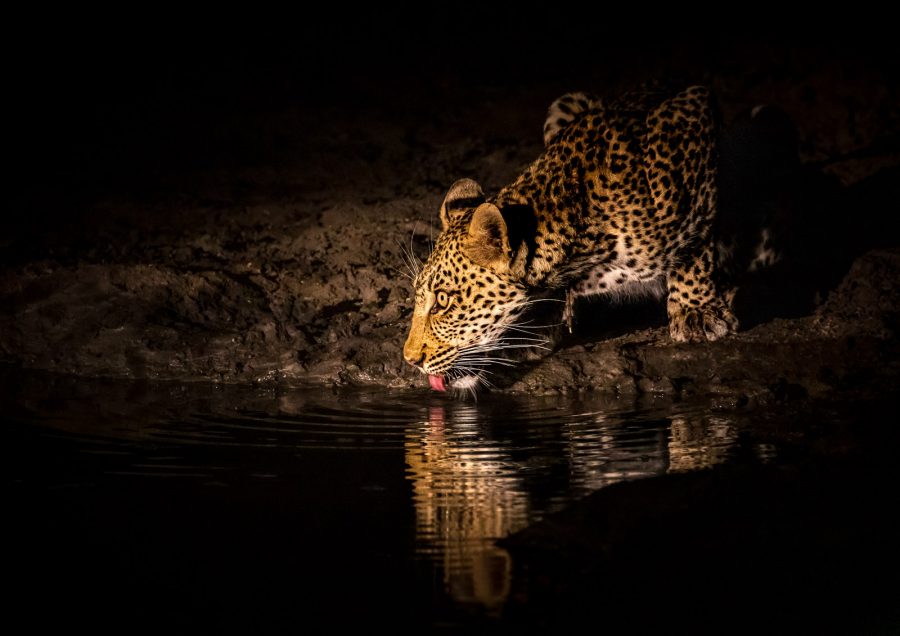
Night drives require special equipment. Vehicles are fitted with powerful spotlights, often operated by a spotter who sits on a seat mounted on the front of the vehicle. A red filter is typically used to minimize disturbance to the animals, allowing you to witness the fascinating behavior of nocturnal creatures like leopards, civets, and bush babies.
Walking Safari Support Vehicles
For multi-day walking safaris, a support vehicle transports your luggage, camping equipment, and supplies between campsites. This allows you to walk with just a light daypack, fully immersing yourself in the environment while knowing a comfortable camp and a hot meal await you at the end of the day.
Mokoros and Boats
In water-rich environments like the Okavango Delta or along the Rufiji River in Tanzania, water-based safaris are a highlight. The mokoro, a traditional dugout canoe, offers a silent, water-level perspective on the ecosystem. Motorized boats are used for longer excursions, providing excellent opportunities to see hippos, crocodiles, and the vast birdlife that congregates near water.
What to Expect on a Game Drive
Game drives are the cornerstone of the safari experience. They typically last for three to four hours and take place in the early morning and late afternoon when animals are most active.
Game Drive Etiquette
Respect for wildlife is paramount. It is essential to keep your voice low, avoid sudden movements, and never attempt to feed or touch an animal. Always follow your guide's instructions, as they are responsible for your safety and the well-being of the animals. Staying seated and within the confines of the vehicle is a critical rule, as standing up or leaning out can break the vehicle's shape and alarm the animals.
The Role of Your Driver-Guide
Your guide is in constant communication with other guides via radio, sharing information about sightings to increase your chances of seeing a wide variety of animals. They will position the vehicle for the best possible photographic angles and will patiently wait for the perfect moment to unfold. Feel free to ask questions—their knowledge of the local flora, fauna, and culture is a resource to be treasured.
In conclusion, the safari vehicle is a vital element of your journey into the African wilderness. From the immersive, open-sided 4x4s of Botswana to the versatile pop-top Land Cruisers of Tanzania, each design is purpose-built to enhance your connection with the natural world. By understanding the role these vehicles play and the features that define them, you can better prepare for the adventure of a lifetime, ensuring your comfort, safety, and ability to capture every incredible moment. '''
Need Expert Safari Guidance?
Get expert advisory support from a firm founded by a former safari guide — with real operational knowledge across 9 African countries and full-journey accountability.
Related Planning Guides
Explore Related Topics
Recommended Reading
 Safari Safety
Safari Vehicle Safety Explained
Learn the essentials of safari vehicle safety, from vehicle design and guide expertise to choosing a safe operator for your African safari adventure.
 Safari Operator Articles
Safari Operator Vehicle Standards Explained
Learn about safari operator vehicle standards explained and how it can impact your safari experience. Get expert advice and start planning your dream safari today.
 Additional Safari Topics
Safari Migration Explained
Discover the secrets of Africa\
 Safari Costs
Safari Vehicle and Guide Costs
Planning a safari? This guide breaks down safari vehicle and guide costs, covering private vs. shared options, vehicle types, and what to budget for your trip.
 Safari Travel Tips
Tipping on Safari Explained
Confused about tipping on safari? Our guide explains everything you need to know, from how much to tip guides and staff to cultural etiquette.
 Additional Safari Topics
Walking Safaris Explained
Planning a walking safari? Our guide explains everything you need to know, from top destinations like Zambia to what to expect and how to prepare for the trip.