
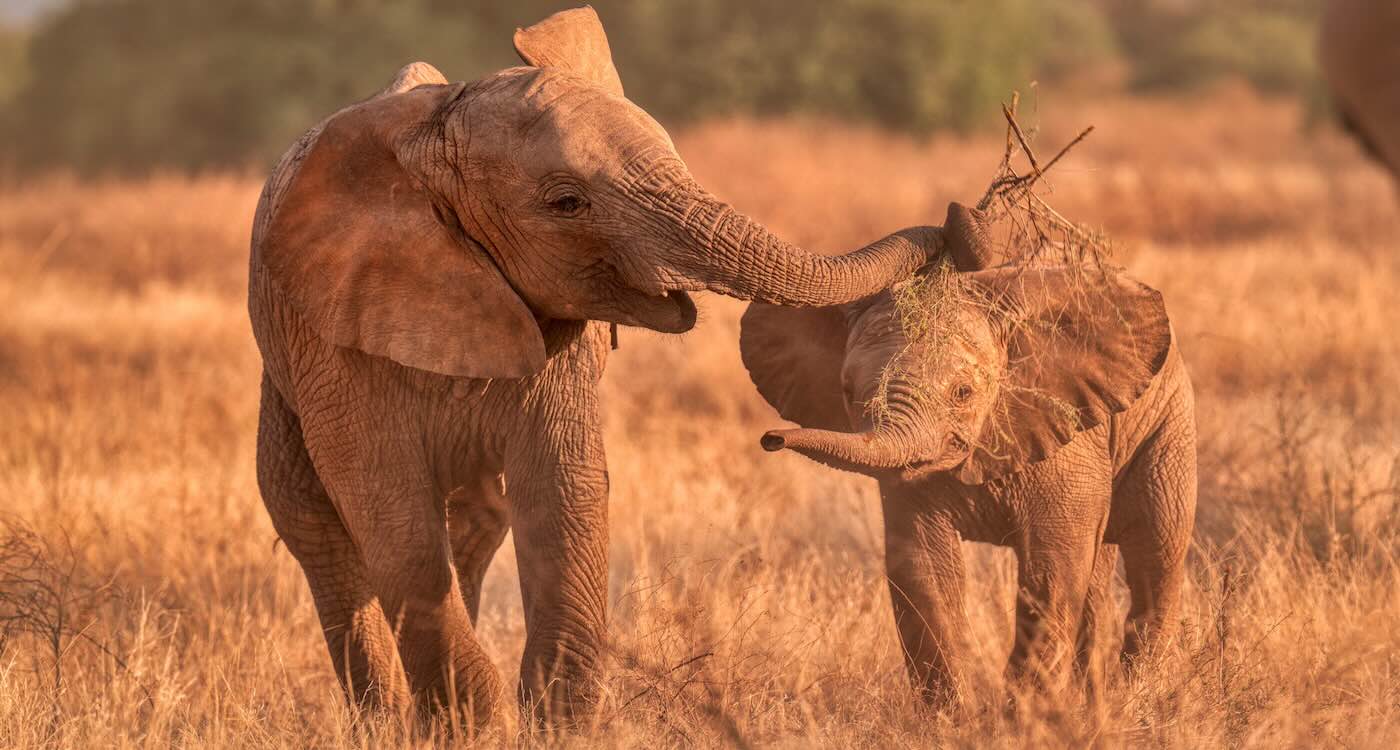
Learn about how to plan a safari that supports conservation in this comprehensive safari guide covering key insights and practical advice.
Overview
Planning a safari involves many moving parts, and how to plan a safari that supports conservation is one of the most important considerations. Whether you're a first-time visitor or a seasoned Africa traveler, this guide provides the practical knowledge you need to make informed decisions and create an unforgettable experience.
What You Need to Know
The nuances of how to plan a safari that supports conservation become apparent when you consider the range of experiences available across Africa's safari destinations. From the iconic Serengeti to the remote wilderness of Zambia's South Luangwa, each location brings its own perspective to this topic. Consulting with experienced safari operators helps you understand which options best match your preferences and expectations.
Still researching? Let us help.
Our advisory team has planned safaris across 9 African countries. We can turn your research into a real plan.
Talk to an AdvisorPractical Considerations
Implementing your understanding of how to plan a safari that supports conservation means taking concrete steps during the planning process. Research thoroughly using reliable sources, compare multiple options, and don't rush your decisions. The best safari experiences are built on careful preparation and realistic expectations. Our team of safari operators can review your plans and offer suggestions based on decades of combined experience in African travel.
Expert Perspective
The safari industry's leading voices agree that how to plan a safari that supports conservation is an area where knowledge truly makes a difference. As conservation challenges evolve and tourism patterns shift, staying informed helps travelers make choices that benefit both their experience and the destinations they visit. Browse our operator directory to connect with companies that share this commitment to informed, responsible travel.
Next Steps
Whether you're in the early stages of dreaming about an African safari or actively finalizing your plans, understanding how to plan a safari that supports conservation contributes to a more rewarding experience. Use the resources available on Safari Intelligence, including our cost calculator, operator directory, and destination library, to build confidence in your planning decisions.
Done Reading? Let's Build Your Safari.
Skip the guesswork. Work with an advisor who has been on the ground across East and Southern Africa.
Plan With UsVetting Operators: A Deeper Dive into Conservation Claims
Many safari companies claim to be eco-friendly, but discerning travelers must look for tangible evidence of a genuine commitment to conservation. Moving beyond marketing language requires a critical eye and the right questions. A truly conservation-focused operator will be transparent and proud to share the details of their initiatives.
Expert Insight: Don't be swayed by vague terms like "eco-tourism" or "green travel." Look for specific, measurable actions. Ask operators for their annual sustainability reports or impact statements. These documents provide concrete data on how their operations contribute to local ecosystems and communities.
Use this checklist to vet potential safari operators:
- Certifications and Affiliations: Are they certified by recognized third-party organizations like Fair Trade Tourism, The Long Run, or B Corp? These certifications require rigorous audits and adherence to strict social and environmental standards.
- Community Partnerships: Ask for specific examples of how they partner with local communities. Do they source produce locally? Do they support local schools or health clinics? Do they have formal agreements with community conservancies that ensure a share of tourism revenue goes directly to the local people?
- Guide Training and Employment: Where do they recruit their guides, and what training do they receive? Top-tier operators invest heavily in their guides, who are often from local communities and possess deep knowledge of the area's flora and fauna. Well-paid, professional guides are a sign of a company that values local expertise.
- Waste and Resource Management: How do they manage waste, water, and energy in their camps and lodges? Inquire about their policies on single-use plastics, their water filtration systems, and whether they utilize solar power. Responsible operators work diligently to minimize their environmental footprint in sensitive ecosystems.
Models of Conservation-Based Safari Tourism
Understanding the different models of conservation tourism can help you choose a safari that aligns with your values. Each model offers a unique way to channel tourism revenue into protecting wildlife and empowering communities.
Community Conservancies
Community conservancies are a powerful model where local communities set aside land for wildlife conservation in exchange for a share of the benefits from tourism. This approach is particularly successful in countries like Kenya and Namibia. For example, the Northern Rangelands Trust (NRT) in Kenya is an umbrella organization that supports dozens of member conservancies, helping them manage their land and wildlife effectively. When you stay at a lodge within one of these conservancies, a significant portion of your fees goes directly to the community, funding everything from education to healthcare and creating a direct economic incentive to protect wildlife.
Private Reserves and Concessions
Private reserves, often bordering national parks, play a crucial role in expanding protected areas for wildlife. These reserves, such as the Sabi Sand Game Reserve in South Africa or the Grumeti Reserves in Tanzania, are typically managed with a strong focus on conservation, funded by a low-volume, high-cost tourism model. This exclusivity means fewer vehicles and more intimate wildlife encounters. Furthermore, many private reserves invest heavily in anti-poaching patrols, habitat restoration, and wildlife research, efforts that benefit the entire ecosystem, including the adjacent national parks.
Public-Private Partnerships
In some cases, non-profit organizations partner with national governments to manage and restore national parks. A prime example is African Parks, which manages over 20 parks in 12 countries, including Akagera National Park in Rwanda and Majete Wildlife Reserve in Malawi. Before African Parks took over, Akagera was on the verge of collapse due to poaching and human-wildlife conflict. Through effective management, law enforcement, and community engagement, the park has been transformed. Lions and rhinos have been successfully reintroduced, and the park is now a source of pride and revenue for Rwanda. Choosing to visit these parks supports a proven model of large-scale ecosystem restoration.
Traveler's Tip: When planning your safari, consider a hybrid approach. Spend a few days in a national park to see its iconic landscapes and then move to an adjacent private reserve or community conservancy for a more exclusive experience and to support different conservation models. Our safari operators can help you design an itinerary that incorporates these diverse experiences.
How Your Safari Choices Create Lasting Impact
Every decision you make, from the operator you choose to the souvenirs you buy, has a ripple effect. By traveling thoughtfully, you become an active participant in the conservation economy.
- Support Local Artisans: When shopping for souvenirs, purchase items directly from local artisans or from lodge gift shops that source from community cooperatives. Avoid mass-produced trinkets and anything made from wildlife products.
- Engage Respectfully: Treat every interaction with local staff and community members as a cultural exchange. Ask questions, listen to their stories, and show respect for their traditions. This fosters mutual understanding and goodwill.
- Minimize Your Footprint: Adhere to the principles of "Leave No Trace." Do not pressure your guide to get too close to wildlife, stay on designated tracks, and carry out everything you bring in. Your guide is your best resource for understanding how to behave responsibly in the bush.
- Become a Conservation Ambassador: When you return home, share your experiences. Talk about the conservation projects you witnessed and the importance of responsible travel. Your stories can inspire others to travel more thoughtfully. Consider supporting a conservation organization you learned about during your trip. Many allow you to sponsor an animal, fund a ranger, or contribute to a specific project.
Planning a safari that supports conservation elevates your journey from a simple vacation to a meaningful investment in the future of Africa's wild places. For more guidance on creating a responsible and unforgettable safari, explore our knowledge center or start planning with one of our expert safari operators.
Need Expert Safari Guidance?
Get expert advisory support from a firm founded by a former safari guide — with real operational knowledge across 9 African countries and full-journey accountability.
Related Planning Guides
Recommended Reading
 Safari Planning Guides
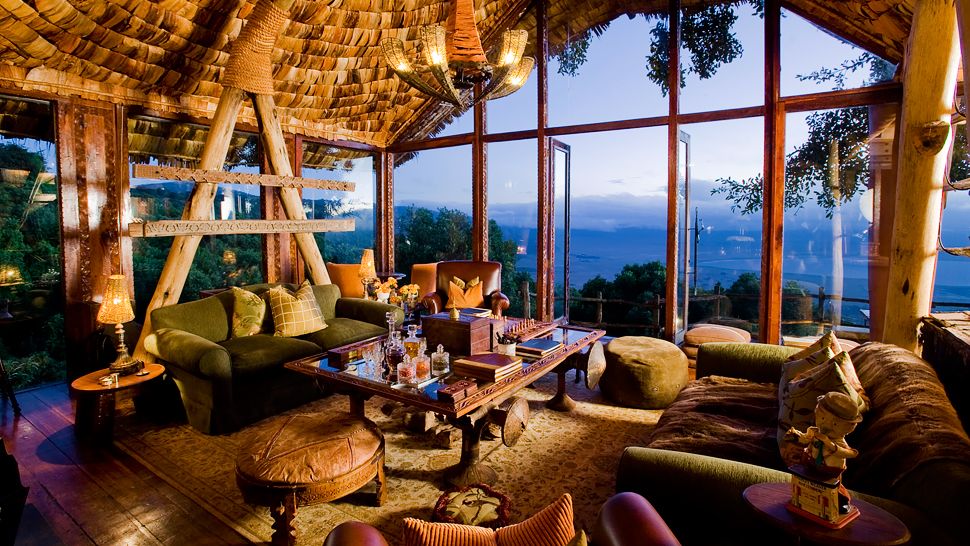
How to Plan a Safari for Conservation Volunteering
Discover how to plan your dream safari with our expert guide on How to Plan a Safari for Conservation Volunteering. Get tips on destinations, costs, and more.
 Safari Planning Guides
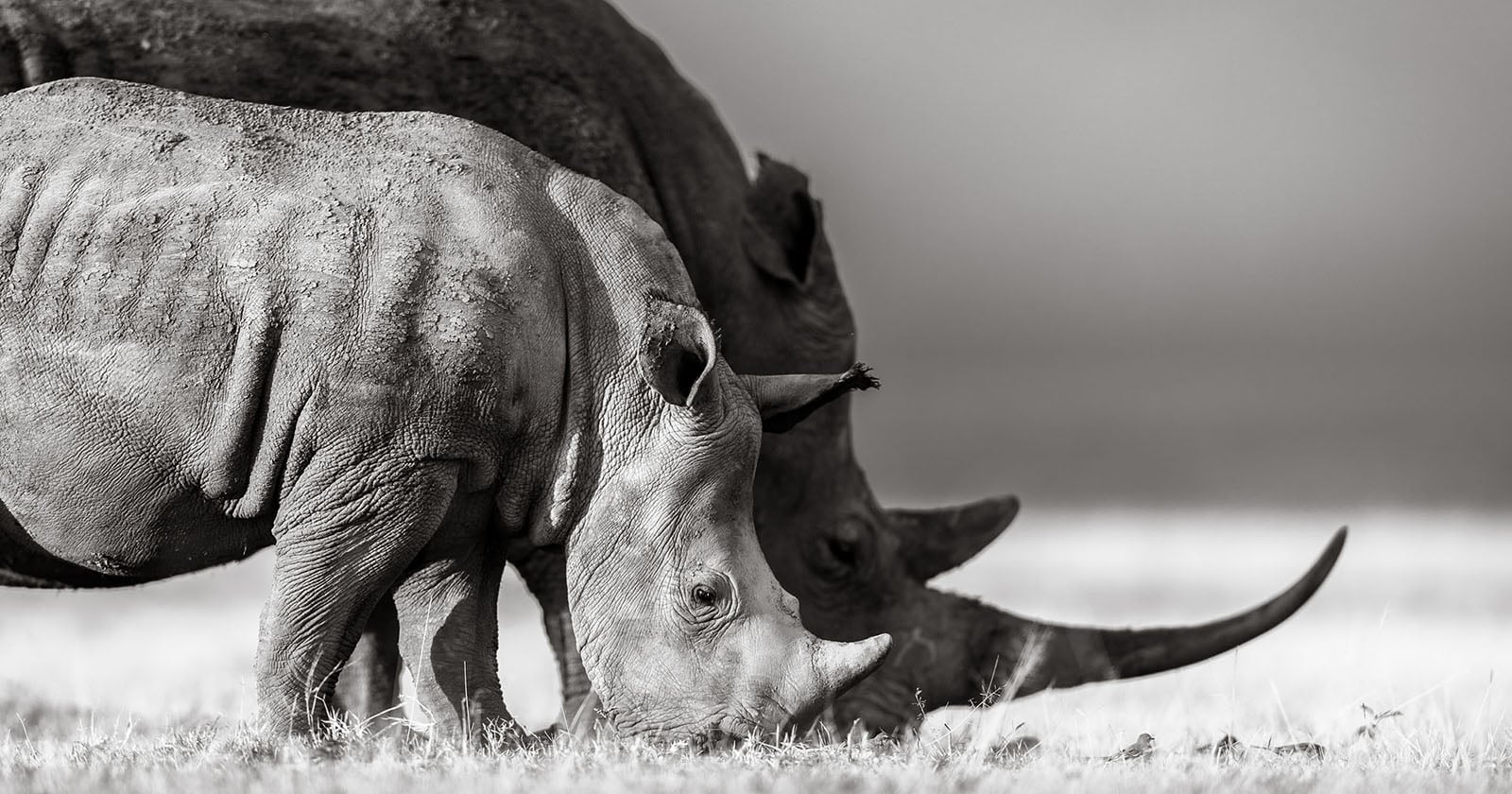
How to Plan a Safari for Rhino Conservation
Learn about how to plan a safari for rhino conservation in this comprehensive safari guide covering key insights and practical advice.
 Safari Planning Guides
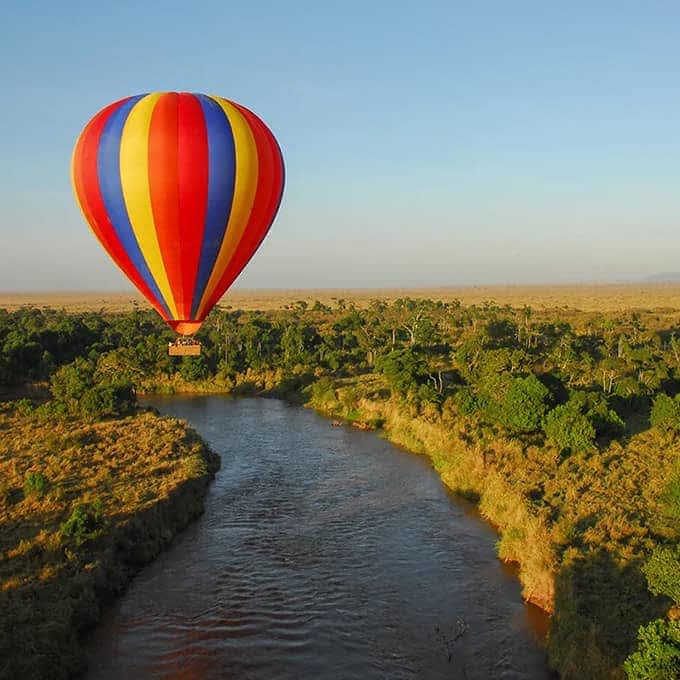
How to Plan a Safari That Supports Local Communities
Learn about how to plan a safari that supports local communities in this comprehensive safari guide covering key insights and practical advice.
 Safari Operator Articles
How Safari Operators Support Conservation
Learn how responsible safari operators contribute to wildlife conservation and how you can support their efforts.
 Safari Advisor Content
Safari Advisors and Conservation: How Expert Guidance Supports Ethical Tourism
Discover how expert safari advisors promote ethical tourism by guiding travelers to conservation-focused lodges, supporting community initiatives, and ensuring responsible wildlife encounters.
 Safari Planning
Step-by-Step Guide to Planning an African Safari
Learn how to plan your first African safari with our step-by-step guide. We cover everything from choosing a destination to booking your trip and packing.