
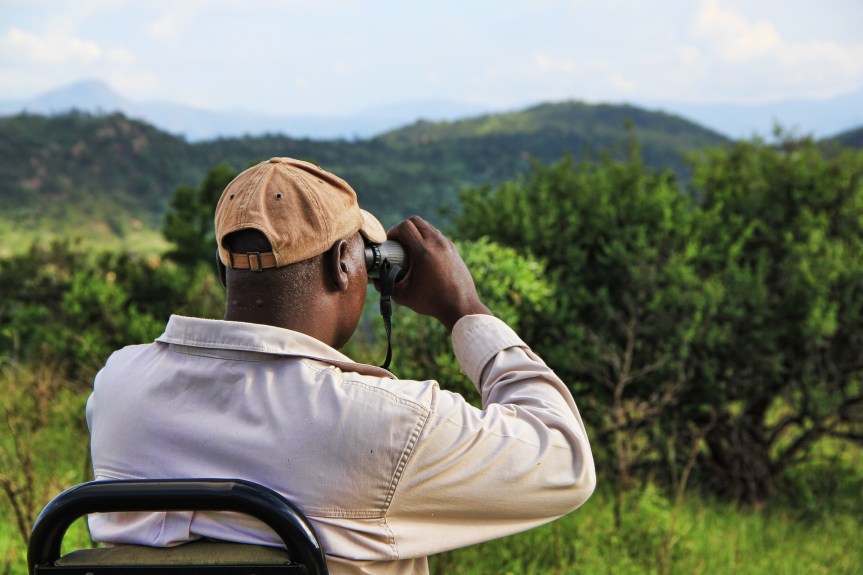
Discover the African buffalo, a key member of the Big Five. Learn about their behavior, social structure, and the top safari destinations for viewing them.
The African buffalo, a quintessential member of the iconic "Big Five," is one of the most sought-after sightings on any safari. Often underestimated, this powerful bovine is far more than just a wild cow. With a reputation for being unpredictable and formidable, the buffalo commands respect from all who encounter it, including predators like lions. Understanding the African buffalo is key to appreciating its role in the African ecosystem and ensuring a safe and rewarding safari experience. This guide delves into the world of the African buffalo, covering its behavior, social structure, and the best places to see this magnificent animal in its natural habitat.
Understanding the African Buffalo: More Than Just a "Cow"
The African buffalo (Syncerus caffer) is a large and powerful herbivore native to Africa. It is not closely related to the domestic cow and has never been domesticated, largely due to its unpredictable and often aggressive nature. There are several subspecies of African buffalo, but the most well-known is the Cape buffalo (Syncerus caffer caffer), which is the largest and most widespread. Other subspecies include the smaller forest buffalo (Syncerus caffer nanus) and the Sudanese buffalo (Syncerus caffer brachyceros).
Physical Characteristics
Cape buffalo are robust animals with a distinctive appearance. They have a stocky build, a dark brown or black coat, and large, drooping ears. Their most prominent feature is their massive, curved horns, which are fused at the base to form a solid bone shield across the forehead known as a "boss." Both males and females have horns, but the horns of males are larger and more developed, with a more pronounced boss. An adult male buffalo can stand over 5 feet tall at the shoulder and weigh up to 2,000 pounds.
Habitat and Diet
African buffalo are incredibly adaptable and can be found in a wide range of habitats, from dense forests and woodlands to open savannas and grasslands. They are dependent on water and must drink daily, so they are typically found in areas with permanent water sources. Buffalo are bulk grazers, and their diet consists mainly of grass. They have a specialized digestive system that allows them to process large quantities of tough, fibrous vegetation.
Buffalo Behavior and Social Structure
African buffalo are highly social animals and live in large, mixed herds that can number in the thousands. These herds are not just random gatherings; they have a complex social structure and hierarchy. The core of the herd is made up of related females and their offspring. Males have a separate dominance hierarchy, with the most dominant males having preferential access to females for mating.
Herd Dynamics
The size of a buffalo herd can vary depending on the season and the availability of resources. In the dry season, when food and water are scarce, herds tend to be larger and more concentrated around water sources. In the wet season, when resources are more abundant, the large herds may split into smaller subgroups. Within the herd, there is a strong sense of cooperation and mutual defense. When threatened by predators, the herd will form a protective circle around the young and vulnerable members, facing outwards with their formidable horns.
Communication
Buffalo communicate through a variety of vocalizations, body language, and scent marking. They emit a range of sounds, from low grunts and bellows to loud, explosive snorts when alarmed. Body language, such as head and tail position, is also used to convey information within the herd. Scent marking, through urination and defecation, is used to mark territory and communicate reproductive status.
Still researching? Let us help.
Our advisory team has planned safaris across 9 African countries. We can turn your research into a real plan.
Talk to an AdvisorThe "Big Five" and the Buffalo's Reputation
The term "Big Five" was originally coined by big-game hunters to refer to the five most difficult and dangerous animals to hunt on foot in Africa: the lion, leopard, elephant, rhinoceros, and African buffalo. The buffalo's inclusion in this group is a testament to its formidable nature. While they may appear docile from a distance, buffalo are known for their unpredictable and aggressive behavior, especially when threatened or injured.
A Formidable Opponent
Buffalo are responsible for more hunter deaths in Africa than any other animal. They are known to be cunning and vindictive, often circling back on their tracks to ambush a pursuer. Their thick bosses and massive horns make them incredibly difficult to bring down, and a wounded buffalo is one of the most dangerous animals in the bush. This reputation has earned them the nickname "The Black Death" in some parts of Africa.
Where to See African Buffalo: Top Safari Destinations
African buffalo are widespread throughout sub-Saharan Africa, and there are many excellent destinations for seeing them on safari. Some of the best places to see large herds of buffalo include:
Tanzania
- Serengeti National Park: The vast plains of the Serengeti are home to enormous herds of buffalo, often seen grazing alongside wildebeest and zebra.
- Ngorongoro Crater: The unique ecosystem of the Ngorongoro Crater supports a large and healthy population of buffalo.
- Katavi National Park: This remote and wild park is known for its huge herds of buffalo, especially during the dry season when they congregate around the remaining water sources.
Botswana
- Chobe National Park: Chobe is famous for its massive elephant herds, but it is also an excellent place to see large numbers of buffalo, particularly along the Chobe River.
South Africa
- Kruger National Park: Kruger is one of the best places in Africa for a Big Five safari, and buffalo are a common sight throughout the park.
Zambia
- South Luangwa National Park: This park is known for its walking safaris, which offer a unique and thrilling way to encounter buffalo on foot (with an experienced guide, of course).
Buffalo on Safari: Viewing Tips and Safety
Viewing African buffalo on safari is an unforgettable experience, but it is important to do so safely and responsibly. Here are a few tips for watching buffalo in the wild:
- Keep a safe distance: Always maintain a respectful distance from buffalo, whether you are in a vehicle or on a walking safari. Never approach them on foot.
- Stay in the vehicle: When viewing buffalo from a vehicle, remain inside at all times. Do not hang out of windows or stand on the roof.
- Be aware of your surroundings: Buffalo can be surprisingly well-camouflaged, especially in dense bush. Be aware of your surroundings and listen for any warning signs, such as snorting or stamping.
- Listen to your guide: Your safari guide is an expert in animal behavior and will know how to interpret the signs and keep you safe. Always follow their instructions.
Done Reading? Let's Build Your Safari.
Skip the guesswork. Work with an advisor who has been on the ground across East and Southern Africa.
Plan With UsConservation Status and Threats
The African buffalo is currently listed as "Near Threatened" by the International Union for Conservation of Nature (IUCN). While they are still numerous and widespread, their populations are declining in some areas due to habitat loss, disease, and poaching. Conservation efforts are underway to protect buffalo populations and their habitats, including anti-poaching patrols, community-based conservation programs, and the establishment of protected areas.
In conclusion, the African buffalo is a truly magnificent and complex animal that plays a vital role in the African ecosystem. By understanding their behavior and treating them with the respect they deserve, you can have a safe and unforgettable experience watching these incredible animals on your next African safari.
Need Expert Safari Guidance?
Get expert advisory support from a firm founded by a former safari guide — with real operational knowledge across 9 African countries and full-journey accountability.
Related Planning Guides
Explore Related Topics
Recommended Reading
 Wildlife Guides
Complete Guide to African Buffalo Herds
Learn all about Complete Guide to African Buffalo Herds in this comprehensive guide. Discover the best time to go, what to see, and how to plan your trip.
 Safari Safety
Is African Safari Safe for Travelers?
Is an African safari safe? Our expert guide covers the real risks, safety measures, and practical advice to help you plan a secure and unforgettable journey.
 Wildlife Guides
Leopards on Safari – What to Know
Planning a safari? Learn what to know about leopards, from their behavior and the best places to see them in Africa to how to spot these elusive big cats.
 Wildlife Guides
Hippos on Safari
Discover the fascinating world of hippos on safari. Learn about their behavior, social lives, and the best places in Africa to see these magnificent animals safely.
 Safari Planning
Choosing the Right African Safari Destination
Planning an African safari? Our guide helps you choose the right destination by breaking down key factors like wildlife, budget, travel style, and top countries.
 Safari Costs
Cheapest Safari Destinations in Africa
Discover the most affordable safari destinations in Africa. Our guide provides expert tips on budget-friendly countries, parks, and travel seasons for an unforgettable wildlife adventure.