
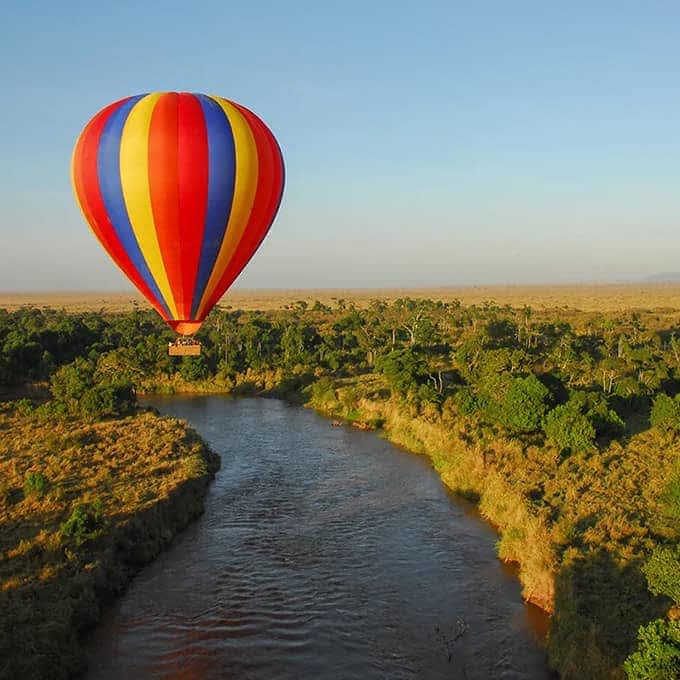
Learn about how to plan a safari that supports local communities in this comprehensive safari guide covering key insights and practical advice.
Overview
Planning a safari involves many moving parts, and how to plan a safari that supports local communities is one of the most important considerations. Whether you're a first-time visitor or a seasoned Africa traveler, this guide provides the practical knowledge you need to make informed decisions and create an unforgettable experience.
What You Need to Know
The nuances of how to plan a safari that supports local communities become apparent when you consider the range of experiences available across Africa's safari destinations. From the iconic Serengeti to the remote wilderness of Zambia's South Luangwa, each location brings its own perspective to this topic. Consulting with experienced safari operators helps you understand which options best match your preferences and expectations.
Still researching? Let us help.
Our advisory team has planned safaris across 9 African countries. We can turn your research into a real plan.
Talk to an AdvisorPractical Considerations
From a practical standpoint, how to plan a safari that supports local communities requires attention to both the big picture and the small details. Start by establishing your priorities: what matters most to you on safari? Is it the wildlife, the landscape, the cultural experience, or the level of comfort? Once you've clarified your goals, use our cost calculator to understand the financial implications and our operator directory to find companies that specialize in your preferred type of experience.
Expert Perspective
The safari industry's leading voices agree that how to plan a safari that supports local communities is an area where knowledge truly makes a difference. As conservation challenges evolve and tourism patterns shift, staying informed helps travelers make choices that benefit both their experience and the destinations they visit. Browse our operator directory to connect with companies that share this commitment to informed, responsible travel.
Next Steps
Whether you're in the early stages of dreaming about an African safari or actively finalizing your plans, understanding how to plan a safari that supports local communities contributes to a more rewarding experience. Use the resources available on Safari Intelligence, including our cost calculator, operator directory, and destination library, to build confidence in your planning decisions.
Done Reading? Let's Build Your Safari.
Skip the guesswork. Work with an advisor who has been on the ground across East and Southern Africa.
Plan With UsThe Rise of Community-Owned Conservancies
A powerful model for conservation and community empowerment is the rise of community-owned wildlife conservancies. These are areas of land, often bordering national parks, that are owned and managed by the local communities themselves. Instead of selling their ancestral lands for agriculture or development, communities partner with conservation organizations and tourism operators to protect wildlife and generate income from sustainable tourism.
This model creates a direct link between wildlife preservation and economic benefit. When a traveler visits a community-owned conservancy, a significant portion of the fees paid for accommodation and park entry goes directly to the community. This revenue funds essential services like schools, healthcare clinics, and clean water projects. It also creates employment opportunities for local people as guides, trackers, camp staff, and anti-poaching rangers.
> Expert Insight: Community conservancies are a win-win for wildlife and people. They expand the habitat available for animals to roam freely, reducing human-wildlife conflict and creating vital corridors between protected areas. For travelers, they offer a more exclusive and intimate safari experience, with lower vehicle densities and a deeper connection to the land and its people.
Case Study: The Maasai Wilderness Conservation Trust
A prime example of this model in action is the Maasai Wilderness Conservation Trust (MWCT) in Kenya's Chyulu Hills. This pioneering organization has created a partnership between professional conservationists and Maasai leaders to protect the region's rich biodiversity while creating sustainable livelihoods for the Maasai people.
MWCT's success is built on a foundation of community ownership and participation. The trust funds and operates a range of programs, including:
- Wildlife for Water: A program that rewards the community for protecting wildlife by investing in water infrastructure.
- Conservation and Ecotourism: Supporting community-owned lodges like Campi ya Kanzi, where tourism revenue directly funds conservation and community projects.
- Education and Healthcare: Building schools and clinics to improve the well-being of the Maasai people.
- Carbon Credits: Generating revenue from the protection of forests, which helps to fund conservation efforts.
Through these initiatives, MWCT has demonstrated that conservation can be a powerful engine for economic development. The trust has not only protected iconic species like lions and elephants but has also empowered the Maasai community to thrive, not just survive.
How to Identify and Support Community-Focused Safari Operators
As a conscious traveler, you have the power to support these vital initiatives. Here are some practical tips for identifying and choosing safari operators that are genuinely committed to community empowerment:
- Look for Fair Trade Tourism certification: This independent certification program audits and accredits tourism businesses that meet strict criteria for fair wages, ethical business practices, and respect for human rights and the environment.
- Ask about community partnerships: Reputable operators will be transparent about their relationships with local communities. Ask specific questions about how they contribute to community development, such as the percentage of revenue that goes to the community, the number of local people they employ, and the specific projects they support.
- Choose lodges and camps located in community conservancies: By staying in a community-owned conservancy, you can be sure that your tourism dollars are making a direct contribution to the local community.
- Seek out cultural experiences that are authentic and respectful: Avoid "poverty tourism" or staged cultural encounters. Instead, look for opportunities to engage with the local community in a meaningful way, such as visiting a local market, school, or women's cooperative.
> Traveler's Tip: Don't be afraid to ask tough questions! A truly responsible operator will welcome your interest in their community and conservation efforts. If an operator is vague or evasive, it may be a red flag.
Beyond the Game Drive: Engaging with Local Culture Respectfully
A safari that supports local communities goes beyond simply choosing the right operator. It also involves engaging with the local culture in a way that is respectful and mutually beneficial. Here are some ways to do that:
- Learn a few words of the local language: A simple "hello" or "thank you" in the local dialect can go a long way in showing respect and building rapport.
- Ask for permission before taking photographs: Always ask for permission before taking someone's picture, and be prepared to offer a small token of appreciation in return.
- Shop at local markets and cooperatives: Buying souvenirs and crafts directly from local artisans ensures that your money goes directly into their hands.
- Be mindful of your dress and behavior: Dress modestly, especially when visiting rural communities or religious sites. Be aware of local customs and traditions, and always act with respect and humility.
By following these simple guidelines, you can ensure that your interactions with the local community are positive and enriching for everyone involved. For more guidance, our safari operators can provide detailed cultural briefings for your chosen destination.
The Economic Ripple Effect of Your Safari
The positive impact of a community-focused safari extends far beyond the boundaries of the conservancy or lodge. Your tourism dollars create a ripple effect that can be felt throughout the local economy. For example:
- Local suppliers: Lodges and camps purchase food, building materials, and other supplies from local businesses, creating a multiplier effect that supports a wide range of industries.
- Indirect employment: The tourism industry supports a host of indirect jobs, from taxi drivers and mechanics to tailors and hairdressers.
- Infrastructure development: Tourism revenue can be used to fund the development of roads, bridges, and other infrastructure that benefits the entire community.
By choosing a safari that supports local communities, you are not just buying a vacation – you are making an investment in the future of Africa. You are helping to create a world where people and wildlife can coexist and thrive, and where tourism is a force for good.
Actionable Steps for the Conscious Traveler
Ready to start planning a safari that makes a difference? Here are some concrete steps you can take:
- Educate yourself: Use our knowledge center to learn more about the different models of community-based conservation and the specific challenges and opportunities in your chosen destination.
- Use our cost calculator: Get a transparent breakdown of the costs involved in a safari, and see how your money can be allocated to support community and conservation initiatives.
- Connect with a safari planning guide: Our expert advisors can help you design a custom itinerary that aligns with your values and interests, and connect you with operators who are making a real difference on the ground.
By planning your safari with intention and care, you can create a travel experience that is not only unforgettable but also deeply meaningful. Plan your safari with us and discover the power of travel to change the world.
Need Expert Safari Guidance?
Get expert advisory support from a firm founded by a former safari guide — with real operational knowledge across 9 African countries and full-journey accountability.
Related Planning Guides
Recommended Reading
 Safari Operator Articles
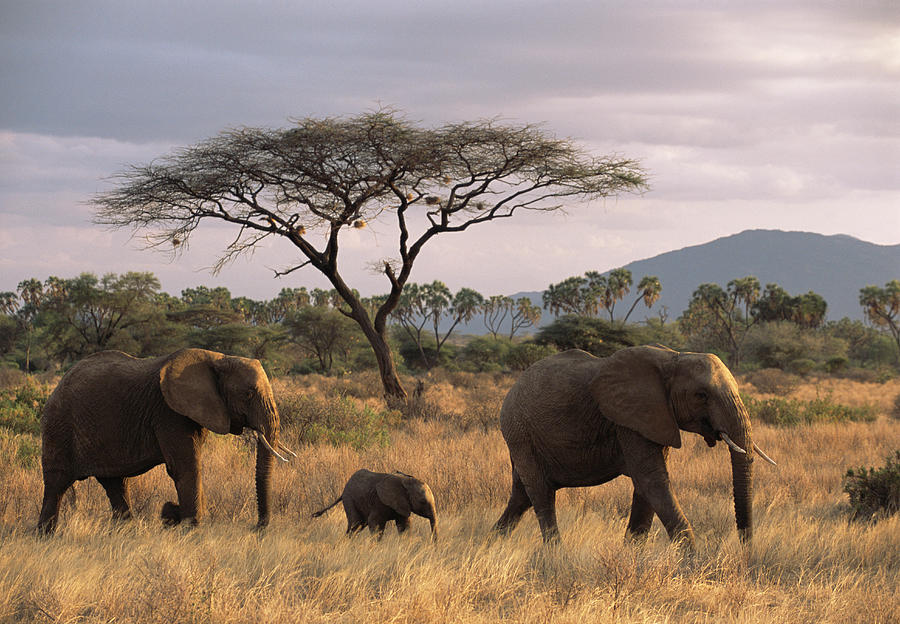
How Safari Operators Support Local Communities
Discover how responsible safari operators can empower local communities and how you can choose an operator that makes a positive impact.
 Safari Planning Guides
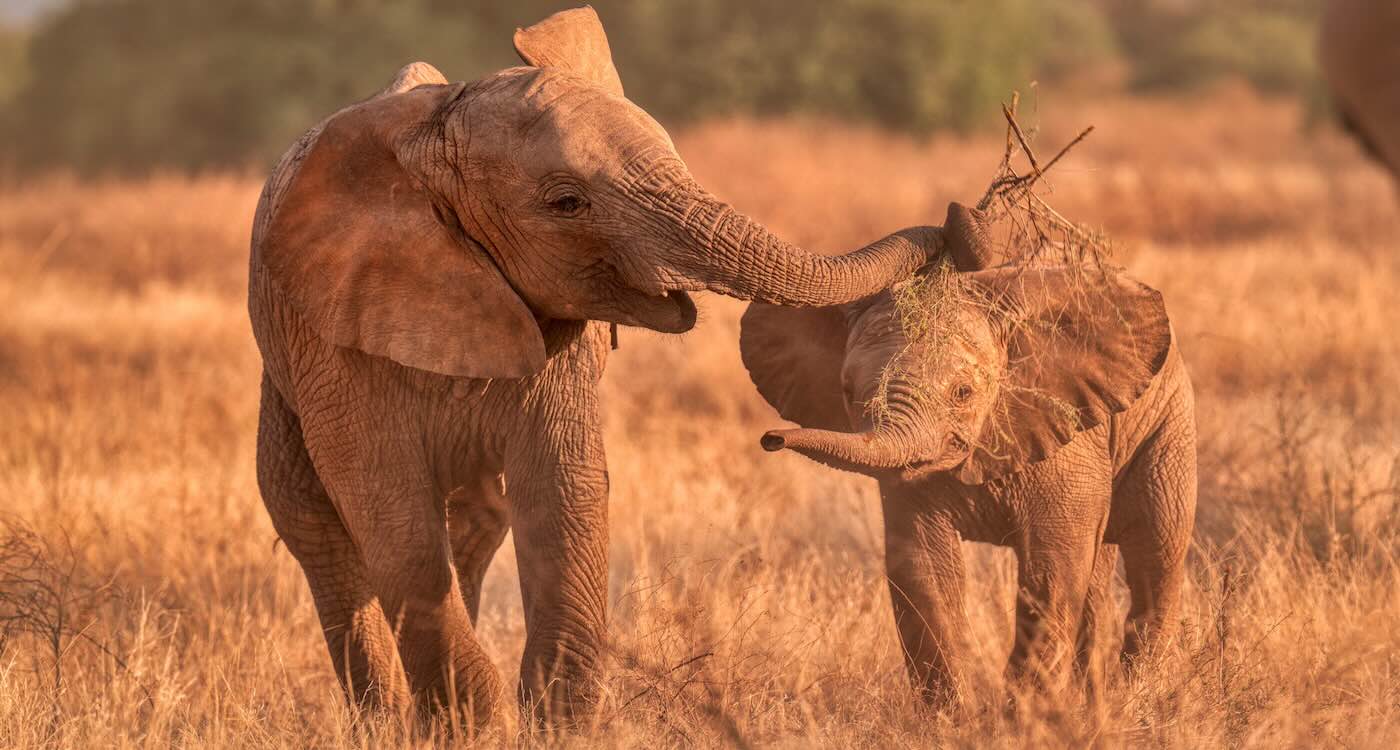
How to Plan a Safari That Supports Conservation
Learn about how to plan a safari that supports conservation in this comprehensive safari guide covering key insights and practical advice.
 Safari Planning Guides
Safari Planning Guide for First-Time Travelers
Discover how to plan your dream safari with our expert guide on Safari Planning Guide for First-Time Travelers. Get tips on destinations, costs, and more.
 Safari Planning Guides
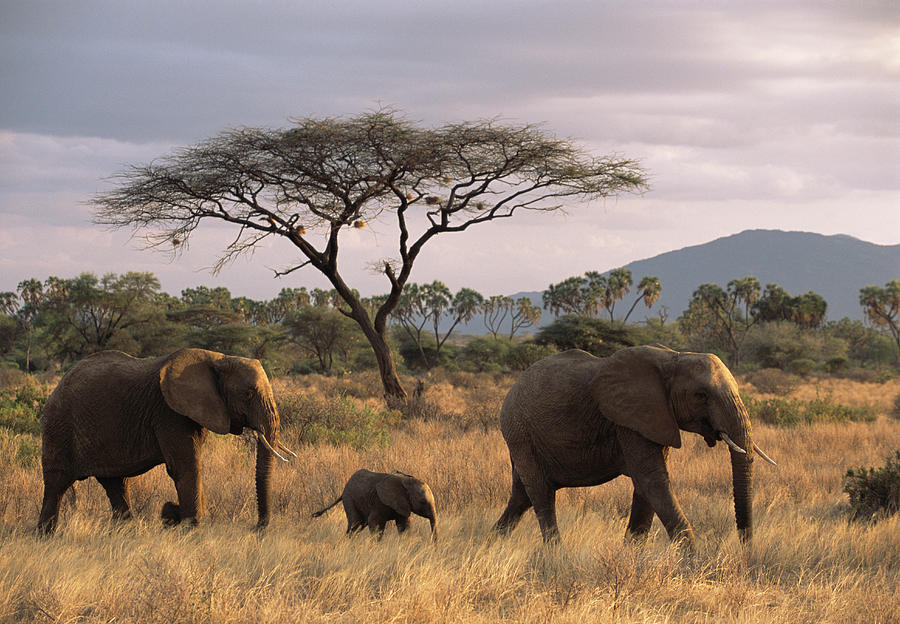
Safari Planning Guide for Returning Travelers
Discover how to plan your dream safari with our expert guide on Safari Planning Guide for Returning Travelers. Get tips on destinations, costs, and more.
 Safari Operator Articles
International Safari Operators vs Local Safari Operators
A comparison of international and local safari operators to help you decide which is the right choice for your African safari.
 Safari Planning
Step-by-Step Guide to Planning an African Safari
Learn how to plan your first African safari with our step-by-step guide. We cover everything from choosing a destination to booking your trip and packing.