
National Parks vs Private Reserves: Understand the key differences in cost, exclusivity, and activities to choose the right safari experience for your trip.
When planning an African safari, one of the most significant decisions you'll make is choosing between staying in a national park or a private game reserve. While both offer incredible wildlife viewing opportunities, they provide distinctly different experiences. Understanding these differences is key to designing a safari that aligns with your priorities, whether you're seeking flexibility, exclusivity, or a wider range of activities. This guide will walk you through the key distinctions to help you make an informed choice for your adventure.
The Core Differences: A Quick Overview
At first glance, national parks and private reserves might seem similar—both are vast, protected areas of wilderness teeming with wildlife. However, the primary distinction lies in ownership and regulation. This fundamental difference shapes everything from your accommodation options and daily activities to the very nature of your wildlife encounters.
What is a National Park?
National parks are government-owned and managed conservation areas. They are established to protect the country's natural heritage and are open to the public for tourism. Iconic destinations like the Serengeti in Tanzania, Kruger National Park in South Africa, and Etosha National Park in Namibia are world-renowned for their scale and biodiversity. Because they are public lands, they are governed by a strict set of rules designed to protect the environment and manage the high volume of visitors. These regulations include set gate times, designated road networks, and restrictions on off-road driving.
What is a Private Game Reserve?
Private game reserves, as the name suggests, are privately owned and managed. These reserves are often adjacent to national parks, sometimes sharing unfenced borders that allow animals to roam freely between them. For example, the Sabi Sand Game Reserve shares a 31-mile (50-kilometer) unfenced boundary with Kruger National Park. The key advantage of private reserves is the autonomy they have in setting their own rules. This creates a more exclusive and flexible safari experience, as they cater to a much smaller number of guests and are not bound by the same public access regulations.
Accommodation and Exclusivity
Your choice between a national park and a private reserve will significantly influence your accommodation style and the level of privacy you experience.
Lodges and Camps in National Parks
Accommodations within national parks range from public campsites and self-catering chalets to larger, hotel-style lodges. While some parks, like the Serengeti, feature a selection of high-quality tented camps, they generally cater to a broader range of budgets and a higher volume of travelers. This means you'll likely share your sightings and common areas with more people. The emphasis is on accessibility to the park's natural wonders rather than on providing an intimate or luxurious lodging experience.
The Private Reserve Advantage
Private reserves are synonymous with exclusivity. They typically host a small number of intimate, high-end lodges or tented camps, often with a limit on the number of guests allowed in the entire reserve. This low-density tourism model ensures a sense of seclusion and personalized service. For instance, a lodge in a private reserve might have only 8-12 rooms, and game drive vehicles are often limited to just a few at any single wildlife sighting. This exclusivity is a core part of the appeal for travelers seeking a more personal and tranquil safari.
Still researching? Let us help.
Our advisory team has planned safaris across 9 African countries. We can turn your research into a real plan.
Talk to an AdvisorGame Drives and Wildlife Viewing
The rules governing vehicle movement and guest numbers create the most significant day-to-day differences in your safari experience.
The National Park Experience
In national parks, all game drives are restricted to a network of marked roads. Off-road driving is strictly prohibited to protect the fragile ecosystem. While these road networks are extensive and well-planned to cover prime wildlife areas, it can sometimes be challenging to get close to animals that are further from the road. During peak season, popular sightings, such as a leopard in a tree, can attract a convergence of vehicles, creating what is sometimes called a "lion jam." Furthermore, all vehicles must return to their lodges or campsites by a set time, usually around sunset, meaning night drives are not permitted.
Flexibility in Private Reserves
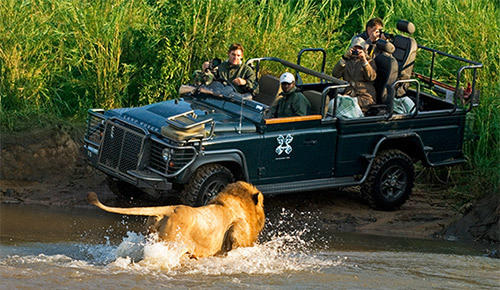
This is where private reserves truly shine. With fewer vehicles and greater operational freedom, guides in private reserves can go off-road to track animals and secure better viewing positions. If a pride of lions is resting in the bush far from the road, your guide can navigate through the terrain to bring you right to the action. This flexibility dramatically enhances the intimacy and quality of wildlife encounters. Additionally, since they are not bound by national park gate times, private reserves offer night game drives, providing a fascinating opportunity to see nocturnal animals like genets, civets, and the elusive leopard on the move.
Activities Beyond the Game Drive
A safari is more than just game drives. The ability to engage in other activities can add rich layers to your experience.
What National Parks Offer
Due to conservation rules, activities within national parks are generally limited to vehicle-based game drives. Some parks may offer designated, fenced picnic spots or viewpoints where you can get out of your vehicle. Guided walking safaris are sometimes available but are often restricted to specific zones and must be arranged with certified guides. In general, the focus remains on viewing wildlife from the safety of a vehicle.
Expanded Options in Private Reserves
Private reserves offer a much broader array of activities. Guided bush walks are a staple, allowing you to connect with the environment on a more intimate level, learning about tracks, plants, and smaller creatures you might miss from a vehicle. Other potential activities include horseback safaris, fly-camping (sleeping out in a simple tent in the wilderness), and cultural visits to local communities. This variety allows for a more holistic and immersive safari experience that goes beyond traditional game viewing.
Cost and Value
It's no surprise that the exclusivity and flexibility of a private reserve come at a higher price point, but it's essential to understand what you are paying for.
Budgeting for a National Park Safari
Safaris in national parks are generally more budget-friendly. Park entry fees are lower, and the wider range of accommodation, including self-catering and camping options, makes it accessible to more travelers. A safari based in a national park can deliver outstanding value, providing access to some of the world's greatest wildlife spectacles without the premium price tag of a private reserve.
Understanding the Price of Private Reserves
The cost of a private reserve safari is all-inclusive, covering not just your accommodation but also all meals, drinks, and safari activities (game drives, walks, etc.). When you factor in the exclusivity, the expertise of the guides, the quality of the lodging and cuisine, and the unparalleled flexibility in wildlife viewing, the higher cost reflects a significant increase in the quality and intimacy of the experience. You are paying for privacy and a deeper, more personal connection to the wild.
Done Reading? Let's Build Your Safari.
Skip the guesswork. Work with an advisor who has been on the ground across East and Southern Africa.
Plan With UsMaking the Right Choice for You
Ultimately, the best option depends on your personal preferences, budget, and what you want to get out of your safari.
Who Should Choose a National Park?
A national park is an excellent choice for:
- First-time safari-goers who want to see iconic, vast landscapes like the Serengeti or Kruger.
- Budget-conscious travelers looking for a more affordable yet incredible wildlife experience.
- Self-drivers and campers who enjoy independence and a sense of adventure.
- Travelers focused on specific phenomena, like the Great Migration in the Maasai Mara or Serengeti, where the sheer scale of the park is part of the spectacle.
Who Should Opt for a Private Reserve?
A private reserve is ideal for:
- Discerning travelers seeking exclusivity, privacy, and personalized service.
- Photographers who need the flexibility of off-road driving and optimal positioning for the perfect shot.
- Experienced safari enthusiasts who have already visited national parks and are looking for a more intimate and in-depth experience.
- Travelers who want more than just game drives, with an interest in walking safaris, night drives, and other unique activities.
Choosing between a national park and a private game reserve isn't about which is "better," but which is the right fit for your specific travel style and goals. Many of the best safari itineraries combine both, offering a balanced experience that captures the best of each world. For example, you might spend a few days in the Serengeti National Park to witness the Great Migration before moving to an adjacent private reserve for more intimate game viewing and walking safaris. By understanding their unique offerings, you can better tailor your journey and create the African safari of your dreams.
Need Expert Safari Guidance?
Get expert advisory support from a firm founded by a former safari guide — with real operational knowledge across 9 African countries and full-journey accountability.
Related Planning Guides
Explore Related Topics
Recommended Reading
 Safari Comparison Articles
South Africa Private Reserves vs National Parks
Discover the differences between staying in a private game reserve versus a national park in South Africa. This guide covers factors like cost, exclusivity, and safari activities to help you choose.
 Safari Cost Guides
Why Private Concessions Cost More Than National Parks
Learn about why private concessions cost more than national parks in this comprehensive safari guide covering key insights and practical advice.
 Safari Comparison Articles
Private Conservancy vs National Park Safari
Learn about private conservancy vs national park safari in this comprehensive safari guide covering key insights and practical advice.
 National Park Guides
Samburu National Reserve Guide
Discover the wonders of Samburu National Reserve, home to the Samburu Special Five. Our guide covers wildlife, when to visit, and cultural experiences.
 Destination Guides
Mikumi National Park: An Accessible Safari
Discover Mikumi National Park, an accessible and affordable safari destination in Tanzania. Learn about its wildlife, activities, and when to visit.
 Destination Guides
Shimba Hills National Reserve: Coastal Rainforest
A complete guide to Complete Guide to Shimba Hills National Reserve. Learn about the wildlife, activities, and best time to visit this amazing destination.