
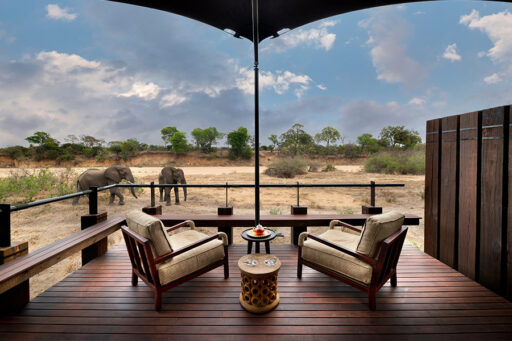
A complete guide to Complete Guide to Shimba Hills National Reserve. Learn about the wildlife, activities, and best time to visit this amazing destination.
A Unique Coastal Ecosystem
Shimba Hills National Reserve is a small but beautiful reserve located just a short drive from the beaches of the Kenyan coast. It is one of the last remaining coastal rainforests in East Africa and is home to a number of rare and endangered species. The reserve's lush, green hills offer a refreshing contrast to the heat of the coast. For more on unique ecosystems, visit our knowledge center.
The Sable Antelope
Shimba Hills is the only place in Kenya where you can see the magnificent sable antelope. This large and handsome antelope has long, curved horns and a striking black and white coat. The reserve is a vital sanctuary for this rare and beautiful animal. Our safari operators can help you plan a trip that maximizes your chances of seeing the sable antelope.
Still researching? Let us help.
Our advisory team has planned safaris across 9 African countries. We can turn your research into a real plan.
Talk to an AdvisorSheldrick Falls
A highlight of a visit to Shimba Hills is a walk to Sheldrick Falls. The walk takes you through the beautiful forest to a spectacular 21-meter waterfall. You can swim in the cool, clear water at the base of the falls and enjoy a picnic in the shade of the trees. It is a great way to cool off after a morning of game viewing. Explore more active safari experiences on our destinations page.
Planning Your Shimba Hills Excursion
Shimba Hills is a great destination for a day trip from the coastal resorts of Diani or Mombasa. The best time to visit is during the dry season, from June to October. The reserve can be explored by vehicle or on foot with a ranger guide. To get an idea of the costs for a trip to Shimba Hills, use our cost calculator. Our team can help you plan a fun and rewarding excursion to this beautiful coastal reserve.
Beyond the Sable: Other Wildlife Encounters
While the sable antelope is the star attraction, Shimba Hills is far from a one-animal wonder. The reserve is a crucial corridor for elephants, and you are likely to see herds moving through the forested landscape. In fact, the elephant population here is so dense that it sometimes exceeds the park's carrying capacity, leading to important conservation management discussions with the Kenya Wildlife Service (KWS).
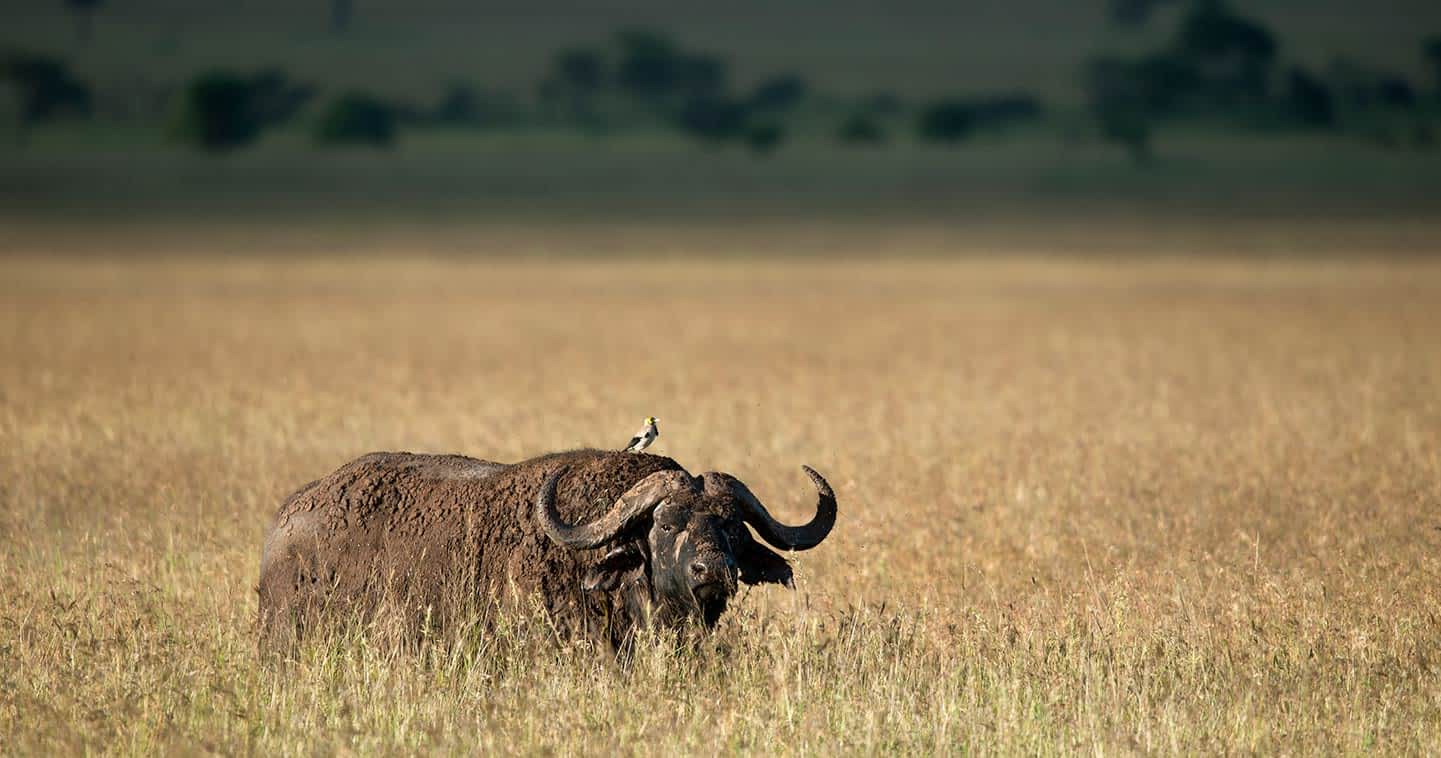
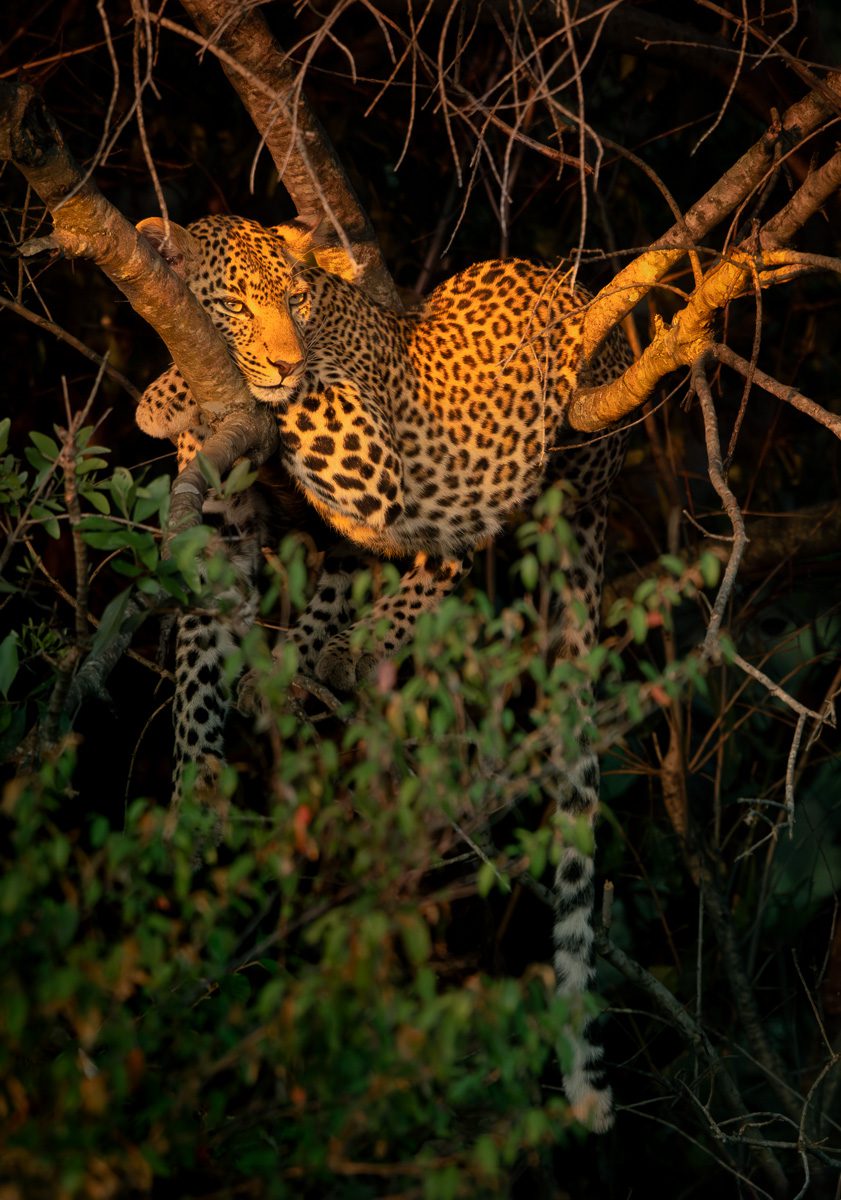
Keep an eye out for giraffes, buffalos, and waterbucks, particularly in the grasslands. While more elusive, leopards also inhabit the dense forest, though sightings are rare and require a bit of luck. Birdwatchers will be delighted by the rich avian life, which includes the Red-necked Spurfowl, Croaking Cisticola, and Zanzibar Red Bishop. The forest canopy and open glades provide diverse habitats for over 100 bird species, making it a rewarding stop for ornithology enthusiasts.
Done Reading? Let's Build Your Safari.
Skip the guesswork. Work with an advisor who has been on the ground across East and Southern Africa.
Plan With UsA Sample Day Trip from Diani Beach
To make your visit tangible, consider this example itinerary. Your day could start with a 7:00 AM pickup from your Diani hotel for the 45-minute drive to the Shimba Hills main gate. Upon entry, you'll begin a slow game drive, focusing on the open grasslands near the entrance where sable antelope are often spotted grazing in the cool morning air.
By mid-morning, you'll meet a KWS ranger for a guided walk down to Sheldrick Falls. The 45-minute trek is a fantastic opportunity to learn about the unique flora and the smaller inhabitants of the forest. After a refreshing swim at the waterfall's plunge pool, you'll return to your vehicle for a picnic lunch. The afternoon is dedicated to exploring the western part of the reserve, seeking out elephants and giraffes before starting your journey back to the coast around 4:00 PM, returning you to your hotel in time for sunset. This well-paced day trip typically costs between $150 to $250 per person, including park fees, transport, and a guide.
Where to Stay: Lodges In and Around the Reserve
While many visitors experience Shimba Hills as a day trip, staying overnight offers a more immersive rainforest experience, allowing for early morning and late afternoon wildlife viewing when animals are most active. The primary accommodation option within the reserve is the Shimba Hills Lodge, a classic "tree lodge" built overlooking a waterhole. This vantage point provides excellent opportunities for game viewing directly from the viewing decks, especially at night when the waterhole is floodlit, attracting elephants, buffalo, and occasionally the elusive leopard. The wooden structure blends seamlessly with the forest, offering a rustic yet comfortable stay.
For those seeking more luxurious and exclusive lodging, Kutazama is a high-end boutique lodge located on a private conservancy bordering the reserve. It offers stunning panoramic views stretching down to the coast and provides a more personalized and intimate safari experience. With private plunge pools and dedicated service, it caters to travelers looking for privacy and luxury after a day of exploration. Booking your stay through our safari operators can often unlock special rates and tailored packages.
Conservation in Focus: The Elephant and the Sable
The dense concentration of elephants in Shimba Hills presents a unique conservation challenge. The park's ecosystem struggles to support the large population, leading to human-wildlife conflict in surrounding communities. This issue led to the creation of the Mwaluganje Elephant Sanctuary adjacent to the reserve, forming a community-managed corridor that allows elephants to move more freely. When visiting, you are supporting the Kenya Wildlife Service's (KWS) efforts in managing this delicate balance.
Furthermore, the reserve's role as the last bastion for Kenya's sable antelope cannot be overstated. This isolated population is genetically distinct and critically important for the species' survival. Conservation programs focus on monitoring the herd, protecting their habitat from encroachment, and ensuring their long-term viability. Your visit contributes directly to the park fees that fund these vital anti-poaching and research activities.
Essential Visitor and Planning Guide
To ensure a smooth and rewarding visit, it's crucial to be prepared. Here are some practical tips for planning your excursion.
Park Entry Fees and Timings
As of recent estimates, KWS park fees for non-resident adults are approximately $22 USD per person, and $15 USD for children, valid for a 24-hour period. These fees are subject to change, so it's always wise to confirm the latest rates on the official KWS website or with your tour operator. The park is typically open from 6:00 AM to 6:00 PM.
Getting There
From Diani Beach, the journey is a straightforward 45-60 minute drive. If coming from Mombasa Island, you will need to use the Likoni Ferry, which can sometimes have significant delays; be sure to factor this potential waiting time into your schedule. The roads to the main gate are generally manageable for a standard 2WD vehicle, but a 4WD is recommended, especially during the rainy seasons (April-May and November-December) when tracks within the park can become muddy and challenging.
What to Bring
- Comfortable Walking Shoes: Essential for the guided walk to Sheldrick Falls. The path can be steep and slippery in places.
- Swimwear and a Towel: If you plan to take a dip in the refreshing plunge pool at the falls.
- Binoculars: A must-have for spotting birds and distant wildlife from the viewpoints.
- Insect Repellent: The forest environment is home to mosquitoes and other insects.
- Camera and Extra Batteries: The lighting within the forest can be challenging, so a camera with good low-light performance is advantageous. Capturing the deep black coat of the sable antelope against the green foliage requires a keen eye and a quick shutter speed.
Need Expert Safari Guidance?
Get expert advisory support from a firm founded by a former safari guide — with real operational knowledge across 9 African countries and full-journey accountability.
Related Planning Guides
Recommended Reading
 Destination Guides
Nyungwe Forest: A Primate Paradise in the Land of a Thousand Hills
Discover Nyungwe Forest National Park in Rwanda, an ancient rainforest that is home to a remarkable diversity of primates and offers the thrilling experience of a canopy walk.
 National Park Guides
Samburu National Reserve Guide
Discover the wonders of Samburu National Reserve, home to the Samburu Special Five. Our guide covers wildlife, when to visit, and cultural experiences.
 Expert Safari Knowledge
National Parks vs Private Reserves
National Parks vs Private Reserves: Understand the key differences in cost, exclusivity, and activities to choose the right safari experience for your trip.
 Safari Comparison Articles
South Africa Private Reserves vs National Parks
Discover the differences between staying in a private game reserve versus a national park in South Africa. This guide covers factors like cost, exclusivity, and safari activities to help you choose.
 Destination Guides
Complete Guide to Table Mountain National Park
A complete guide to Complete Guide to Table Mountain National Park. Learn about the wildlife, activities, and best time to visit this amazing destination.
 Destination Guides
Complete Guide to Sabi Sands Game Reserve
A complete guide to Complete Guide to Sabi Sands Game Reserve. Learn about the wildlife, activities, and best time to visit this amazing destination.