

Learn about private conservancy vs national park safari in this comprehensive safari guide covering key insights and practical advice.
Overview
When comparing safari options, private conservancy vs national park safari is a question that many travelers wrestle with during the planning process. Each option offers distinct advantages, and the best choice depends on your priorities, travel style, and what you hope to experience. This detailed comparison examines the key differences to help you make an informed decision.
Detailed Analysis
When examining private conservancy vs national park safari in detail, several important factors come into play. The geographic diversity of African safari destinations means that conditions, pricing, and experiences vary considerably from one region to another. East Africa's open savannas present different considerations than Southern Africa's bushveld or the rainforests of Central Africa. Our destination guides provide region-specific information to help you understand these differences and plan accordingly.
Still researching? Let us help.
Our advisory team has planned safaris across 9 African countries. We can turn your research into a real plan.
Talk to an AdvisorPractical Guidance
From a practical standpoint, private conservancy vs national park safari requires attention to both the big picture and the fine details. Start by establishing your priorities and non-negotiables: what experiences are most important to you? What's your realistic budget range? Are there specific wildlife encounters or landscapes you're determined to see? Once you've clarified these fundamentals, use our cost calculator to model different scenarios and our operator directory to identify companies that specialize in your preferred type of experience.
Expert Insights
Leading safari guides and travel professionals agree that private conservancy vs national park safari is an area where knowledge creates meaningful advantages. As the industry evolves and traveler expectations shift, staying informed helps you identify genuine value and avoid common pitfalls. Browse our operator directory to connect with companies that demonstrate transparency, quality, and commitment to responsible tourism.
Planning Your Next Steps
Whether you're in the early dreaming stages or actively finalizing your safari plans, the knowledge gained from understanding private conservancy vs national park safari contributes to a more rewarding and stress-free experience. Use the resources available on Safari Intelligence, including our cost calculator, operator directory, and destination library, to build confidence in every planning decision you make.
Done Reading? Let's Build Your Safari.
Skip the guesswork. Work with an advisor who has been on the ground across East and Southern Africa.
Plan With UsThe Conservancy Experience: A Deeper Look at Exclusivity
While the most cited benefit of a private conservancy is fewer vehicles, the advantages extend far beyond just that. The exclusive nature of a conservancy fundamentally changes the quality and intimacy of your wildlife encounters. Because land is privately managed, and guest numbers are strictly limited, the environment is less stressed, and animals are often more relaxed. This allows for unparalleled photographic opportunities and the chance to observe natural behaviors without disruption.
Furthermore, private conservancies offer a wider range of activities not permitted in most national parks. These experiences provide a more holistic and immersive safari.
- Night Game Drives: This is arguably one of the most significant advantages. The African bush transforms after dark, revealing a world of nocturnal creatures. With a powerful spotlight, your guide can seek out elusive animals like leopards, civets, genets, and aardvarks. Hearing the distant roar of a lion under a blanket of stars is an unforgettable experience unique to these private lands.
- Walking Safaris: Accompanied by an armed guide, a walking safari allows you to connect with the environment on a visceral level. You learn to read animal tracks, identify different plant species, and appreciate the smaller wonders of the ecosystem that are often missed from a vehicle. It is a thrilling and educational experience that heightens all your senses.
- Off-Road Driving: In national parks, vehicles are required to stay on designated roads to protect the fragile ecosystem. In a private conservancy, guides have the flexibility to drive off-road for exceptional sightings. This means if a leopard is spotted up a tree or a cheetah is preparing for a hunt, your guide can position the vehicle for the best possible view, ensuring you don’t miss the action.
> Expert Insight: The quality of guiding in private conservancies is often exceptional. Because these areas are smaller and guides work there daily, they develop an incredibly detailed knowledge of the territory and the resident wildlife, including the family trees of lion prides and the habits of specific leopards.
The National Park Experience: Scale, Diversity, and Accessibility
National parks are the cornerstones of conservation in Africa, protecting vast and iconic ecosystems. Their scale is often immense, encompassing a diversity of habitats that can support a wide variety of species. Think of the endless plains of the Serengeti in Tanzania or the wildlife-rich river systems of the South Luangwa in Zambia. These parks are essential for protecting large-scale ecological processes, such as the Great Migration.
While they can be busier, national parks offer a sense of raw, untamed wilderness. The sheer size of these areas means there are always quiet corners to be found. Moreover, the infrastructure in national parks is typically more developed, offering a wider range of accommodation from public campsites to large, established lodges. This makes them more accessible to a broader range of travelers, including those on a more modest budget or those who prefer a self-drive adventure, which is popular in parks like Kruger in South Africa and Etosha in Namibia.
A Practical Guide to Costs and Conservation Impact
Understanding the cost difference between a private conservancy and a national park is crucial for planning your safari. On the surface, conservancies appear significantly more expensive, but it’s essential to understand what that higher price includes.
Conservancy fees are direct payments for conservation and community development. These fees are used to lease land from local communities—often Maasai, Samburu, or other pastoralist groups—providing them with a stable, predictable income. This model incentivizes communities to protect wildlife and their habitat, as they benefit directly from tourism. The revenue funds education, healthcare, and infrastructure projects, creating a powerful link between your safari and local well-being. When you stay in a conservancy, you are making a direct investment in a sustainable conservation model.
National park fees, while also contributing to conservation, are paid to a central government authority. The funds are then distributed across all the country\'s national parks, meaning the impact is less direct and more diffuse. While still vital, it lacks the targeted community benefit of the conservancy model.
| Feature | Private Conservancy | National Park | | :--- | :--- | :--- | | Cost | Higher (often all-inclusive) | Lower (fees paid separately) | | Crowds | Low and controlled | Can be high, especially in peak season | | Activities | Game drives, night drives, walks, off-road | Primarily game drives on marked roads | | Conservation | Direct funding to local communities | Funding managed by government agencies | | Best For | Exclusivity, unique activities, direct impact | Iconic parks, budget travel, self-drive |
Crafting a Hybrid Itinerary: The Best of Both Worlds
Fortunately, you don’t have to choose. A popular and highly recommended approach is to create a hybrid itinerary that combines both a national park and a private conservancy. This allows you to experience the best of both worlds.
For example, you could spend three days in the Maasai Mara National Reserve to witness the sheer scale of the Great Migration and then move to an adjacent private conservancy like Mara North or Naboisho for two nights. In the Mara, you’ll experience the vast, open plains and the dramatic river crossings. Then, in the conservancy, you can enjoy night drives, walking safaris, and more intimate wildlife encounters away from the crowds.
This blended approach offers a more comprehensive and nuanced safari experience. It allows you to appreciate the grandeur of Africa’s iconic parks while also enjoying the exclusive, in-depth activities that define the conservancy model. To explore how this might look for your trip, we recommend speaking with one of our safari operators who can help you design a journey tailored to your interests and budget. For more ideas, visit our destinations page or get a baseline estimate with our cost calculator.
Need Expert Safari Guidance?
Get expert advisory support from a firm founded by a former safari guide — with real operational knowledge across 9 African countries and full-journey accountability.
Related Planning Guides
Recommended Reading
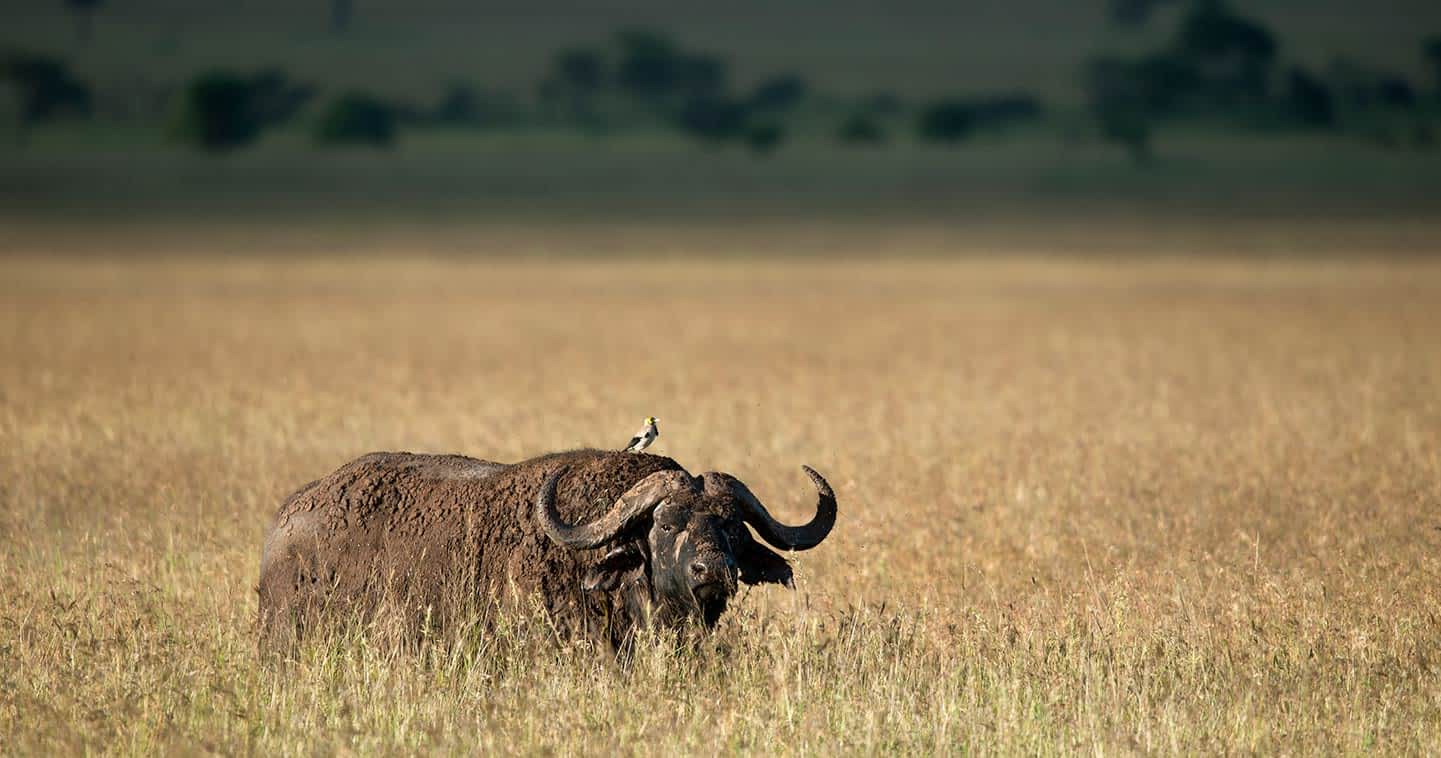 Safari Comparison Articles
South Africa Private Reserves vs National Parks
Discover the differences between staying in a private game reserve versus a national park in South Africa. This guide covers factors like cost, exclusivity, and safari activities to help you choose.
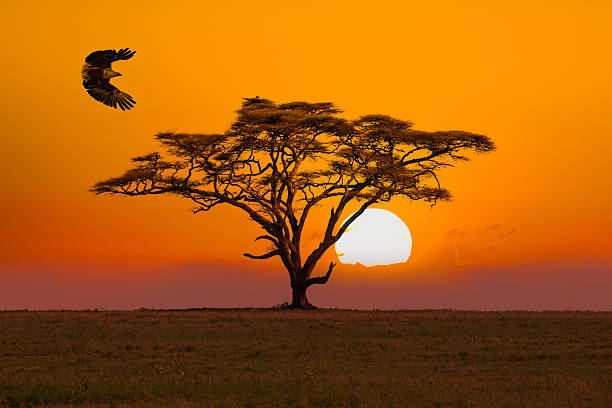 Expert Safari Knowledge
National Parks vs Private Reserves
National Parks vs Private Reserves: Understand the key differences in cost, exclusivity, and activities to choose the right safari experience for your trip.
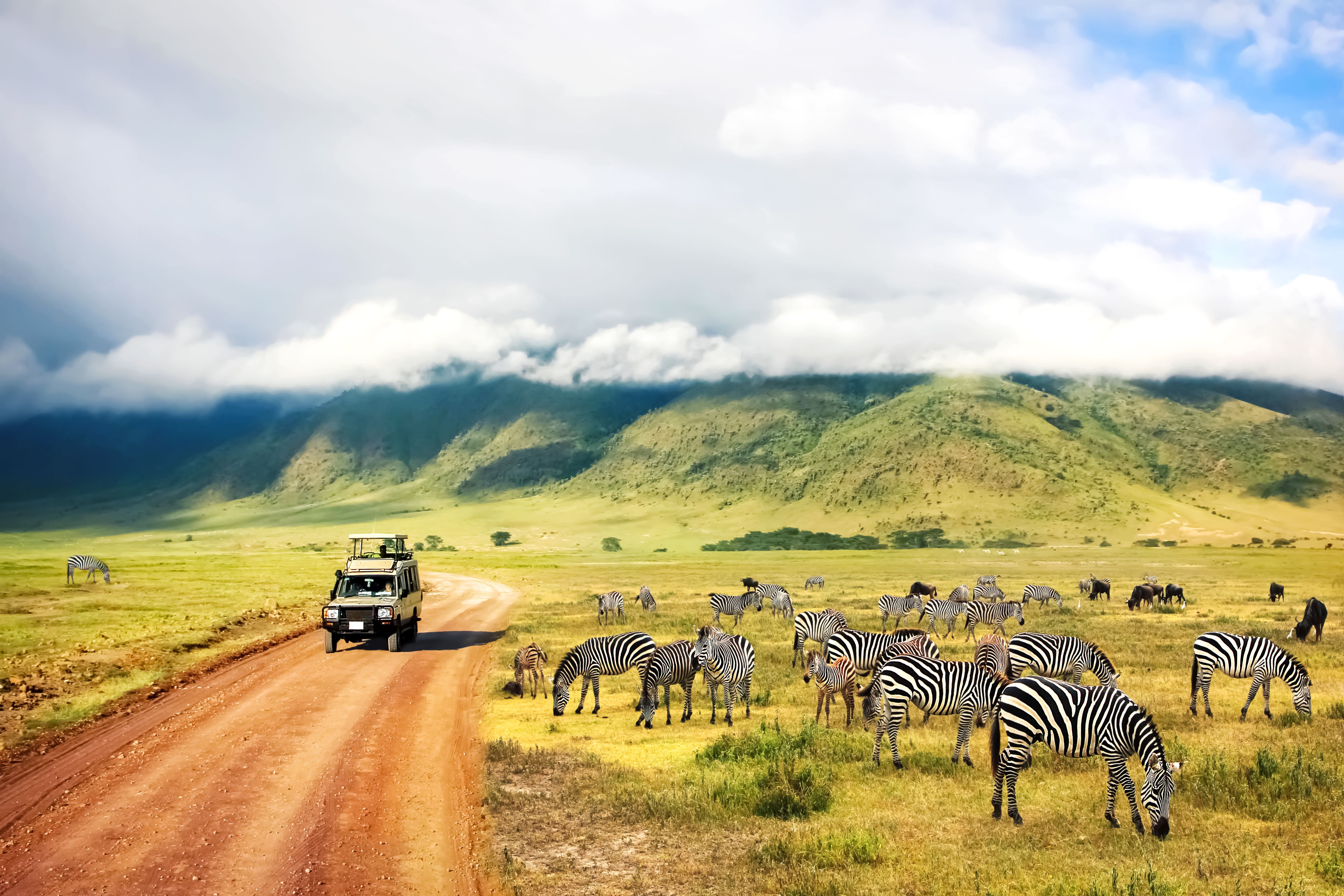 Destination Guides
Mikumi National Park: An Accessible Safari
Discover Mikumi National Park, an accessible and affordable safari destination in Tanzania. Learn about its wildlife, activities, and when to visit.
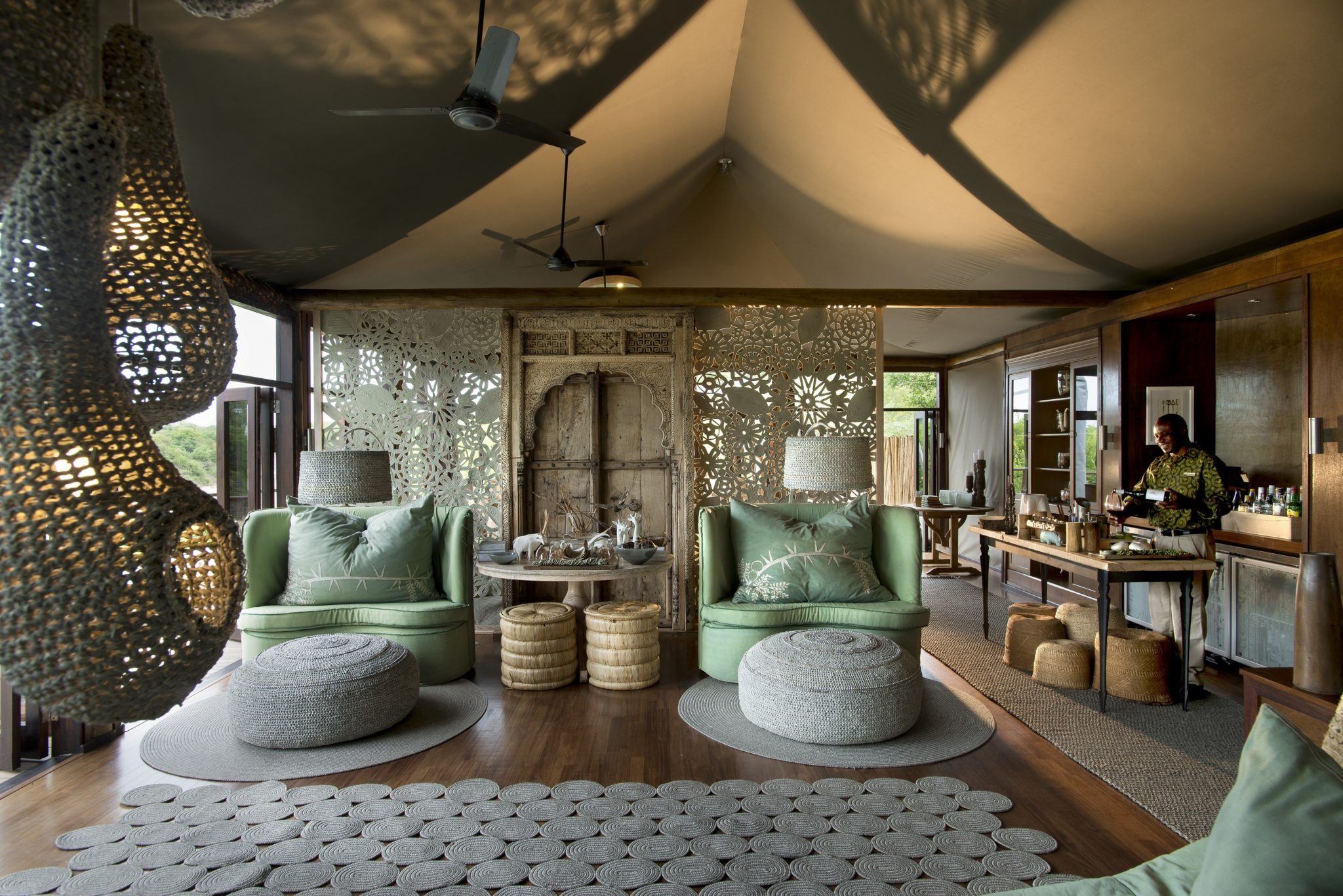 Destination Guides
Pilanesberg National Park: A Malaria-Free Safari
A complete guide to Complete Guide to Pilanesberg National Park. Learn about the wildlife, activities, and best time to visit this amazing destination.
 Safari Cost Guides
Why Private Concessions Cost More Than National Parks
Learn about why private concessions cost more than national parks in this comprehensive safari guide covering key insights and practical advice.
 Safari Comparison Articles
Private Safari vs Shared Safari
An in-depth comparison of Private Safari vs Shared Safari to help you choose the perfect safari experience. Explore the pros, cons, and key differences to make