
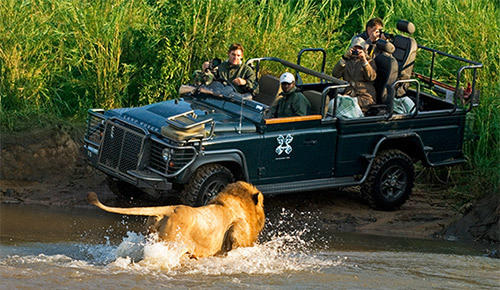
Discover the wonders of Samburu National Reserve, home to the Samburu Special Five. Our guide covers wildlife, when to visit, and cultural experiences.
''' Samburu National Reserve, located in the rugged northern frontier of Kenya, offers a safari experience that is as authentic as it is unique. A world away from the well-trodden circuits of the Maasai Mara, Samburu is a semi-arid wilderness characterized by dramatic landscapes, the life-sustaining Ewaso Nyiro River, and a remarkable array of wildlife. This is a land of fascinating adaptations, where animals have evolved to thrive in a harsh environment. For the discerning traveler looking to venture off the beaten path and immerse themselves in a rich cultural tapestry, Samburu is an unparalleled destination.
The Samburu Special Five: A Unique Assemblage of Wildlife
The primary allure for many safari connoisseurs is the opportunity to witness the "Samburu Special Five." This is not a marketing gimmick but a genuine ecological phenomenon. These five species are uniquely adapted to the arid conditions of northern Kenya and are rarely found together elsewhere. Spotting all five is a rewarding challenge that sets a Samburu safari apart.
The Majestic Grevy's Zebra
Larger and more elegant than its plains zebra cousin, the Grevy's zebra is a truly magnificent sight. Its stripes are narrower and more numerous, creating a finer, more intricate pattern that stops short of the white belly. Their large, rounded, and furry ears give them an almost comical appearance, but these are highly adapted animals. They are less water-dependent than other zebras and can survive for up to five days without drinking, a crucial adaptation in this dry land. Sadly, the Grevy's zebra is the most endangered of the world's three zebra species, making a sighting in Samburu all the more special.
The Elegant Reticulated Giraffe
Often described as the most beautiful of the giraffe subspecies, the reticulated giraffe is a living mosaic. Its coat is a stunning pattern of large, polygonal, deep-red to dark-brown patches separated by a network of crisp, white lines. This striking coloration provides excellent camouflage in the dappled light of the acacia woodlands. They are a common sight in Samburu, their long necks gracefully reaching for the tender leaves of the tallest trees, a serene and iconic image of the African bush.
The Formidable Beisa Oryx
The Beisa oryx is a powerful and striking antelope, perfectly designed for desert life. Its pale coat reflects the harsh sun, and it possesses an incredible ability to tolerate high body temperatures. Both males and females sport long, rapier-like horns that can reach over a meter in length. These are not just for show; they are formidable weapons used for defense against predators like lions and leopards. Watching a herd of oryx against the backdrop of Samburu's arid plains is a truly primeval experience.
The Distinctive Somali Ostrich
At first glance, an ostrich is an ostrich. But a closer look at the Somali ostrich reveals its unique characteristics. The males of this species have distinctive blue-grey necks and legs, which flush a vibrant blue during the mating season, a stark contrast to the pinkish hues of the common ostrich found further south. They are a common and fascinating sight, striding purposefully across the open plains, their massive frames a testament to the power and resilience of nature.
The Quirky Gerenuk
The gerenuk is a creature of delightful absurdity. Its name, meaning "giraffe-necked" in the Somali language, is a perfect description. This long-necked antelope has a small head, large, expressive eyes, and a feeding behavior that is unique among antelope. Gerenuks frequently stand on their hind legs, using their long necks to reach leaves and shoots that are inaccessible to other browsers. This remarkable acrobatic feat is a captivating sight and a perfect example of the unique adaptations that make Samburu so special.
Beyond the Special Five: A Rich Tapestry of Life
While the Samburu Special Five are the stars of the show, the reserve is teeming with a diverse array of other wildlife. Large, relaxed herds of elephants are a constant presence, their daily journeys to the Ewaso Nyiro River providing endless photographic opportunities. The river itself is a magnet for life, with crocodiles basking on the sandbanks and hippos grunting in the shallows.
Predators are well-represented, with healthy populations of lions, leopards, and cheetahs. Leopards, in particular, are often seen lounging in the branches of the large acacia trees that line the river. Wild dogs, though more elusive, are also present, their nomadic packs a thrilling and rare sighting for lucky visitors.
For the avid birdwatcher, Samburu is a paradise. With over 450 recorded species, the birdlife is prolific and varied. The reserve is home to a number of dry-country specials, including the stunning vulturine guineafowl, the kori bustard (one of the world's heaviest flying birds), and the majestic secretary bird. The air is filled with a constant chorus of birdsong, a soundtrack to the Samburu wilderness.
Still researching? Let us help.
Our advisory team has planned safaris across 9 African countries. We can turn your research into a real plan.
Talk to an AdvisorA Landscape of Stark Beauty
The landscape of Samburu is as much a part of the experience as the wildlife. It is a land of stark and dramatic beauty, a mosaic of riverine forest, acacia-dotted plains, and rugged, rocky outcrops. The Ewaso Nyiro River, whose name means "brown water" in the local language, is the lifeblood of this ecosystem. It flows from the Aberdare Range, providing a permanent source of water that sustains the reserve's rich biodiversity.
The sense of space and wilderness in Samburu is immense. The vast, open plains are punctuated by isolated hills and kopjes, which offer breathtaking panoramic views of the surrounding landscape. This is a place to escape the crowds and immerse yourself in the raw, untamed beauty of the African bush.
When to Visit: A Year-Round Destination
Samburu's climate is hot and dry for much of the year, making it a year-round safari destination. However, the best time for wildlife viewing is during the two dry seasons, from June to October and from December to March. During these months, the vegetation is sparse, and animals congregate around the Ewaso Nyiro River and other water sources, making them easier to find and observe. The roads are also in their best condition during the dry seasons.
The two rainy seasons, the "long rains" in April and May and the "short rains" in November, transform the landscape into a lush, green paradise. While wildlife viewing can be more challenging due to the dense vegetation, this is the best time for birdwatching, as migratory species from Europe and North Africa are present. The rains also bring a sense of renewal and rebirth to the bush, with many animals giving birth during this time.
A Rich Cultural Encounter
A safari in Samburu is not just about wildlife; it is also a journey into the heart of a vibrant and ancient culture. The Samburu people, who are closely related to the Maasai, are semi-nomadic pastoralists whose lives are intricately woven with the rhythms of this land. Their culture is a rich tapestry of tradition, ceremony, and a deep, spiritual connection to their cattle and the natural world.
Many of the lodges and camps in and around the reserve have close relationships with the local communities and can arrange visits to a traditional Samburu village. This is a unique and humbling opportunity to learn about their way of life, their customs, and their beliefs. It is an experience that will stay with you long after you have left the African bush.
Done Reading? Let's Build Your Safari.
Skip the guesswork. Work with an advisor who has been on the ground across East and Southern Africa.
Plan With UsHow to Get There
Samburu National Reserve is located approximately 350 kilometers (217 miles) north of Nairobi. The most convenient way to get there is by a scheduled flight from Wilson Airport in Nairobi to one of the airstrips in the reserve. The flight takes about an hour and offers stunning aerial views of the Kenyan landscape. For those on a more adventurous budget, it is also possible to drive from Nairobi, a journey that takes around six to seven hours.
Where to Stay
Samburu offers a range of accommodation options to suit different budgets and preferences, from classic tented camps to luxurious lodges. Many of the properties are situated along the banks of the Ewaso Nyiro River, offering stunning views and excellent wildlife viewing opportunities right from your room. Some of the well-regarded options include Elephant Bedroom Camp, Samburu Intrepids, and Sasaab Lodge.
In conclusion, Samburu National Reserve is a destination that captures the very essence of an authentic African safari. It is a place of stark beauty, unique wildlife, and rich cultural heritage. It is a land that will challenge your perceptions, ignite your senses, and leave you with a profound sense of connection to the natural world. For those who are willing to venture off the beaten path, Samburu offers a safari experience that is as rewarding as it is unforgettable. '''
Need Expert Safari Guidance?
Get expert advisory support from a firm founded by a former safari guide — with real operational knowledge across 9 African countries and full-journey accountability.
Related Planning Guides
Explore Related Topics
Recommended Reading
 National Park Guides
Serengeti National Park Guide
Explore the wonders of Serengeti National Park with our expert guide. Learn about the Great Migration, wildlife, and planning your unforgettable Tanzanian safari.
 National Park Guides
Kruger National Park Guide
Discover the ultimate guide to Kruger National Park. Learn about its incredible wildlife, the best time to visit, and how to plan your dream safari adventure.
 National Park Guides
Chobe National Park Guide
Discover the ultimate guide to Chobe National Park, Botswana\
 Destination Guides
Shimba Hills National Reserve: Coastal Rainforest
A complete guide to Complete Guide to Shimba Hills National Reserve. Learn about the wildlife, activities, and best time to visit this amazing destination.
 Destination Guides
Complete Guide to Table Mountain National Park
A complete guide to Complete Guide to Table Mountain National Park. Learn about the wildlife, activities, and best time to visit this amazing destination.
 Destination Guides
Complete Guide to Sabi Sands Game Reserve
A complete guide to Complete Guide to Sabi Sands Game Reserve. Learn about the wildlife, activities, and best time to visit this amazing destination.