
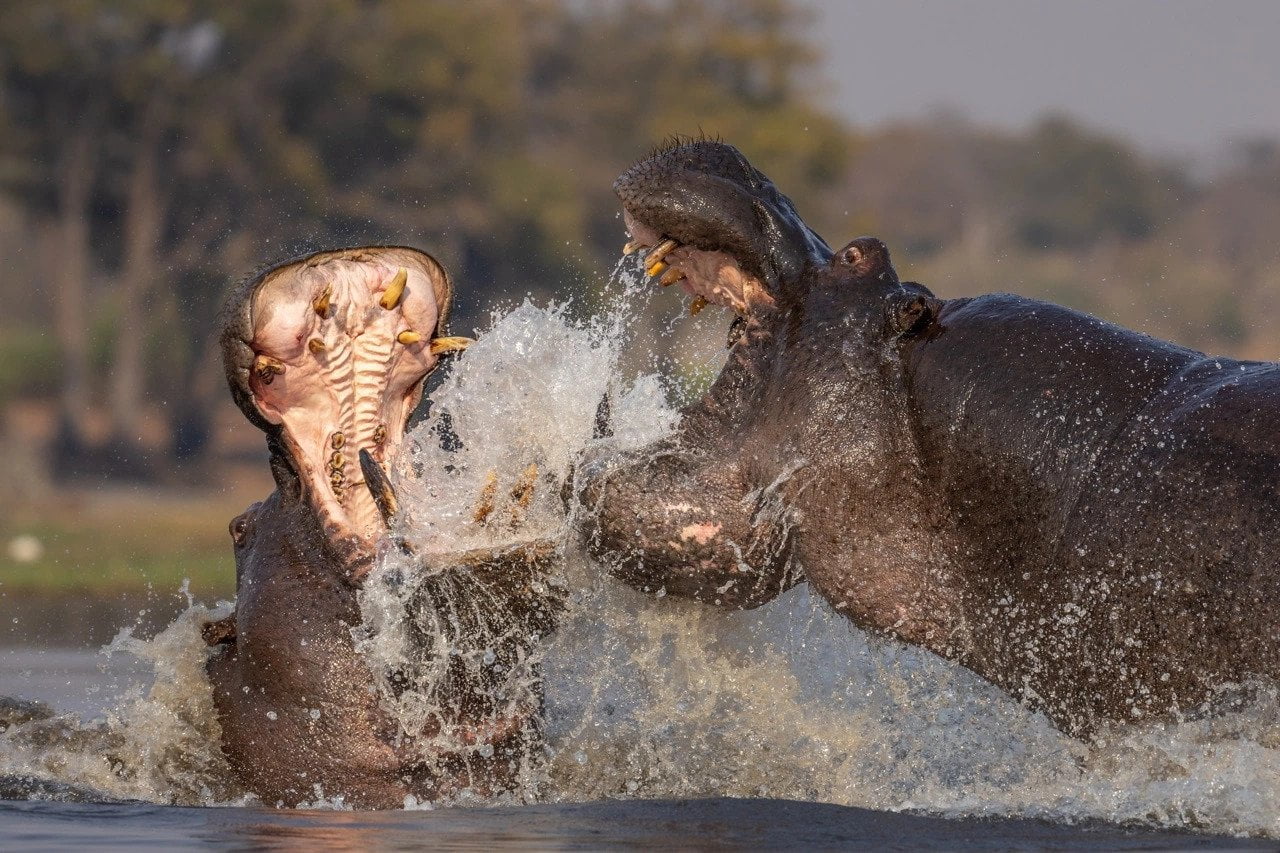
Explore the wonders of Serengeti National Park with our expert guide. Learn about the Great Migration, wildlife, and planning your unforgettable Tanzanian safari.
''' Welcome to the endless plains of the Serengeti, a place where the rhythm of life unfolds on a grand scale. As one of Africa's most iconic and important ecosystems, Serengeti National Park in Tanzania offers a safari experience that is both profound and exhilarating. It is a land of vast, sun-drenched savannas, acacia-dotted landscapes, and an astonishing concentration of wildlife. The Serengeti is most famous for the Great Migration, an epic circular journey of over 1.5 million wildebeest, zebras, and gazelles. But beyond this incredible spectacle, the park offers so much more, from thrilling predator encounters to serene moments in the heart of the African bush. This guide will help you understand the magic of the Serengeti and plan an unforgettable safari adventure.
Understanding the Serengeti Ecosystem
The Serengeti is a vast and complex ecosystem, covering approximately 12,000 square miles (30,000 square kilometers) of pristine wilderness. It is a UNESCO World Heritage Site and forms the heart of the larger Serengeti-Mara ecosystem, which also includes Kenya's Maasai Mara National Reserve. The park's name, derived from the Maasai word "siringet," meaning "endless plains," perfectly captures the essence of its expansive grasslands. The landscape is not uniform, however; it is a mosaic of different habitats, each supporting a unique array of wildlife.
The Seronera Valley: The Heart of the Serengeti
The Seronera Valley, in the central Serengeti, is often referred to as the park's heart. This region is characterized by its open plains, acacia woodlands, and the Seronera River, which provides a vital water source for resident wildlife. This abundance of water makes the Seronera an excellent year-round destination for wildlife viewing. It is particularly known for its high concentration of big cats, including lions, leopards, and cheetahs. The granite outcrops, or kopjes, that dot the landscape are favorite resting spots for lions and offer fantastic photographic opportunities.
The Western Corridor and Grumeti River
Stretching to the west, the Serengeti narrows into the Western Corridor, a region defined by the Grumeti River and its gallery forests. This area is famous for the dramatic river crossings that occur during the Great Migration, typically between May and July. The Grumeti River is home to enormous crocodiles that lie in wait for the migrating herds, creating a life-and-death spectacle. Even outside of the migration season, the Western Corridor offers excellent wildlife viewing, with large populations of resident herbivores and predators.
The Northern Serengeti and the Mara River
The Northern Serengeti is a more remote and rugged region, characterized by rolling hills, woodlands, and the iconic Mara River. This is the stage for the most famous and dramatic river crossings of the Great Migration, as the herds brave the crocodile-infested waters to reach the fertile plains of the Maasai Mara in Kenya. These crossings, which typically occur between July and October, are a raw and powerful display of nature's drama. The Northern Serengeti is also an excellent area for spotting elephants, giraffes, and the elusive black rhino.
The Southern Plains: The Cradle of Life
The vast, short-grass plains of the Southern Serengeti, including the Ndutu region, are the breeding grounds for the Great Migration. From December to March, these plains are transformed into a massive nursery, as hundreds of thousands of wildebeest give birth to their calves. This explosion of new life attracts a high concentration of predators, making it an incredible time for witnessing predator-prey interactions. The open plains also offer fantastic opportunities for cheetah sightings.
The Great Migration: A Spectacle of Nature
The Great Migration is the Serengeti's most famous and awe-inspiring phenomenon. It is a continuous, year-long circular journey of over 1.5 million wildebeest, accompanied by hundreds of thousands of zebras and gazelles, as they follow the rains in search of fresh grazing. The timing of the migration is dictated by rainfall, but it follows a relatively predictable annual cycle.
The Calving Season (December - March)
From December to March, the migrating herds congregate on the nutrient-rich plains of the Southern Serengeti and the Ngorongoro Conservation Area. This is the calving season, with the peak of births occurring in February. The abundance of vulnerable young calves makes this a prime time for predator action, as lions, cheetahs, and hyenas take advantage of the easy prey.
The Northward Journey and the Grumeti River Crossings (April - June)
As the southern plains dry up, the herds begin their long journey north. In April and May, they move into the central Serengeti, and by June, they reach the Western Corridor and the Grumeti River. The Grumeti River crossings are the first major obstacle for the migrating herds, and the river's giant crocodiles create a thrilling and dramatic spectacle.
The Mara River Crossings (July - October)
The climax of the Great Migration occurs in the Northern Serengeti between July and October, with the dramatic crossings of the Mara River. The herds repeatedly cross the river, back and forth between the Serengeti and the Maasai Mara, in search of the best grazing. These crossings are notoriously dangerous, with strong currents and a high concentration of crocodiles, making for a truly unforgettable wildlife experience.
The Return South (November - December)
As the short rains begin in November, the herds start their journey south again, moving through the eastern Serengeti and back towards the southern plains. This is a time of replenishment and renewal, as the herds return to their breeding grounds to begin the cycle anew.
Still researching? Let us help.
Our advisory team has planned safaris across 9 African countries. We can turn your research into a real plan.
Talk to an AdvisorWildlife Beyond the Migration
While the Great Migration is the star of the show, the Serengeti is home to an incredible diversity of wildlife year-round. The park boasts one of the highest concentrations of large mammals in the world and is an exceptional destination for spotting the "Big Five" (lion, leopard, elephant, buffalo, and rhino).
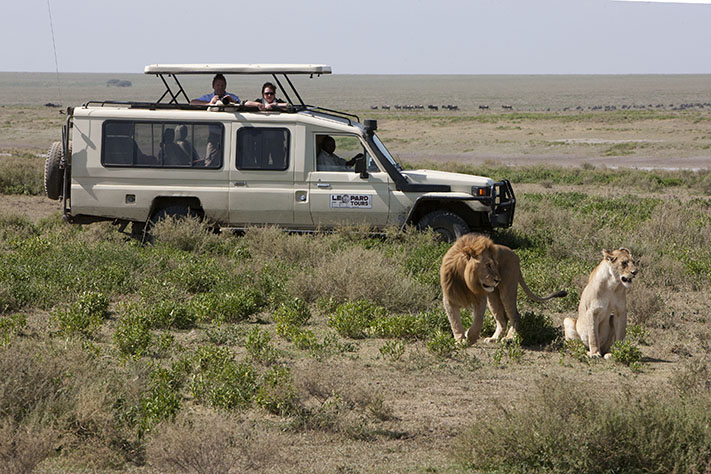
Lions are abundant throughout the Serengeti, and the park is one of the best places in Africa to see these magnificent predators. Leopards, though more elusive, are frequently spotted in the Seronera Valley, particularly in the branches of the sausage trees that line the river. Elephants and buffalo are widespread, and the Serengeti is also a stronghold for the critically endangered black rhino, which is being reintroduced into the park.
Beyond the Big Five, the Serengeti is a haven for a wide variety of other species. Cheetahs thrive on the open plains, and giraffes, zebras, and a multitude of antelope species are a common sight. The park is also a birdwatcher's paradise, with over 500 species of birds recorded.
Planning Your Serengeti Safari
A safari to the Serengeti requires careful planning to ensure you get the most out of your experience. Here are some key factors to consider:
When to Visit
The best time to visit the Serengeti depends on what you want to see. The dry season, from June to October, is generally considered the best time for wildlife viewing, as animals congregate around water sources and the vegetation is less dense. This is also the best time to witness the Mara River crossings. The green season, from November to May, offers lush, beautiful scenery, fewer crowds, and the opportunity to see the calving season in the Southern Serengeti. April and May are the wettest months and are generally best avoided.
How to Get There
The main gateway to the Serengeti is Kilimanjaro International Airport (JRO), which receives international flights from several major hubs. From there, you can take a small bush plane to one of the Serengeti's many airstrips, or you can drive to the park, which takes approximately 8 hours. Driving allows you to see more of the Tanzanian countryside and can be combined with a visit to other northern circuit parks like Tarangire and the Ngorongoro Crater.
Where to Stay
The Serengeti offers a wide range of accommodation options to suit every budget and style, from luxurious lodges with all the amenities to intimate tented camps that offer a more immersive bush experience. Mobile camps, which move with the Great Migration, are an excellent option for those who want to be in the heart of the action.
Activities in the Serengeti
Game Drives
Game drives are the primary way to explore the Serengeti. Led by experienced guides in specially designed 4x4 vehicles, game drives offer the opportunity to cover large distances and see a wide variety of wildlife. Most camps and lodges offer morning and afternoon game drives, and some also offer full-day excursions with a picnic lunch.
Hot Air Balloon Safaris
A hot air balloon safari is a truly magical way to experience the Serengeti. Drifting silently over the plains as the sun rises, you will gain a unique perspective of the park's vastness and the movements of its wildlife. Balloon safaris are typically followed by a champagne breakfast in the bush, making for an unforgettable morning.
[Walking Safari](/knowledge/walking-safaris-explained)s
For a more intimate and immersive experience, consider a walking safari. Accompanied by an armed ranger and a knowledgeable guide, you will explore the bush on foot, learning about the smaller details of the ecosystem that are often missed from a vehicle. Walking safaris are a fantastic way to connect with nature on a deeper level.
In conclusion, Serengeti National Park is a destination that will capture your heart and ignite your sense of wonder. It is a place of breathtaking beauty, incredible wildlife, and raw, untamed nature. Whether you come to witness the epic drama of the Great Migration or to simply immerse yourself in the tranquility of the African bush, a safari in the Serengeti is an experience that will stay with you for a lifetime. '''
Need Expert Safari Guidance?
Get expert advisory support from a firm founded by a former safari guide — with real operational knowledge across 9 African countries and full-journey accountability.
Related Planning Guides
Explore Related Topics
Recommended Reading
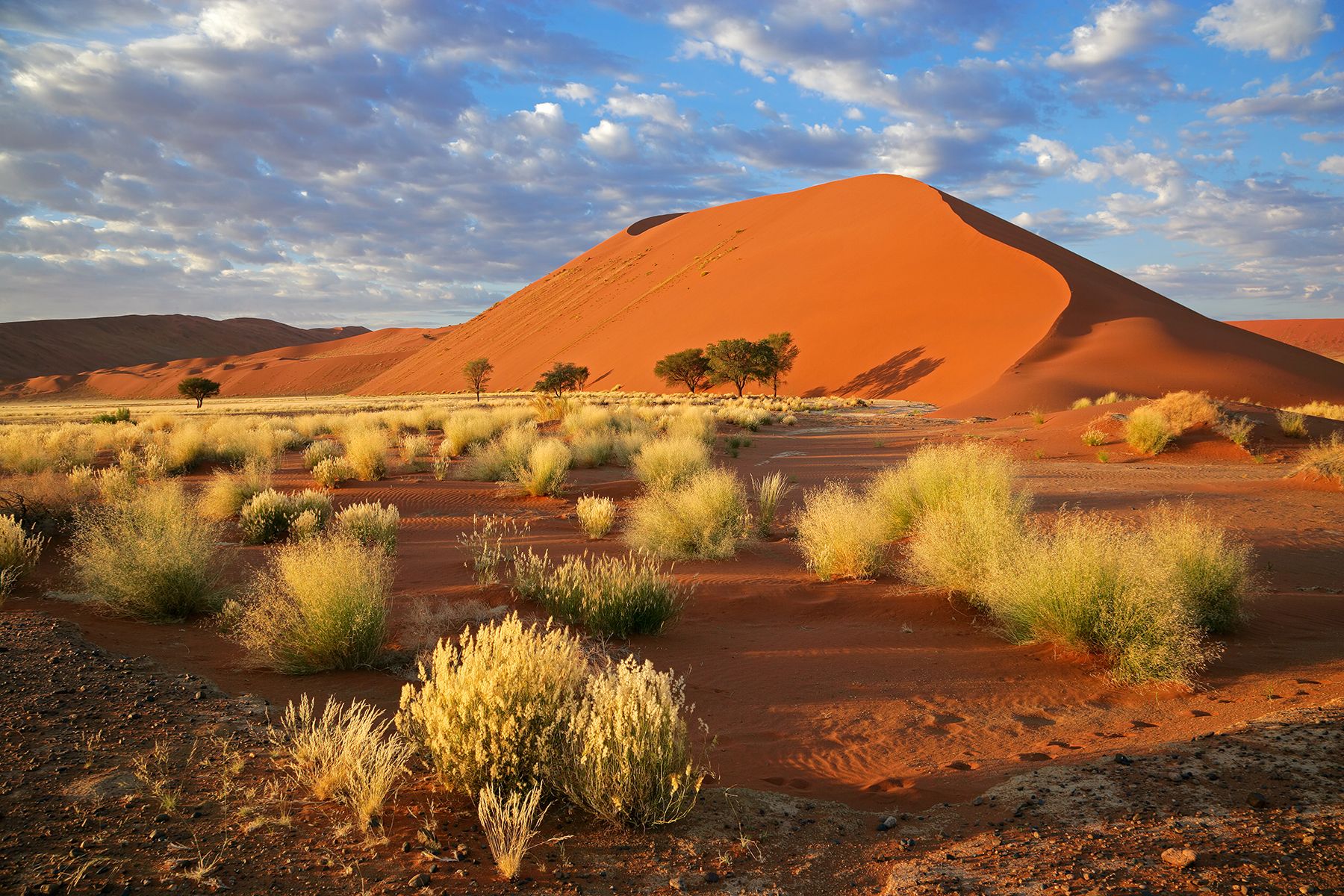 National Park Guides
Kruger National Park Guide
Discover the ultimate guide to Kruger National Park. Learn about its incredible wildlife, the best time to visit, and how to plan your dream safari adventure.
 National Park Guides
Chobe National Park Guide
Discover the ultimate guide to Chobe National Park, Botswana\
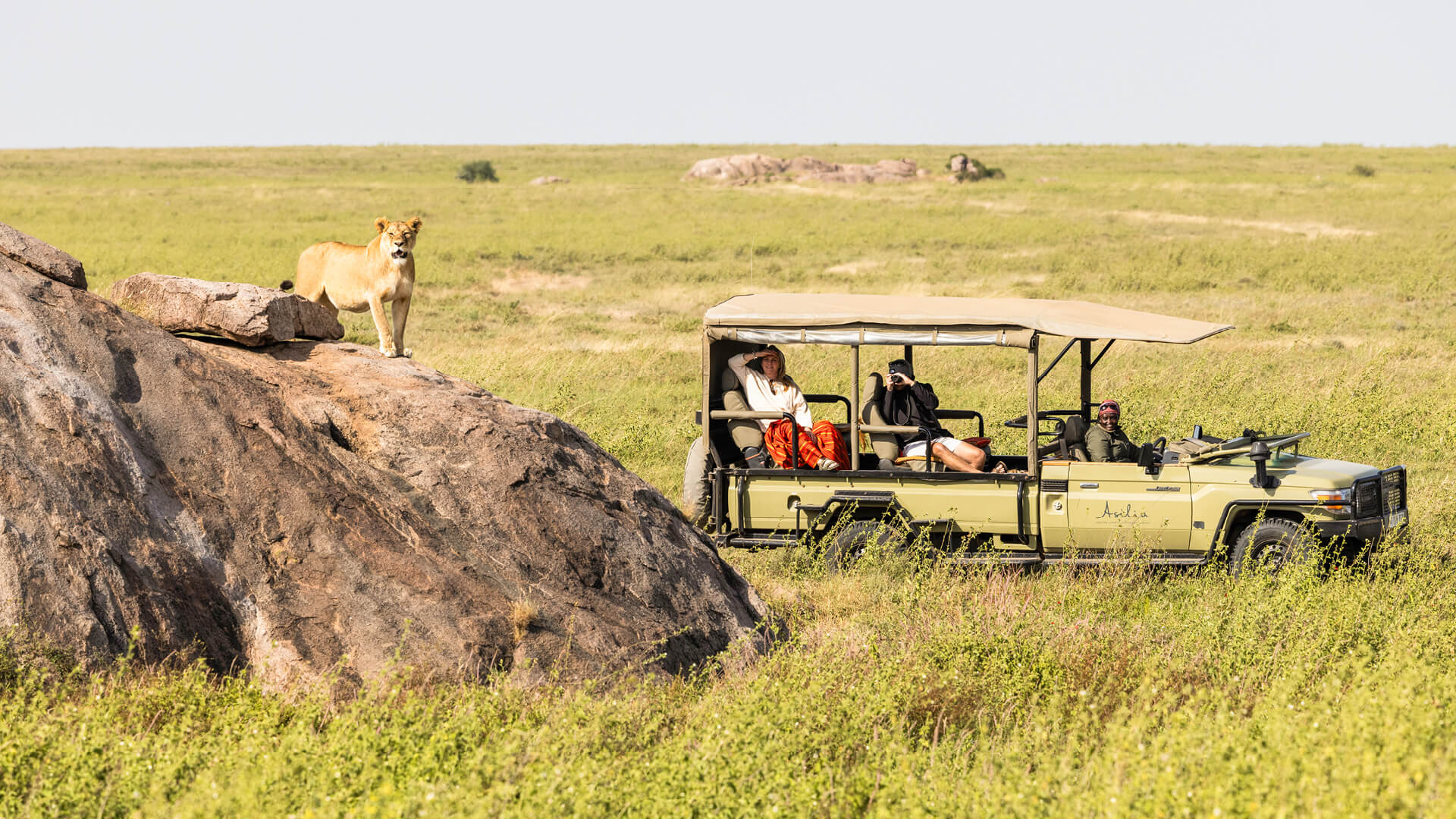 National Park Guides
Etosha National Park Guide
Discover the ultimate guide to Etosha National Park. Learn about its unique landscape, incredible wildlife, and the magic of its waterholes for an unforgettable safari.
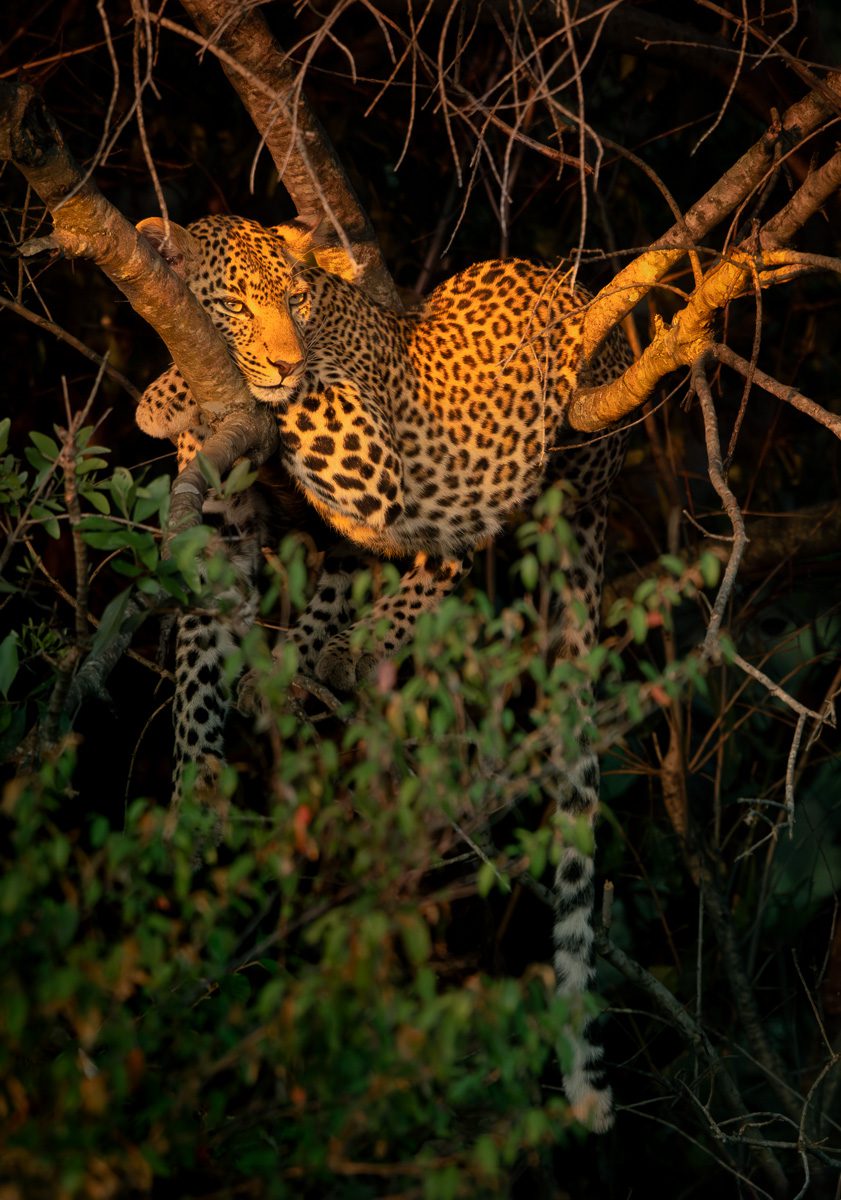 Destination Guides
Complete Guide to Table Mountain National Park
A complete guide to Complete Guide to Table Mountain National Park. Learn about the wildlife, activities, and best time to visit this amazing destination.
 Destination Guides
Complete Guide to Nyerere National Park
Learn about complete guide to nyerere national park in this comprehensive safari guide.
 Destination Guides
Complete Guide to Loango National Park Gabon
Discover everything you need to know about Complete Guide to Loango National Park Gabon. From wildlife and landscapes to lodges and activities, this guide cover