
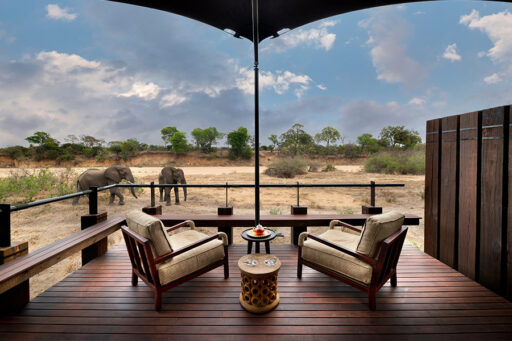
Learn the essential principles of ethical safari photography, from respecting wildlife and choosing the right gear to cultural sensitivity and responsible sharing.
An African safari is a photographer's dream. The combination of dramatic landscapes, iconic wildlife, and vibrant cultures offers endless opportunities to capture breathtaking images. However, with this opportunity comes a significant responsibility. Ethical safari photography is not just about coming home with beautiful pictures; it's about ensuring that your presence and actions do not harm the animals or the delicate ecosystems you have come to admire. It is about respecting the wildlife, the environment, and the local communities, ensuring that future generations can also experience the magic of the African bush. This guide will walk you through the essential principles of ethical safari photography, helping you to be a responsible and respectful photographer.
The Golden Rule: Wildlife Welfare Comes First
The most fundamental principle of ethical wildlife photography is that the well-being of your subject always comes before the photograph. This means being constantly aware of your impact and making choices that prioritize the animal's safety and comfort. A photograph is a fleeting moment, but the consequences of stressing or disturbing wildlife can be long-lasting.
Maintaining a Respectful Distance
Every animal has a comfort zone, often referred to as its "flight distance." This is the minimum distance at which an animal feels safe and will not flee from a perceived threat. Getting too close can cause significant stress, leading to a "fight or flight" response. This not only ruins your photographic opportunity but can also have serious consequences for the animal, such as causing it to abandon a meal, a nest, or its young. In some cases, particularly with large animals like elephants, buffalo, or hippos, getting too close can provoke a defensive and potentially dangerous reaction.
A knowledgeable and experienced safari guide is your best asset in judging a safe and respectful distance. They are trained to read animal behavior and will position the vehicle in a way that minimizes disturbance. As a general guideline, it is always better to start from a greater distance and observe the animal's reaction as you slowly move closer, if at all. Remember that a good telephoto lens is a photographer's best friend on safari, allowing you to capture intimate shots without intruding on the animal's space.
The Impact of Your Presence
Your presence in a wildlife habitat, even from within a vehicle, can alter animal behavior. A line of safari vehicles surrounding a leopard may prevent it from making a kill, or a noisy group of tourists could scare a shy antelope away from a waterhole. It is crucial to be mindful of how your presence affects the natural behavior of the animals you are observing. Ethical safari practice dictates that you should never block an animal's path or surround it. Always ensure there is a clear escape route for the animal.
Furthermore, it is important to limit the amount of time you spend at any one sighting, especially if other vehicles are waiting. This minimizes the cumulative stress on the animal and allows others to enjoy the experience. A good rule of thumb is to observe for a reasonable period, take your photographs, and then move on, leaving the animal in peace.
Your Equipment and Its Ethical Use
The gear you choose and how you use it plays a significant role in ethical safari photography. The right equipment can help you capture stunning images from a respectful distance, while the misuse of certain accessories can cause unnecessary disturbance to the wildlife.
Choosing the Right Gear
A telephoto lens is an essential piece of equipment for any serious safari photographer. A lens with a focal length of at least 300mm, and preferably 400mm or more, will allow you to fill the frame with your subject without having to get too close. This is not only better for the animals but also results in more natural and relaxed photographs. While tripods are generally not practical in a safari vehicle, a beanbag can be an excellent tool for stabilizing your camera and lens on the vehicle's window frame or roof, helping you to get sharp images even in low light.
To Flash or Not to Flash?
The use of flash photography on safari is a contentious issue, but the general consensus among ethical photographers and guides is to avoid it whenever possible. A sudden burst of bright light can startle, disorient, and even temporarily blind an animal, particularly nocturnal species whose eyes are adapted to low light conditions. This can cause them to become stressed, abandon their activities, or even become more vulnerable to predation. Many safari lodges and guides have a strict no-flash policy, and it is a rule that should always be respected.
The Drone Debate
The use of drones in Africa's national parks and wildlife reserves is almost universally prohibited. The buzzing sound and unfamiliar sight of a drone can be extremely stressful for wildlife, causing them to panic and flee. There have been documented cases of birds attacking drones, resulting in injury or death to the bird and damage to the equipment. Drones can also be perceived as a threat by large mammals, potentially leading to aggressive behavior. Beyond the disturbance to wildlife, drones can also be an annoyance to other safari-goers, ruining the sense of peace and tranquility that is so integral to the safari experience. Respect the rules and leave your drone at home.
Still researching? Let us help.
Our advisory team has planned safaris across 9 African countries. We can turn your research into a real plan.
Talk to an AdvisorInteracting with the Environment and Local People
Ethical safari photography extends beyond your interactions with wildlife. It also encompasses your responsibility to the environment and the local communities that are the custodians of these incredible wild places.
Leave No Trace
The "leave no trace" principle is a cornerstone of responsible tourism. This means taking all of your rubbish with you, including small items like bottle caps and cigarette butts. It also means staying on designated roads and tracks. Driving off-road can damage fragile vegetation, cause soil erosion, and disturb ground-nesting birds and other small animals. Respect the rules of the park or reserve you are visiting, and always follow the guidance of your safari guide.
Cultural Sensitivity
Many safaris offer opportunities to visit local villages and interact with the people who live alongside the wildlife. These can be incredibly rewarding experiences, but it is essential to approach them with cultural sensitivity and respect. Always ask for permission before taking someone's photograph. A simple smile and a gesture towards your camera are often all that is needed. Some people may not wish to be photographed, and their wishes should always be respected. Instead of just taking a picture and leaving, take the time to engage with the people you meet. Learn about their culture, buy a locally made craft, or simply have a conversation. This will not only enrich your experience but also create a more positive and meaningful interaction for everyone involved.
The Ethics of Post-Processing and Sharing
Your ethical responsibilities as a photographer do not end when you pack up your camera gear. How you edit and share your images is just as important as how you capture them.
Honest Representation
While post-processing is an integral part of digital photography, it is important to be honest in your representation of reality. Minor adjustments to exposure, contrast, and color are generally acceptable, but significant alterations that mislead the viewer are not. Cloning in or out elements of a scene, such as adding an animal that was not there or removing a distracting branch, crosses the line into digital manipulation and is considered unethical by most wildlife photographers and publications. Your captions should also be accurate and truthful, providing context for the image without embellishing the facts.
The Power of Social Media
Social media can be a powerful tool for sharing your passion for wildlife and promoting conservation. However, it also comes with certain responsibilities. One of the most important is to be mindful of geotagging, particularly when it comes to endangered species like rhinos. Sharing the exact location of a rhino sighting could inadvertently provide valuable information to poachers. Many social media platforms automatically strip location data from images, but it is always best to be cautious and disable geotagging for sensitive subjects. Use your photography to tell a story, to educate your audience about the challenges facing wildlife, and to inspire them to become advocates for conservation.
Choosing an Ethical [Safari Operator](/knowledge/how-to-choose-a-safari-operator)
One of the most significant decisions you can make as an ethical safari photographer is your choice of safari operator. A reputable operator will share your commitment to responsible tourism and will have policies in place to ensure that their activities have a minimal impact on the environment and a positive impact on local communities.
What to Look For
When researching safari operators, look for those who have a strong conservation ethos and employ certified, professional guides. Check their website for information on their environmental policies and their community initiatives. Read reviews from previous clients, paying particular attention to comments about the quality of the guiding and the company's approach to wildlife viewing. Do not be afraid to ask questions. A good operator will be happy to discuss their ethical standards and their commitment to responsible tourism.
In conclusion, ethical safari photography is about more than just taking pictures. It is a mindset, a philosophy, and a commitment to being a responsible and respectful guest in the wild. By prioritizing the welfare of wildlife, respecting the environment and local cultures, and using your photography as a force for good, you can ensure that your safari is a truly rewarding and meaningful experience, leaving a positive legacy for the wildlife and the people of Africa.
Need Expert Safari Guidance?
Get expert advisory support from a firm founded by a former safari guide — with real operational knowledge across 9 African countries and full-journey accountability.
Related Planning Guides
Explore Related Topics
Recommended Reading
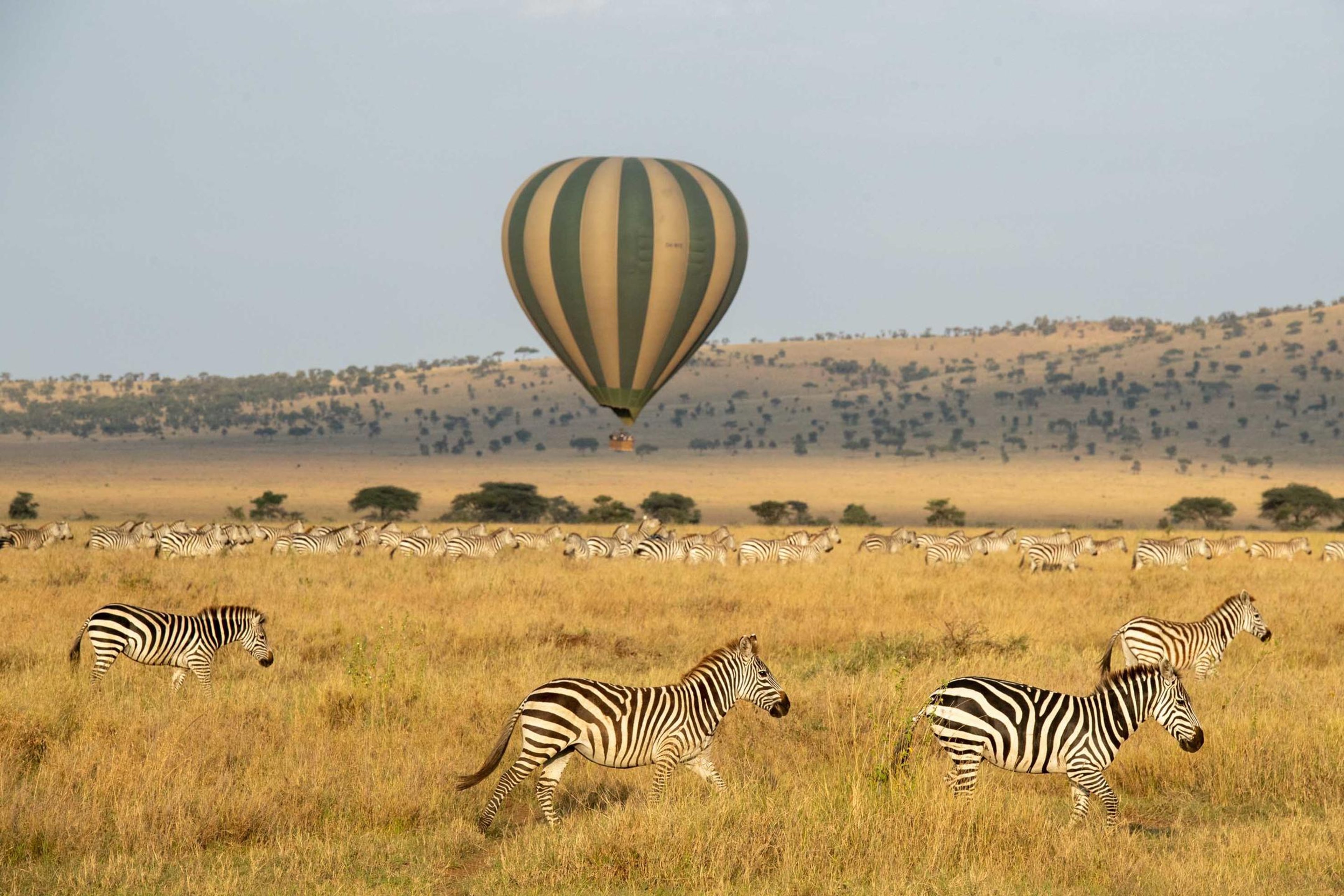 Safari Planning Guides
How to Plan a Safari for Wildlife Photography Beginners
Learn about how to plan a safari for wildlife photography beginners in this comprehensive safari guide covering key insights and practical advice.
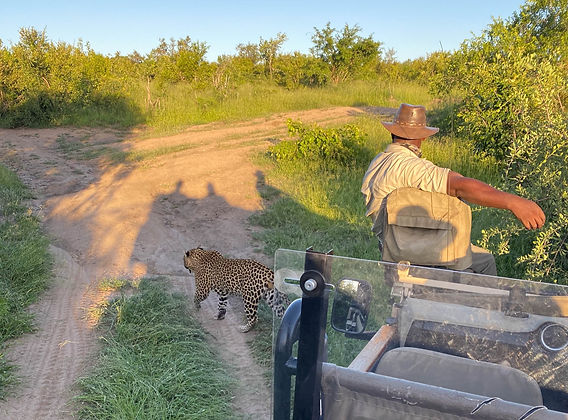 Safari Comparison Articles
Photography Safari vs General Safari
An in-depth comparison of Photography Safari vs General Safari to help you choose the perfect safari experience. Explore the pros, cons, and key differences to
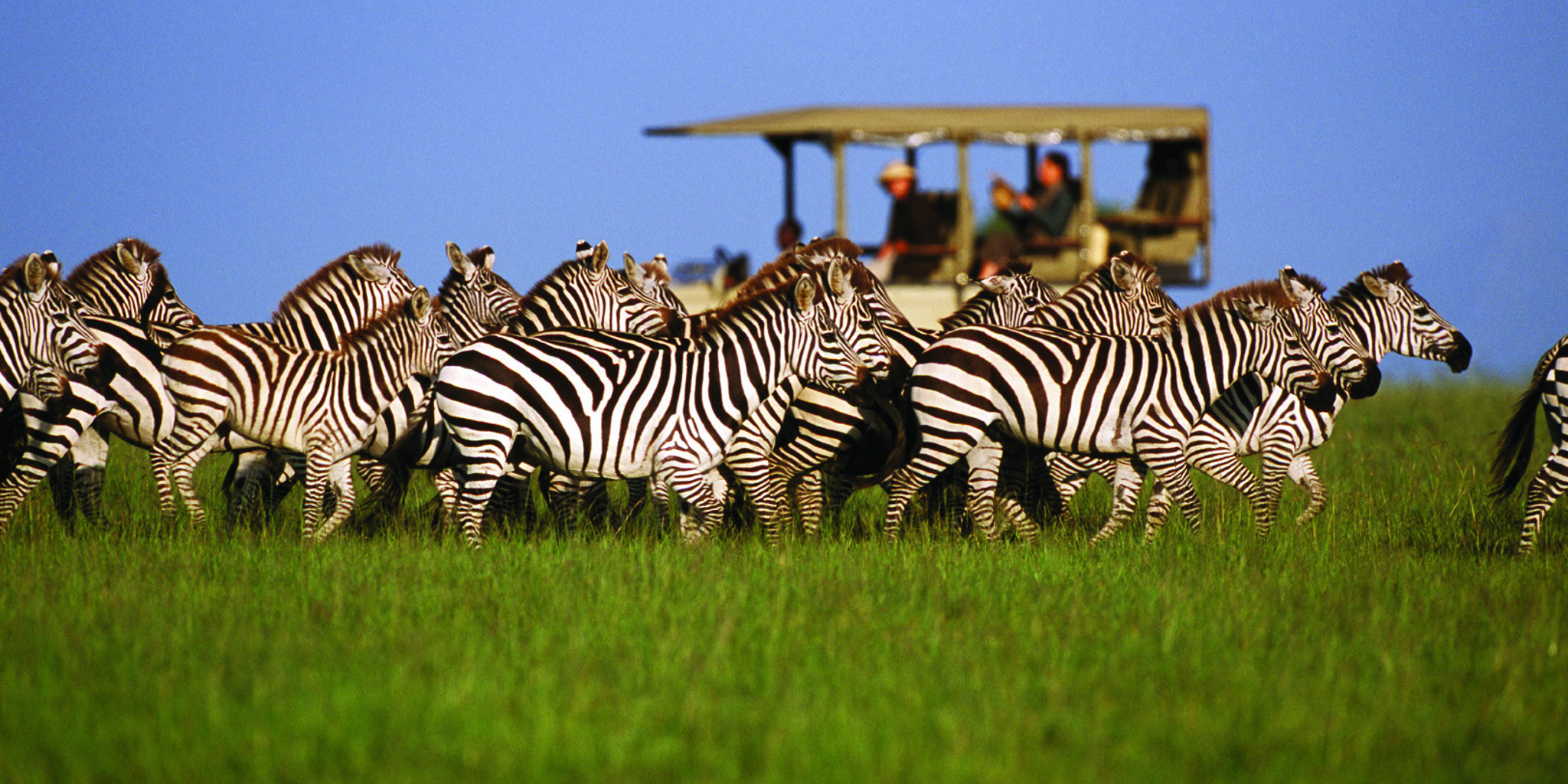 Safari Safety
Safari Photography Safety
Learn how to practice safe safari photography with our expert guide. Discover essential tips for protecting your gear, respecting wildlife, and taking great photos.
 Safari Travel Tips
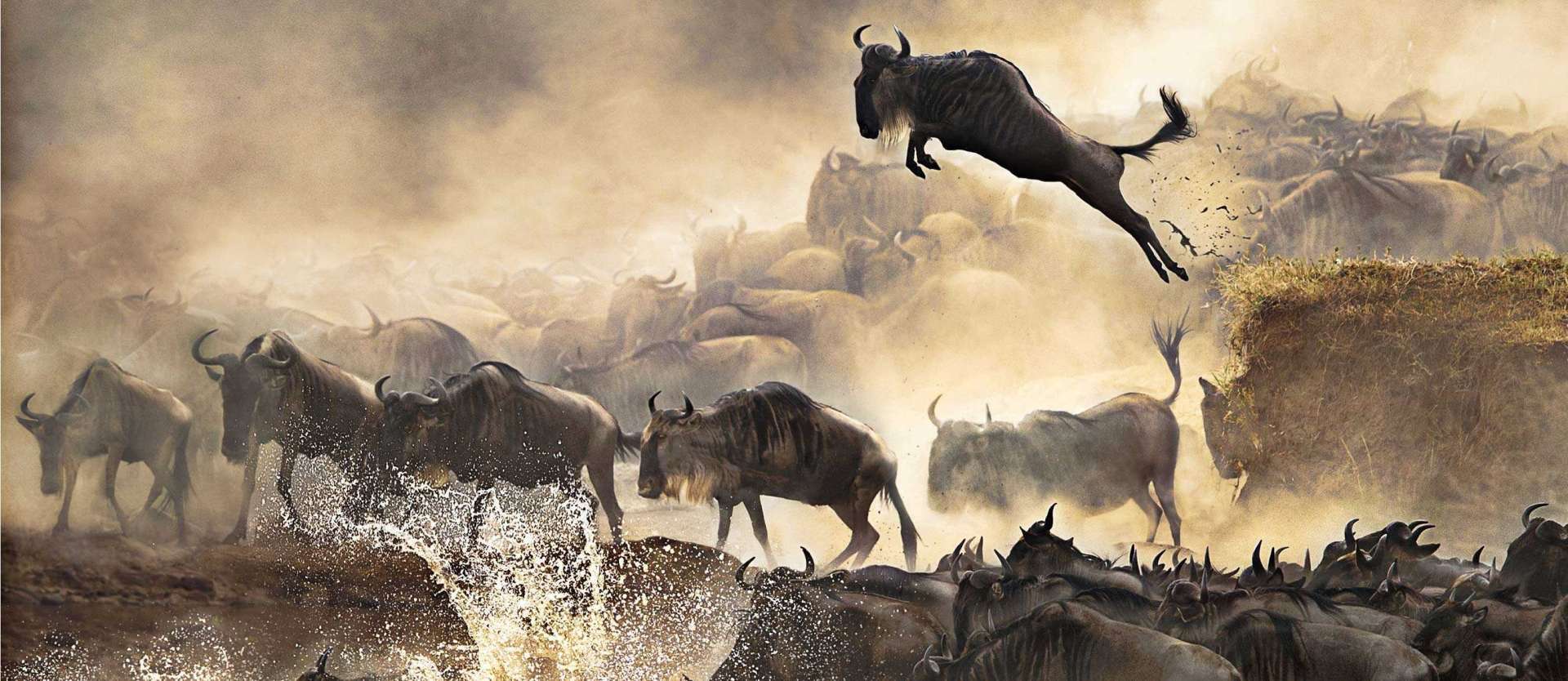
Safari Photography Tips
Master your safari photography with our expert tips on cameras, lenses, settings, and composition. Learn how to capture stunning wildlife photos in Africa.
 Safari Travel Tips
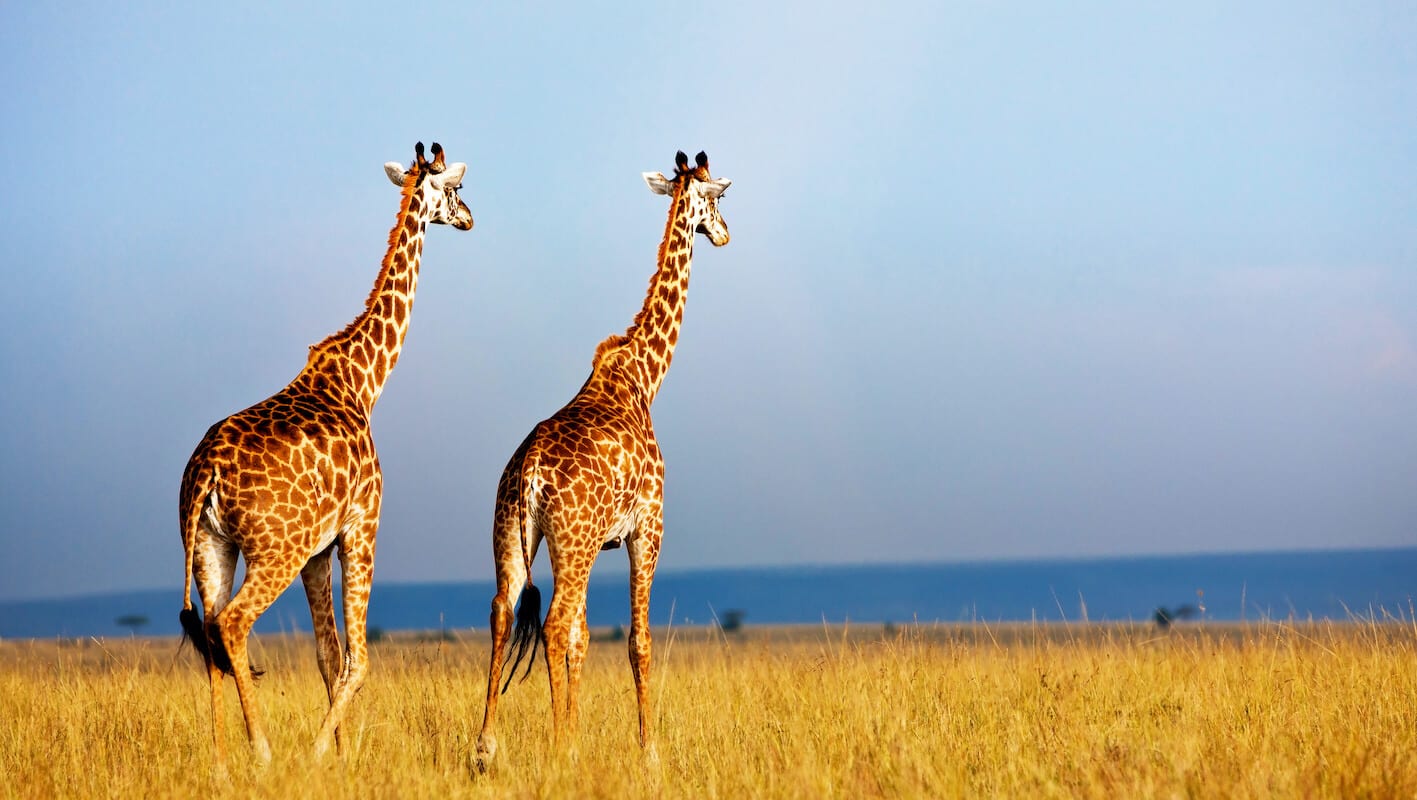
Safari Photography Equipment Guide
Planning a safari? Our comprehensive guide to safari photography equipment covers everything you need to know about cameras, lenses, and accessories.
 Destination Guides
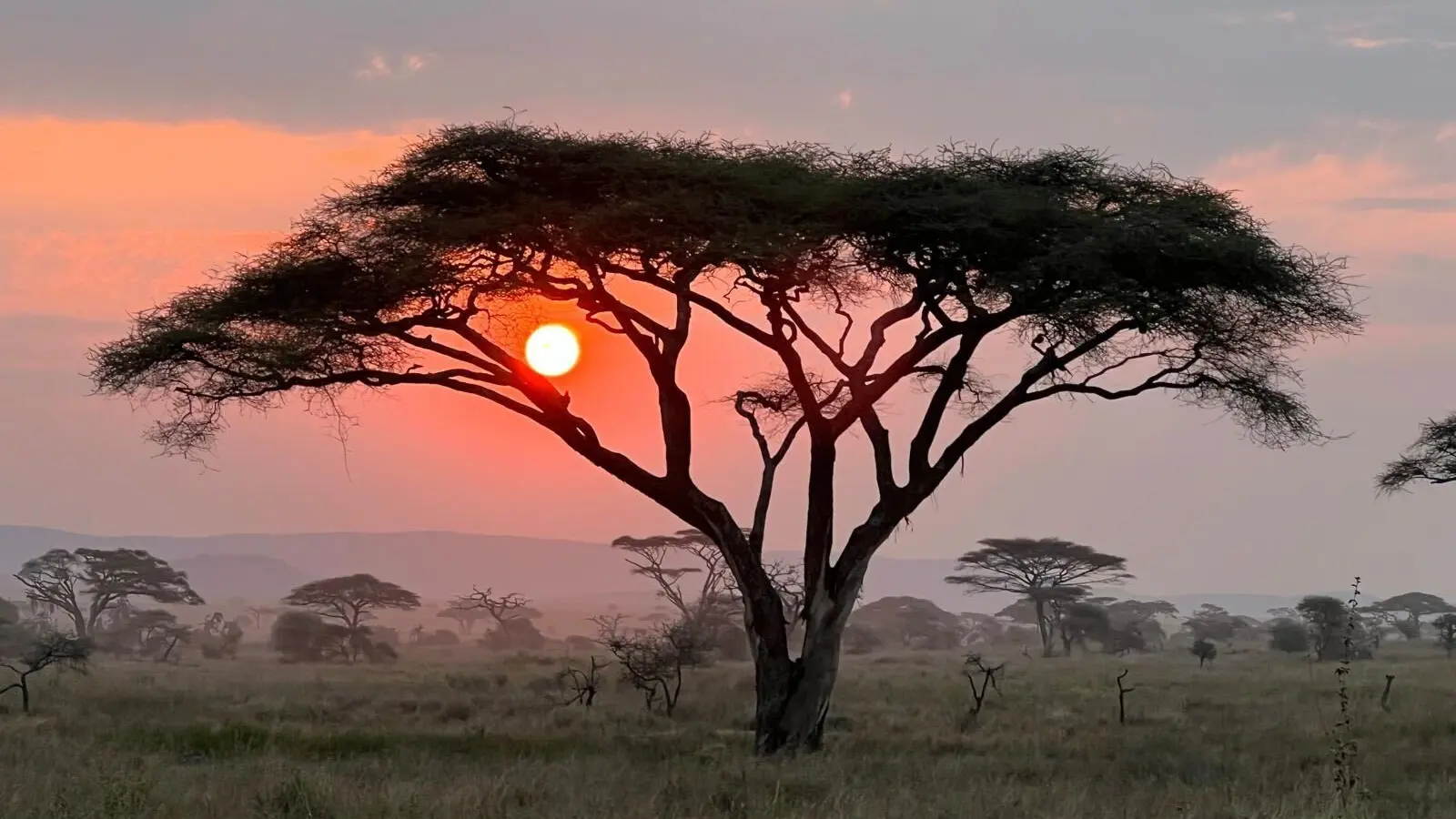
Best Safari Destinations for Photography
Discover everything you need to know about Best Safari Destinations for Photography. From wildlife and landscapes to lodges and activities, this guide covers it