
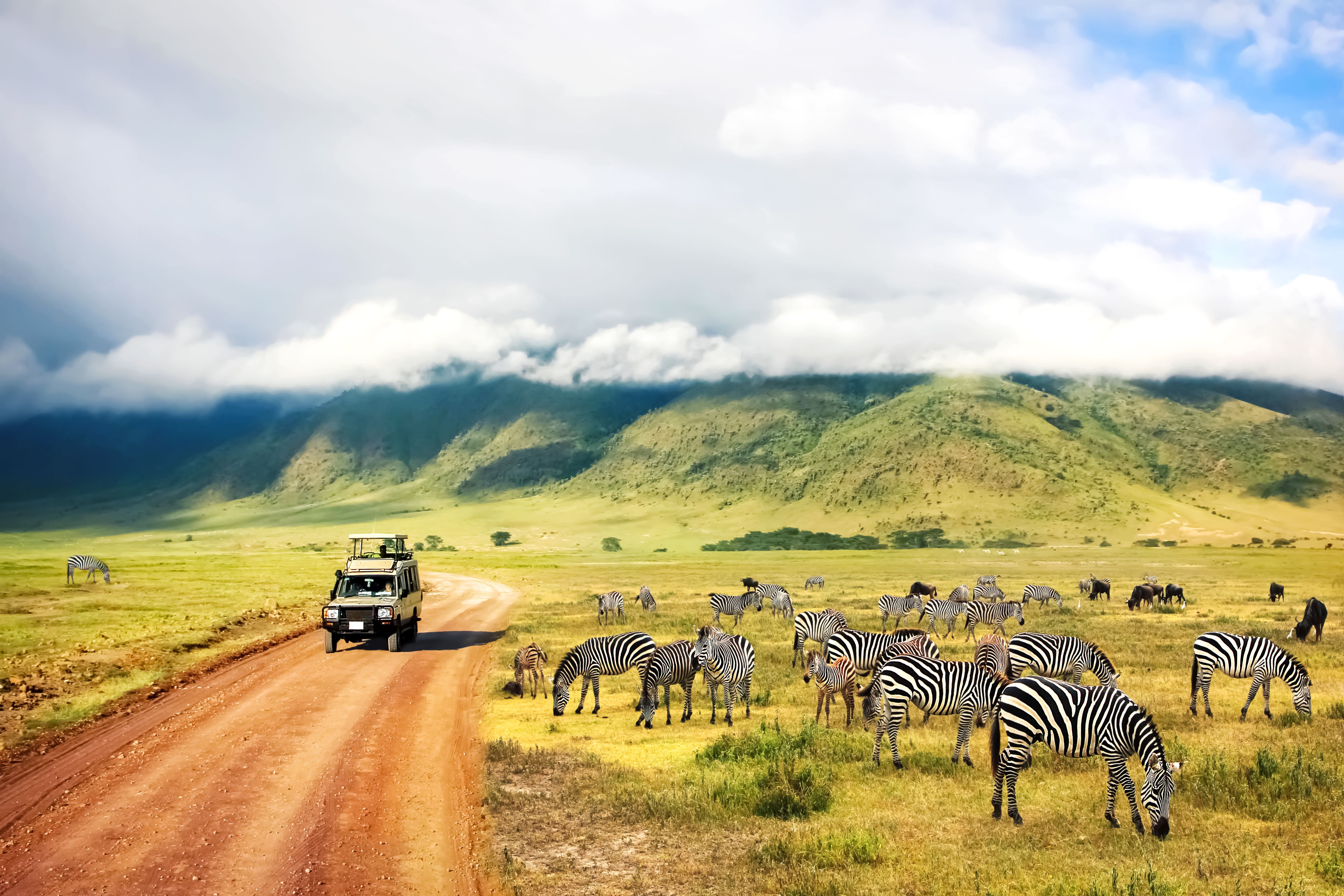
Discover Mikumi National Park, an accessible and affordable safari destination in Tanzania. Learn about its wildlife, activities, and when to visit.
The Mkata Floodplain
Mikumi National Park is often compared to the Serengeti due to its wide-open Mkata Floodplain. This vast grassland is home to large herds of buffalos, zebras, and wildebeests, as well as the predators that follow them. The floodplain is the heart of the park and offers excellent game viewing year-round. For more on Tanzania's diverse destinations, explore our interactive map.
Abundant Wildlife
Mikumi is a great place to see a wide variety of wildlife in a relatively short amount of time. The park is home to four of the Big Five, with lions, elephants, buffalos, and leopards all present. It is also a reliable place to see giraffes, zebras, and a variety of antelope species. The hippo pools in the north of the park are another popular attraction. Our safari operators can help you plan a trip that maximizes your wildlife viewing opportunities.
Still researching? Let us help.
Our advisory team has planned safaris across 9 African countries. We can turn your research into a real plan.
Talk to an AdvisorA Convenient Safari Destination
One of Mikumi's biggest advantages is its accessibility. The park is located just a few hours' drive from Dar es Salaam, making it an ideal destination for a short safari. It is also a more affordable option than some of Tanzania's more famous parks. This combination of convenience and affordability makes Mikumi a great choice for first-time safari-goers. To learn more about planning a budget-friendly safari, visit our knowledge center.
Planning Your Mikumi Adventure
Mikumi National Park can be visited year-round, but the dry season from June to October offers the best game viewing. The park can be reached by road from Dar es Salaam or by a short flight. To get an estimate of the costs for a safari to Mikumi, use our cost calculator. Our team can help you plan a memorable and affordable safari to this beautiful park.
A Haven for Birdwatchers
Beyond the megafauna, Mikumi National Park is a paradise for avian enthusiasts, boasting a checklist of over 400 bird species. The park’s diverse habitats, from open grasslands to miombo woodlands, support a remarkable variety of birds. Birdwatchers can delight in spotting colorful residents like the lilac-breasted roller, bateleur eagle, and yellow-throated longclaw. The hippo pools are not just for large mammals; they also attract a wealth of waterbirds, including fish eagles and various storks. For those seeking more elusive species, the miombo woodlands in the southern part of the park are home to specialties such as the Shelley's sunbird and the pale-billed hornbill. While birding is excellent year-round, the wet season from November to April is particularly rewarding as it welcomes a host of migratory birds from Europe and northern Africa, adding to the spectacle.
Done Reading? Let's Build Your Safari.
Skip the guesswork. Work with an advisor who has been on the ground across East and Southern Africa.
Plan With UsCombining Mikumi with the Southern Circuit
While Mikumi offers a fantastic standalone safari, its strategic location makes it an ideal starting point for a more extensive exploration of Tanzania's Southern Circuit. For a truly comprehensive safari experience, consider combining your visit to Mikumi with trips to the vast Nyerere National Park (formerly Selous Game Reserve) and the rugged Ruaha National Park. This combination allows you to experience a wider range of ecosystems, from Mikumi's open plains to Nyerere's riverine forests and Ruaha's dramatic landscapes. A typical 9-day Southern Circuit itinerary might start with 2-3 days in Mikumi, followed by a flight or drive to Nyerere for boat safaris on the Rufiji River, and culminating in Ruaha, known for its large elephant herds and rare antelope species. This multi-park journey offers a less crowded, more off-the-beaten-path adventure compared to the more famous Northern Circuit.
Accommodation Options in and Around Mikumi
Choosing the right lodge is a key part of any safari experience, and Mikumi offers a range of options to suit different budgets and travel styles. Accommodations are located both inside the park for an immersive bush experience and just outside the main gate for more budget-conscious travelers. For personalized recommendations, our safari operators can help you select the perfect lodge.
Inside the Park: Immersive Wildlife Stays
For those wanting to maximize their time in the wilderness, staying inside the park is the best option. Vuma Hills Tented Camp offers a luxury tented experience perched on a hill with panoramic views of the Mkata Plain. It provides an intimate and exclusive feel, with prices typically ranging from $350 to $500 per person per night. A more rustic option inside the park is the Mikumi Wildlife Camp (Tan-Swiss), which offers simple but comfortable cottages and is well-regarded for its prime location near the hippo pools. Expect to pay around $150 to $250 per person here.
Outside the Park: Value and Convenience
Just outside the park gates, you'll find a variety of lodges offering excellent value. Tan-Swiss Lodge is a popular and reliable choice, known for its clean rooms, swimming pool, and restaurant, with rates from $85 to $120 per night. For travelers on a tighter budget, Mikumi Adventure Lodge provides basic but comfortable ensuite rooms and cottages, with prices starting as low as $50 per night. These lodges provide a comfortable base for exploring the park, though they require a short drive to the entrance each day.
Getting to Mikumi: A Detailed Logistics Guide
One of Mikumi's most significant advantages is its accessibility from Dar es Salaam. The journey is part of the adventure, offering a glimpse into rural Tanzanian life.
By Road: The Classic Safari Drive
The most common way to reach Mikumi is via a road trip on the A7 highway. The 300-kilometer drive typically takes 4 to 6 hours, depending on traffic leaving the city. The road is paved and generally in good condition, making for a comfortable journey. Traveling by private vehicle with a guide allows for flexibility, with opportunities to stop at local markets and villages along the way. This is the classic safari experience and is the method used by most safari operators running trips from the city.
By Train: The Modern and Efficient Route
For a faster and more modern alternative, travelers can now take the new Standard Gauge Railway (SGR) from Dar es Salaam to Morogoro. The train journey itself is swift, taking just under 2 hours. From Morogoro, it's an additional 1.5 to 2-hour drive to the Mikumi park gate. While this option reduces road time, it requires coordinating train schedules with a vehicle transfer, which can add complexity. However, it's an excellent choice for those short on time or looking to experience Tanzania's new infrastructure.
Understanding the Costs: A Mikumi Safari Budget Breakdown
Mikumi is one of Tanzania's more affordable safari destinations, but it's important to understand the associated costs. Park fees are set by the Tanzania National Parks Authority (TANAPA) and are subject to change.
| Cost Item | Non-Resident Adult | Child (5-15) | Details | | -------------------------- | ------------------ | ------------ | -------------------------------------------- | | Park Entry Fee (per 24 hrs) | $30 USD | $10 USD | Grants access to the park for a 24-hour period. | | Vehicle Entry Fee | $20 USD | - | For a standard safari vehicle (e.g., Land Cruiser). | | Night Game Drive | $59 USD | $25 USD | A 2-3 hour guided drive after dark. | | Walking Safari | $23.60 USD | $10 USD | A guided walk with an armed ranger. |
Note: Prices are per person and are subject to change. Always verify current fees before traveling.
Beyond these park fees, your total safari cost will include accommodation, meals, guide fees, and transportation. A budget 2-day, 1-night safari from Dar es Salaam can cost between $350 to $500 per person, while a mid-range option with more comfortable lodging might range from $600 to $800 per person.
Need Expert Safari Guidance?
Get expert advisory support from a firm founded by a former safari guide — with real operational knowledge across 9 African countries and full-journey accountability.
Related Planning Guides
Recommended Reading
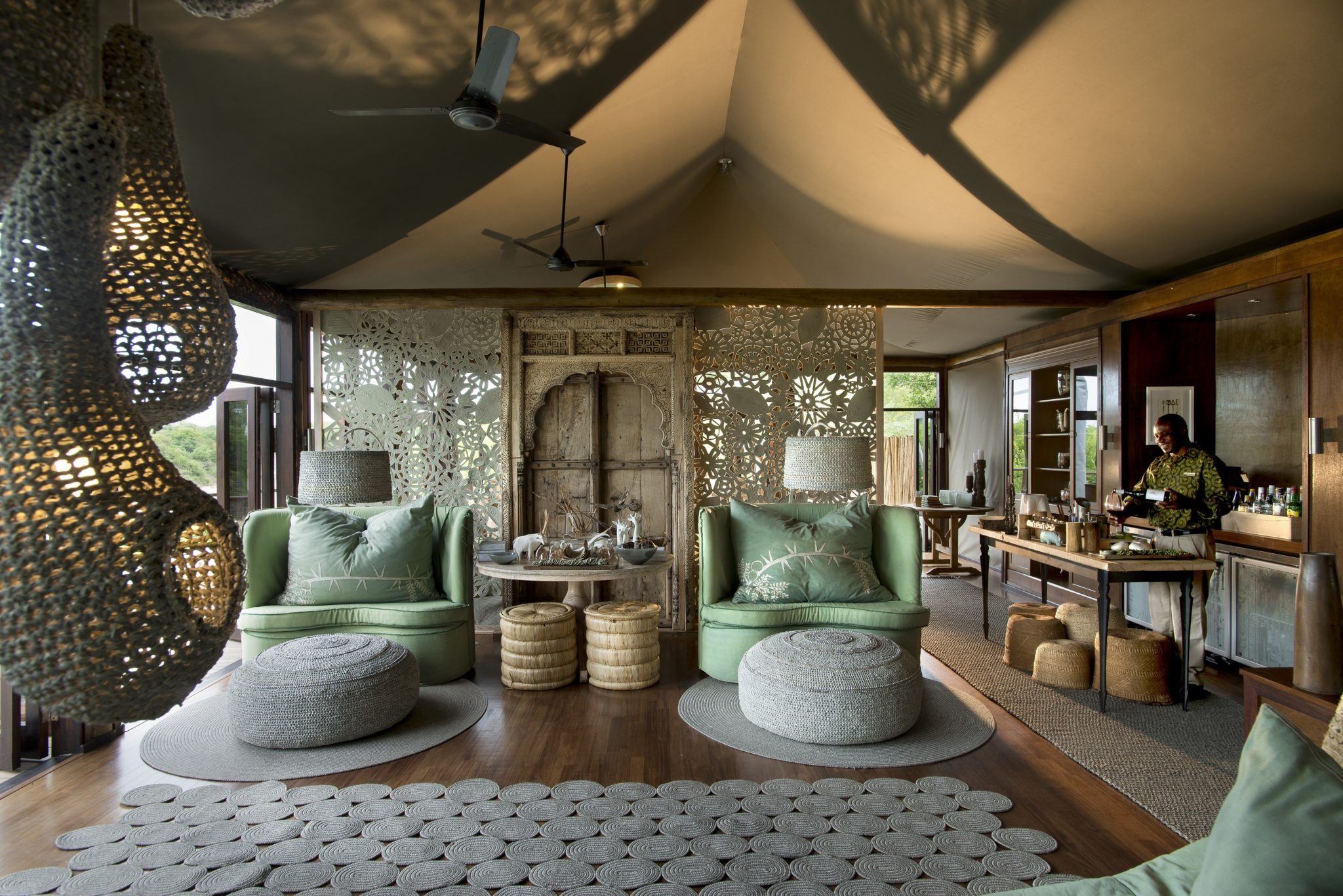 Destination Guides
Pilanesberg National Park: A Malaria-Free Safari
A complete guide to Complete Guide to Pilanesberg National Park. Learn about the wildlife, activities, and best time to visit this amazing destination.
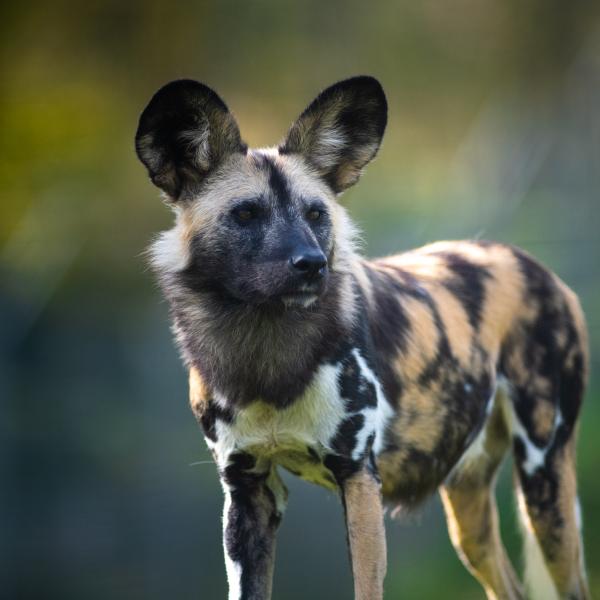 Safari Comparison Articles
Private Conservancy vs National Park Safari
Learn about private conservancy vs national park safari in this comprehensive safari guide covering key insights and practical advice.
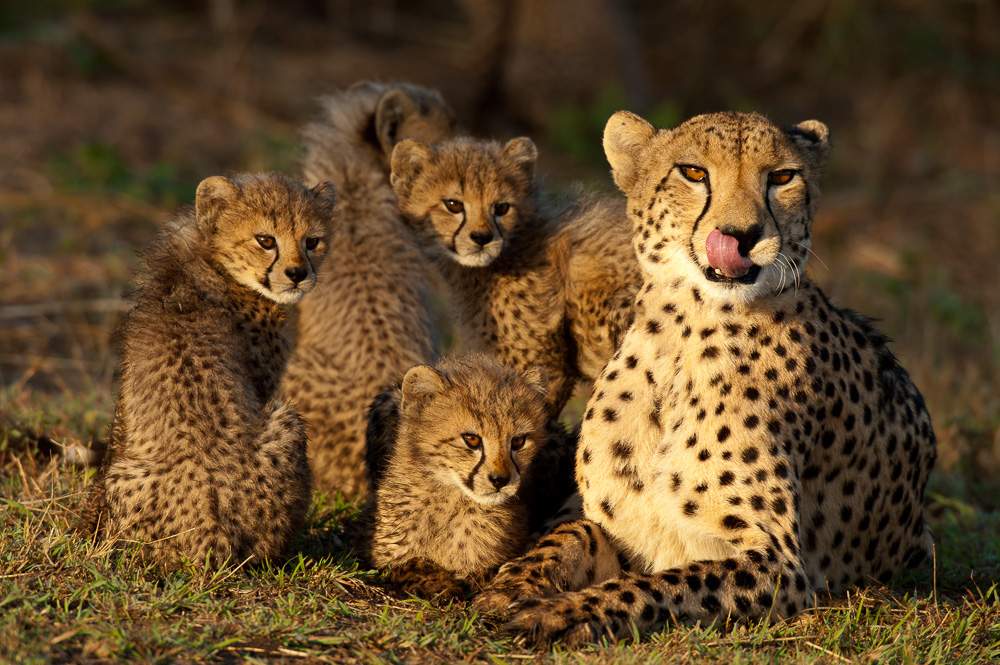 Destination Guides
Arusha National Park: A Day Trip Destination
Explore the diverse landscapes of Arusha National Park, from the Momella Lakes to the Ngurdoto Crater. This guide covers everything you need to know for a day t
 Destination Guides
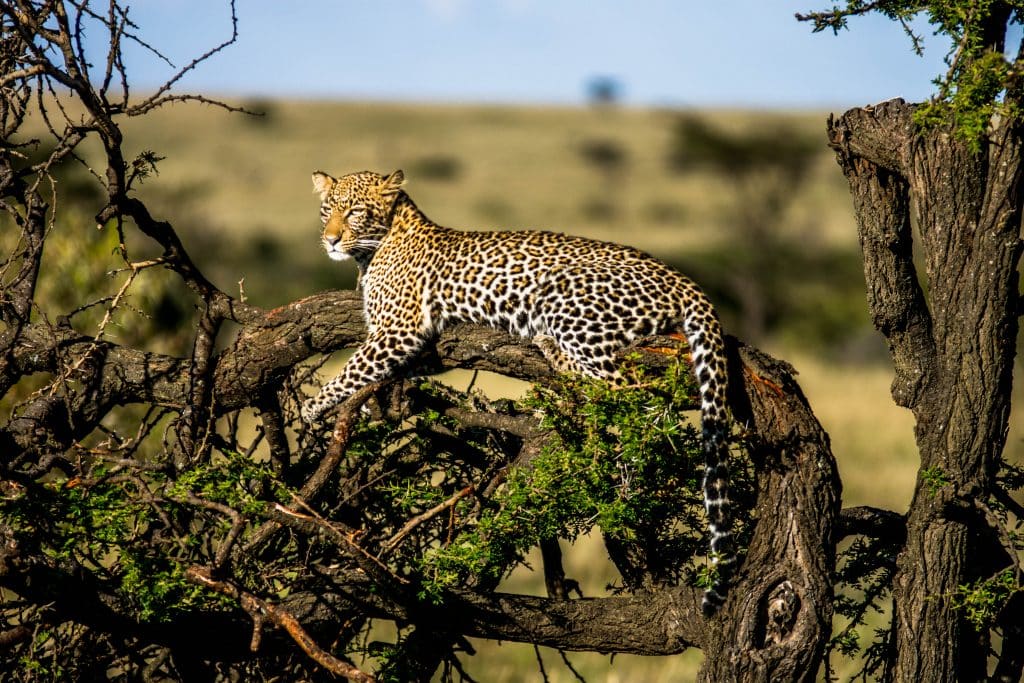
Discovering Lake Manyara National Park
Discover the beauty of Lake Manyara National Park, from its famous tree-climbing lions to the stunning flocks of flamingos. Plan your visit today!
 Safari Operator Articles
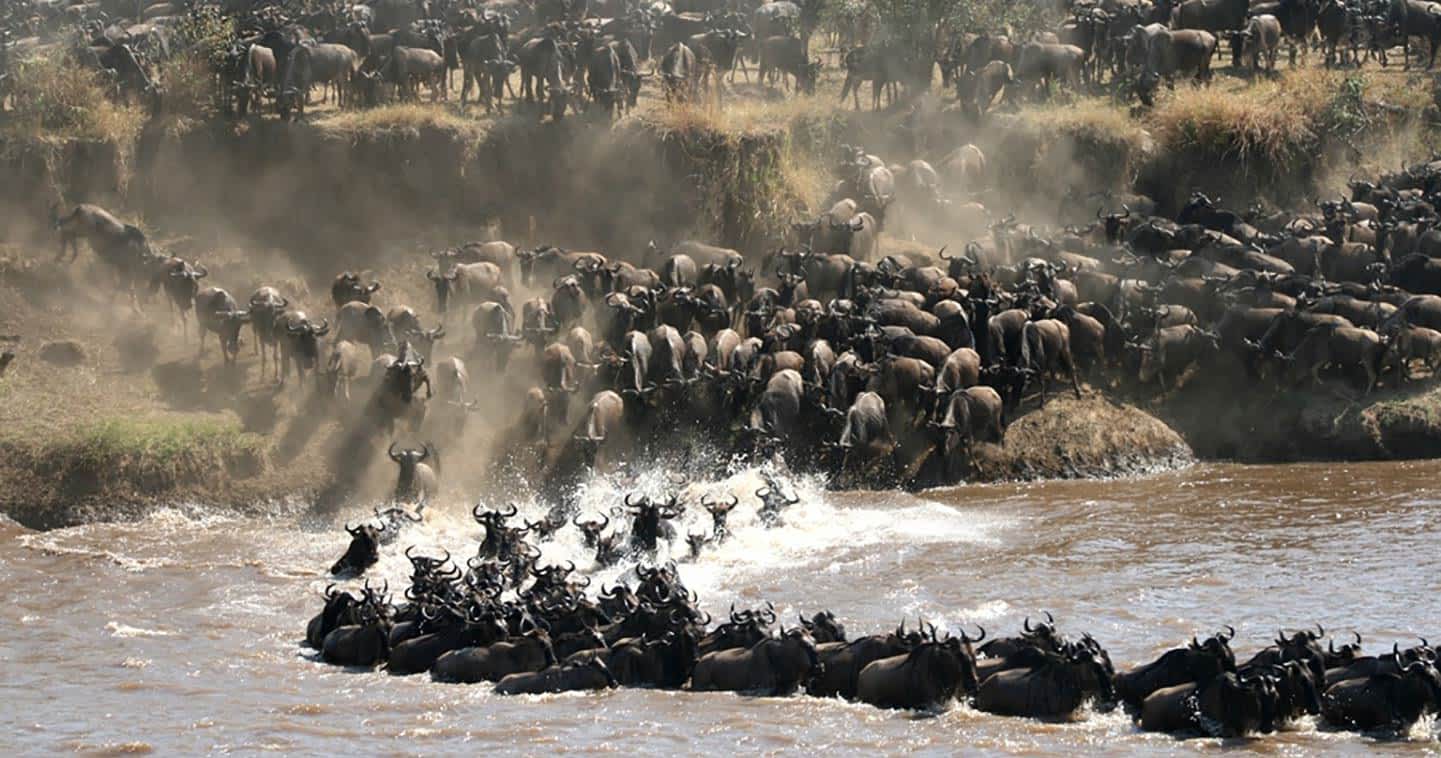
International Safari Operators vs Local Safari Operators
A comparison of international and local safari operators to help you decide which is the right choice for your African safari.
 Safari Operator Articles
Safari Operators That Specialize in Accessible Safaris
A guide to choosing a safari operator that specializes in accessible safaris for travelers with mobility challenges.