
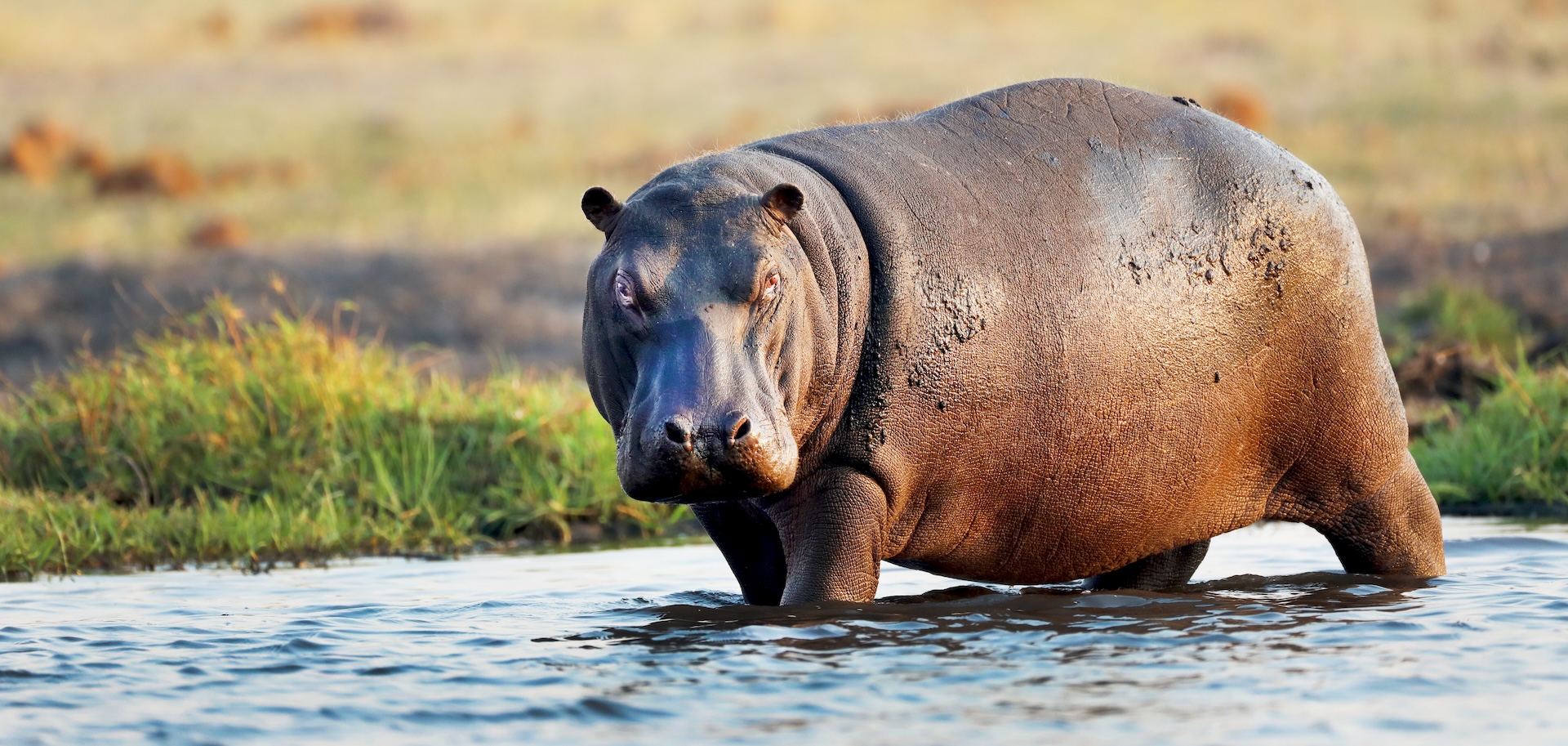
Support wildlife conservation on your African safari. Learn about community projects, anti-poaching, and how to choose a safari that protects wildlife.
Africa's iconic wildlife is a global treasure, but it faces persistent threats from poaching, habitat loss, and human-wildlife conflict. For travelers, a safari is a life-changing experience, and many return with a strong desire to contribute to the protection of the continent's natural heritage. The good news is that a growing number of wildlife conservation projects across Africa are making a real difference, and you can be a part of their success. From community-led initiatives to cutting-edge anti-poaching units, these projects offer a powerful model for a future where both people and wildlife can thrive.
The Rise of Community-Based Conservation
One of the most significant shifts in African conservation has been the move towards community-based models. For decades, the dominant approach was "fortress conservation," which created national parks and reserves that often excluded local communities. This approach created conflict and failed to address the root causes of wildlife decline. Today, a new model is taking hold, one that empowers local communities to become the primary stewards of their natural resources.
How Community Conservancies Work
Community conservancies are areas of land managed by local communities for the benefit of both people and wildlife. These conservancies often border national parks and create vital buffer zones and wildlife corridors. By giving communities a direct stake in conservation, these projects turn wildlife from a liability into a valuable asset. Communities benefit from tourism revenue, employment opportunities, and a greater sense of ownership over their heritage. This model is built on the understanding that the future of Africa's wildlife is inextricably linked to the well-being of its people.
Success Stories from Across Africa
- Kenya: In Kenya, community conservancies now cover more land than the country's national parks. The Northern Rangelands Trust (NRT) is a network of 45 community conservancies that has been instrumental in reducing poaching and protecting endangered species like the black rhino and Grevy's zebra. In the Maasai Mara, community conservancies have been so successful that they now host a higher density of wildlife than the national reserve itself. This is a testament to the power of community-led conservation, where the Maasai people, who have lived alongside wildlife for centuries, are now at the forefront of protecting it.
- Namibia: Namibia was one of the first African nations to enshrine community conservation in its constitution. Today, 86 communal conservancies manage over 20% of the country's land. This has led to a dramatic recovery of wildlife populations, including a tripling of the elephant population and a significant increase in the number of black rhinos. The success of Namibia's conservancies is a powerful example of how giving communities legal rights over their land and wildlife can lead to outstanding conservation outcomes.
- Botswana: In Botswana, the Okavango Delta is a prime example of community-based conservation in action. The Okavango Community Trust (OCT) is a partnership between local communities and safari operators that has been instrumental in protecting this unique ecosystem. Through the OCT, communities benefit directly from tourism revenue, which is then reinvested in local development projects. This has created a strong incentive for communities to protect the wildlife and the environment that attracts tourists in the first place. Projects like Cheetah Conservation Botswana also work with local communities to promote human-wildlife coexistence.
Supporting Anti-Poaching and Wildlife Rescue
While community conservation is a long-term solution, the immediate threat of poaching requires a dedicated response. Many organizations are on the front lines, working to protect wildlife from poachers and rescue animals in distress.
The Role of Anti-Poaching Units
Anti-poaching units are often the first line of defense for Africa's wildlife. These dedicated teams of rangers patrol vast areas, often in difficult and dangerous conditions, to deter poachers and arrest those who break the law. Many of these units are highly sophisticated, using advanced technology like GPS tracking, night vision equipment, and aerial surveillance to monitor wildlife and intercept poachers. In countries like Zimbabwe and South Africa, these units are engaged in a daily battle to protect rhinos, elephants, and other high-value targets.
How You Can Help
Many safari lodges and operators have close partnerships with anti-poaching units and wildlife rescue centers. When you book a safari with a reputable company, a portion of your fees often goes directly to supporting these vital conservation efforts. Some lodges also offer guests the opportunity to visit anti-poaching units, meet the rangers, and learn more about their work. This is a powerful way to see firsthand the challenges and successes of wildlife protection. In South Africa, for example, you can participate in rhino conservation experiences, such as assisting with rhino notching or de-horning, which are essential for monitoring and protecting these critically endangered animals.
Still researching? Let us help.
Our advisory team has planned safaris across 9 African countries. We can turn your research into a real plan.
Talk to an AdvisorThe Importance of Research and Monitoring
Effective conservation requires a deep understanding of wildlife populations, their behavior, and the threats they face. Research and monitoring projects are essential for gathering the data needed to make informed conservation decisions.
Tracking and Monitoring Endangered Species
Many conservation projects focus on tracking and monitoring endangered species like lions, elephants, and rhinos. This often involves fitting animals with GPS collars to track their movements and understand their habitat use. This data is crucial for identifying key wildlife corridors, mitigating human-wildlife conflict, and targeting anti-poaching patrols. In Tanzania, for example, research projects in the Ngorongoro Conservation Area are helping to find solutions to human-wildlife conflict and protect the area's rich biodiversity.
How to Get Involved
Some safari experiences offer guests the opportunity to participate in research and monitoring activities. This could involve tracking lions with a research team, helping to identify individual animals, or setting up camera traps to monitor wildlife populations. These hands-on experiences provide a unique insight into the world of wildlife conservation and allow you to make a direct contribution to the protection of Africa's wildlife. These activities are not just educational; they are a vital part of the conservation process, and your participation can make a real difference.
Choosing a Conservation-Focused Safari
As a traveler, one of the most significant ways you can support wildlife conservation is by choosing a safari operator and lodge that are genuinely committed to sustainability and conservation. Here are a few things to look for:
- Community Partnerships: Does the company have strong partnerships with local communities? Do they support community-owned lodges and conservancies? Look for operators who have a transparent and equitable relationship with their community partners.
- Conservation Funding: Does the company have a clear and transparent mechanism for funding conservation projects? Do they support local anti-poaching units, research projects, or community development initiatives? Ask for specific examples of the projects they support and the impact they are having.
- Ethical Wildlife Viewing: Does the company adhere to strict ethical guidelines for wildlife viewing? Do they maintain a safe distance from animals and avoid any behavior that could disturb or stress them? Responsible operators will prioritize the well-being of the wildlife above all else.
By asking these questions and doing your research, you can ensure that your safari has a positive impact on both the wildlife and the people of Africa. A safari is more than just a vacation; it's an opportunity to connect with the natural world and to be a part of its preservation for generations to come.
Need Expert Safari Guidance?
Get expert advisory support from a firm founded by a former safari guide — with real operational knowledge across 9 African countries and full-journey accountability.
Related Planning Guides
Explore Related Topics
Recommended Reading
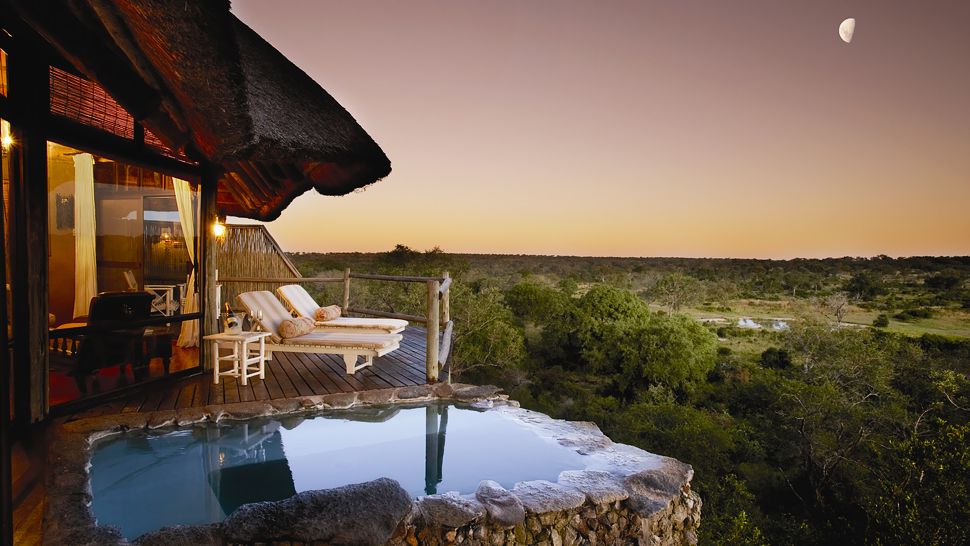 Wildlife Guides
Wildlife Corridor Conservation in Africa
Learn about Africa\
 Additional Safari Topics
Safari Conservation Programs
Discover how your African safari directly supports wildlife conservation, from funding anti-poaching units to empowering local communities. Learn how to travel with purpose.
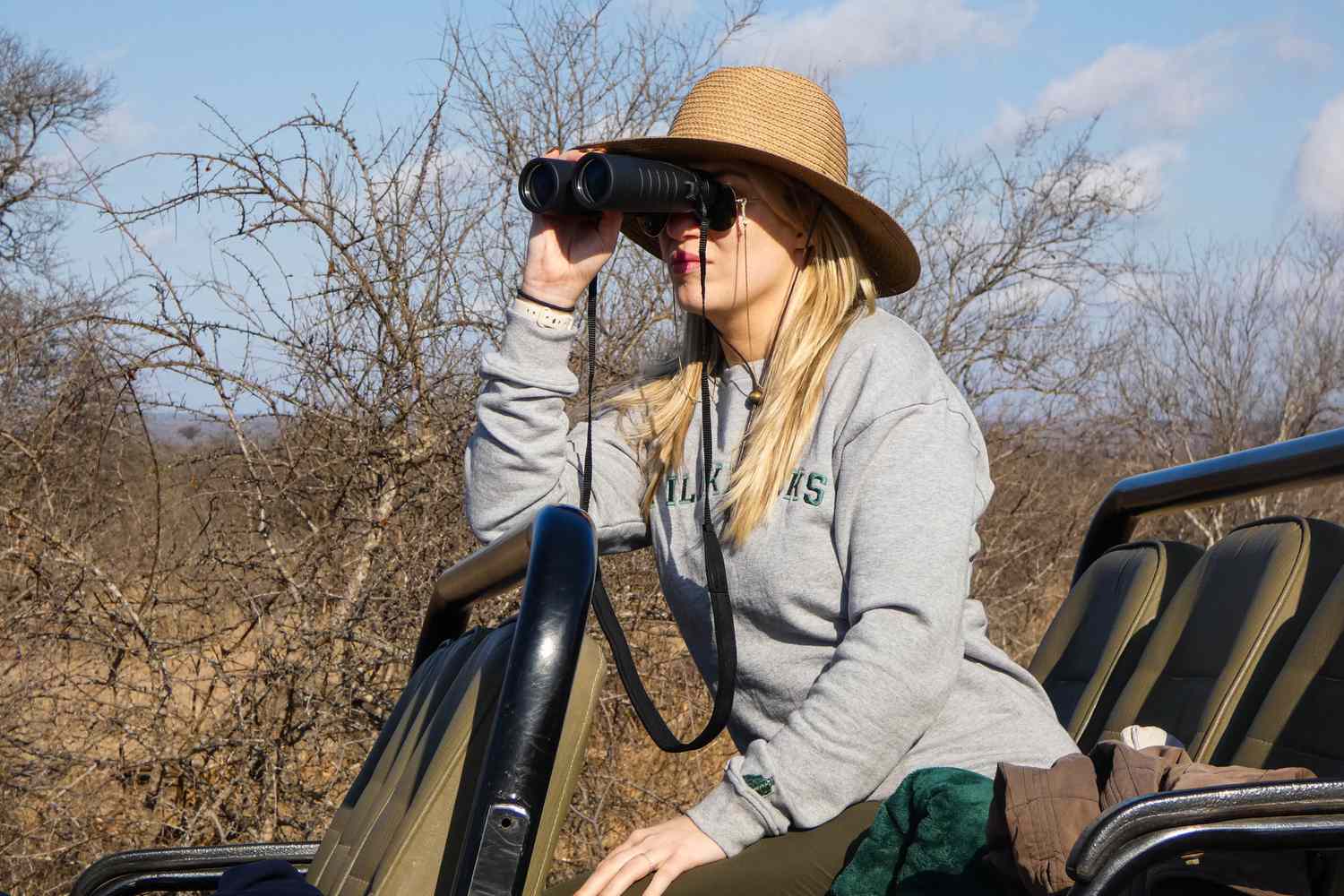 Expert Safari Knowledge
Conservation and Safaris
Discover how your African safari can support wildlife conservation, from funding anti-poaching efforts to empowering local communities. Learn how to choose a responsible safari.
 Safari Comparison Articles
Birding Safari vs Wildlife Safari
An in-depth comparison of Birding Safari vs Wildlife Safari to help you choose the perfect safari experience. Explore the pros, cons, and key differences to mak
 Safari Comparison Articles
Cultural Safari vs Wildlife Safari
An in-depth comparison of Cultural Safari vs Wildlife Safari to help you choose the perfect safari experience. Explore the pros, cons, and key differences to ma
 Safari Comparison Articles
Predator-Focused Safari vs General Wildlife Safari
An in-depth comparison of Predator-Focused Safari vs General Wildlife Safari to help you choose the perfect safari experience. Explore the pros, cons, and key d