
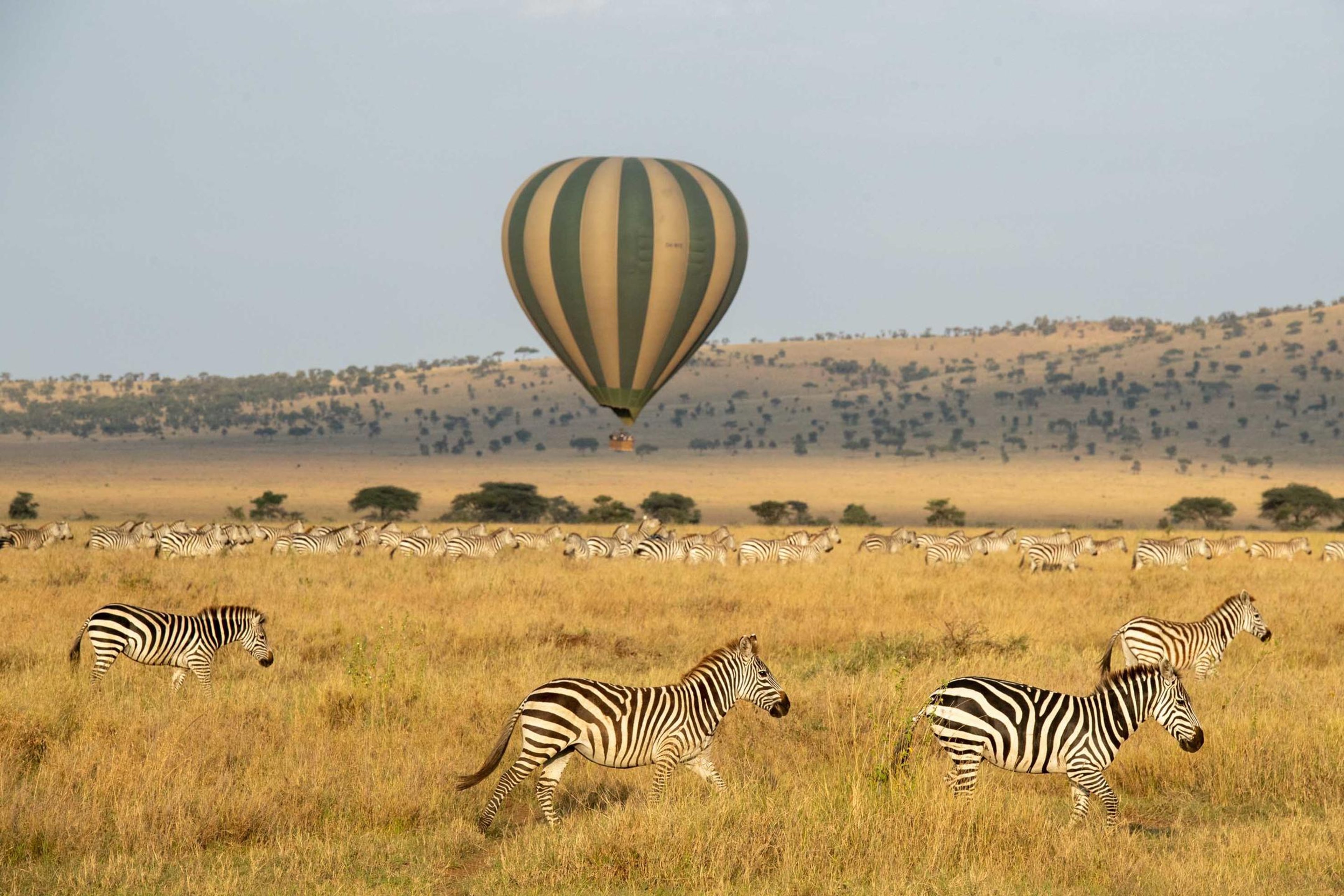
Learn about how to plan a safari for wildlife photography beginners in this comprehensive safari guide covering key insights and practical advice.
Overview
Planning a safari involves many moving parts, and how to plan a safari for wildlife photography beginners is one of the most important considerations. Whether you're a first-time visitor or a seasoned Africa traveler, this guide provides the practical knowledge you need to make informed decisions and create an unforgettable experience.
What You Need to Know
When exploring how to plan a safari for wildlife photography beginners in depth, several factors deserve attention. The geographic diversity of Africa means that conditions, availability, and experiences vary significantly from one region to another. East Africa's open savannas offer a different context than Southern Africa's bushveld or Central Africa's rainforests. Our destination guides provide region-specific information to help you navigate these differences.
Still researching? Let us help.
Our advisory team has planned safaris across 9 African countries. We can turn your research into a real plan.
Talk to an AdvisorPractical Considerations
From a practical standpoint, how to plan a safari for wildlife photography beginners requires attention to both the big picture and the small details. Start by establishing your priorities: what matters most to you on safari? Is it the wildlife, the landscape, the cultural experience, or the level of comfort? Once you've clarified your goals, use our cost calculator to understand the financial implications and our operator directory to find companies that specialize in your preferred type of experience.
Expert Perspective
The safari industry's leading voices agree that how to plan a safari for wildlife photography beginners is an area where knowledge truly makes a difference. As conservation challenges evolve and tourism patterns shift, staying informed helps travelers make choices that benefit both their experience and the destinations they visit. Browse our operator directory to connect with companies that share this commitment to informed, responsible travel.
Next Steps
As you continue planning your African safari, keep how to plan a safari for wildlife photography beginners in mind as an important piece of the puzzle. The more you understand about the various aspects of safari travel, the better positioned you'll be to create an experience that exceeds your expectations. Explore our destinations, browse the knowledge center, and connect with our safari operators to take the next step in your journey.
Done Reading? Let's Build Your Safari.
Skip the guesswork. Work with an advisor who has been on the ground across East and Southern Africa.
Plan With UsChoosing the Right Destination for Beginner Photographers
Not all safari destinations are created equal when it comes to photography. For beginners, the ideal location offers abundant wildlife, open landscapes, and predictable animal encounters. This allows you to focus on learning your camera and practicing composition without the added pressure of tracking elusive subjects.
| Destination | Key Advantages for Photography | Best Time to Visit | | :--- | :--- | :--- | | Maasai Mara, Kenya | Wide-open plains, high density of predators, and the Great Migration (July-October). The landscape is forgiving for photographers, with dramatic acacia trees and golden light. | July to October for the migration; January to March for a quieter season with lush landscapes. | | Serengeti, Tanzania | Vast, iconic landscapes and the year-round presence of the Great Migration herds. The sheer scale of the Serengeti provides endless photographic opportunities. | Year-round, but the location of the migration herds varies. Consult our safari operators for precise timing. | | Kruger National Park, South Africa | Excellent infrastructure, high density of the "Big Five," and opportunities for self-driving. The park's varied ecosystems, from savanna to riverine forest, offer diverse backdrops. | May to September (dry season) for easier wildlife spotting near water sources. | | Okavango Delta, Botswana | Unique water-based safaris (mokoro trips) offer a low-angle perspective. Abundant birdlife and dramatic sunsets over the water. | June to September (dry season) when water levels are high and animals congregate. |
> Expert Insight: For your first photography safari, we highly recommend the Maasai Mara or the Serengeti. The sheer volume of wildlife and open terrain will provide you with constant opportunities to practice and refine your skills. Our destinations guide offers more in-depth information on each of these world-class locations.
Essential Camera Gear for a Beginner's Safari
While professional photographers may carry an arsenal of equipment, a beginner can achieve stunning results with a more modest setup. The key is to invest in the right areas. Here’s a breakdown of what you'll need:
- Camera Body: A DSLR or mirrorless camera with interchangeable lenses is essential. Look for a model that performs well in low light (has a good ISO range) and has a fast burst mode (at least 5-7 frames per second) to capture action sequences.
- Telephoto Zoom Lens: This is the most critical piece of gear for wildlife photography. A lens with a focal range of 100-400mm or 200-500mm is ideal. This allows you to fill the frame with your subject without disturbing the animals.
- Wide-Angle Lens: Don't forget the landscapes! A wide-angle lens (e.g., 16-35mm or 24-70mm) is perfect for capturing the vastness of the African plains, dramatic sunsets, and your safari lodge.
- Extra Batteries and Memory Cards: Safari days are long, and you'll be shooting a lot. Bring at least two extra batteries and several high-capacity memory cards. There's nothing worse than running out of power or storage at a critical moment.
- Beanbag or Monopod: A beanbag is invaluable for stabilizing your camera on the edge of the safari vehicle, especially when using a long lens. A monopod can also be useful in certain situations, though a beanbag is more versatile in a vehicle.
> Traveler's Tip: Renting a high-quality telephoto lens is a cost-effective way to get professional-level gear for your trip without the significant investment. Many reputable online rental companies can ship directly to your home before you depart. Explore our knowledge center for more tips on safari packing.
Mastering Light and Composition on Safari
Your camera is just a tool; it's your understanding of light and composition that will elevate your photos from simple snapshots to compelling images.
The Golden Hours
Early morning and late afternoon are the "golden hours" of safari photography. The light is soft, warm, and directional, creating beautiful textures and long shadows. Plan your game drives to maximize this magical light. Midday sun is typically harsh and flat, so use this time for rest, editing, or focusing on tightly framed portraits where shadows are less of an issue.
Key Compositional Rules
- Rule of Thirds: Imagine your frame is divided into a 3x3 grid. Place your subject at the intersection of these lines to create a more balanced and dynamic composition.
- Leading Lines: Use roads, rivers, or animal paths to lead the viewer's eye into the image.
- Eye Level: Get down to your subject's eye level whenever possible. This creates a more intimate and engaging portrait. A beanbag on the vehicle's door frame can help you get low.
- Framing: Use natural elements like acacia branches or a window at your lodge to frame your subject, adding depth and context to your shot.
The Importance of Your Guide and Vehicle
A knowledgeable guide is arguably more important than any piece of camera gear. A great guide not only knows where to find the animals but also understands the needs of a photographer. They will position the vehicle for the best light and angle, anticipate animal behavior, and be patient while you wait for the perfect moment.
When booking your safari, inquire about the type of vehicle used. For photography, an open-sided vehicle is far superior to one with a pop-top roof. It allows for lower angles and an unobstructed view. Discuss your photographic interests with your safari operators so they can match you with the right operator and guide.
A Word on Post-Processing
Your photographic journey doesn't end when you press the shutter button. Post-processing is where you bring your vision to life. Software like Adobe Lightroom or Capture One allows you to adjust exposure, enhance colors, and crop your images for maximum impact. A basic workflow includes:
- Import and Backup: Immediately back up your photos to a laptop and an external hard drive.
- Cull and Rate: Go through your images and delete the obvious misses. Rate your best shots to identify the keepers.
- Basic Adjustments: Make global adjustments to exposure, contrast, and white balance.
- Creative Edits: Apply local adjustments, sharpening, and noise reduction to enhance your final image.
Planning a safari with photography in mind requires a bit more thought, but the rewards are immeasurable. By choosing the right destination, packing the essential gear, and understanding the fundamentals of light and composition, you'll be well on your way to capturing the magic of Africa. To start crafting your own photographic adventure, plan your safari with our expert team.
Need Expert Safari Guidance?
Get expert advisory support from a firm founded by a former safari guide — with real operational knowledge across 9 African countries and full-journey accountability.
Related Planning Guides
Recommended Reading
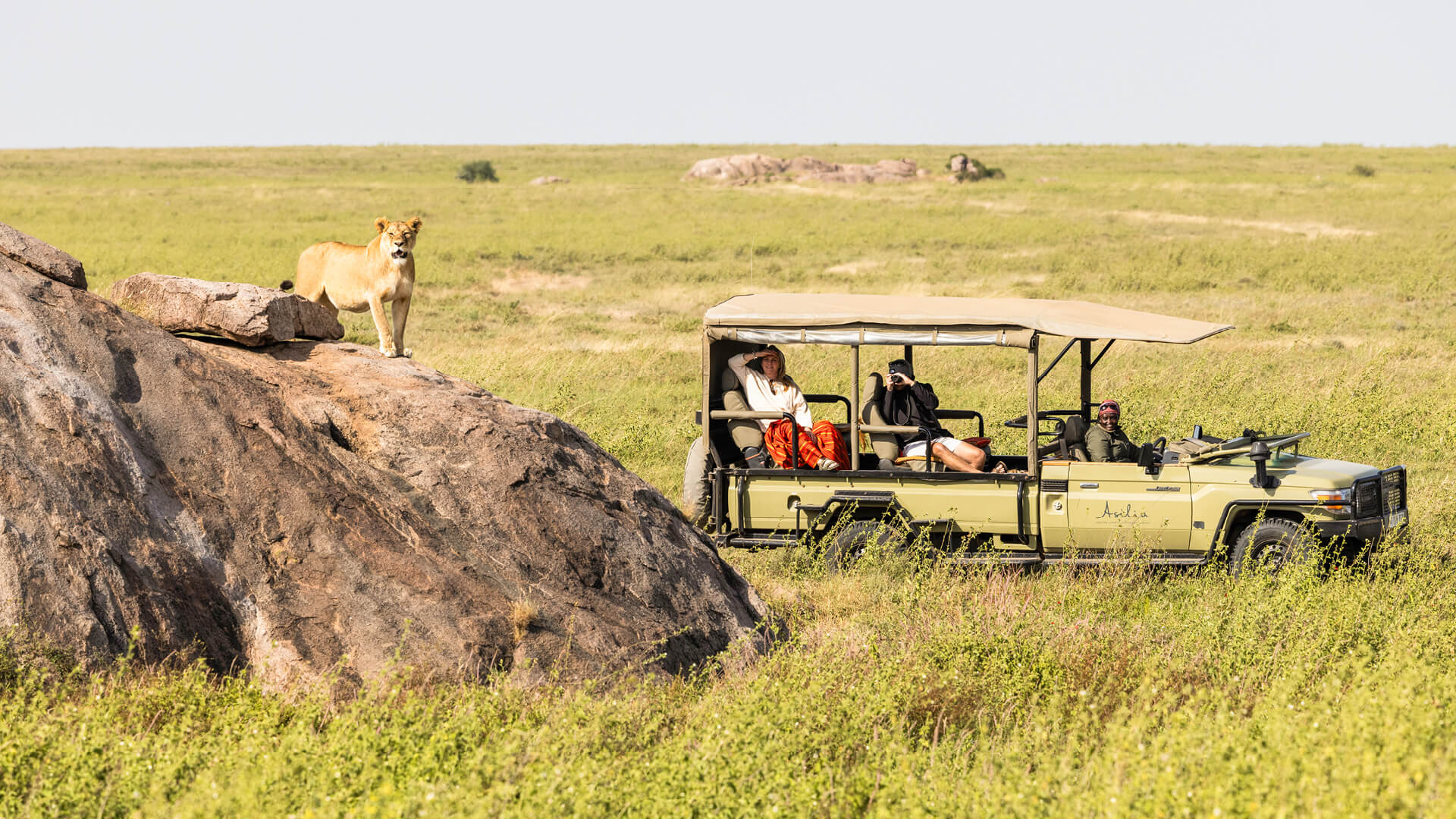 Safari Planning Guides
How to Plan a Safari for Wildlife Research
Discover how to plan your dream safari with our expert guide on How to Plan a Safari for Wildlife Research. Get tips on destinations, costs, and more.
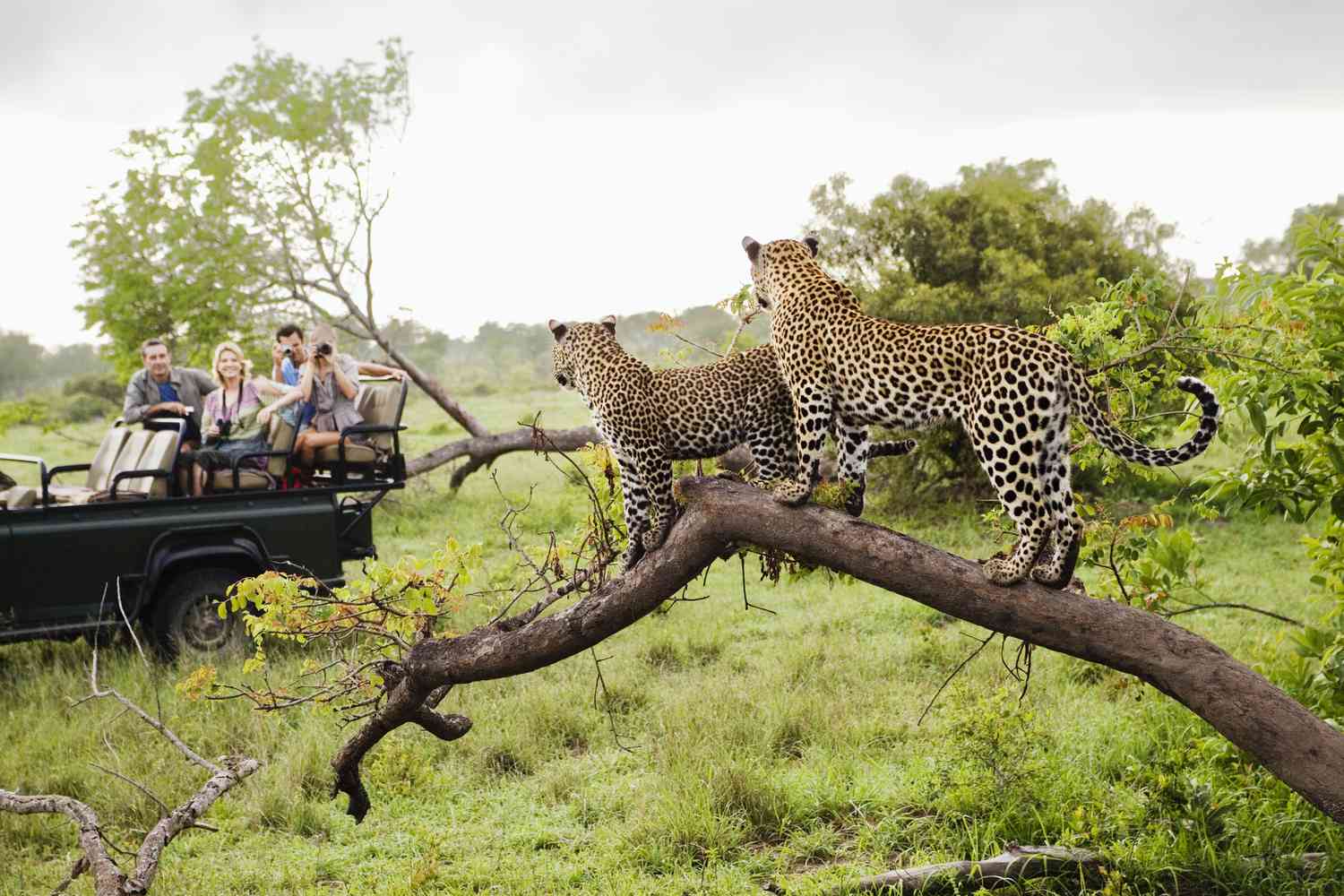 Safari Planning Guides
How to Plan a Safari for Experienced Wildlife Photographers
Learn about how to plan a safari for experienced wildlife photographers in this comprehensive safari guide covering key insights and practical advice.
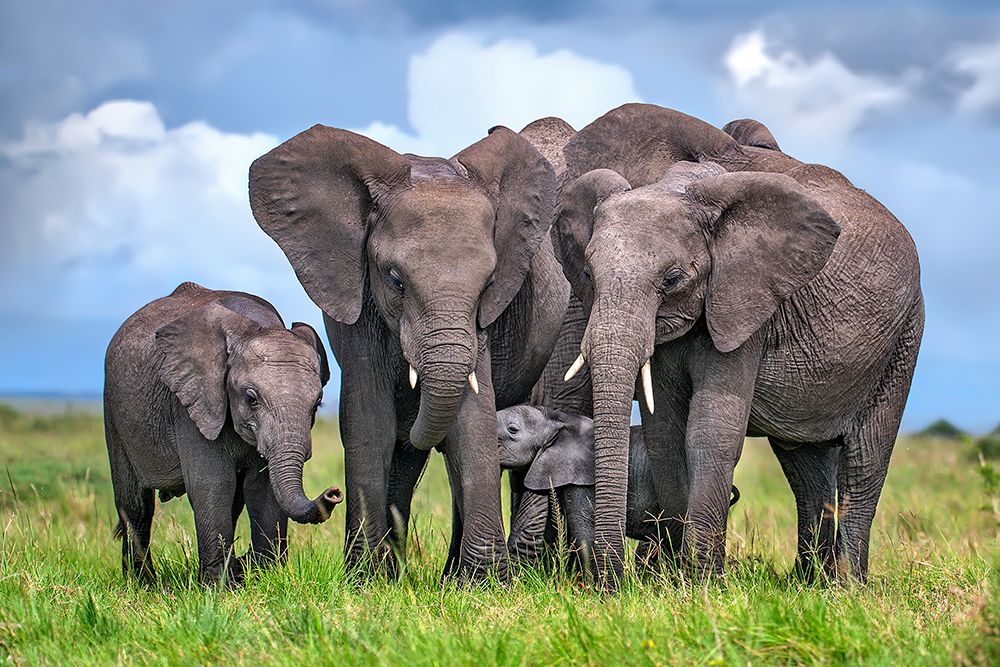 Safari Planning Guides
How to Plan a Safari for Marine Wildlife
Learn about how to plan a safari for marine wildlife in this comprehensive safari guide covering key insights and practical advice.
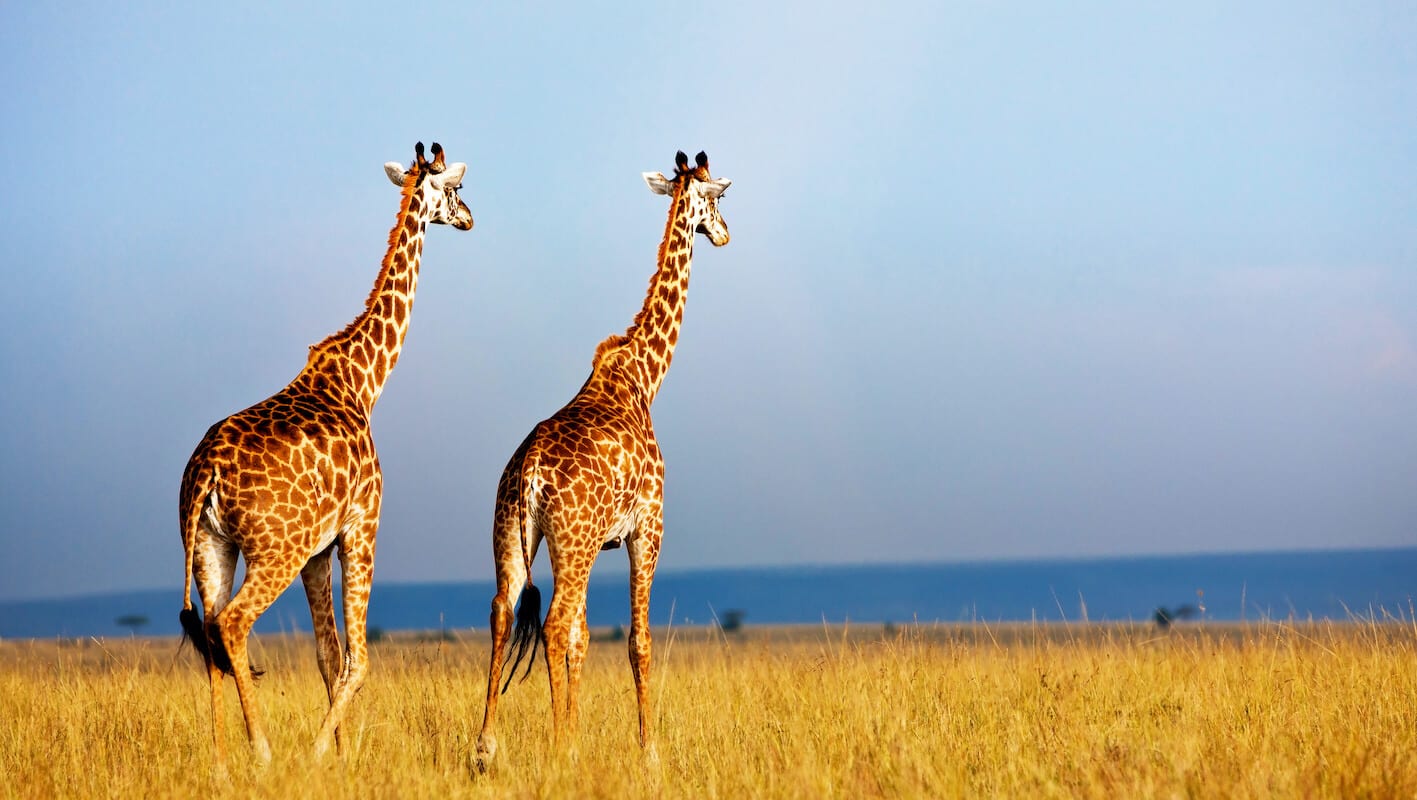 Safari Travel Tips
Safari Photography Equipment Guide
Planning a safari? Our comprehensive guide to safari photography equipment covers everything you need to know about cameras, lenses, and accessories.
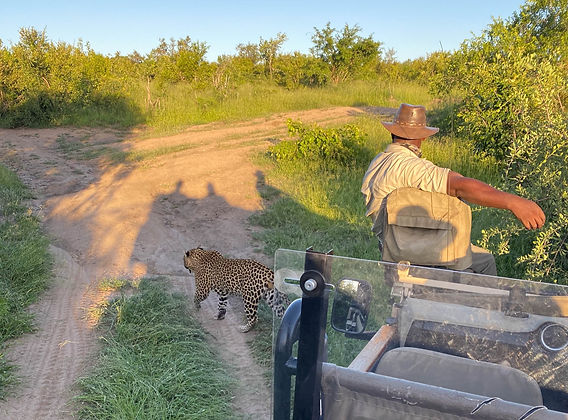 Safari Comparison Articles
Photography Safari vs General Safari
An in-depth comparison of Photography Safari vs General Safari to help you choose the perfect safari experience. Explore the pros, cons, and key differences to
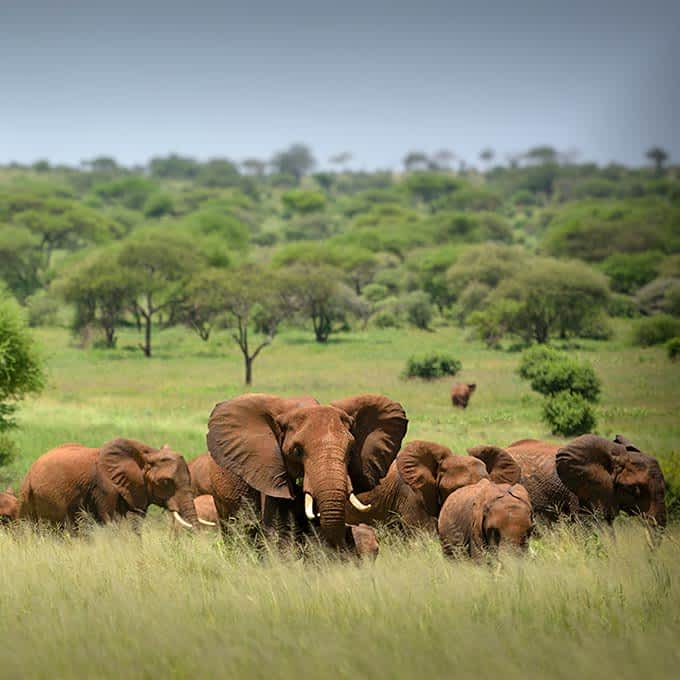 Safari Comparison Articles
Birding Safari vs Wildlife Safari
An in-depth comparison of Birding Safari vs Wildlife Safari to help you choose the perfect safari experience. Explore the pros, cons, and key differences to mak