
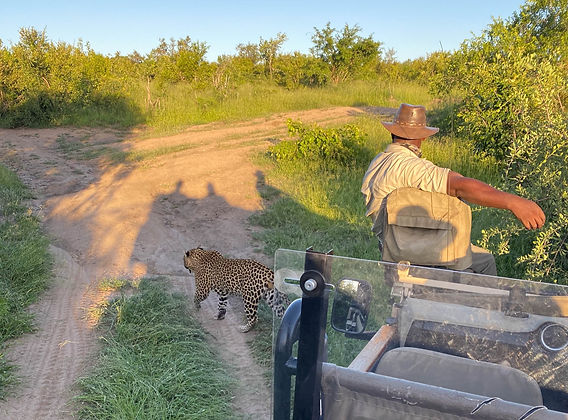
An in-depth comparison of Photography Safari vs General Safari to help you choose the perfect safari experience. Explore the pros, cons, and key differences to
Photography Safari vs General Safari
Understanding photography safari vs general safari can make the difference between a good safari and an extraordinary one. This guide combines insider knowledge with practical advice to ensure you are fully prepared.
Safety and Health Considerations
Safety is paramount when it comes to photography safari vs general safari on safari. Reputable operators maintain strict safety protocols and employ experienced guides who are trained to handle a wide range of situations. Always verify that your chosen operator has proper licensing, insurance, and safety certifications.
Health preparation is an essential component of photography safari vs general safari. Consult with a travel medicine specialist at least six weeks before your departure to discuss vaccinations, malaria prophylaxis, and other health precautions specific to your destinations.
Still researching? Let us help.
Our advisory team has planned safaris across 9 African countries. We can turn your research into a real plan.
Talk to an AdvisorSeasonal Factors and Timing: Photography Safari vs General Safari
The timing of your safari significantly impacts photography safari vs general safari. Dry season months, typically June through October in most East African destinations, offer different conditions than the green season months of November through May. Each period has distinct advantages and considerations.
Peak season brings excellent wildlife viewing but also higher prices and more crowded parks. Shoulder seasons offer a balance of good conditions and fewer crowds. Understanding how seasonal factors affect photography safari vs general safari helps you choose the optimal time for your specific priorities.
Weather patterns across Africa are becoming less predictable due to climate change, which adds another layer of consideration to photography safari vs general safari. Working with operators who have current, on-the-ground knowledge of conditions is more important than ever.
Making the Most of Your Experience
To truly optimize photography safari vs general safari, approach your safari with an open mind and realistic expectations. Africa has a way of surprising even the most experienced travelers, and some of the best moments come from unexpected encounters and unplanned detours.
Finally, remember that a safari is more than just wildlife viewing. The cultural experiences, landscapes, and personal connections you make along the way are equally valuable. Approaching photography safari vs general safari with this broader perspective will enrich your entire journey.
Practical Planning Steps
Step three is creating a detailed plan that accounts for all aspects of photography safari vs general safari. This should include timelines, budgets, backup options, and contingency plans. The most successful safari travelers are those who plan thoroughly while remaining flexible enough to adapt to changing conditions.
Step two involves researching your options thoroughly. Compare different destinations, operators, and approaches to photography safari vs general safari. Read reviews from verified travelers, consult with safari operators, and cross-reference information from multiple sources.
Done Reading? Let's Build Your Safari.
Skip the guesswork. Work with an advisor who has been on the ground across East and Southern Africa.
Plan With UsUnderstanding the Fundamentals
The foundation of photography safari vs general safari begins with understanding the basic principles. Safari environments across Africa present unique conditions that differ significantly from what most travelers are accustomed to. In East Africa, the vast savannas of Kenya and Tanzania create one set of considerations, while the dense forests of Uganda and Rwanda present entirely different challenges. Southern African destinations like Botswana and South Africa add yet another dimension.
Experienced safari operators emphasize that preparation is the single most important factor in photography safari vs general safari. This means doing your research well in advance, consulting with knowledgeable advisors, and being willing to adapt your plans based on current conditions. The best safari experiences come from travelers who approach their journey with both enthusiasm and informed flexibility.
The Critical Difference: Your Guide and Vehicle
A key distinction between a photography safari and a general safari lies in the specialization of your guide and the configuration of your vehicle. On a general safari, you will typically be in a standard 4x4 vehicle, often a Toyota Land Cruiser or Land Rover, with a pop-top roof that allows for standing views. Your guide will be an expert in animal behavior and ecology, focused on helping you spot a wide range of species.
In contrast, a dedicated photography safari elevates this experience. The vehicle is often a highly modified, open-sided 4x4, allowing for much lower camera angles and unobstructed views. These vehicles usually accommodate fewer guests—perhaps only three or four photographers, each with a full row of seats for their gear. More importantly, your guide is often a professional photographer themselves. They understand the nuances of light, composition, and positioning. Instead of just getting you close to an animal, a photographic guide will position the vehicle to capture the best morning light on a leopard's coat or to frame a giraffe against the setting sun.
Pace and Itinerary: The Golden Hour Rules
The daily rhythm of a photography safari is fundamentally different. While a general safari might consist of a morning game drive followed by an afternoon one, a photography safari is dictated entirely by the quality of light. Your day will start well before sunrise to be in position for the 'golden hour,' that magical period of soft, warm light. You may stay with a single subject for hours, waiting for the perfect moment—a behavior, an interaction, or a change in light. Patience is paramount.
For example, on a photography safari in the Maasai Mara in Kenya, a group might spend an entire morning with a cheetah family, waiting for the mother to initiate a hunt. A general safari tour would likely have moved on after 20 minutes to check off other sightings. The midday, when the sun is harsh and high, is often reserved for rest, photo editing workshops, and equipment maintenance back at the lodge, before heading out again in the late afternoon for the evening's golden light.
Destination and Lodge Specialization
Certain destinations and lodges cater specifically to the needs of photographers. While you can take great photos anywhere, places like Zimanga Private Game Reserve in South Africa have become world-renowned for their specialized photographic hides. These hides are built at water level, allowing for incredibly intimate and unique perspectives of wildlife. Similarly, a mokoro (dugout canoe) safari in Botswana's Okavango Delta offers unparalleled opportunities for low-angle bird and wildlife photography. Lodges in these areas may also feature 'digital darkrooms' with high-end computers and software for guests to use.
Related Resources
For more information on planning your safari, explore our destination guides, browse the safari operator directory, or connect with an experienced safari planning guide for personalized guidance.
Need Expert Safari Guidance?
Get expert advisory support from a firm founded by a former safari guide — with real operational knowledge across 9 African countries and full-journey accountability.
Related Planning Guides
Recommended Reading
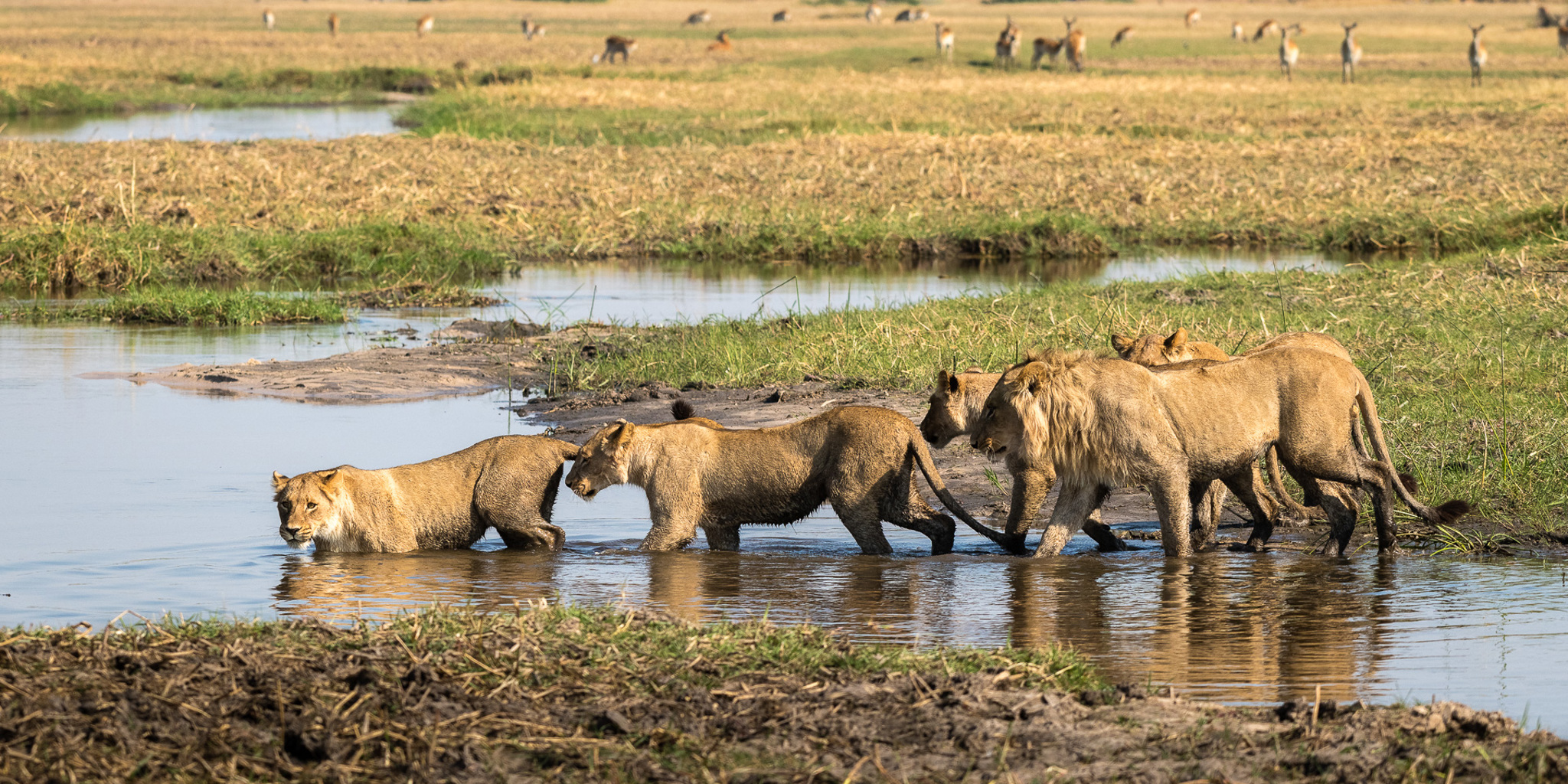 Safari Comparison Articles
Predator-Focused Safari vs General Wildlife Safari
An in-depth comparison of Predator-Focused Safari vs General Wildlife Safari to help you choose the perfect safari experience. Explore the pros, cons, and key d
 Safari Operator Articles
Specialist Safari Operators vs General Safari Operators
A comparison of specialist and general safari operators to help you choose the right type of operator for your specific interests.
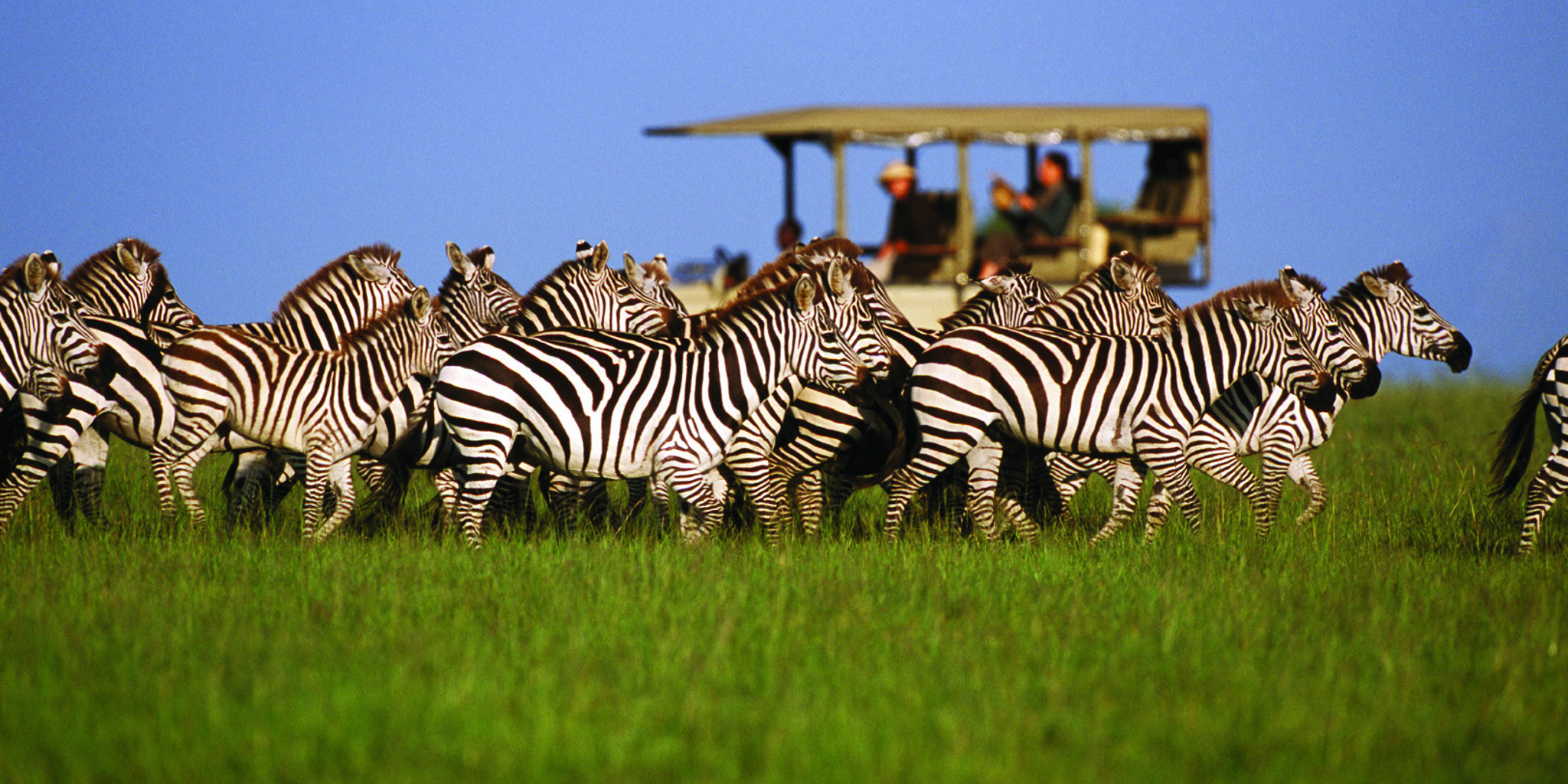 Safari Safety
Safari Photography Safety
Learn how to practice safe safari photography with our expert guide. Discover essential tips for protecting your gear, respecting wildlife, and taking great photos.
 Safari Travel Tips
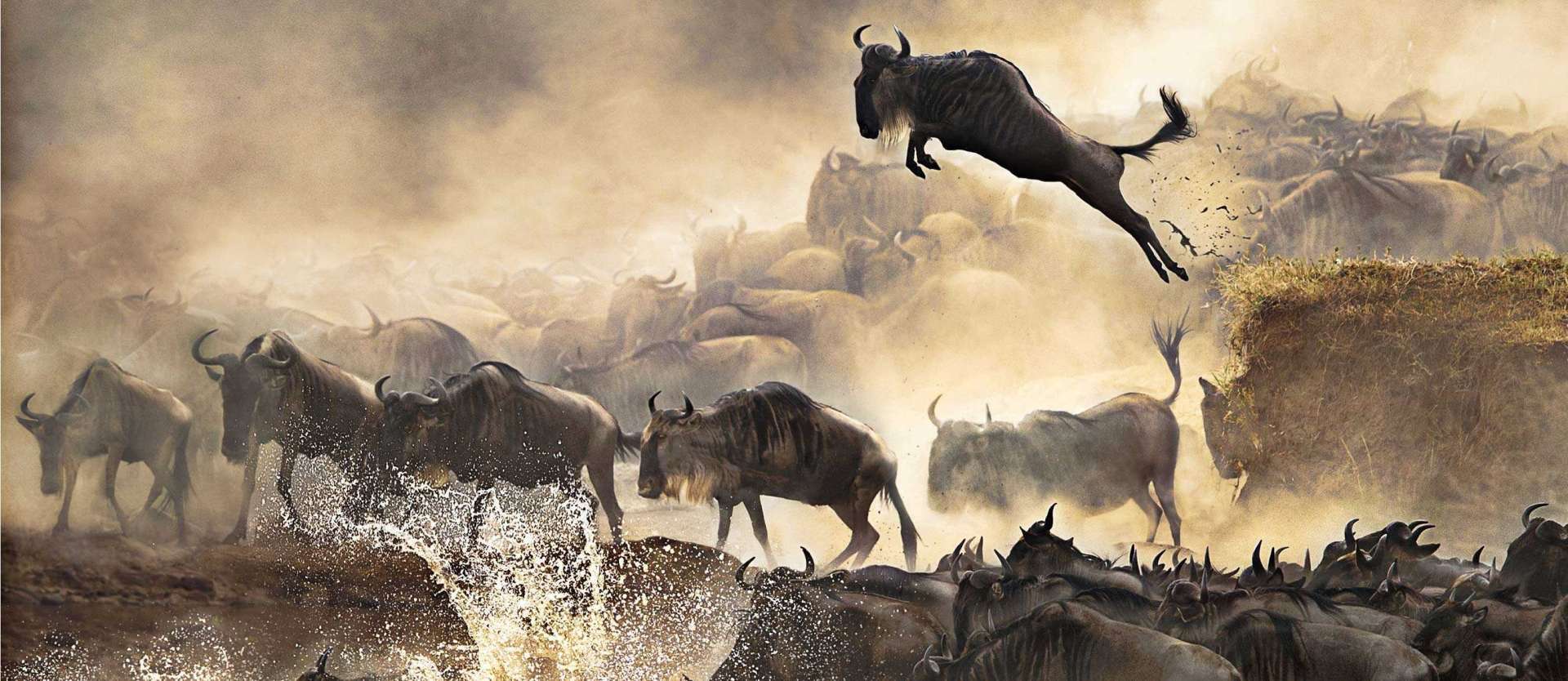
Safari Photography Tips
Master your safari photography with our expert tips on cameras, lenses, settings, and composition. Learn how to capture stunning wildlife photos in Africa.
 Safari Travel Tips
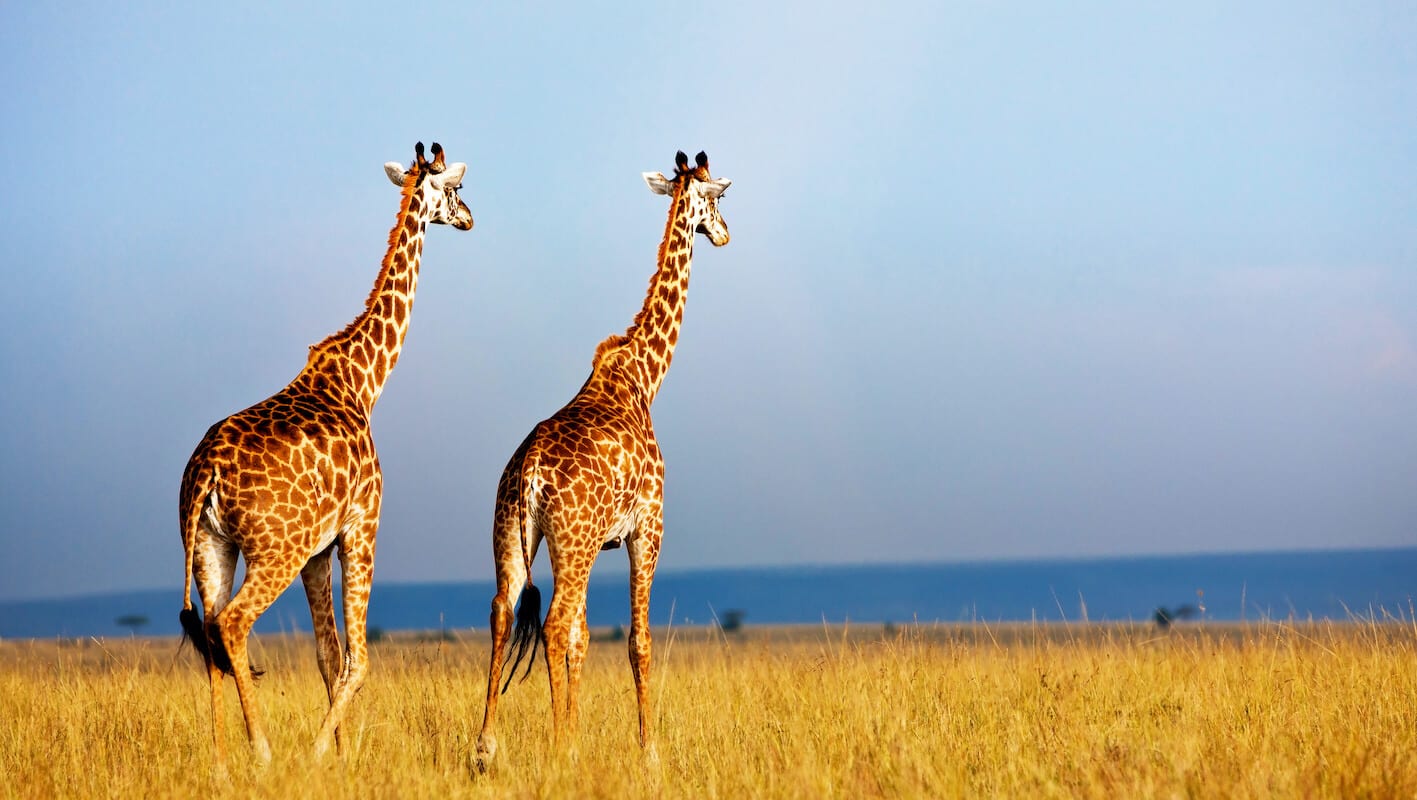
Safari Photography Equipment Guide
Planning a safari? Our comprehensive guide to safari photography equipment covers everything you need to know about cameras, lenses, and accessories.
 Expert Safari Knowledge
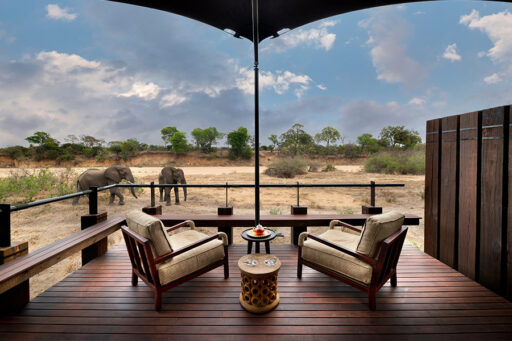
Safari Photography Ethics
Learn the essential principles of ethical safari photography, from respecting wildlife and choosing the right gear to cultural sensitivity and responsible sharing.