
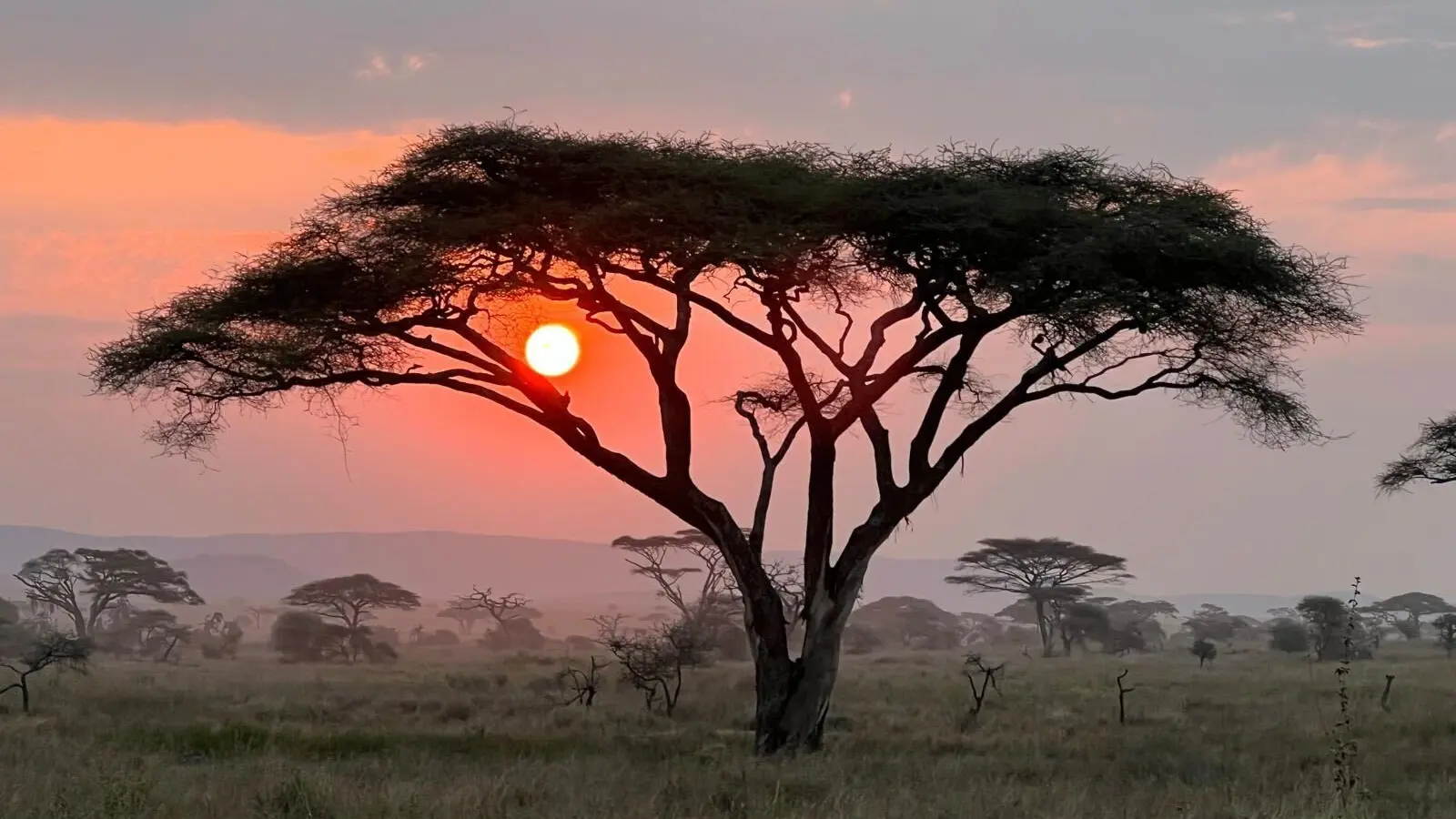
Discover everything you need to know about Best Safari Destinations for Photography. From wildlife and landscapes to lodges and activities, this guide covers it
Introduction to Best Safari Destinations for Photography
Understanding best safari destinations for photography is essential for anyone planning a safari in Africa. This topic encompasses a range of considerations that can significantly impact your travel experience, from practical logistics to wildlife encounters that create lasting memories.
Key Details and Considerations
Several critical factors influence best safari destinations for photography in the African safari context. Geographic location, time of year, and the specific activities you're interested in all play important roles. The diversity of Africa's safari destinations means that no two experiences are alike, and understanding these nuances helps you plan more effectively. Our destination guides provide detailed information for each region.
Still researching? Let us help.
Our advisory team has planned safaris across 9 African countries. We can turn your research into a real plan.
Talk to an AdvisorPractical Advice
Putting your knowledge of best safari destinations for photography into practice requires a systematic approach. Begin by defining your priorities and non-negotiables, then research destinations and operators that align with your vision. Our operator directory features thousands of safari companies across 17 African countries. Compare options carefully, read reviews, and don't hesitate to ask detailed questions before committing to a booking.
Expert Insights
Industry experts emphasize that best safari destinations for photography continues to evolve as safari tourism grows and adapts to new challenges. Conservation-focused tourism, community engagement, and sustainable practices are increasingly important considerations for discerning travelers. By choosing operators who prioritize these values, you contribute to the long-term preservation of Africa's wild places. Browse our operator directory to find companies committed to responsible tourism.
Planning Your Next Steps
In summary, best safari destinations for photography is a multifaceted topic that rewards careful study and thoughtful planning. Whether you're a first-time safari traveler or a returning enthusiast, staying informed about the latest developments and best practices ensures the best possible experience. Explore our destinations, consult our safari operators, and use our cost calculator to begin planning your African adventure today.
Done Reading? Let's Build Your Safari.
Skip the guesswork. Work with an advisor who has been on the ground across East and Southern Africa.
Plan With UsChoosing the Right Gear for Safari Photography
While the photographer’s eye is the most important tool, the right equipment can dramatically improve your safari photography. Choosing gear is a balance between capability, budget, and what you’re willing to carry. Here’s a breakdown of what to consider:
Cameras: DSLR vs. Mirrorless
- DSLR (Digital Single-Lens Reflex): For years, DSLRs were the standard for professional wildlife photographers. They offer excellent image quality, a wide range of lens choices, and long battery life. However, they can be bulky and heavy.
- Mirrorless: Modern mirrorless cameras now match or even exceed the performance of DSLRs in many areas. They are typically smaller, lighter, and offer features like silent shooting (perfect for not disturbing wildlife) and advanced autofocus systems. The electronic viewfinder also provides a real-time preview of your exposure.
Lenses: Your Most Critical Choice
A good telephoto lens is non-negotiable for safari. Wildlife is often distant, and getting close without disturbing the animals is paramount.
- Telephoto Zoom Lenses (e.g., 100-400mm, 200-600mm): These are the most versatile and popular choices for safari. They allow you to adapt to various situations, from capturing a wide landscape with animals to zooming in on a distant leopard in a tree.
- Prime Lenses (e.g., 400mm f/2.8, 600mm f/4): Prime lenses have a fixed focal length and offer superior image quality and low-light performance. However, they are expensive, heavy, and less flexible than zooms.
- Wide-Angle Lens (e.g., 16-35mm, 24-70mm): Don’t forget to pack a wider lens! These are essential for capturing the vast landscapes of the African savanna, dramatic skies, and for shots that include the environment around the wildlife.
> Expert Insight: A second camera body with a different lens attached can be a lifesaver. For example, keep a telephoto lens on one body for wildlife and a wide-angle on another for landscapes. This avoids frantic lens changes and missed opportunities.
Essential Accessories
- Beanbag: A beanbag is more useful than a tripod on safari. You can rest it on the vehicle’s window frame or roof for stability, which is crucial when using long lenses.
- Extra Batteries and Memory Cards: You’ll be shooting a lot, and you don’t want to run out of power or storage. Bring more than you think you’ll need.
- Dust Blower and Lens Cloths: Safari vehicles can be dusty. Keeping your sensor and lenses clean is essential for image quality.
Mastering Light: The Golden Hours and Beyond
Light is the single most important element in photography. On safari, the quality and direction of light change dramatically throughout the day.
The Golden Hours
The “golden hours”—the first hour after sunrise and the last hour before sunset—provide the most beautiful light for photography. The low-angled, warm light creates a magical glow, long shadows, and brings out the rich colors of the landscape and animals. Plan your game drives to maximize your time during these periods.
Handling Midday Sun
The midday sun in Africa is harsh and direct, creating strong, unflattering shadows and washed-out colors. While it’s the most challenging time to shoot, you can still get great images:
- Focus on High-Contrast Black and White: The strong shadows can be used to your advantage to create dramatic black and white photos.
- Look for Open Shade: Animals resting under trees can be beautifully lit by the soft, diffused light.
- Capture Action: The bright light is perfect for freezing action, such as a bird in flight or a running herd of zebra.
> Traveler's Tip: Don't put your camera away just because the sun is high. Some of the most unique and dramatic shots can be taken in the middle of the day. For more tips on planning your safari, visit our knowledge center.
Composition and Storytelling
A great photograph does more than just document a scene; it tells a story. Here are some compositional techniques to elevate your safari photography:
- Rule of Thirds: Imagine your frame is divided into a 3x3 grid. Place your subject on one of the intersecting lines to create a more balanced and dynamic composition.
- Leading Lines: Use roads, rivers, or even the direction of an animal’s gaze to lead the viewer’s eye through the image.
- Eye Level: Get down to the animal’s eye level whenever possible. This creates a more intimate and engaging portrait.
- Capture Behavior: The most memorable wildlife photos often capture a specific behavior or interaction. Be patient and wait for moments like a lion yawning, a giraffe drinking, or a tender moment between a mother and her young.
Ethical Wildlife Photography
As photographers, we have a responsibility to protect the wildlife we are documenting. Always follow these ethical guidelines:
- Respect the Animals' Space: Never pressure your guide to get too close to an animal. A stressed animal is not only a danger to you but also a sign of unethical wildlife viewing.
- No Baiting: Never use food to attract animals for a photo.
- Be Quiet: Loud noises can disturb wildlife and ruin a sighting for everyone.
- Listen to Your Guide: Your guide is an expert on the local wildlife and their behavior. Always follow their instructions.
By practicing ethical photography, you help ensure that these incredible animals and their habitats are preserved for generations to come. To start planning your own ethical safari adventure, plan your safari with one of our expert advisors.
Need Expert Safari Guidance?
Get expert advisory support from a firm founded by a former safari guide — with real operational knowledge across 9 African countries and full-journey accountability.
Related Planning Guides
Recommended Reading
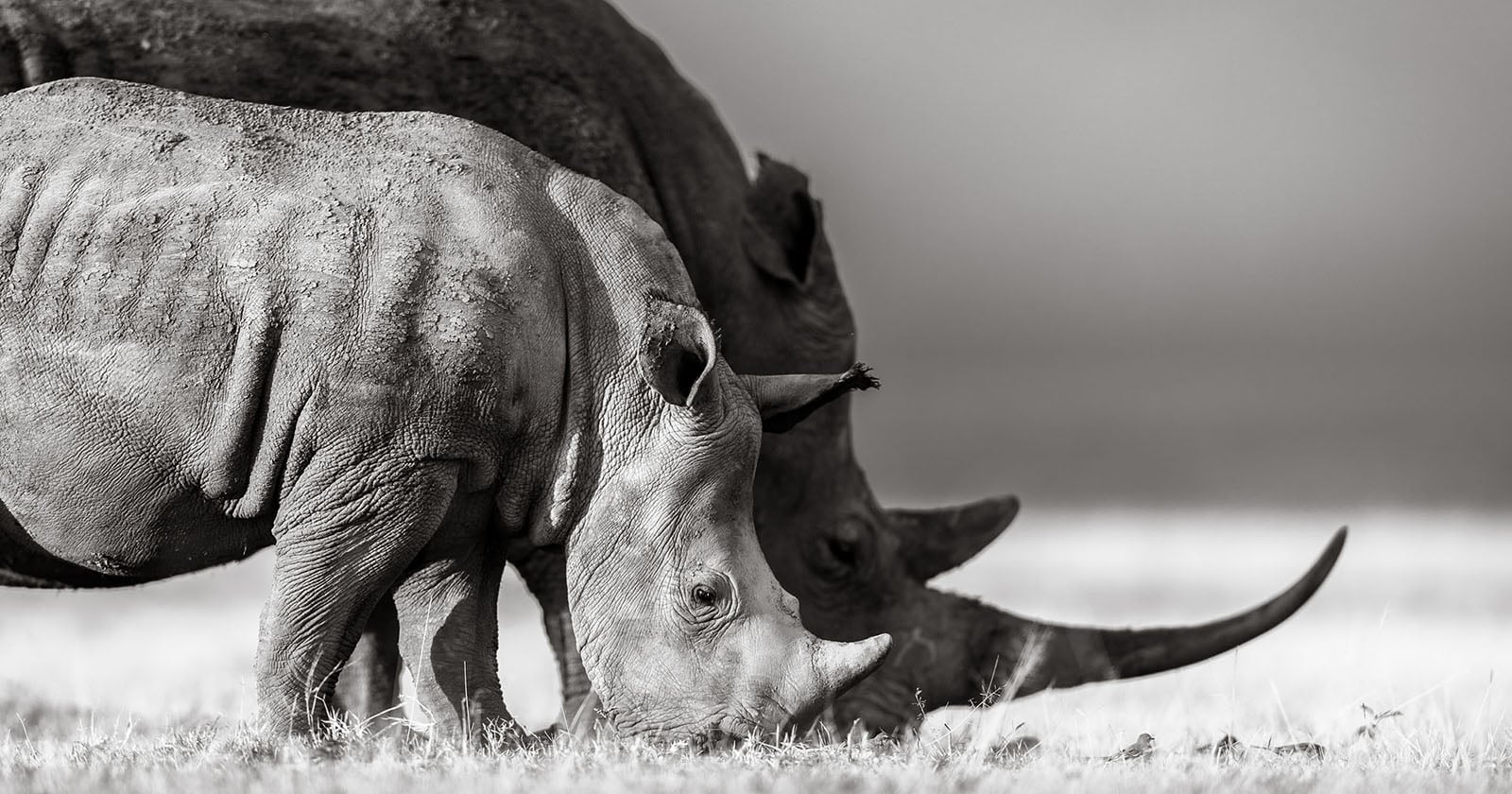 Destination Guides
Best Safari Destinations for Desert Wildlife
Your complete guide to Best Safari Destinations for Desert Wildlife. Find the best destinations, planning tips, and more for your next safari adventure.
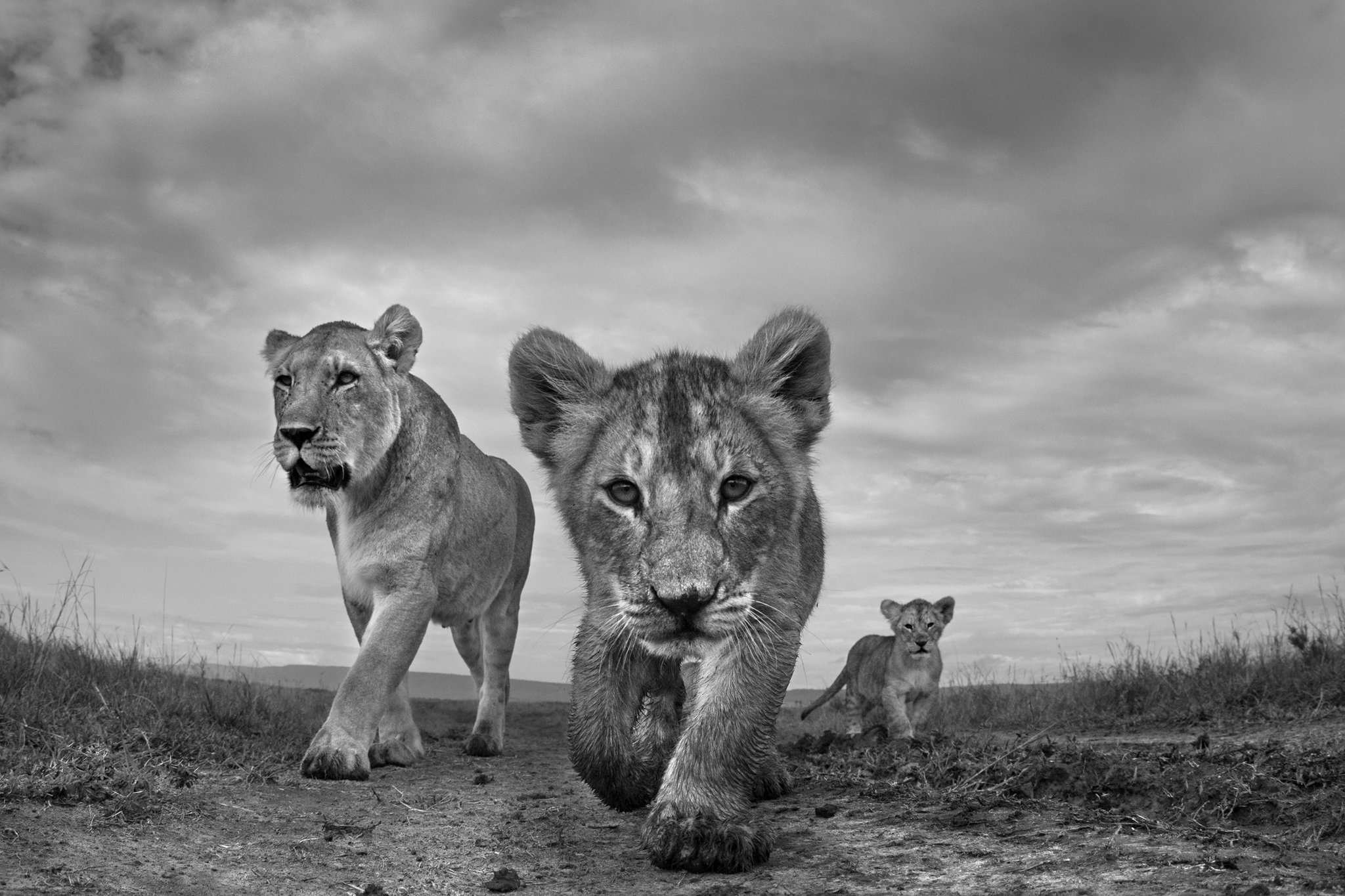 Destination Guides
Best Safari Destinations for Rainforest Wildlife
Your complete guide to Best Safari Destinations for Rainforest Wildlife. Find the best destinations, planning tips, and more for your next safari adventure.
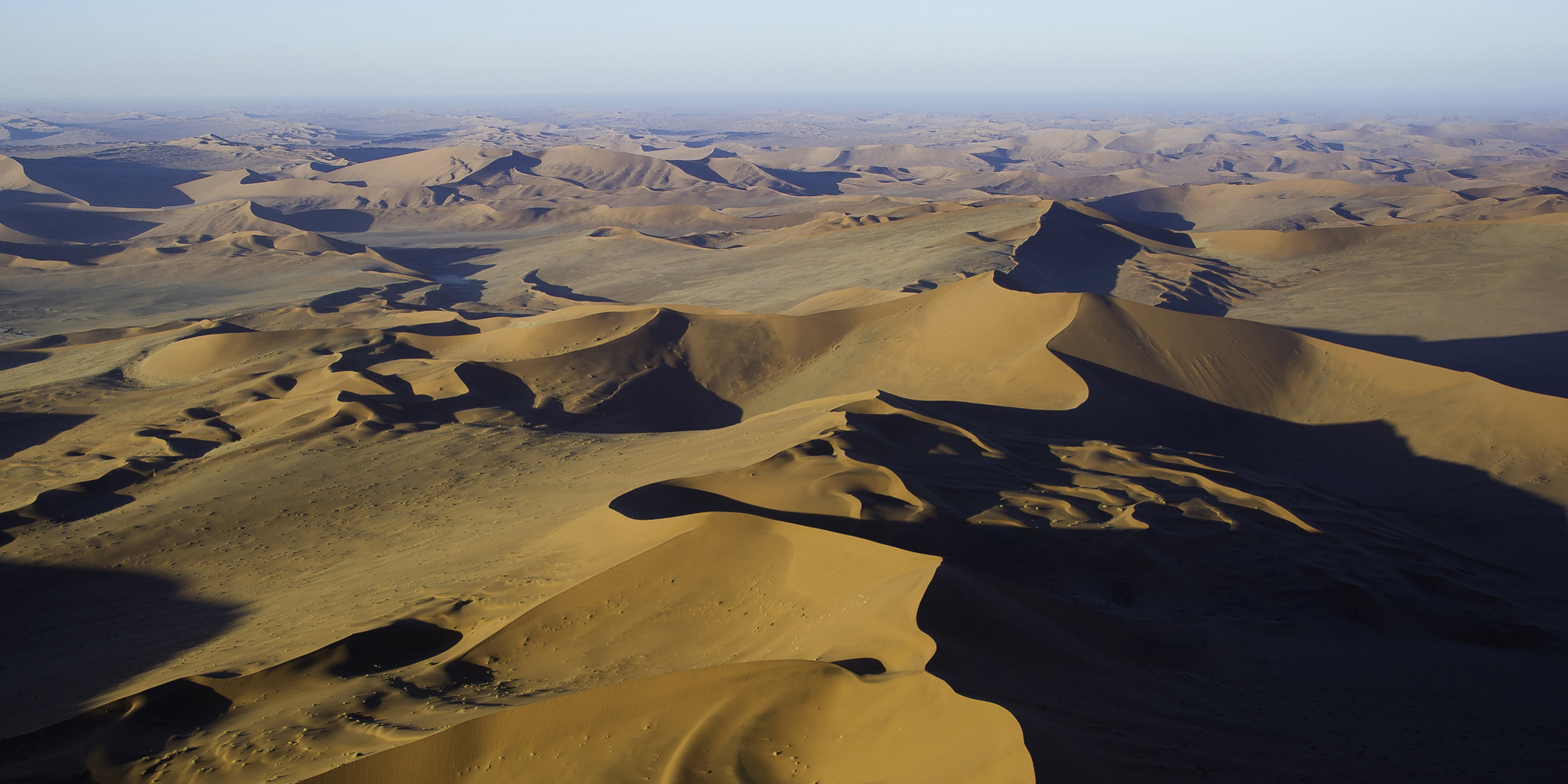 Destination Guides
Best Safari Destinations for Wetland Wildlife
Your complete guide to Best Safari Destinations for Wetland Wildlife. Find the best destinations, planning tips, and more for your next safari adventure.
Luxury SafarisBest Luxury Safari Destinations
Discover the best luxury safari destinations in Africa. Our expert guide covers the top lodges, exclusive experiences, and essential planning tips for your ultimate safari adventure.
 Family Safaris
Best Safari Destinations for Families
Planning a family safari? Discover the best safari destinations for families, from malaria-free reserves in South Africa to the iconic plains of the Serengeti.
 Season & Timing Guides
Best Time for Photography on Safari
Expert guide on best time for photography on safari with month-by-month conditions, pricing, and planning recommendations for safari travelers.