
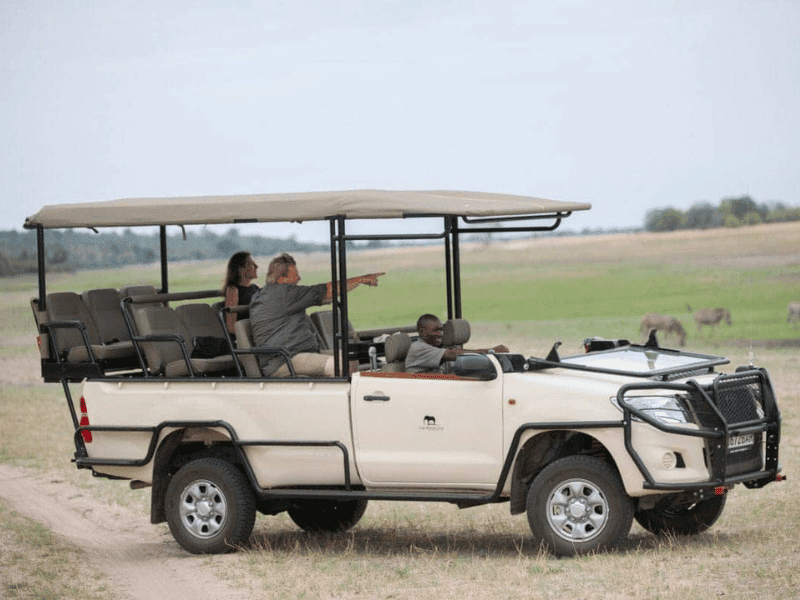
Go beyond the wildlife. Learn how to plan a safari that includes authentic cultural encounters with local communities for a more meaningful journey.
An African safari is often synonymous with breathtaking landscapes and iconic wildlife, but to focus solely on the animals is to miss half the story. Africa is a continent of immense human diversity, home to thousands of distinct ethnic groups, each with its own unique traditions, languages, and customs. Engaging with this rich cultural tapestry can transform your safari from a spectacular holiday into a deeply meaningful and life-changing journey. Authentic cultural experiences offer a window into the daily lives of the people who coexist with the continent's famed wildlife, providing context, connection, and a more profound understanding of the places you visit. For the thoughtful traveler, these encounters are not just an add-on; they are an essential part of the safari experience.
What Defines an Authentic Cultural Experience?
In an age of mass tourism, it can be challenging to distinguish between genuine cultural engagement and staged performances. An authentic cultural experience is one rooted in mutual respect, genuine interaction, and a tangible benefit for the host community. It moves beyond superficial presentations and invites you into a real-world setting, whether it's a family home, a bustling market, or a community-run school. The key is that the interaction is not a one-way spectacle but a two-way exchange where you learn from your hosts and they, in turn, have a positive and empowering experience with visitors.
Ethical Engagement vs. Performative Tourism
Many travelers rightfully worry about participating in experiences that feel exploitative. A "performative" cultural visit often involves a community being asked to "act out" their traditions for a paying audience, with little context or genuine connection. These encounters can feel hollow and may not directly benefit the individuals involved. An ethical experience, by contrast, is typically integrated into the community's daily life. It might involve visiting a school that is funded by tourism fees or learning from an artisan who sells their crafts directly to you. The focus is on real life, not a rehearsed show. Ethical engagement ensures that your visit has a positive impact, shifting the dynamic from one of passive observation to active, positive participation.
Types of Cultural Encounters on Safari
Cultural experiences on safari are as diverse as the continent itself. They can range from brief, insightful visits to deep, multi-day immersions. The right experience for you will depend on your interests, your itinerary, and your desire for deep engagement.
Community Visits and Village Tours
This is one of the most common ways to experience local culture. These tours are often led by a member of the community and provide a structured but insightful look into daily life. You might visit a traditional homestead, learn about local customs, and see how families live. For example, a visit to a Maasai or Samburu village in Kenya or Tanzania offers a chance to learn about their semi-nomadic pastoralist lifestyle. In Namibia, you can meet with the Himba people, known for their distinctive red ochre skin adornments.
Local Markets and Culinary Experiences
Visiting a local market is a vibrant and immersive way to connect with the local culture. It's a sensory explosion of sights, sounds, and smells, and it offers a fantastic opportunity to see how people live, shop, and socialize. Some safari itineraries include guided market tours where you can learn about local ingredients before participating in a cooking class. This is a wonderful way to learn about the local cuisine and enjoy a delicious, authentic meal.
Engaging with Your Safari Guide
Perhaps the most consistent and valuable cultural resource on your safari is your guide. Your guide is not just a wildlife expert; they are a cultural ambassador. Most guides grew up in the regions you are visiting and have a deep, personal understanding of the local culture. Ask them questions about their upbringing, their family, and their perspective on the changes happening in their country. Sharing stories and conversations during your game drives or around the campfire can be one of the most authentic and enlightening cultural experiences of your entire trip.
Still researching? Let us help.
Our advisory team has planned safaris across 9 African countries. We can turn your research into a real plan.
Talk to an AdvisorHow to Plan Ethical Cultural Experiences
Planning a safari that includes meaningful cultural encounters requires thoughtful research and a deliberate choice of partners. The best experiences are rarely stumbled upon by chance; they are facilitated by operators who prioritize ethical and sustainable tourism.
Working with a Knowledgeable [Safari Planning Guide](/operators)
An experienced safari planning guide can be invaluable in helping you find and plan the right cultural experiences. They will have reviewed a wide range of lodges, camps, and community initiatives and can guide you toward those that offer authentic and respectful interactions. Be clear about your interests and ask specific questions about how the communities benefit from these visits.
Choosing Lodges with Strong Community Ties
Many of the best safari lodges and camps have deep roots in their local communities. They often employ a high percentage of staff from the area, support local schools and clinics, and have established genuine, long-term partnerships with community leaders. Staying at these properties ensures that your tourism dollars are contributing directly to the local economy and supporting sustainable development.
Notable Cultural Experiences by Destination
While cultural opportunities exist across the continent, some destinations are particularly well-known for their unique and accessible cultural encounters.
Tanzania: Maasai and Hadzabe Encounters
In northern Tanzania, near the Serengeti and Ngorongoro Crater, you have the opportunity to interact with two very different but equally fascinating cultures. The Maasai are proud pastoralists whose lives revolve around their cattle. A visit to a Maasai village offers insights into their social structure and traditions. Further south, near Lake Eyasi, you can meet the Hadzabe, one of the last remaining hunter-gatherer tribes in Africa. A morning spent with the Hadzabe may involve joining them on a hunt with bows and arrows.
Kenya: Samburu and Maasai Culture
Kenya is home to more than 40 distinct ethnic groups. In the Samburu National Reserve, you can learn about the Samburu people, who are closely related to the Maasai but have their own unique customs and traditions. In the Maasai Mara, many camps and lodges offer authentic opportunities to visit neighboring Maasai communities and learn about their relationship with the land and its wildlife.
Uganda: Batwa Cultural Trail
In southwestern Uganda, near Bwindi Impenetrable Forest, you can walk the Batwa Cultural Trail. The Batwa are a forest-dwelling people who were displaced when the national park was created to protect the mountain gorillas. This trail, which is run by the Batwa community, provides an opportunity for them to share their incredible knowledge of the forest and their traditional way of life. It is a poignant and powerful experience that also provides a vital source of income for the community.
Namibia: Himba and San Communities
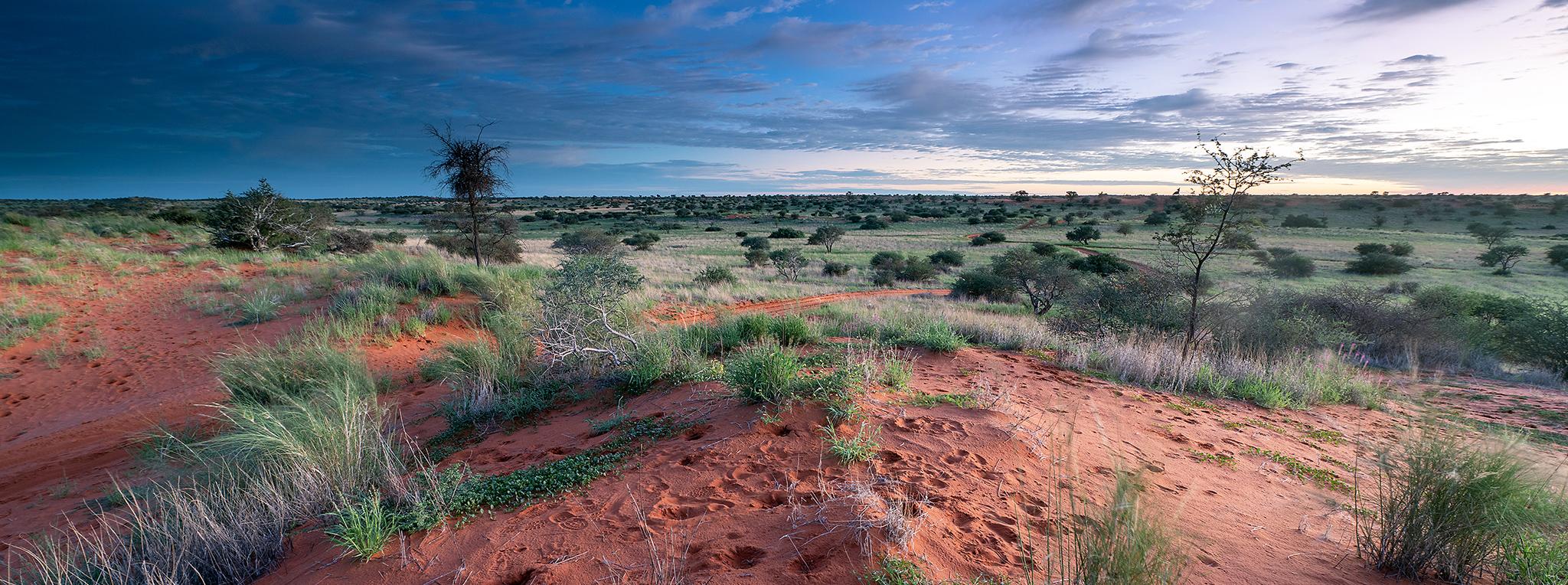
Namibia's vast and arid landscapes are home to some of the most resilient and culturally distinct peoples in Africa. In the remote northwest, you can meet the semi-nomadic Himba. In the Kalahari Desert, you can walk with the San people, who are considered to be the original inhabitants of southern Africa. They have an encyclopedic knowledge of the desert environment, and a guided walk with them is a masterclass in tracking and survival skills.
The Etiquette of Cultural Visits
To ensure a positive experience for both you and your hosts, it is important to approach any cultural visit with sensitivity and respect. Here are a few key guidelines to keep in mind:
- Ask for Permission Before Taking Photos: Always ask for permission before taking a photograph of someone, especially children.
- Dress Modestly: When visiting a community, it is a sign of respect to dress modestly. This generally means covering your shoulders and knees.
- Support Local Artisans Directly: If you wish to buy souvenirs, try to buy them directly from the artisans who made them.
- Show Genuine Interest: Be present, be curious, and ask thoughtful questions. The more genuine interest you show, the more you will learn and the more rewarding the experience will be.
By embracing the opportunity for cultural exchange, you can add a rich and unforgettable dimension to your African safari. These experiences will not only deepen your appreciation for the continent's incredible diversity but will also leave you with a collection of memories that go far beyond the wildlife sightings. A great safari is one that touches your heart and changes your perspective, and authentic cultural encounters are one of the surest ways to achieve that.
Need Expert Safari Guidance?
Get expert advisory support from a firm founded by a former safari guide — with real operational knowledge across 9 African countries and full-journey accountability.
Related Planning Guides
Explore Related Topics
Recommended Reading
 Safari Planning Guides
How to Plan a Safari With Cultural Experiences
Discover how to plan your dream safari with our expert guide on How to Plan a Safari With Cultural Experiences. Get tips on destinations, costs, and more.
 Luxury Safari Content
Luxury Safari Cultural Immersion Experiences
A comprehensive guide to Luxury Safari Cultural Immersion Experiences. Learn everything you need to know for your safari adventure.
 Safari Comparison Articles
Cultural Safari vs Wildlife Safari
An in-depth comparison of Cultural Safari vs Wildlife Safari to help you choose the perfect safari experience. Explore the pros, cons, and key differences to ma
 Safari Intelligence Insights
Safari Guest Experience Design
Discover the art of safari guest experience design. Learn how expert advisors craft seamless, personalized journeys by understanding travelers and balancing pace.
 Packing & Preparation
Safari Cultural Sensitivity Preparation
Learn all about Safari Cultural Sensitivity Preparation in this comprehensive guide.
 Safari Costs
Average Safari Cost Per Day
Learn about the average safari cost per day, from budget to luxury. This guide breaks down costs by country and what\