
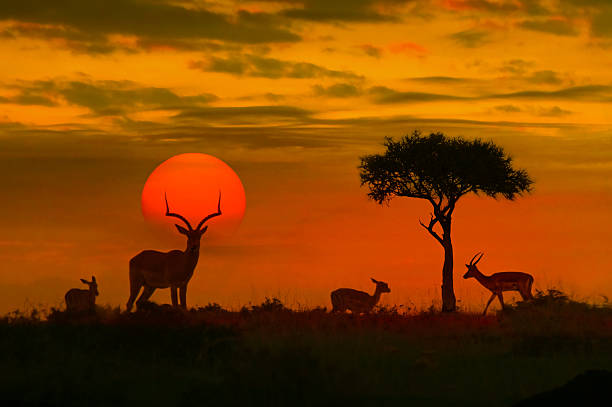
Discover the wonders of Hwange National Park, Zimbabwe\
'''Hwange National Park, Zimbabwe's largest and most iconic wildlife reserve, is a testament to the raw, untamed beauty of Africa. Spanning over 14,600 square kilometers, this vast wilderness is a sanctuary for one of the continent's most diverse concentrations of wildlife, including the famed "Big Five." Whether you are a seasoned safari enthusiast or a first-time visitor to Africa, Hwange offers an unparalleled opportunity to connect with nature and witness the circle of life in its most authentic form. This guide will provide you with the essential information needed to plan an unforgettable safari adventure in this remarkable corner of the world.
The Wildlife of Hwange National Park
Hwange's reputation as a premier safari destination is built on its incredible biodiversity. The park is home to over 100 mammal species and some 400 species of birds, making every game drive a thrilling journey of discovery.
A Haven for Elephants
Hwange is most famous for its massive elephant population, one of the largest in Africa. During the dry season, these gentle giants congregate in large numbers around the park's man-made waterholes, creating spectacular viewing opportunities. Watching herds of elephants—from massive bulls to playful calves—interact at a waterhole is a quintessential Hwange experience that will stay with you long after you leave. The park's conservation efforts have been so successful that the elephant population has grown to a size that is almost too large for the park to support, a testament to the dedication of the Zimbabwe Parks and Wildlife Management Authority.
Predators and Other Mammals
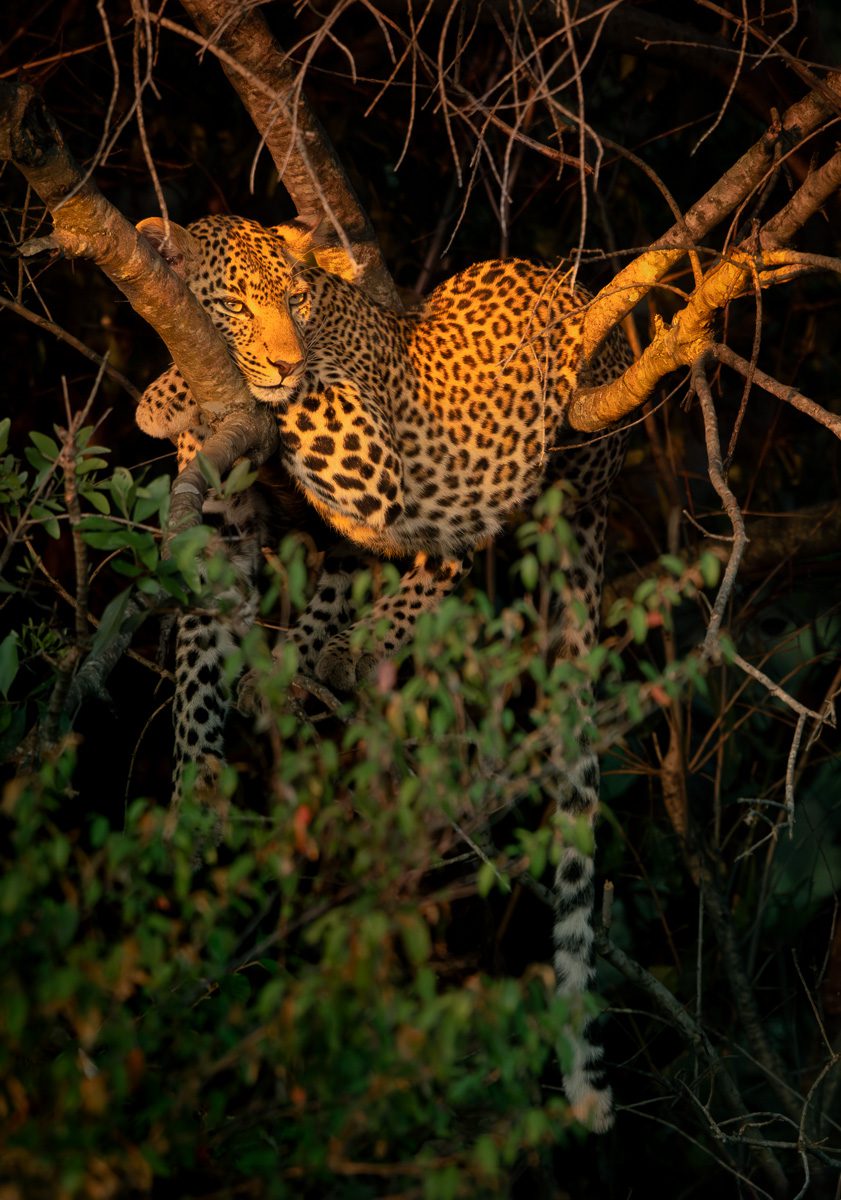
Beyond its elephants, Hwange is a stronghold for a wide array of other fascinating animals. The park boasts a healthy population of lions, and sightings of these magnificent predators are common. Leopards, though more elusive, are also frequently spotted by patient observers. Hwange is also one of the best places in Africa to see the endangered African wild dog, a highly social and efficient hunter. Other common sightings include vast herds of buffalo, graceful giraffes, zebra, wildebeest, and a variety of antelope species such as kudu, impala, and the majestic sable antelope, with its impressive scimitar-shaped horns. The park is also home to the rare and beautiful roan antelope. You might also spot hyenas, jackals, and bat-eared foxes.
Hwange's Diverse Landscapes
The park's immense size encompasses a variety of landscapes, each supporting a different range of wildlife. The northern part of the park is characterized by mopane woodland, which gives way to vast, open grasslands in the south. The southeastern region is dominated by Kalahari sands, creating a unique desert-like environment. This diversity of habitats is one of the reasons for Hwange's incredible biodiversity. The park's ecosystem is largely dependent on a series of man-made waterholes, which were installed to provide water for the animals during the dry season. These waterholes have become a lifeline for the park's wildlife and are the focal point of most game viewing activities.
Still researching? Let us help.
Our advisory team has planned safaris across 9 African countries. We can turn your research into a real plan.
Talk to an AdvisorGetting to Hwange National Park
Despite its remote feel, Hwange is surprisingly accessible. The park is conveniently located between Victoria Falls and Bulawayo, making it an easy addition to any Zimbabwean safari itinerary. The most common way to reach Hwange is by road from Victoria Falls, a scenic drive of approximately 2.5 to 3 hours. Many safari lodges and tour operators offer road transfers from Victoria Falls, which can be arranged as part of your safari package. For self-drivers, the main road is tarred and in good condition, but a 4x4 vehicle is recommended for exploring the park's internal road network, which can be sandy and challenging in places.
For those on a tighter schedule or looking for a more direct route, charter flights are available from Victoria Falls directly to the park's airstrips. This option offers a stunning aerial perspective of the vast landscape and gets you into the heart of the wilderness in the shortest amount of time.
Best Time to Visit Hwange
While Hwange offers a rewarding safari experience year-round, the best time for wildlife viewing is during the dry season, which runs from August to October. During these months, the vegetation is sparse, and animals are drawn to the park's waterholes in large numbers, making them easier to spot. The weather is also pleasant, with warm, sunny days and cool, clear nights.
The wet season, from November to April, transforms the park into a lush, green paradise. While wildlife viewing can be more challenging due to the dense vegetation and dispersed water sources, this is the best time for birdwatching, as migratory birds flock to the park. The wet season also sees the birth of many young animals, adding another layer of excitement to your safari.
Where to Stay in Hwange National Park
Hwange offers a wide range of accommodation options to suit every budget and travel style, from rustic bush camps to luxurious safari lodges. The park is divided into several private concessions, each offering an exclusive and intimate safari experience.
Main Camp Area
The Main Camp area is the park's administrative hub and offers a variety of accommodation options, including self-catering chalets, cottages, and a campsite. This area is a good option for self-drivers and those on a budget. While the game viewing in this area can be excellent, it can also be more crowded than the private concessions.
Private Concessions
For a more exclusive experience, consider staying in one of the private concessions that border the park. These concessions are home to a number of intimate and luxurious lodges that offer guided game drives, walking safaris, and other exclusive activities. Some of the most popular private concessions include the Linkwasha Concession, the Makalolo Concession, and the Somalisa Concession. Lodges in these areas, such as Linkwasha Camp, Little Makalolo, and Somalisa Camp, offer a high level of comfort and service, as well as expert guiding.
Done Reading? Let's Build Your Safari.
Skip the guesswork. Work with an advisor who has been on the ground across East and Southern Africa.
Plan With UsThings to Do in Hwange
While game drives are the main attraction in Hwange, there are plenty of other activities to keep you entertained during your safari.
Walking Safaris
For a more intimate and immersive wildlife experience, embark on a walking safari with an experienced guide. Walking safaris offer a unique opportunity to learn about the smaller details of the bush, from animal tracks and signs to the medicinal uses of various plants.
Night Drives
Night drives offer a glimpse into the nocturnal world of Hwange's predators. With the help of a powerful spotlight, you may be lucky enough to spot lions on the prowl, a leopard stalking its prey, or the glowing eyes of a bushbaby.
Visit the Painted Dog Conservation Centre
Located near the main entrance to the park, the Painted Dog Conservation Centre is a must-visit for anyone interested in learning more about these fascinating and endangered animals. The center is dedicated to the conservation of African wild dogs and offers educational tours and presentations.
Cultural Experiences
Some lodges offer visits to local villages, providing an opportunity to learn about the culture and traditions of the local people. This is a great way to gain a deeper understanding of the region and its people.
Hwange National Park is a destination that captures the heart and soul of Africa. Its vast, open spaces, abundant wildlife, and sense of untamed wilderness create an unforgettable safari experience. Whether you are marveling at the sight of a thousand elephants at a waterhole or tracking lions on foot, Hwange will leave you with a profound appreciation for the natural world and a desire to return again and again. '''
Need Expert Safari Guidance?
Get expert advisory support from a firm founded by a former safari guide — with real operational knowledge across 9 African countries and full-journey accountability.
Related Planning Guides
Explore Related Topics
Recommended Reading
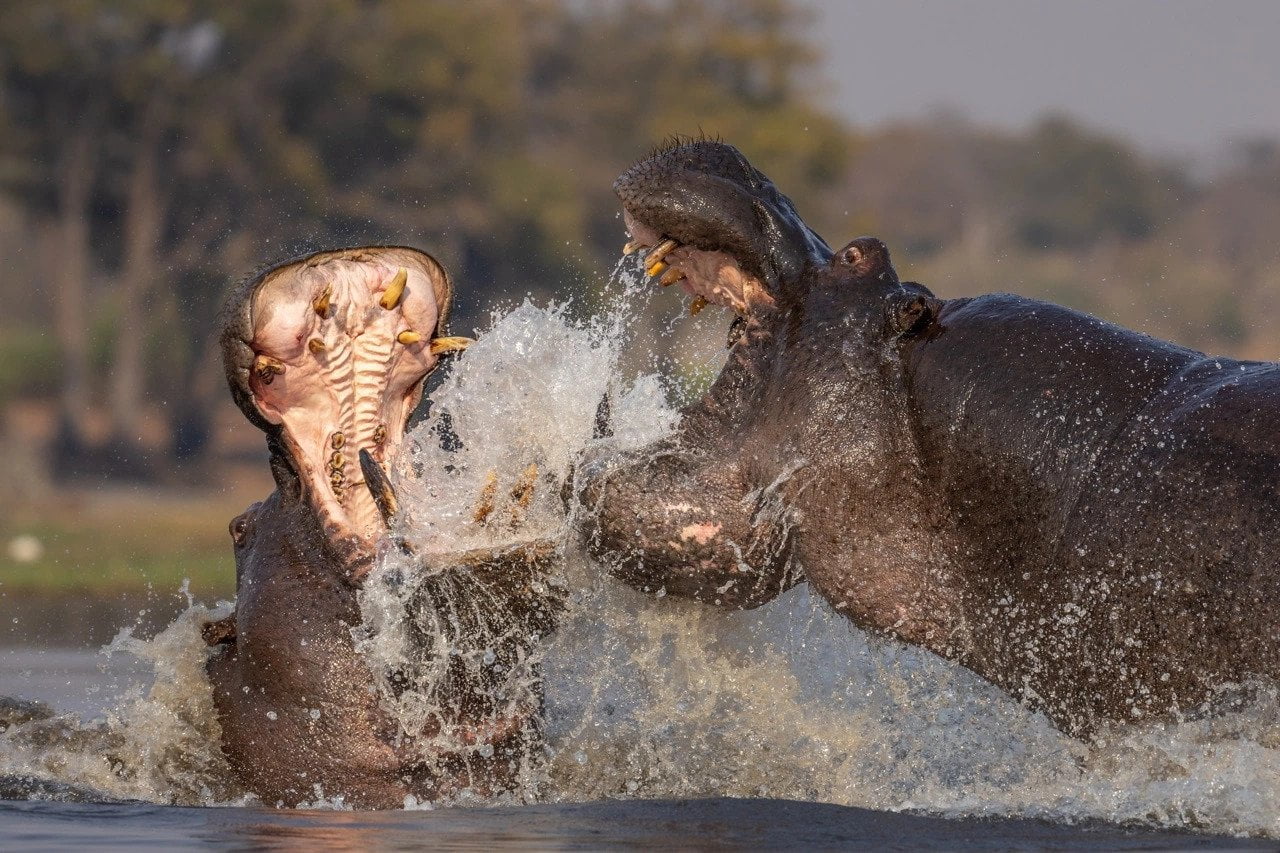 National Park Guides
Serengeti National Park Guide
Explore the wonders of Serengeti National Park with our expert guide. Learn about the Great Migration, wildlife, and planning your unforgettable Tanzanian safari.
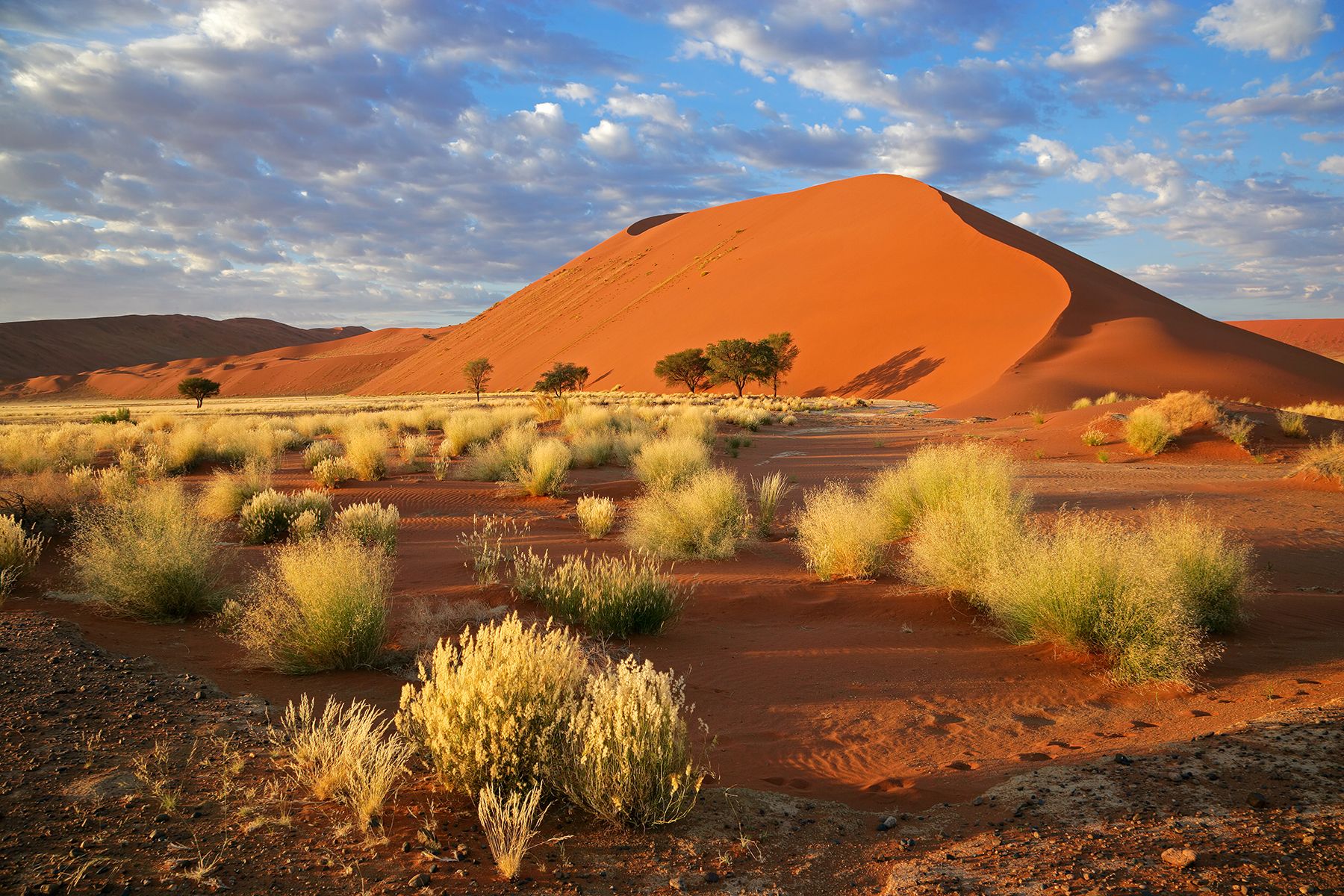 National Park Guides
Kruger National Park Guide
Discover the ultimate guide to Kruger National Park. Learn about its incredible wildlife, the best time to visit, and how to plan your dream safari adventure.
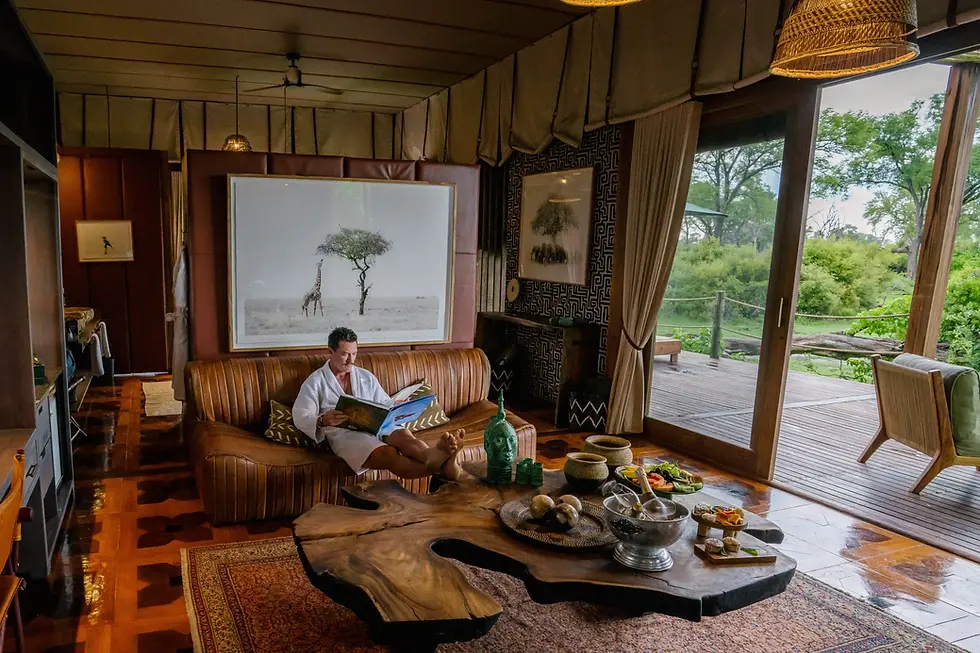 National Park Guides
Chobe National Park Guide
Discover the ultimate guide to Chobe National Park, Botswana\
 Destination Guides
Complete Guide to Table Mountain National Park
A complete guide to Complete Guide to Table Mountain National Park. Learn about the wildlife, activities, and best time to visit this amazing destination.
 Destination Guides
Complete Guide to Nyerere National Park
Learn about complete guide to nyerere national park in this comprehensive safari guide.
 Destination Guides
Complete Guide to Loango National Park Gabon
Discover everything you need to know about Complete Guide to Loango National Park Gabon. From wildlife and landscapes to lodges and activities, this guide cover