
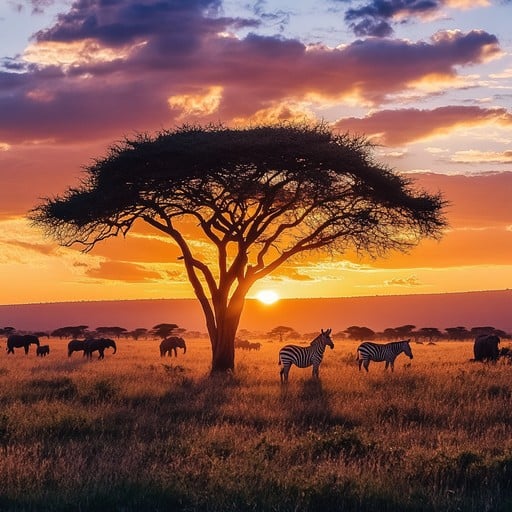
Discover the fascinating world of the African wild dog, one of the continent\
'''African wild dogs, also known as painted dogs or Cape hunting dogs, are one of the most fascinating and endangered predators in Africa. With their uniquely patterned coats, large ears, and complex social lives, they are a truly special sight on safari. Unlike their domestic relatives, these canids are not found in jungles but roam the savannas and open woodlands of the continent. Their scientific name, Lycaon pictus, means "painted wolf," a fitting description for these beautiful animals. This article delves into the world of the African wild dog, exploring their behavior, social structure, and the best places to see them in their natural habitat. Whether you are a seasoned safari-goer or planning your first trip, understanding these dynamic predators will undoubtedly enrich your wildlife viewing experience.
What Are African Wild Dogs?
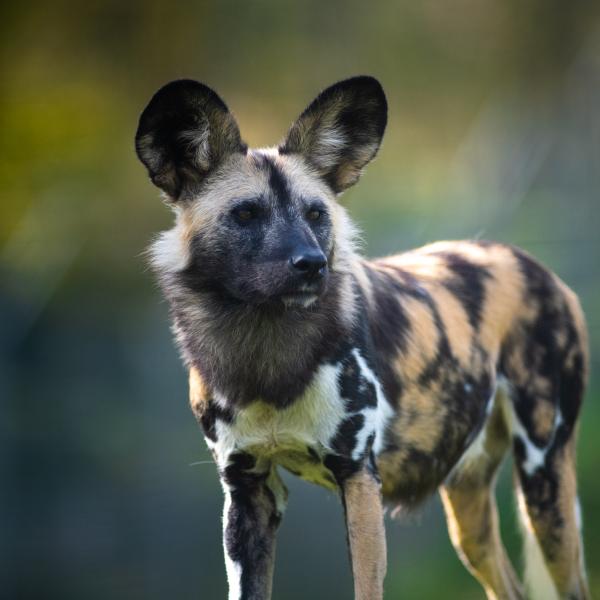
African wild dogs are medium-sized canids, immediately recognizable by their colorful, patchy coats of black, brown, yellow, and white. Each dog has a unique pattern, much like a human fingerprint. They have a slender, long-legged build, which allows them to be formidable long-distance runners. One of their most distinctive features is their large, rounded ears, which they use for communication and to help dissipate heat. Unlike other dogs, they have only four toes on each foot instead of five.
Not Just a Wild Dog
It is important to note that African wild dogs are not feral domestic dogs. They are a distinct species of canid and are the only living member of the genus Lycaon. Genetically, they are very different from any other canid and are thought to have diverged from the lineage that led to wolves and domestic dogs millions of years ago. Their specialized dentition, adapted for a hypercarnivorous diet, further sets them apart.
Social Structure and Pack Life
African wild dogs are highly social animals, living in packs that are typically led by a monogamous alpha pair. The pack is a close-knit family unit, and all members cooperate in hunting, raising pups, and defending their territory. The social bonds within a pack are incredibly strong, and they have a rich repertoire of vocalizations and body language to communicate with one another. Their social structure is one of the most complex and cooperative in the animal kingdom, which is a key reason for their hunting success. Packs can range in size from just a few individuals to over thirty, though larger packs are becoming increasingly rare.
The Alpha Pair and Pups
The alpha male and female are usually the only breeding pair in the pack. After a gestation period of about 70 days, the female gives birth to a litter of pups in a den, which is often an abandoned aardvark burrow. The entire pack takes responsibility for caring for the young, with other members regurgitating food for both the pups and the nursing mother. This cooperative approach to raising young is a key factor in their survival. The pups will remain in the den for the first few weeks of their lives, and the pack will hunt and bring back food for them. Once they are old enough, they will start to join the pack on hunts, learning the skills they need to survive.
Still researching? Let us help.
Our advisory team has planned safaris across 9 African countries. We can turn your research into a real plan.
Talk to an AdvisorHunting and Diet
African wild dogs are among the most successful predators in Africa, with a hunting success rate of around 80%. They are crepuscular hunters, meaning they are most active at dawn and dusk when temperatures are cooler. They hunt in packs, using teamwork and incredible stamina to pursue their prey over long distances. Their primary prey consists of medium-sized antelopes such as impala, kudu, and wildebeest, but they will also hunt smaller animals like warthogs and birds. The size of their prey often depends on the size of the pack; larger packs are capable of taking down larger animals.
A Unique Hunting Strategy
Unlike many other predators that rely on stealth and ambush, wild dogs are coursers. They will openly approach a herd of prey, and once the herd starts to flee, the chase begins. The dogs work together to isolate an individual and will run it to exhaustion. This relentless pursuit is what makes them so effective. They can maintain speeds of up to 40 miles per hour for several miles. Once they have caught their prey, they will quickly and efficiently dispatch it. The pack shares the kill, with the pups being given priority.
Habitat and Distribution
African wild dogs prefer open habitats such as savannas, grasslands, and woodlands. They require large territories to roam and hunt, with home ranges that can cover hundreds of square miles. They are found in several countries in sub-Saharan Africa, but their populations are now highly fragmented. The largest populations are now found in southern and eastern Africa, where there are still large, protected areas that can support them.
Key Strongholds
Some of the best places to see African wild dogs include:
- Botswana: The Okavango Delta and Moremi Game Reserve are renowned for their wild dog populations. The vast, unfenced wilderness of this region provides the perfect habitat for them.
- Tanzania: The Selous Game Reserve (now Nyerere National Park) and Ruaha National Park offer excellent opportunities for sightings. These parks are more remote and offer a wilder safari experience.
- Zimbabwe: Mana Pools National Park and Hwange National Park are famous for their wild dog packs. Mana Pools is particularly well-known for its habituated packs that can often be seen on foot.
- Zambia: The South Luangwa and Kafue National Parks are also excellent destinations for wild dog enthusiasts. The Luangwa Valley is a particularly good place to see them.
[Conservation](/knowledge/conservation-and-safaris) Status and Threats
The African wild dog is one of the most endangered mammals in the world. The IUCN lists them as "Endangered," with estimates of only around 6,600 individuals left in the wild, and this number is declining. Their populations are highly fragmented, and they have disappeared from much of their former range.
Major Threats
The primary threats to their survival are:
- Habitat Loss and Fragmentation: As human populations expand, the wild dogs' habitats are shrinking and becoming more fragmented, making it difficult for packs to find enough space to roam and hunt. This also increases their contact with humans and domestic animals.
- Human-Wildlife Conflict: Wild dogs are often persecuted by farmers who see them as a threat to their livestock. They are often snared, shot, or poisoned.
- Disease: They are susceptible to diseases spread by domestic dogs, such as rabies and canine distemper. These diseases can wipe out entire packs in a short period.
Done Reading? Let's Build Your Safari.
Skip the guesswork. Work with an advisor who has been on the ground across East and Southern Africa.
Plan With UsConservation Efforts and How You Can Help
Fortunately, there are a number of organizations working to protect African wild dogs. These organizations are involved in research, community outreach, and anti-poaching efforts. They work with local communities to mitigate human-wildlife conflict and to create "safe zones" for wild dogs.
What You Can Do
As a traveler, you can contribute to the conservation of African wild dogs in several ways:
- Choose a Responsible Safari Operator: Select a safari company that is committed to conservation and supports local communities. These operators often contribute a portion of their profits to conservation projects.
- Visit Protected Areas: By visiting national parks and game reserves, you are providing a direct economic incentive for the protection of these areas and the wildlife within them.
- Support Conservation Organizations: Consider donating to an organization that is working to protect African wild dogs. Even a small donation can make a big difference.
In conclusion, the African wild dog is a truly remarkable and complex animal. Their social dynamics, hunting prowess, and unique appearance make them a highlight of any safari. However, their endangered status is a stark reminder of the fragility of our planet's biodiversity. By supporting conservation-focused tourism and the organizations working to protect them, you can play a part in helping to secure a future for these incredible predators. '''
Need Expert Safari Guidance?
Get expert advisory support from a firm founded by a former safari guide — with real operational knowledge across 9 African countries and full-journey accountability.
Related Planning Guides
Explore Related Topics
Recommended Reading
 Wildlife Guides
Complete Guide to African Wild Dog Pack Dynamics
Learn all about Complete Guide to African Wild Dog Pack Dynamics in this comprehensive guide. Discover the best time to go, what to see, and how to plan your trip.
 Season & Timing Guides
Best Time to See Wild Dogs in Africa
Expert guide on best time to see wild dogs in africa with month-by-month conditions, pricing, and planning recommendations for safari travelers.
 Wildlife Guides
Complete Guide to African Wildcat
Learn all about Complete Guide to African Wildcat in this comprehensive guide. Discover the best time to go, what to see, and how to plan your trip.
 Wildlife Guides
Symbiotic Relationships in African Wildlife
A comprehensive guide to Symbiotic Relationships in African Wildlife. Learn about its habitat, behavior, diet, and conservation status.
 Destination Guides
Best Safari Destinations for Wild Dog Viewing
Your complete guide to Best Safari Destinations for Wild Dog Viewing. Find the best destinations, planning tips, and more for your next safari adventure.
 Safari Safety
Is African Safari Safe for Travelers?
Is an African safari safe? Our expert guide covers the real risks, safety measures, and practical advice to help you plan a secure and unforgettable journey.