
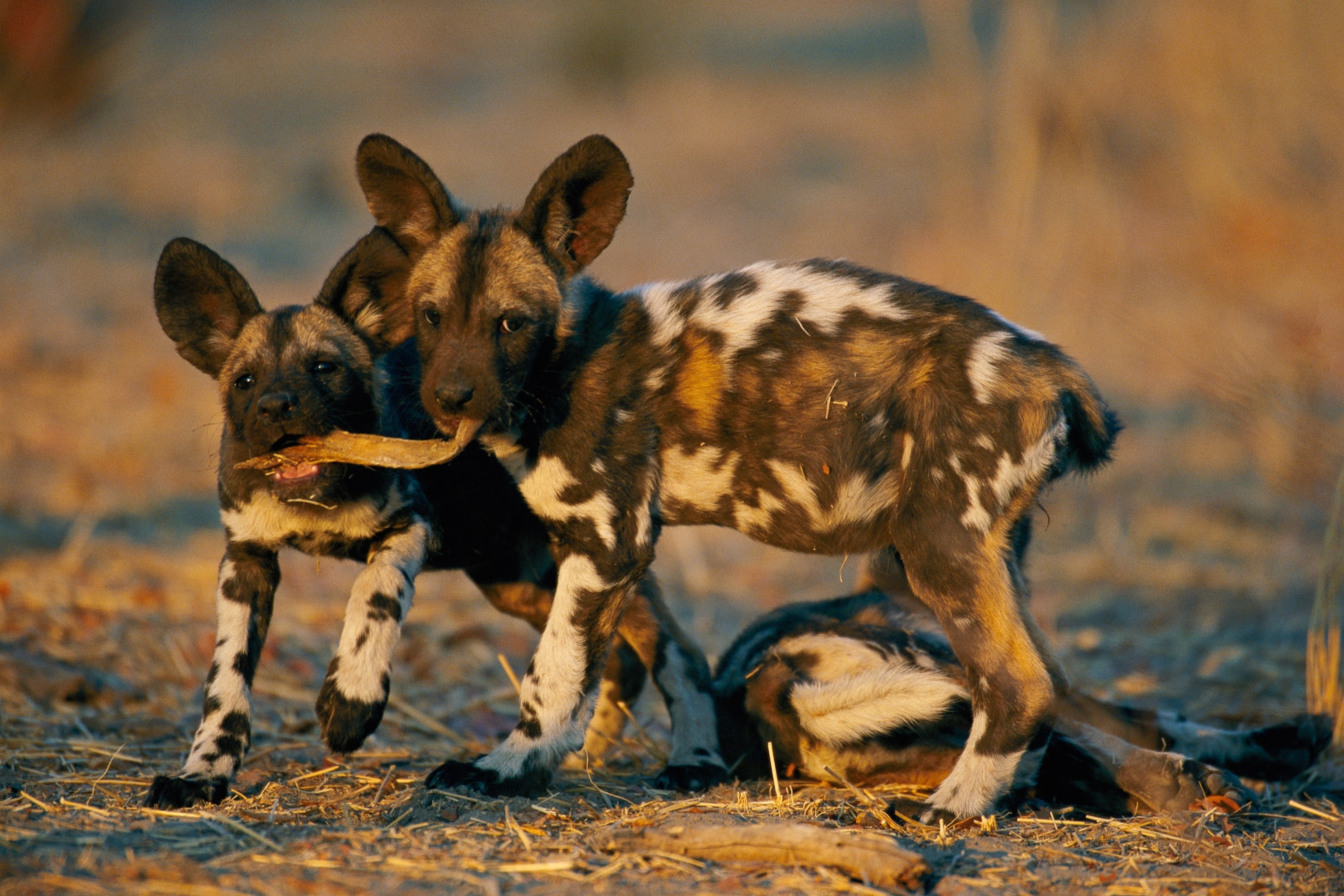
Learn all about Complete Guide to Cheetah Speed and Hunting in this comprehensive guide. Discover the best time to go, what to see, and how to plan your trip.
Introduction to Complete Guide to Cheetah Speed and Hunting
Understanding complete guide to cheetah speed and hunting is essential for anyone planning a safari in Africa. This topic encompasses a range of considerations that can significantly impact your travel experience, from practical logistics to wildlife encounters that create lasting memories.
Key Details and Considerations
Several critical factors influence complete guide to cheetah speed and hunting in the African safari context. Geographic location, time of year, and the specific activities you're interested in all play important roles. The diversity of Africa's safari destinations means that no two experiences are alike, and understanding these nuances helps you plan more effectively. Our destination guides provide detailed information for each region.
Still researching? Let us help.
Our advisory team has planned safaris across 9 African countries. We can turn your research into a real plan.
Talk to an AdvisorPractical Advice
Putting your knowledge of complete guide to cheetah speed and hunting into practice requires a systematic approach. Begin by defining your priorities and non-negotiables, then research destinations and operators that align with your vision. Our operator directory features thousands of safari companies across 17 African countries. Compare options carefully, read reviews, and don't hesitate to ask detailed questions before committing to a booking.
Expert Insights
Safari professionals with decades of experience note that understanding complete guide to cheetah speed and hunting gives travelers a significant advantage. The difference between a good safari and an exceptional one often comes down to the details, from choosing the right accommodation to timing your game drives for optimal wildlife viewing. Our safari operators bring this expertise to every consultation, helping you avoid common pitfalls and discover hidden gems.
Planning Your Next Steps
To wrap up, mastering complete guide to cheetah speed and hunting is an investment that pays dividends throughout your safari journey. The more you understand about Africa's diverse ecosystems, wildlife, and tourism infrastructure, the better equipped you'll be to make decisions that lead to extraordinary experiences. Start your planning journey with our comprehensive knowledge center and connect with our team of experienced safari operators for personalized guidance.
Done Reading? Let's Build Your Safari.
Skip the guesswork. Work with an advisor who has been on the ground across East and Southern Africa.
Plan With UsThe Biomechanics of a Cheetah's Speed: Nature's Ultimate Sprinter
The cheetah's incredible speed is not just a feat of raw power; it is a masterclass in biomechanical engineering. Every aspect of its anatomy is finely tuned for rapid acceleration and high-speed pursuit. The cheetah's flexible spine, for instance, acts like a spring, coiling and uncoiling with each stride to propel the animal forward. This unique spinal structure allows the cheetah to cover up to 7 meters (23 feet) in a single stride—a stride length greater than that of a racehorse.
To maintain balance and agility during high-speed chases, the cheetah relies on its long, muscular tail, which functions like a rudder on a boat. This counterbalance allows the cheetah to make sharp turns at speeds that would send any other animal tumbling. Furthermore, the cheetah's paws are less rounded and harder than those of other big cats, with semi-retractable claws that act like running spikes, providing superior grip on the ground. These adaptations, combined with large nostrils, an enlarged heart, and specialized lungs, ensure that the cheetah's body can take in and utilize the massive amounts of oxygen required for its explosive bursts of speed.
> Expert Insight: While the cheetah's speed is its greatest asset, it is also its greatest vulnerability. The immense energy expended during a hunt takes a significant toll on the cheetah's body, requiring a lengthy recovery period. During this time, the cheetah is susceptible to having its kill stolen by more powerful predators like lions and hyenas.
Where to See Cheetahs in the Wild: A Safari Guide
For wildlife enthusiasts hoping to witness the breathtaking speed of a cheetah firsthand, selecting the right safari destination is key. Cheetahs thrive in open grasslands and savannas, where they can utilize their speed to hunt. The following destinations offer some of the best opportunities for cheetah sightings in Africa:
- Maasai Mara National Reserve, Kenya: The vast, open plains of the Maasai Mara are prime cheetah territory. The abundance of prey, such as Thomson's gazelles and impalas, makes this a year-round destination for cheetah sightings. For an unparalleled experience, consider visiting during the Great Migration, when the Mara is teeming with wildlife.
- Serengeti National Park, Tanzania: Adjacent to the Maasai Mara, the Serengeti offers a similarly ideal habitat for cheetahs. The southern Serengeti plains, in particular, are a hotspot for cheetah activity, especially during the calving season (January to March) when prey is plentiful.
- Okavango Delta, Botswana: While not as open as the Mara or Serengeti, the Okavango Delta's mosaic of grasslands and wetlands supports a healthy cheetah population. Private concessions in the Delta often provide more exclusive and intimate wildlife viewing experiences.
- Etosha National Park, Namibia: The arid landscape of Etosha, with its massive salt pan, provides a unique backdrop for cheetah sightings. The park's waterholes are a magnet for wildlife, and cheetahs are often seen stalking prey in the surrounding plains.
> Traveler's Tip: When planning your safari, consider a custom itinerary that focuses on regions known for their cheetah populations. Our safari operators can help you design a trip that maximizes your chances of a memorable cheetah encounter.
Cheetah Conservation: Challenges and Hope for the Future
Despite their incredible speed and hunting prowess, cheetahs are Africa's most endangered big cat. The global cheetah population has plummeted to fewer than 7,100 individuals in the wild, a decline driven by a combination of factors that threaten their long-term survival. Understanding these challenges is the first step toward supporting vital conservation efforts.
One of the primary threats is habitat loss and fragmentation. As human populations expand, the vast, open grasslands that cheetahs depend on are converted into farmland and settlements. This not only shrinks their available hunting grounds but also isolates populations, leading to a loss of genetic diversity. With less space to roam, cheetahs are forced into smaller, less ideal territories where prey is scarcer and competition with other predators is more intense.
Human-wildlife conflict is another significant challenge. When cheetahs prey on livestock, they are often killed by farmers in retaliation. This conflict is a direct result of habitat loss, as the decline in their natural prey forces cheetahs to seek alternative food sources. Furthermore, the illegal wildlife trade poses a direct threat, with cheetah cubs being captured from the wild and sold as exotic pets, a practice that has devastating impacts on wild populations.
Fortunately, numerous organizations are working tirelessly to secure a future for cheetahs. Conservation initiatives focus on a multi-pronged approach:
- Community-Based Conservation: Programs that work with local communities to mitigate human-wildlife conflict are crucial. This includes promoting the use of livestock guarding dogs, such as the Anatolian Shepherd, which have proven highly effective at deterring predators without harming them.
- Habitat Restoration and Protection: Efforts to secure and restore critical cheetah habitats are underway across Africa. This involves creating wildlife corridors that connect fragmented landscapes, allowing cheetahs to move freely and maintain genetic diversity.
- Research and Monitoring: Scientists are using GPS collars and camera traps to study cheetah behavior, population dynamics, and habitat use. This data is essential for developing effective conservation strategies and is a key part of the work done in our knowledge center.
> How You Can Help: Supporting reputable conservation organizations is one of the most effective ways to contribute to cheetah protection. When planning a safari, choose operators who are committed to responsible tourism and actively support local conservation projects. You can also learn more about our conservation partners by speaking with our safari operators.
Need Expert Safari Guidance?
Get expert advisory support from a firm founded by a former safari guide — with real operational knowledge across 9 African countries and full-journey accountability.
Related Planning Guides
Explore Related Topics
Recommended Reading
 Wildlife Guides
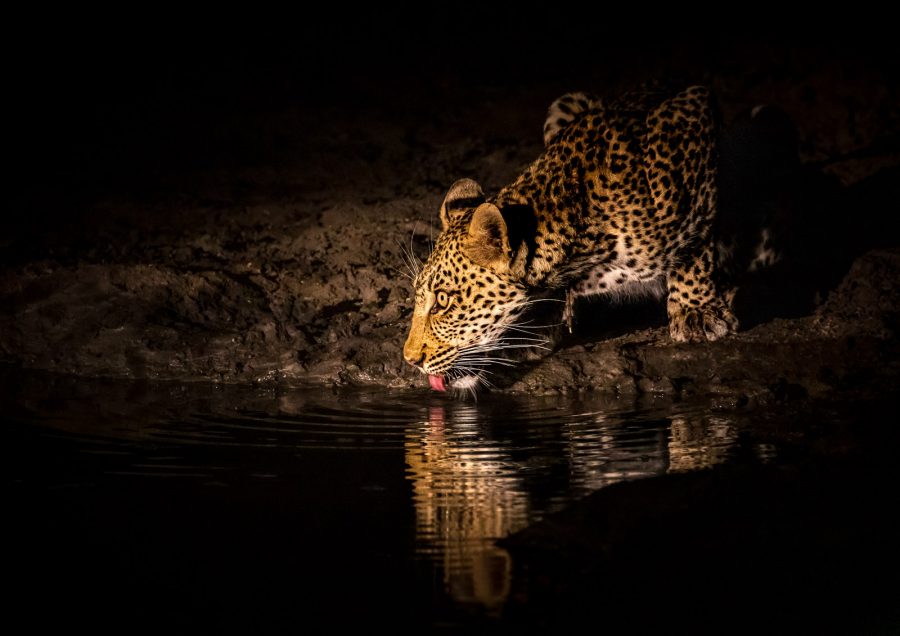
Complete Guide to Nile Crocodile Hunting
Learn all about Complete Guide to Nile Crocodile Hunting in this comprehensive guide. Discover the best time to go, what to see, and how to plan your trip.
 Wildlife Guides
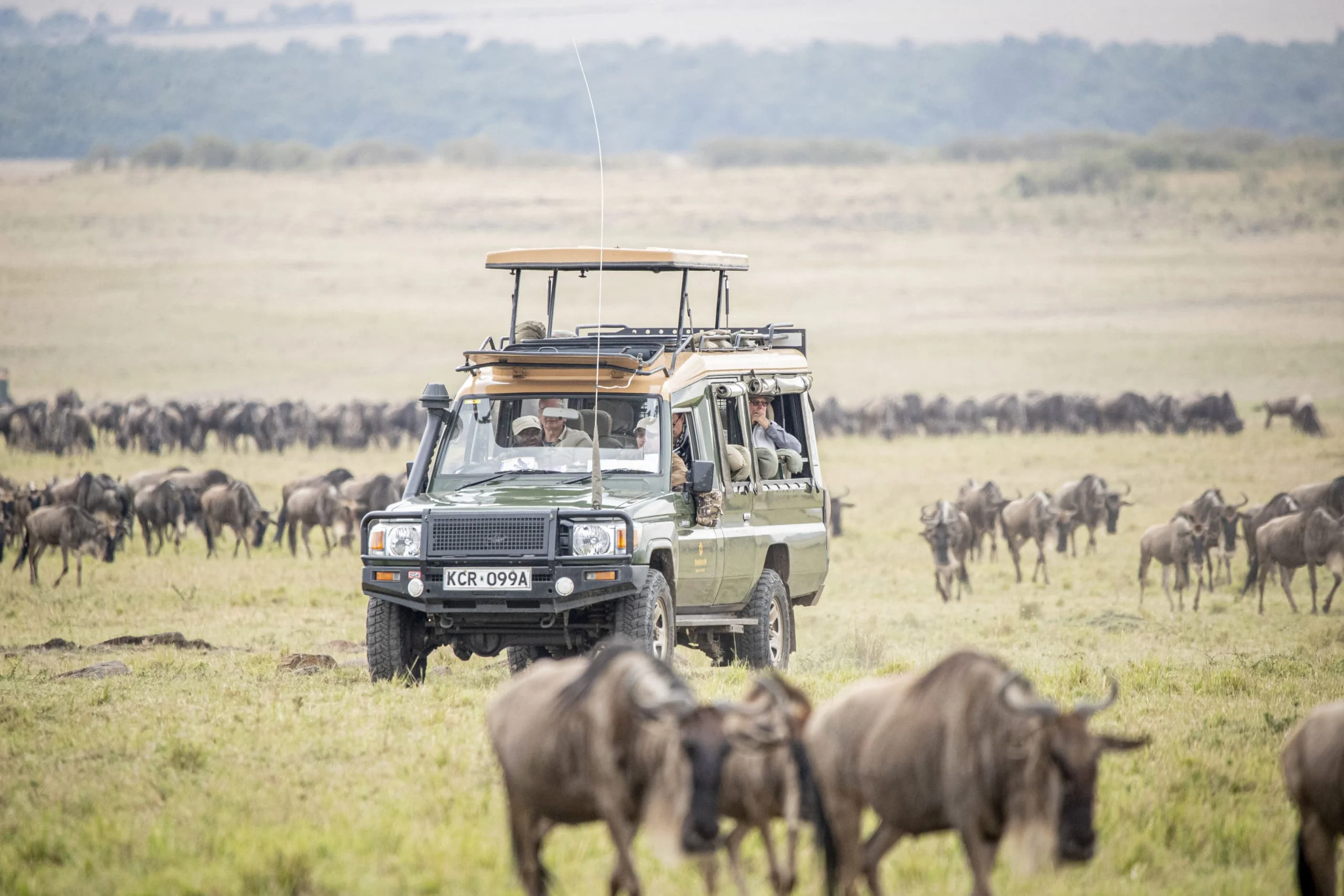
Complete Guide to Leopard Hunting Techniques
Learn about complete guide to leopard hunting techniques in this comprehensive safari guide.
 Wildlife Guides
Complete Guide to African Lion Behavior
Delve into the complex social structure, hunting techniques, and communication methods of the African lion. Understand the king of the savanna with this in-depth guide.
 Destination Guides
Complete Guide to Table Mountain National Park
A complete guide to Complete Guide to Table Mountain National Park. Learn about the wildlife, activities, and best time to visit this amazing destination.
 Destination Guides
Complete Guide to Garden Route Safari Options
A complete guide to Complete Guide to Garden Route Safari Options. Learn about the wildlife, activities, and best time to visit this amazing destination.
 Destination Guides
Complete Guide to Sabi Sands Game Reserve
A complete guide to Complete Guide to Sabi Sands Game Reserve. Learn about the wildlife, activities, and best time to visit this amazing destination.