
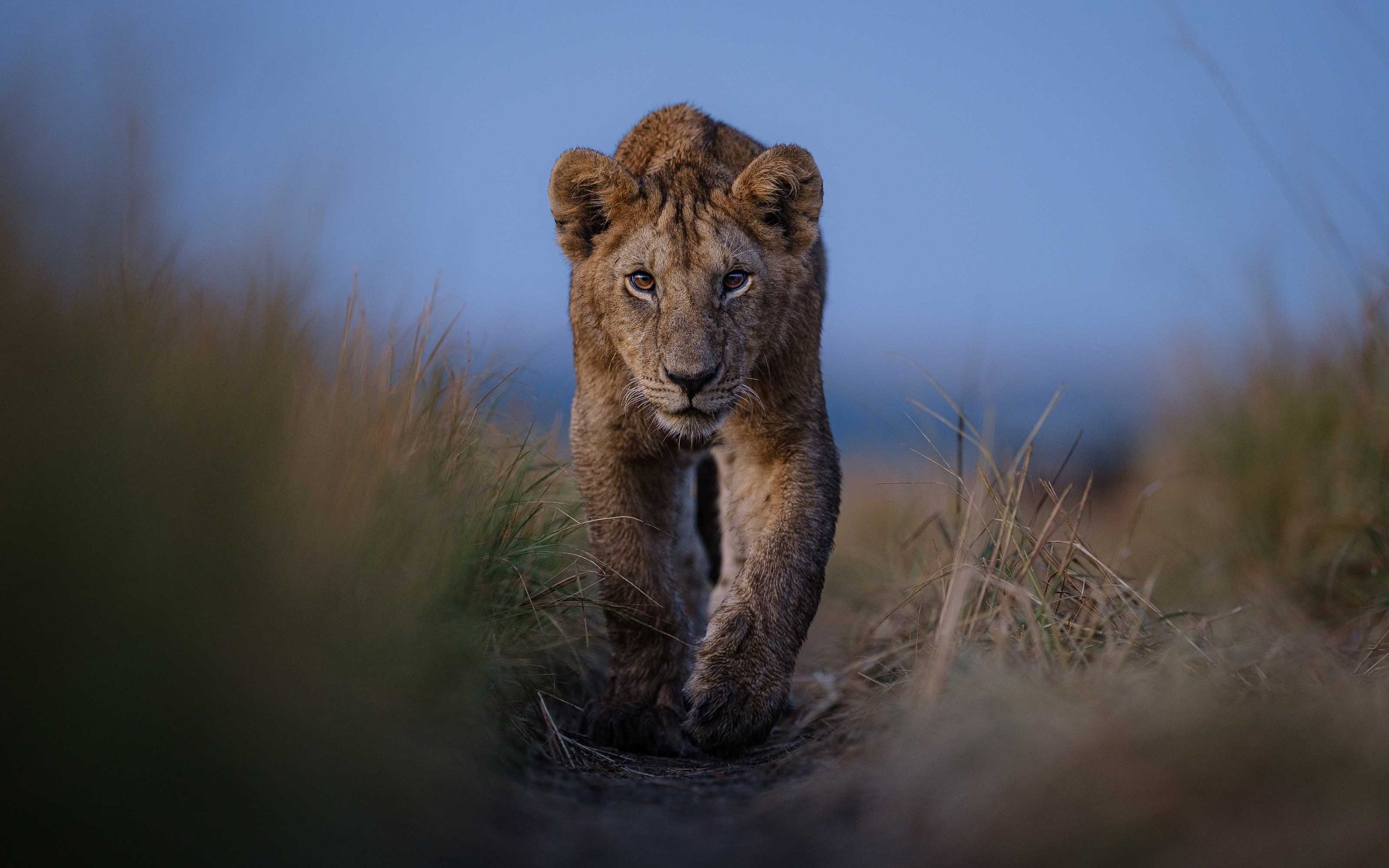
Delve into the complex social structure, hunting techniques, and communication methods of the African lion. Understand the king of the savanna with this in-depth guide.
The Social World of the Lion
African lions are the most social of all big cats, living in groups called prides. A pride is a family unit that can range from just a few individuals to more than 40. The core of the pride is made up of related lionesses, their offspring, and a few adult males. The lionesses form a close-knit group, hunting together and raising their cubs communally. This social structure is a key to their survival, providing benefits in hunting, defending territory, and raising young. For a chance to see these social dynamics in person, consider a safari to destinations known for their lion populations.
Hunting and Diet
Lions are powerful predators, and their hunting behavior is a fascinating display of teamwork and strategy. Lionesses do the majority of the hunting for the pride. They often hunt in coordinated groups, using their numbers to their advantage to stalk and ambush prey. Their diet consists mainly of medium to large-sized mammals, such as wildebeest, zebra, and buffalo. While lionesses are the primary hunters, the males are responsible for protecting the pride and its territory from rival lions. They will also participate in hunts, especially for larger prey like buffalo or giraffe. Our safari operators can recommend the best parks for witnessing a lion hunt.
Still researching? Let us help.
Our advisory team has planned safaris across 9 African countries. We can turn your research into a real plan.
Talk to an AdvisorCommunication and Roaring
Lions communicate in a variety of ways, including vocalizations, body language, and scent marking. The most iconic of these is the roar. A lion's roar can be heard up to 8 kilometers (5 miles) away and serves several purposes. It is used to advertise their presence to other lions, to define their territory, and to communicate with other members of the pride. Lions also use a variety of other vocalizations, including growls, snarls, and purrs. Scent marking with urine and feces is another important way that lions communicate and establish their territory. Explore our knowledge center for more articles on African wildlife.
Raising the Next Generation
Cubs are the future of the pride, and their upbringing is a communal affair. Lionesses often synchronize their births, allowing them to raise their cubs together. The cubs are born blind and helpless and are hidden in a den for the first few weeks of their lives. Once they are old enough, they are introduced to the rest of the pride. The lionesses will nurse each other's cubs, and all members of the pride play a role in protecting them from danger. Despite this care, cub mortality is high, with many falling victim to predators like hyenas or to infanticide by new males taking over the pride. To understand the costs associated with a safari to see these animals, check out our safari cost calculator.
The Lion's Roar: More Than Just a Sound
A lion's roar is one of the most iconic sounds of the African bush, a primal declaration of presence and power that can be heard up to 8 kilometers (5 miles) away. This incredible vocalization is not just for show; it serves several critical functions in lion society. The primary purpose of roaring is communication. Lions roar to broadcast their territory to other prides, warning them to keep their distance. It is a powerful auditory fence that helps prevent violent and potentially fatal confrontations between rival groups.
Roaring also plays a crucial role in social cohesion within the pride. Members of a pride will often roar in chorus, a behavior that strengthens their social bonds and collectively reinforces their claim to a territory. This communal roaring can be a breathtaking experience for any safari-goer, as the sound vibrates through the landscape. For a traveler, hearing a lion roar at night from the safety of a safari lodge is a profound reminder of the wildness of Africa. Our safari operators can help you choose destinations known for their robust lion populations, increasing your chances of witnessing this incredible spectacle.
> Expert Insight: The unique structure of a lion's larynx, which is square-shaped rather than triangular like in other big cats, allows it to produce such a loud and deep roar with minimal effort. This anatomical specialization is a key part of what makes the lion the king of the savanna.
Done Reading? Let's Build Your Safari.
Skip the guesswork. Work with an advisor who has been on the ground across East and Southern Africa.
Plan With UsHunting Strategies and Diet
Lions are apex predators, and their hunting prowess is legendary. While they are often perceived as the primary hunters, it is the lionesses who carry out approximately 80-90% of the pride's hunting. They are more agile and work together with remarkable coordination. A typical hunt involves a group of lionesses fanning out to encircle their prey, with some individuals driving the target towards others lying in ambush. This teamwork allows them to take down large animals like wildebeest, zebra, and even buffalo.
While the females do the bulk of the work, the male lion's role is to protect the pride and its territory. However, they will participate in hunts for exceptionally large prey, such as a giraffe or a fully grown buffalo, where their immense size and strength are needed. Once a kill is made, a strict social hierarchy dictates the order of feeding. The adult males typically eat first, followed by the lionesses, and finally the cubs. This can be a brutal reality for the youngest members of the pride, who are often last to feed and may not survive in times of scarcity.
To plan a safari focused on witnessing these predator-prey dynamics, visit our destinations page to explore parks like the Serengeti in Tanzania or the Maasai Mara in Kenya, which are renowned for their large lion populations and abundant prey.
Coalition Males: The Battle for Dominance
The life of a male lion is one of constant competition. Young males are forced out of their birth pride when they reach sexual maturity, around 2-3 years of age. To survive and have a chance to reproduce, these nomadic males often form coalitions, typically with brothers or cousins. These bonds are incredibly strong and essential for taking over a new pride, an event that is almost always violent.
A pride takeover involves a coalition of males challenging the resident male or males. The fights are ferocious, and the losers are either killed or driven off. If the takeover is successful, the new males will often commit infanticide, killing any young cubs sired by their predecessors. This seemingly cruel act serves a biological purpose: it brings the lionesses into estrus more quickly, allowing the new males to sire their own offspring and pass on their genes.
> Traveler's Tip: Witnessing a pride with a dominant male coalition is a highlight of any safari. Look for large males with impressive manes, as the size and darkness of a mane can indicate health and fighting ability. Our knowledge center offers more in-depth articles on the complex social structures of African wildlife.
Threats to African Lion Populations
Despite their status as apex predators, African lion populations have declined by over 40% in the last three decades. The primary threats are human-wildlife conflict, habitat loss, and the illegal wildlife trade. As human populations expand, lions are losing their territories, leading to more frequent and often fatal encounters with people and livestock.
Conservation efforts are underway across Africa to protect these magnificent animals. These initiatives include community-based conservation programs, anti-poaching patrols, and research into lion population dynamics. By choosing a responsible safari operator, you are directly contributing to these efforts. A portion of park fees and tourism revenue goes towards funding conservation projects that help protect lions and their habitats. To understand the financial aspects of planning such a trip, our safari cost calculator provides a detailed breakdown.
Your decision to travel with a reputable advisory firm ensures that your journey supports the long-term survival of Africa's wildlife. Plan your safari with us to make a positive impact.
Need Expert Safari Guidance?
Get expert advisory support from a firm founded by a former safari guide — with real operational knowledge across 9 African countries and full-journey accountability.
Related Planning Guides
Explore Related Topics
Recommended Reading
 Wildlife Guides
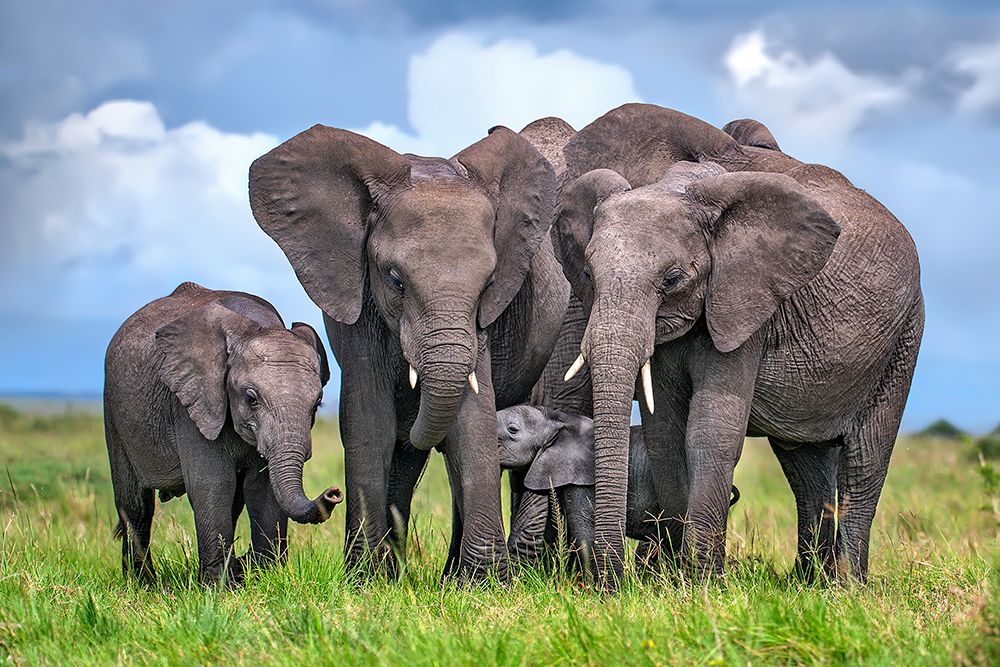
Complete Guide to African Elephant Social Structure
Learn about complete guide to african elephant social structure in this comprehensive safari guide.
 Wildlife Guides
Complete Guide to African Wild Dog Pack Dynamics
Learn all about Complete Guide to African Wild Dog Pack Dynamics in this comprehensive guide. Discover the best time to go, what to see, and how to plan your trip.
 Wildlife Guides
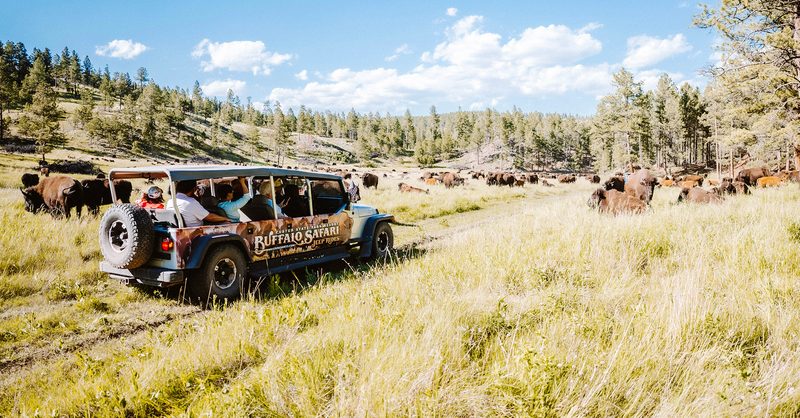
Complete Guide to African Buffalo Herds
Learn all about Complete Guide to African Buffalo Herds in this comprehensive guide. Discover the best time to go, what to see, and how to plan your trip.
 Country Guides
Complete Safari Guide to South Africa
Your complete guide to Complete Safari Guide to South Africa. Find the best destinations, planning tips, and more for your next safari adventure.
 Country Guides
South Africa Safari Language and Communication Guide
A comprehensive guide to South Africa Safari Language and Communication Guide. Learn everything you need to know for your next safari adventure.
 Safari Planning
Step-by-Step Guide to Planning an African Safari
Learn how to plan your first African safari with our step-by-step guide. We cover everything from choosing a destination to booking your trip and packing.