
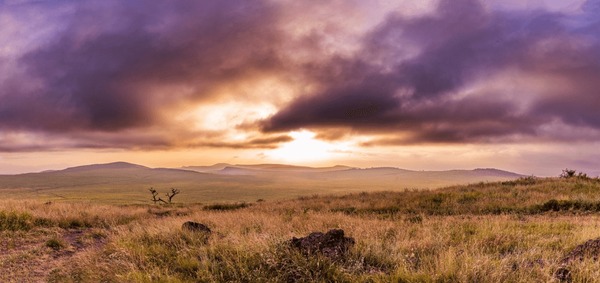
Discover the ultimate guide to South Luangwa National Park, the birthplace of walking safaris. Learn about its incredible wildlife, top activities, and best time to visit.
''' South Luangwa National Park, located in eastern Zambia, is a world-renowned safari destination celebrated for its abundant wildlife, pristine wilderness, and pioneering role in walking safaris. The park is centered around the life-giving Luangwa River, which meanders through a dramatic landscape carved from the Great Rift Valley. This dynamic ecosystem, with its seasonal floods and fertile floodplains, supports an incredible density and diversity of wildlife, making it a must-visit for any serious safari enthusiast. Whether you are a seasoned traveler or planning your first African adventure, South Luangwa offers an authentic and immersive safari experience that is hard to match.
The South Luangwa Ecosystem
South Luangwa National Park covers a vast 9,050 square kilometers of unfenced wilderness, a sanctuary for some of Africa's most iconic wildlife. The park's diverse habitats, ranging from open woodlands and grassy plains to dense riverine forests and seasonal lagoons, contribute to its rich biodiversity. The Luangwa River is the park's lifeline, attracting animals from far and wide, especially during the dry season when water sources become scarce. This concentration of wildlife along the river and its oxbow lagoons provides exceptional game viewing opportunities.
A Haven for Predators
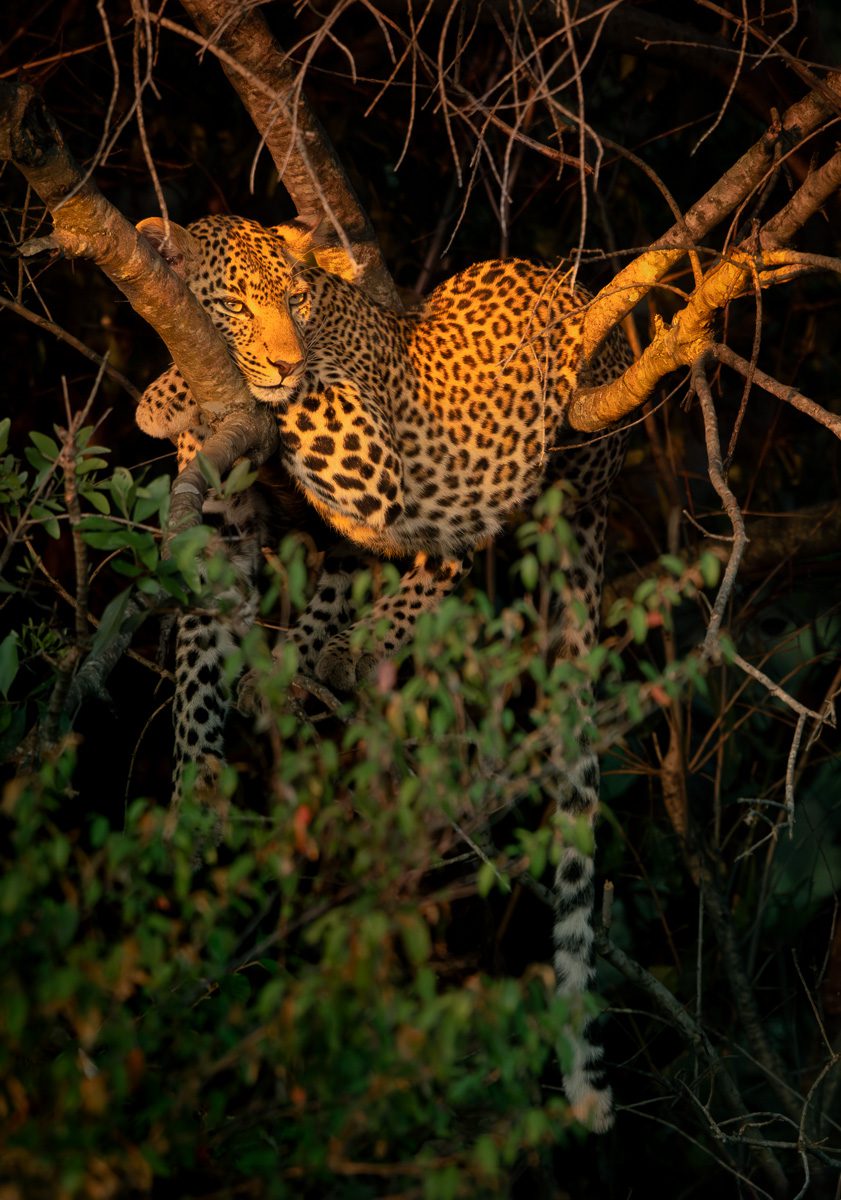
South Luangwa is famously known as the "Valley of the Leopard," and for good reason. The park boasts one of the highest densities of leopards in Africa, and sightings are remarkably common. These elusive and beautiful big cats are often seen lounging in the boughs of sausage trees or stealthily stalking their prey in the riverine thickets. In addition to leopards, the park is home to large prides of lions, often seen hunting buffalo on the open plains. Spotted hyenas are also a common sight, their whooping calls a characteristic sound of the African night.
Endemic and Notable Wildlife
Beyond the famous predators, South Luangwa is home to a unique cast of characters. The park is the only place in the world to see the Thornicroft's giraffe, a distinct subspecies with a beautiful and unique coat pattern. You can also find the endemic Cookson's wildebeest, a lighter-colored relative of the more common blue wildebeest. Large herds of elephants and buffalo are a common sight, as are zebras, impalas, and a variety of other antelope species. The Luangwa River is also home to a massive population of hippos and crocodiles, their grunts and splashes providing a constant soundtrack to your safari.
The Birthplace of Walking Safaris
South Luangwa holds a special place in safari history as the birthplace of the walking safari. Pioneered by the legendary conservationist Norman Carr in the 1950s, walking safaris offer a completely different perspective on the African bush. Instead of passively observing from a vehicle, you become an active participant in the environment, engaging all your senses to track animals, interpret signs of the wild, and appreciate the smaller wonders of the ecosystem.
What to Expect on a Walking Safari
A walking safari is not a route march but a slow, interpretive journey through the wilderness. Led by an expert guide and an armed scout for safety, you will learn to read the stories written in the sand, from the tracks of a leopard to the passage of a herd of elephants. You will discover the intricate world of insects, the medicinal uses of plants, and the fascinating behavior of birds. The thrill of encountering big game on foot is an unforgettable experience, a heart-pounding reminder of your place in the natural world.
Multi-Day Walking Safaris
For the ultimate immersive experience, consider a multi-day walking safari, moving between remote bushcamps. These camps are simple yet comfortable, offering a true wilderness experience far from the crowds. You will spend your days exploring the pristine wilderness on foot and your evenings relaxing around the campfire, sharing stories under a canopy of stars. This is a chance to disconnect from the modern world and reconnect with nature in its purest form.
Still researching? Let us help.
Our advisory team has planned safaris across 9 African countries. We can turn your research into a real plan.
Talk to an AdvisorSafari Activities in South Luangwa
While walking safaris are a highlight, South Luangwa offers a variety of other activities to suit every interest.
[Game Drive](/knowledge/safari-game-drive-etiquette)s
Traditional game drives in open 4x4 vehicles remain a classic and effective way to explore the park and see a wide range of wildlife. Morning and afternoon drives are the norm, but many camps also offer night drives, providing a unique opportunity to see nocturnal animals such as leopards, genets, and owls.
[Boat Safari](/knowledge/boat-safaris-guide)s
During the "emerald season" (from December to April), when the Luangwa River is high, some lodges offer boat safaris. This is a fantastic way to experience the park from a different perspective, gliding past pods of hippos and crocodiles and getting close to waterbirds and other animals that come to the river to drink.
Sleep-Outs and Star Beds
For a truly unforgettable night in the bush, some camps offer the option of a "sleep-out" under the stars. You will sleep on a comfortable bedroll or a raised "star bed," surrounded by the sounds of the African night, with nothing but a mosquito net between you and the vast, star-studded sky.
When to Visit South Luangwa
The best time to visit South Luangwa depends on your interests. The dry season, from May to October, is the most popular time for game viewing. As water sources dry up, animals congregate around the Luangwa River and its remaining lagoons, making them easier to spot. The weather is pleasant, with warm days and cool nights.
The "emerald season," from December to April, is a time of renewal, when the rains transform the dry landscape into a lush, green paradise. This is a beautiful time to visit, with dramatic skies, migrant birds, and baby animals. While game viewing can be more challenging due to the dense vegetation, the experience is incredibly rewarding.
Planning Your South Luangwa Safari
South Luangwa is a remote destination, but it is well-connected by domestic flights from Lusaka and Mfuwe. The park offers a wide range of accommodation options, from rustic bushcamps to luxurious lodges, catering to every budget and style. When planning your trip, consider combining a few days at a main lodge with a few days at a more remote bushcamp to experience the best of both worlds.
South Luangwa National Park is more than just a safari destination; it is a place of wild beauty, rich history, and profound connection to the natural world. Whether you are tracking lions on foot, marveling at a leopard in a sausage tree, or simply listening to the sounds of the bush at night, a safari in South Luangwa is an experience that will stay with you for a lifetime. '''
Need Expert Safari Guidance?
Get expert advisory support from a firm founded by a former safari guide — with real operational knowledge across 9 African countries and full-journey accountability.
Related Planning Guides
Explore Related Topics
Recommended Reading
 National Park Guides
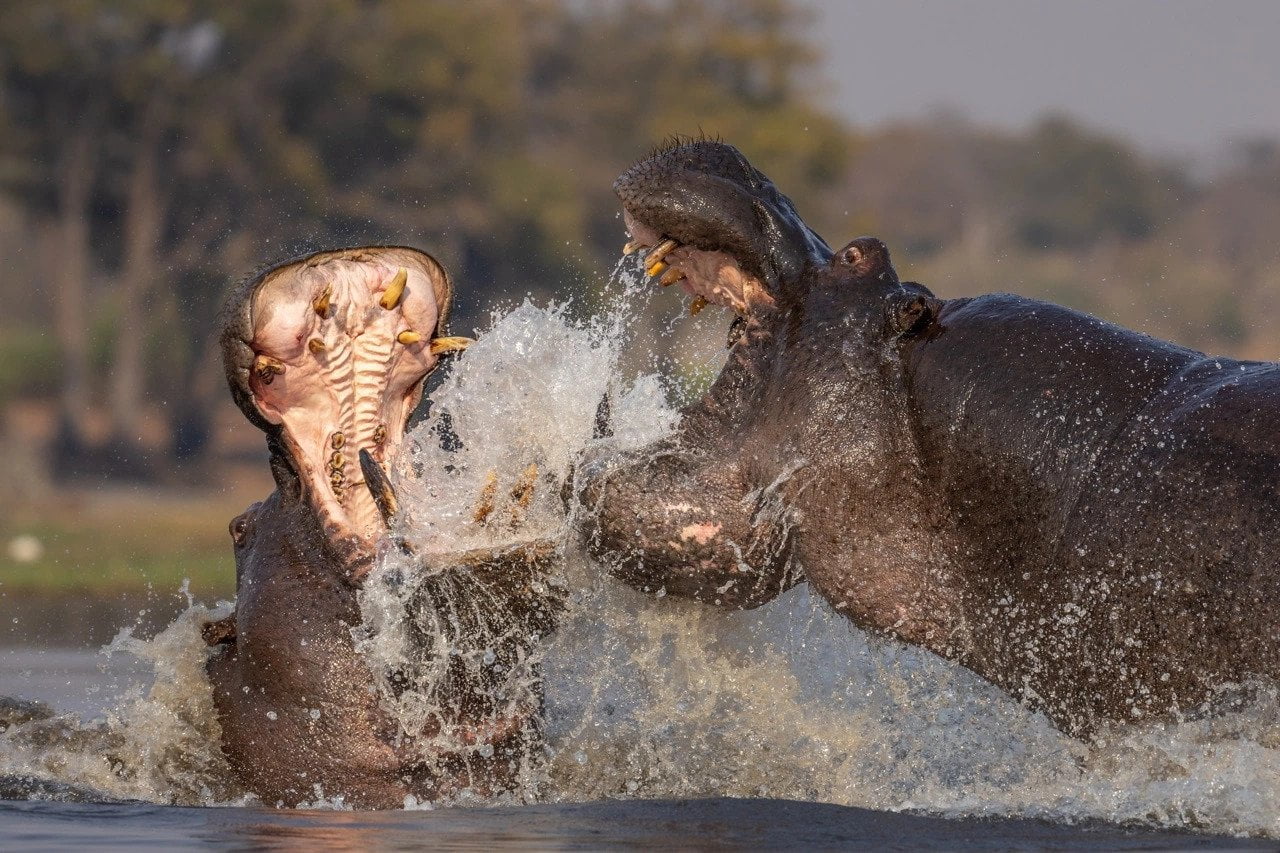
Serengeti National Park Guide
Explore the wonders of Serengeti National Park with our expert guide. Learn about the Great Migration, wildlife, and planning your unforgettable Tanzanian safari.
 National Park Guides
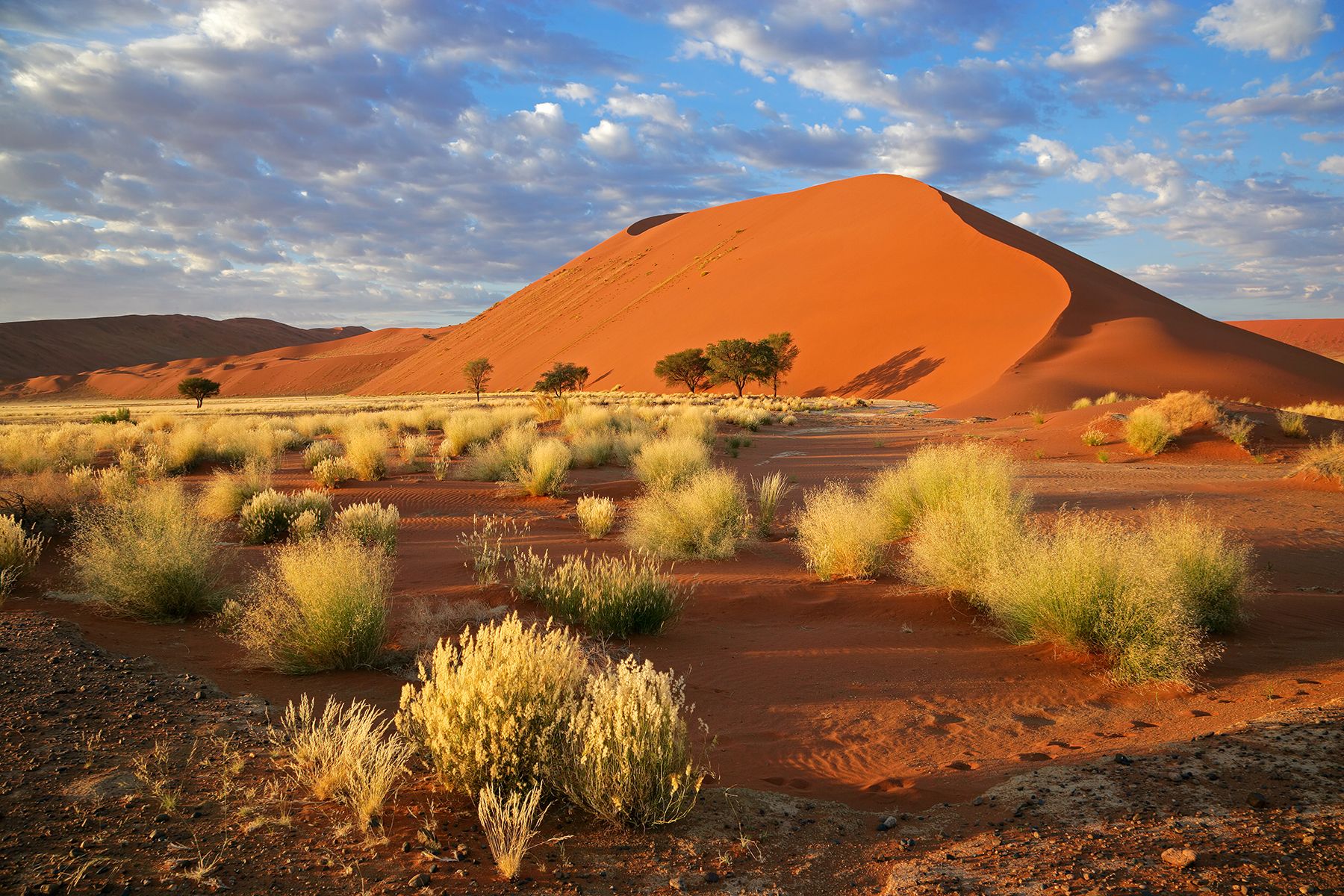
Kruger National Park Guide
Discover the ultimate guide to Kruger National Park. Learn about its incredible wildlife, the best time to visit, and how to plan your dream safari adventure.
 National Park Guides
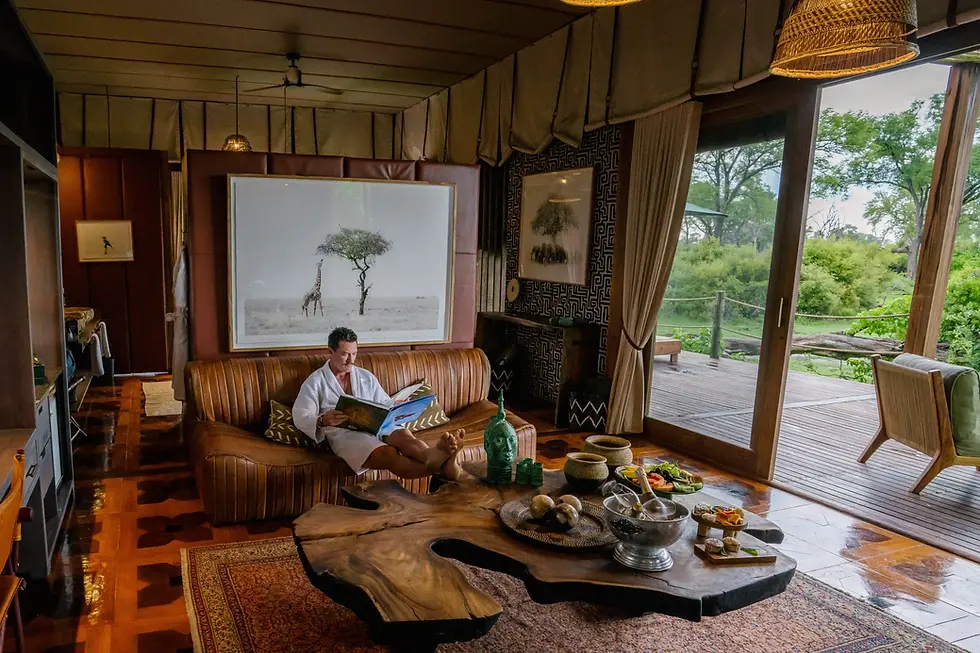
Chobe National Park Guide
Discover the ultimate guide to Chobe National Park, Botswana\
 Destination Guides
Complete Guide to Table Mountain National Park
A complete guide to Complete Guide to Table Mountain National Park. Learn about the wildlife, activities, and best time to visit this amazing destination.
 Destination Guides
Complete Guide to Nyerere National Park
Learn about complete guide to nyerere national park in this comprehensive safari guide.
 Destination Guides
Complete Guide to Loango National Park Gabon
Discover everything you need to know about Complete Guide to Loango National Park Gabon. From wildlife and landscapes to lodges and activities, this guide cover