Step-by-Step Guide to Planning an African Safari

Step-by-Step Guide to Planning an African Safari

6 min read 1,151 wordsSafari Planning

Learn how to plan your first African safari with our step-by-step guide. We cover everything from choosing a destination to booking your trip and packing.

''' Planning an African safari is an exciting journey, but it can also feel overwhelming with so many destinations, options, and logistics to consider. This comprehensive guide will walk you through the essential steps to plan a seamless and unforgettable safari experience. By breaking down the process, you can move from dreaming about African wildlife to confidently booking your adventure.

Define Your Safari Goals and Priorities

The first step in planning your safari is to define what you want to see and experience. Africa is a vast continent with diverse wildlife and landscapes, so having a clear vision will help you narrow down your options. Consider the following questions to clarify your safari goals:

What Are Your Wildlife Interests?

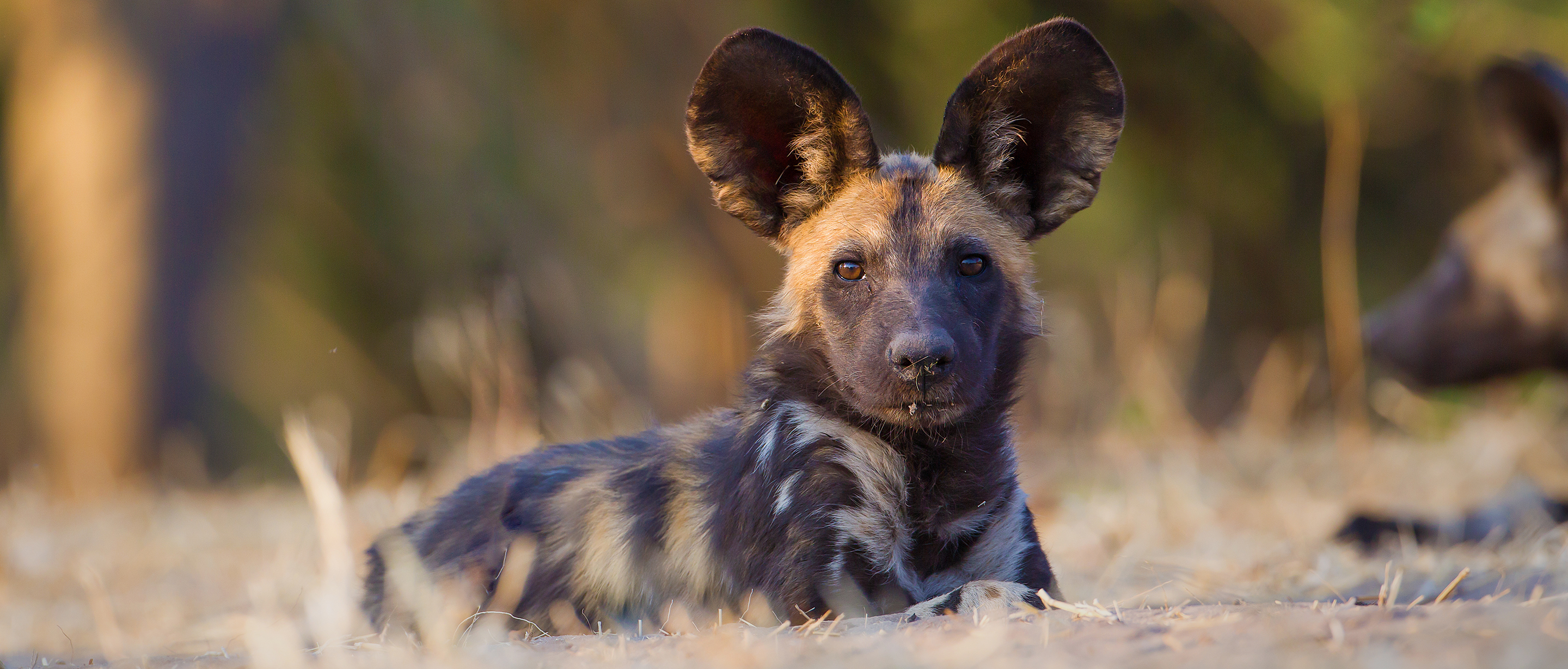
Are you hoping to see the "Big Five"—lion, leopard, rhinoceros, elephant, and Cape buffalo? Or are you interested in specific animals like gorillas, chimpanzees, wild dogs, or unique bird species? Your wildlife priorities will significantly influence your choice of destination. For example, if gorilla trekking is on your bucket list, you'll want to focus on countries like Uganda and Rwanda. If you dream of witnessing the Great Wildebeest Migration, your search will lead you to Tanzania and Kenya.

What Kind of Experience Are You Looking For?

Think about the overall style and pace of your trip. Are you seeking a high-adventure, rustic experience, or do you prefer a more relaxed and luxurious safari? Are you traveling with family and need child-friendly activities, or are you planning a romantic honeymoon? Your travel style will help determine the type of accommodation, transportation, and activities that are right for you.

Choose Your Ideal Safari Destination

Once you have a clearer idea of your goals, it's time to explore potential destinations. Africa offers a wide range of safari experiences, each with its own unique character. Here's a look at some of the most popular safari regions:

East Africa: Kenya, Tanzania, Uganda, and Rwanda

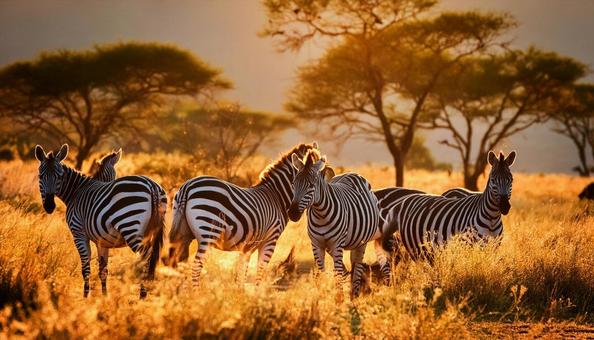
East Africa is famous for its vast savannas, abundant wildlife, and iconic landscapes. This region is home to the Serengeti and Maasai Mara ecosystems, where you can witness the dramatic Great Migration. Key highlights include:

  • Tanzania: The Serengeti National Park, Ngorongoro Crater, and Tarangire National Park offer incredible wildlife density and the opportunity to see the wildebeest calving season.
  • Kenya: The Maasai Mara National Reserve is renowned for its large lion prides and the dramatic river crossings during the Great Migration.
  • Uganda & Rwanda: These countries are the premier destinations for mountain gorilla and chimpanzee trekking, offering a once-in-a-lifetime wildlife encounter.

Southern Africa: Botswana, Namibia, South Africa, Zambia, and Zimbabwe

Southern Africa is known for its diverse landscapes, from the lush waterways of the Okavango Delta to the stark deserts of Namibia. This region offers a variety of safari experiences, including:

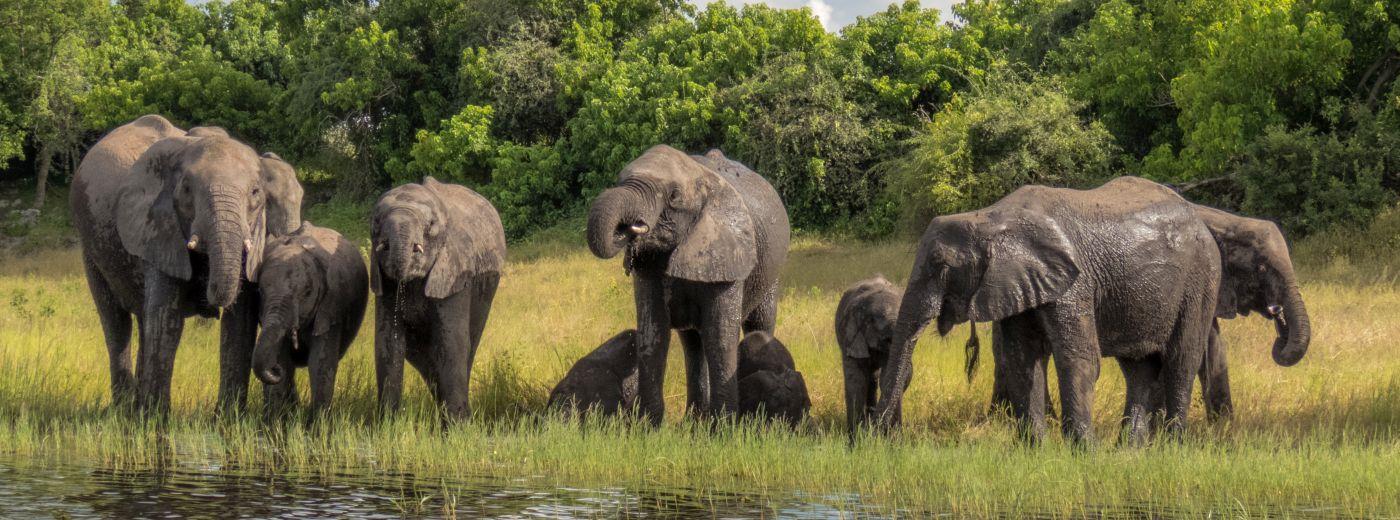
  • Botswana: The Okavango Delta offers unique water-based safaris in traditional mokoro canoes, while Chobe National Park is famous for its large elephant herds.
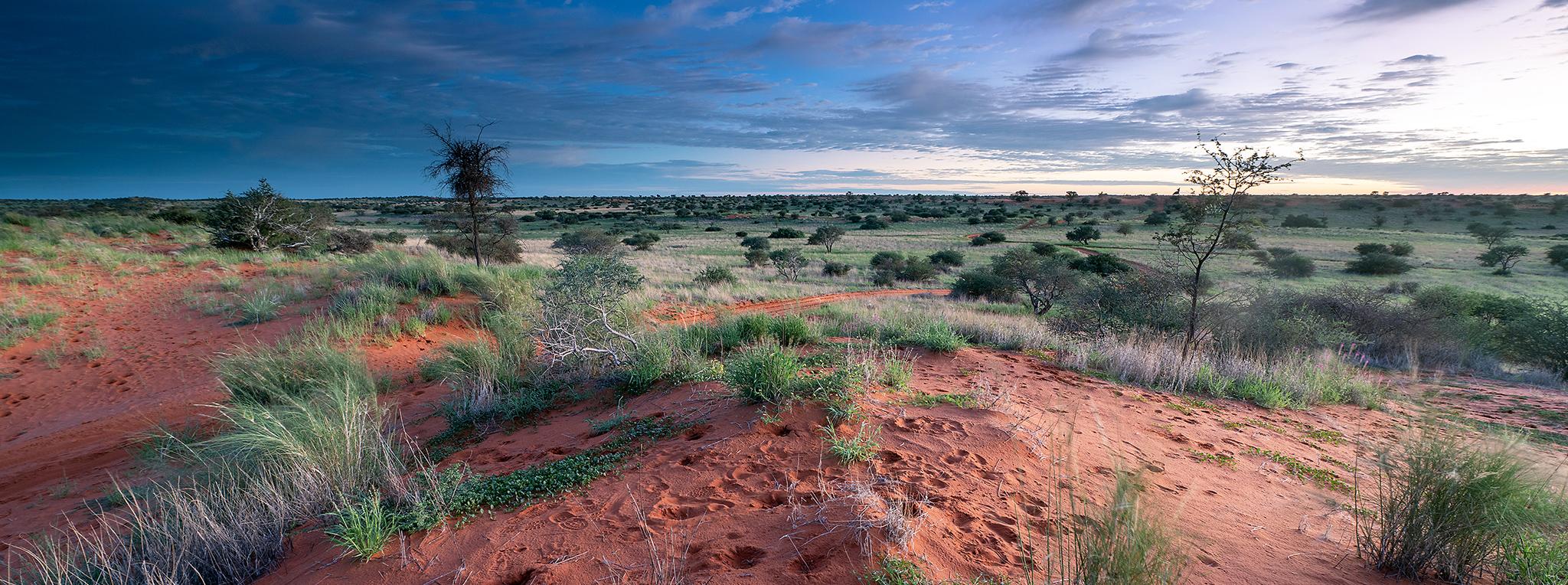
  • Namibia: Experience desert-adapted wildlife in Etosha National Park and explore the towering red dunes of Sossusvlei.
  • South Africa: Kruger National Park is one of Africa's most famous safari destinations, offering excellent opportunities for self-drive safaris and a wide range of accommodation options.

Select the Best Time for Your Safari

Timing is a critical factor in safari planning, as it affects wildlife viewing, weather, and pricing. The best time to visit depends on your destination and what you want to see.

Peak Season (Dry Season)

Generally, the dry season (usually from June to October in many safari destinations) is considered the best time for wildlife viewing. During this time, vegetation is sparse, and animals congregate around water sources, making them easier to spot. However, this is also the most popular time to travel, so you can expect more crowds and higher prices.

Green Season (Wet Season)

The wet season (typically from November to May) brings lush, green landscapes and fewer tourists. This is an excellent time for birdwatching and seeing newborn animals. While wildlife viewing can be more challenging due to denser vegetation, the green season offers a different kind of beauty and often more affordable prices.

Determine Your Safari Style and Budget

African safaris can range from budget-friendly camping trips to ultra-luxurious lodge experiences. Your budget will influence the level of comfort, exclusivity, and convenience of your trip.

Accommodation Styles

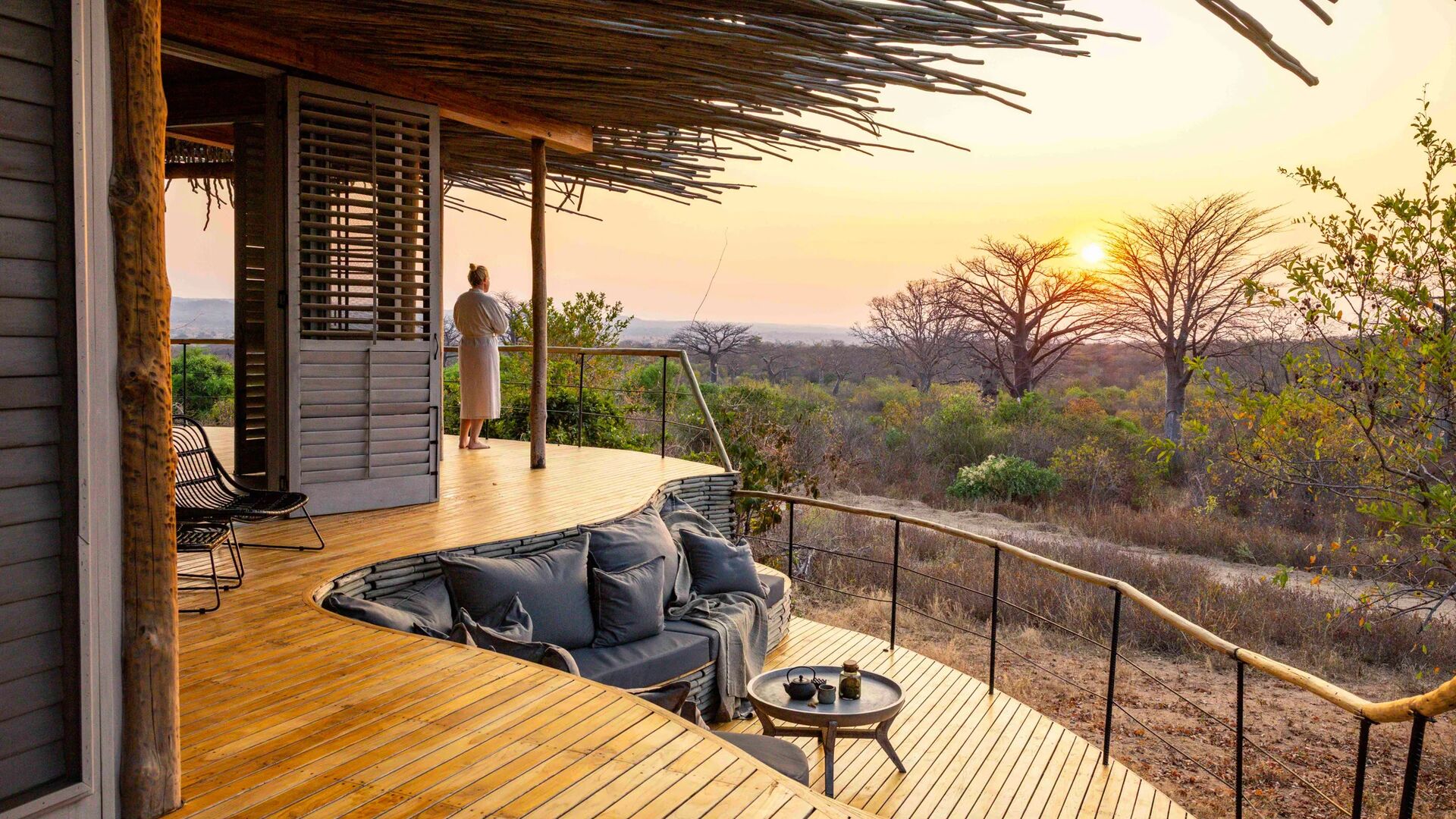
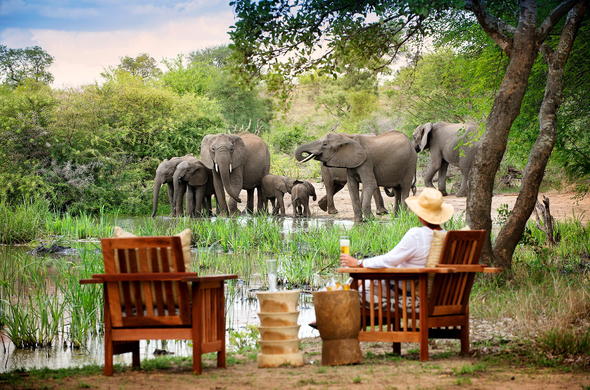
  • Luxury Lodges and Tented Camps: These offer high-end amenities, gourmet meals, and expert-guided activities. Tented camps provide an immersive nature experience without sacrificing comfort.
  • Mid-Range Lodges and Camps: These provide a comfortable and authentic safari experience with a good balance of value and amenities.
  • Budget Camping: For the more adventurous traveler, budget camping safaris offer a rustic and affordable way to experience the African bush.

Safari Types

  • Guided Safaris: Most safaris are led by professional guides who handle all the logistics, from game drives to accommodation. This is the most common and recommended option for first-time visitors.
  • Self-Drive Safaris: In some countries, like South Africa and Namibia, it's possible to rent a vehicle and explore national parks on your own. This option offers more flexibility but requires more planning.
  • Fly-In Safaris: For those short on time or looking to explore remote areas, fly-in safaris use light aircraft to travel between parks, maximizing your time on the ground.

Booking Your Safari and Preparing for Travel

Once you have a clear plan, it's time to book your safari and prepare for your adventure. It's generally recommended to book your safari 6 to 12 months in advance, especially if you plan to travel during the peak season.

Working with a Safari Advisor

Planning a safari can be complex, so working with a reputable safari advisor or tour operator is highly recommended. An expert can provide personalized recommendations, handle all the bookings, and ensure your trip runs smoothly. Look for an advisor who has firsthand knowledge of the destinations and can offer unbiased advice.

Health and Safety

Consult your doctor about necessary vaccinations and malaria prophylaxis for your chosen destination. It's also essential to purchase comprehensive travel insurance that covers medical emergencies, trip cancellations, and other unforeseen events.

Packing for Your Safari

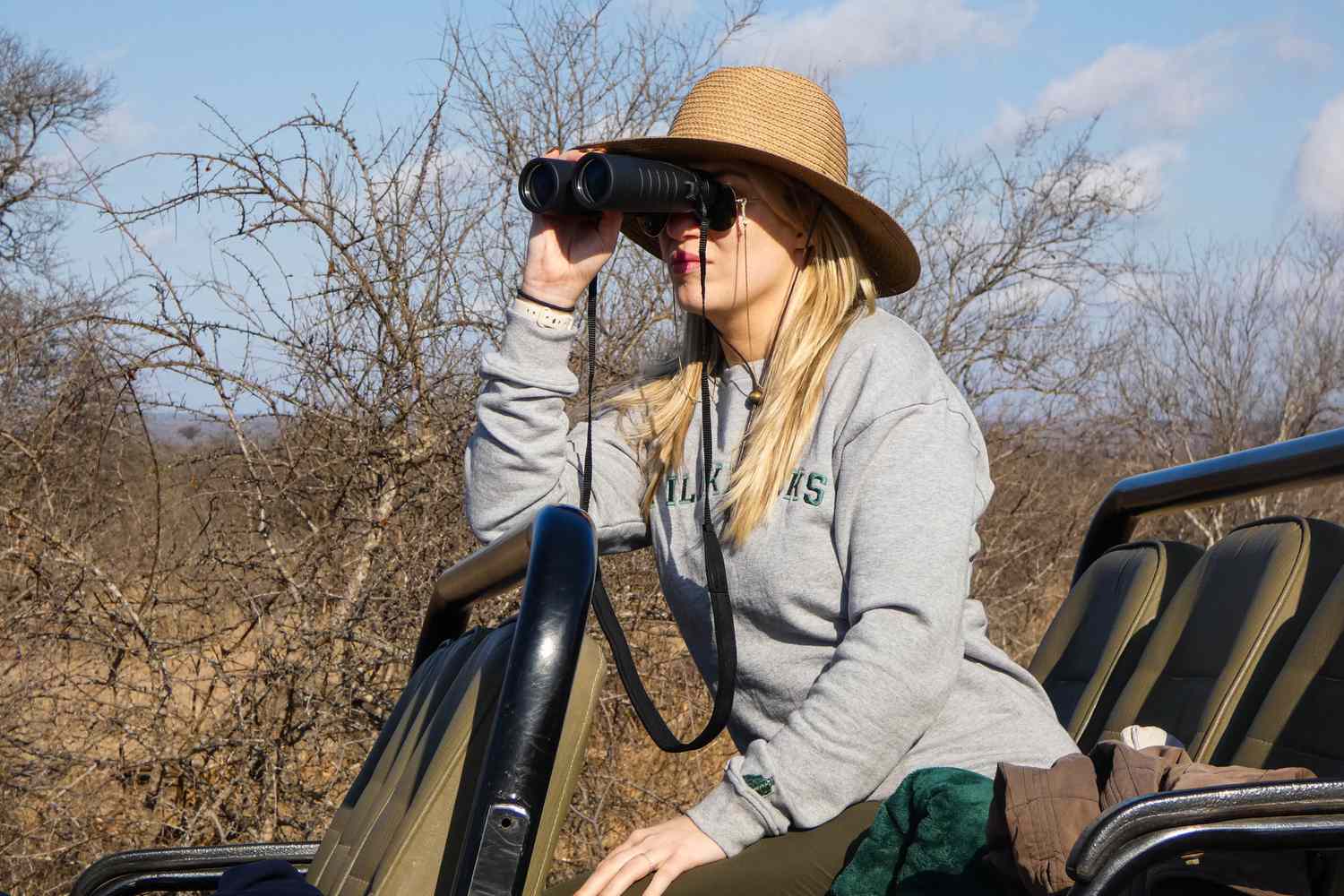
Pack light and choose neutral-colored clothing (khaki, beige, and olive green) to blend in with the environment. Essential items include a warm jacket for early morning game drives, comfortable walking shoes, a hat, sunscreen, insect repellent, and a good pair of binoculars. Most small aircraft used for fly-in safaris have strict luggage weight limits, so be sure to check the restrictions before you pack.

By following these steps, you can confidently plan an African safari that matches your dreams and creates memories that will last a lifetime. The key is to start with a clear vision, do your research, and work with a trusted expert to bring your safari adventure to life. '''

Share This Article

Do Not Skip This Step

Plan Your Entire Safari Without Costly Mistakes

The Complete Step-by-Step Planning System

Everything you need to plan, budget, and pack for your African safari — in one complete system. Save compared to buying separately and cover every critical decision from start to finish.

Share with your advisor or operator for structured collaboration

Plan Your Safari Step by Step

Follow our free 7-step interactive checklist with 50+ action items to plan your African safari with confidence.

Stop Guessing — Start Planning With Confidence

The Planning Tools That Prevent Costly Mistakes

Built from real safari industry experience — not recycled blog content. Share with your advisor or operator for structured collaboration.

Need Expert Safari Guidance?

Our safari advisors can help you plan the perfect itinerary based on your interests, budget, and travel dates. Get personalized recommendations from experts who have lived and worked across Africa.