
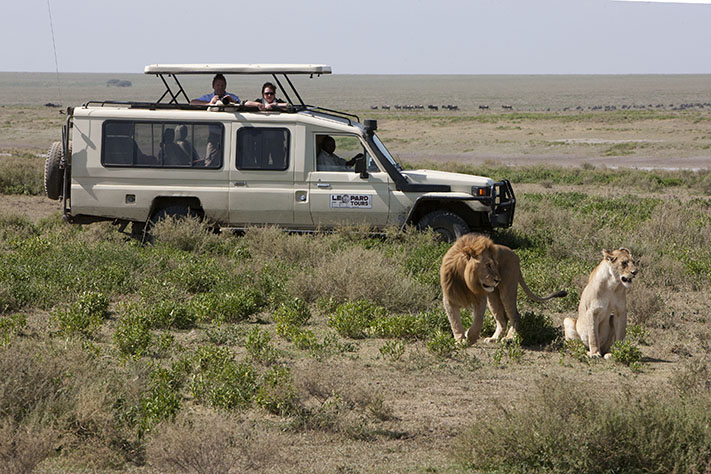
Learn about complete guide to nyerere national park in this comprehensive safari guide.
Introduction
Understanding complete guide to nyerere national park is essential for anyone planning a safari in Africa. This topic encompasses a range of considerations that can significantly impact your travel experience, from practical logistics to wildlife encounters that create lasting memories.
Key Details and Considerations
The most important aspects of complete guide to nyerere national park involve understanding local conditions, seasonal variations, and the unique characteristics of different safari regions. Each destination across Africa offers something distinct, from the Serengeti's endless plains to the Okavango Delta's waterways. Working with experienced safari operators ensures you receive guidance tailored to your specific interests and travel dates.
Still researching? Let us help.
Our advisory team has planned safaris across 9 African countries. We can turn your research into a real plan.
Talk to an AdvisorPractical Advice
For practical guidance on complete guide to nyerere national park, consider these expert recommendations. First, start your research early and use reliable sources like our knowledge center for up-to-date information. Second, don't underestimate the value of professional guidance, as a knowledgeable safari planning guide can save you time, money, and potential disappointment. Third, remain flexible in your planning, as Africa's natural environments are dynamic and unpredictable.
Expert Insights
Safari professionals with decades of experience note that understanding complete guide to nyerere national park gives travelers a significant advantage. The difference between a good safari and an exceptional one often comes down to the details, from choosing the right accommodation to timing your game drives for optimal wildlife viewing. Our safari operators bring this expertise to every consultation, helping you avoid common pitfalls and discover hidden gems.
Planning Your Next Steps
To wrap up, mastering complete guide to nyerere national park is an investment that pays dividends throughout your safari journey. The more you understand about Africa's diverse ecosystems, wildlife, and tourism infrastructure, the better equipped you'll be to make decisions that lead to extraordinary experiences. Start your planning journey with our comprehensive knowledge center and connect with our team of experienced safari operators for personalized guidance.
Done Reading? Let's Build Your Safari.
Skip the guesswork. Work with an advisor who has been on the ground across East and Southern Africa.
Plan With UsDeeper into the Bush: Understanding Nyerere's Ecosystem
Nyerere National Park, formerly the northern part of the Selous Game Reserve, is a vast wilderness that represents one of the most significant concentrations of wildlife left on Earth. Its sheer size, at approximately 30,893 square kilometers, makes it larger than 70% of the world's countries, and its diverse habitats support an astonishing array of flora and fauna. The park is bisected by the mighty Rufiji River, which creates a network of lakes, lagoons, and channels, forming a crucial lifeblood for the region's wildlife. This riverine ecosystem is a stark contrast to the sprawling Miombo woodlands and grassy plains that characterize the rest of the park, creating a unique mosaic of landscapes that is a delight for any safari enthusiast.
> Expert Insight: The Rufiji River system is not just a scenic wonder; it's the ecological heart of Nyerere. The river's floodplain is a critical dry-season grazing area for a multitude of herbivores, which in turn supports a healthy population of predators. Understanding this dynamic is key to appreciating the rhythm of life in the park.
The Wildlife of Nyerere: Beyond the Big Five
While Nyerere is a stronghold for four of the "Big Five" (elephant, lion, leopard, and buffalo), its wildlife story is far more nuanced. The park is particularly famous for its massive elephant herds, which are among the largest in Africa. It is also one of the last remaining sanctuaries for the endangered African wild dog, with a significant portion of the world's population found here.
Here's a closer look at some of the key species you might encounter:
| Animal | Likelihood of Sighting | Best Viewing Areas | | --------------- | ---------------------- | ------------------------------------------------ | | Elephant | Very High | Rufiji River, surrounding lakes and woodlands | | Lion | High | Grassy plains, near waterholes | | Leopard | Moderate | Dense riverine forest, rocky outcrops | | Buffalo | Very High | Throughout the park, often in large herds | | African Wild Dog| Moderate to High | Open woodlands, often on the move | | Giraffe | High | Acacia woodlands | | Hippopotamus | Very High | Rufiji River and associated lakes | | Crocodile | Very High | Rufiji River and associated lakes | | Zebra | High | Open plains | | Wildebeest | High | Open plains |
> Traveler's Tip: Don't just focus on the big game. Nyerere is a birdwatcher's paradise, with over 440 recorded species. Keep an eye out for the Pel's fishing owl, a rare and sought-after sighting, often found along the riverbanks.
When to Visit Nyerere: A Seasonal Guide
The best time to visit Nyerere National Park is during the dry season, from June to October. During these months, the weather is cooler and drier, and the lack of rain means that the vegetation is less dense, making wildlife easier to spot. Animals congregate around the Rufiji River and other permanent water sources, leading to fantastic game viewing opportunities.
- June to October (Dry Season): This is the peak season for a reason. Expect clear skies, pleasant temperatures, and exceptional wildlife sightings. This is the ideal time for walking safaris and fly camping.
- November to February (Green Season): The short rains begin in November, transforming the landscape into a lush, green paradise. While wildlife viewing can be more challenging due to the thicker vegetation, this is a beautiful time to visit. It's also the calving season for many herbivores, which means more predator action.
- March to May (Wet Season): The long rains make many of the park's roads impassable, and most camps close during this period. We do not recommend visiting Nyerere during these months.
Unforgettable Experiences: Activities in Nyerere
Nyerere offers a wider range of activities than many other Tanzanian parks, allowing for a more varied and immersive safari experience.
- Boat Safaris: A boat safari on the Rufiji River is a must-do. It offers a unique perspective on the park's wildlife, allowing you to get incredibly close to hippos, crocodiles, and a plethora of birdlife. You'll also see elephants, giraffes, and other animals coming to the river to drink.
- Walking Safaris: Accompanied by an armed ranger and an expert guide, a walking safari is an exhilarating way to experience the bush. You'll learn about the smaller details of the ecosystem, from animal tracks to medicinal plants, and experience the thrill of tracking big game on foot.
- Fly Camping: For the truly adventurous, fly camping is an unforgettable experience. You'll sleep in a simple tent under the stars, with the sounds of the African night all around you. It's a rustic but incredibly rewarding way to connect with the wilderness.
- Game Drives: Traditional game drives are, of course, a staple of any Nyerere safari. The park's varied landscapes and high density of wildlife ensure that every drive is an adventure.
The Cost of a Nyerere Safari: What to Expect
A safari in Nyerere is generally more expensive than in the northern Tanzanian parks, due to its remote location and the logistical challenges of operating in such a vast wilderness. However, the exclusivity and unique experiences on offer make it a worthwhile investment.
Here's a rough breakdown of what you can expect to pay for a mid-range safari:
| Item | Estimated Cost (per person, per day) | | ------------------------- | ------------------------------------ | | Park Fees | $70 - $100 | | Accommodation | $400 - $800 | | Activities (game drives, etc.) | $150 - $250 | | Total | $620 - $1,150 |
These costs can vary significantly depending on the level of luxury you choose and the time of year you travel. For a personalized quote, we recommend using our cost calculator or speaking to one of our safari operators.
Planning Your Nyerere Adventure
Nyerere National Park is a destination that rewards those who seek a wilder, more authentic safari experience. Its vastness, diverse wildlife, and range of activities make it a truly special place. If you're ready to start planning your own Nyerere adventure, we invite you to explore our destinations page or plan your safari with the help of our expert team.
Need Expert Safari Guidance?
Get expert advisory support from a firm founded by a former safari guide — with real operational knowledge across 9 African countries and full-journey accountability.
Related Planning Guides
Recommended Reading
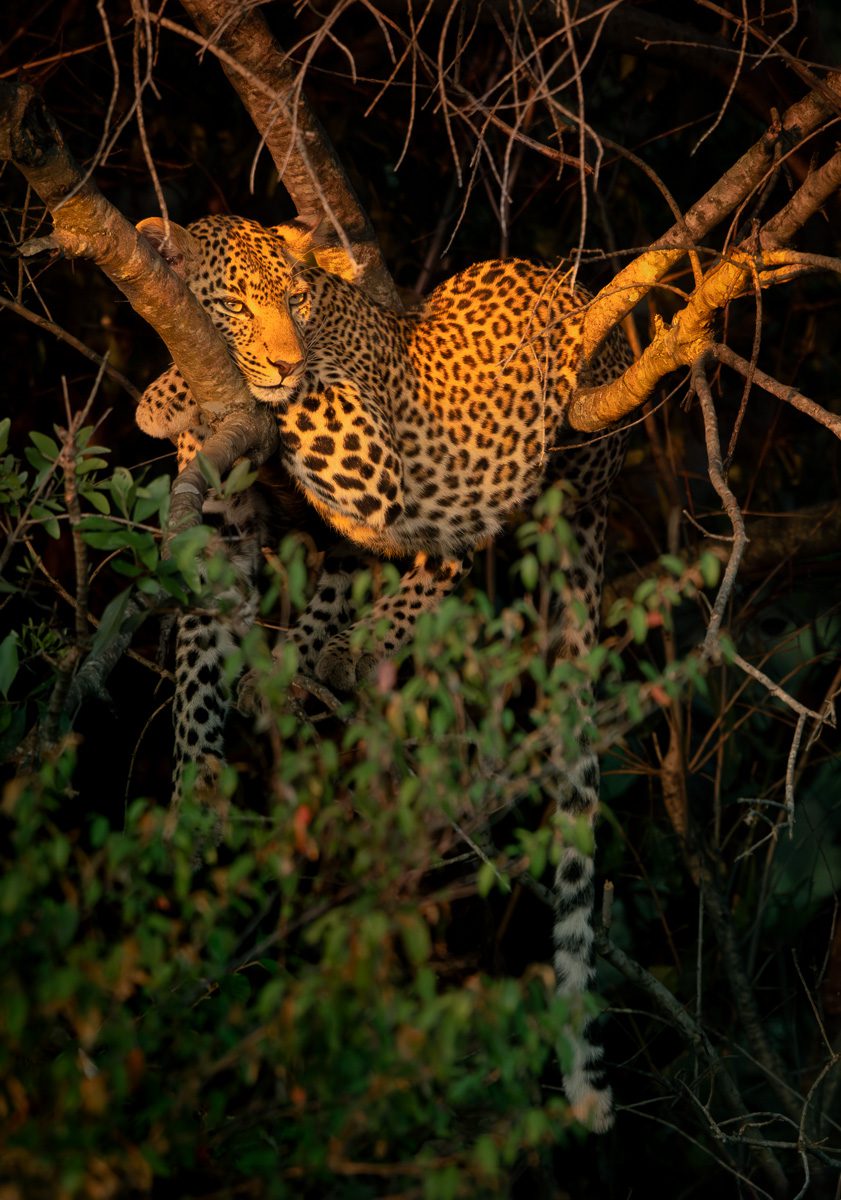 Destination Guides
Complete Guide to Table Mountain National Park
A complete guide to Complete Guide to Table Mountain National Park. Learn about the wildlife, activities, and best time to visit this amazing destination.
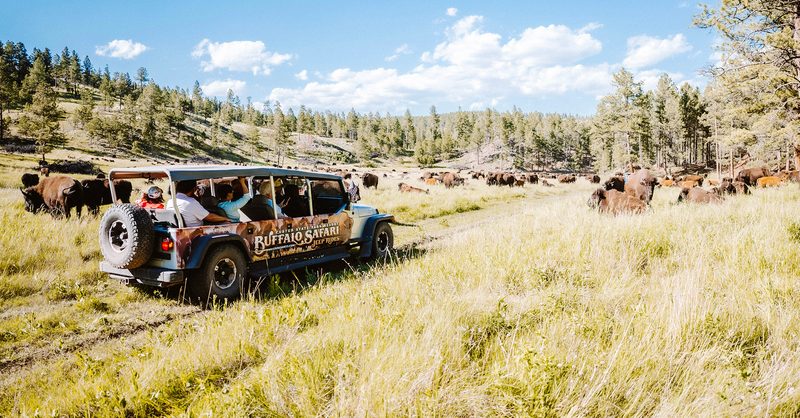 Destination Guides
Complete Guide to Loango National Park Gabon
Discover everything you need to know about Complete Guide to Loango National Park Gabon. From wildlife and landscapes to lodges and activities, this guide cover
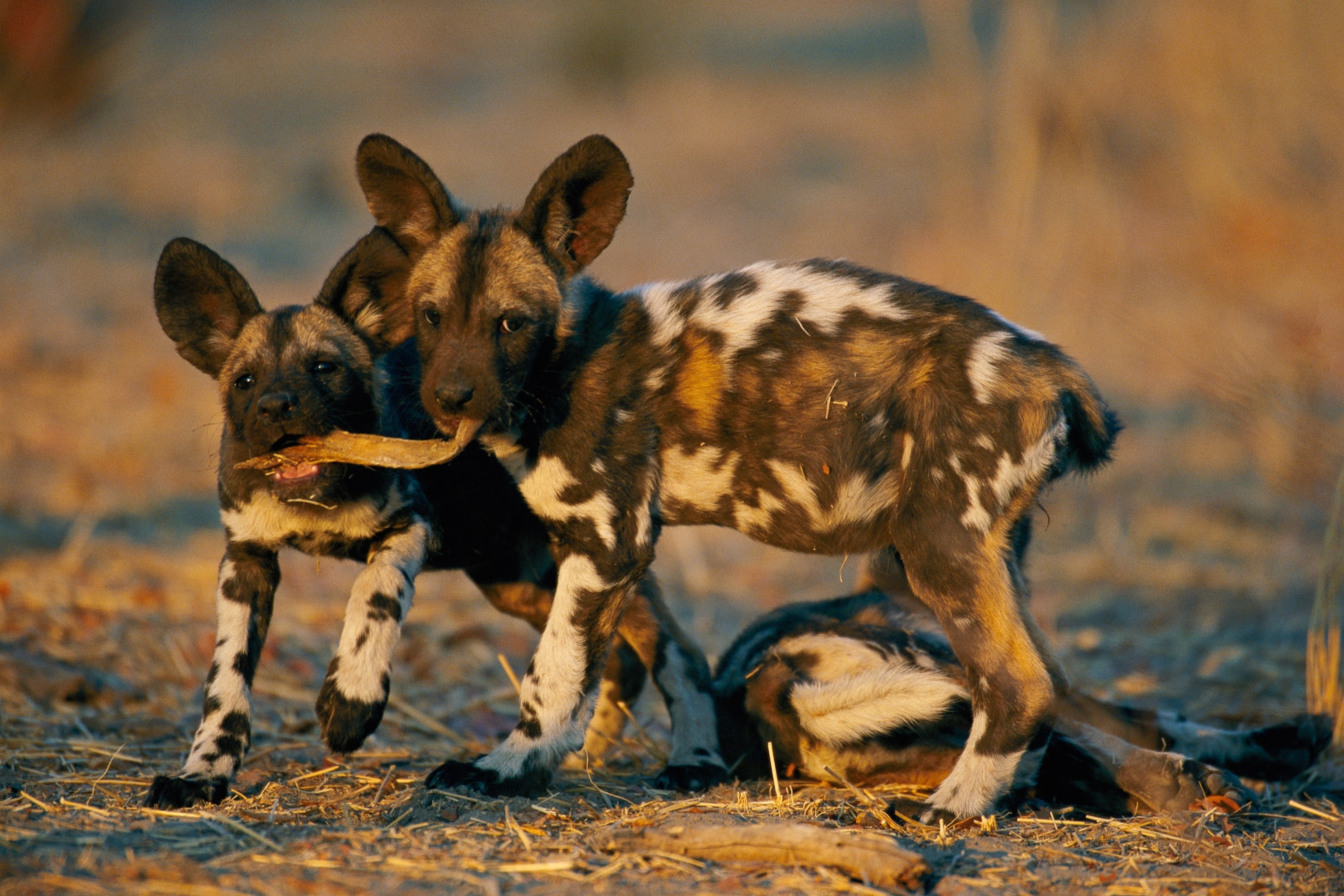 Destination Guides
Complete Guide to Odzala-Kokoua National Park
Discover everything you need to know about Complete Guide to Odzala-Kokoua National Park. From wildlife and landscapes to lodges and activities, this guide cove
 National Park Guides
Serengeti National Park Guide
Explore the wonders of Serengeti National Park with our expert guide. Learn about the Great Migration, wildlife, and planning your unforgettable Tanzanian safari.
 National Park Guides
Kruger National Park Guide
Discover the ultimate guide to Kruger National Park. Learn about its incredible wildlife, the best time to visit, and how to plan your dream safari adventure.
 National Park Guides
Chobe National Park Guide
Discover the ultimate guide to Chobe National Park, Botswana\