
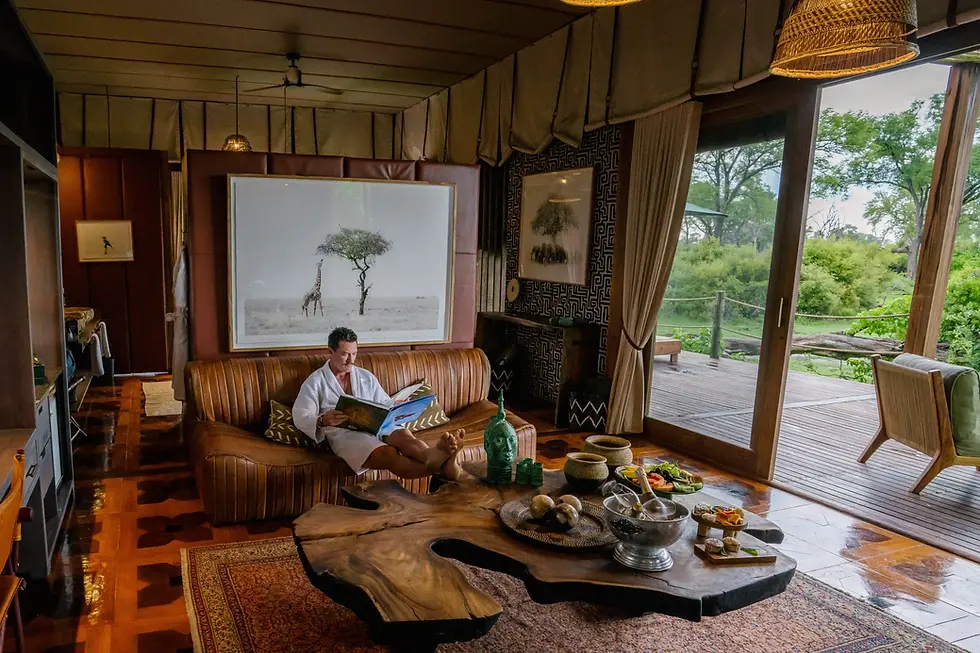
Discover the ultimate guide to Chobe National Park, Botswana\
Chobe National Park, located in the northern corner of Botswana, is a land of giants. Home to the largest concentration of elephants in Africa, this iconic park is a must-visit for any serious safari enthusiast. But Chobe is more than just elephants; it's a diverse and captivating wilderness that offers some of the most rewarding wildlife viewing on the continent. From the lush floodplains of the Chobe River to the arid Savuti Marsh, the park's varied landscapes support an incredible abundance of life. Whether you're a seasoned safari-goer or planning your first African adventure, this guide will provide you with the essential information you need to plan an unforgettable trip to Chobe National Park.
A Landscape of Four Quarters
Chobe National Park is a vast and varied ecosystem, covering over 11,700 square kilometers. The park is divided into four distinct geographical areas, each with its own unique character and wildlife viewing opportunities.
The Chobe Riverfront
The most accessible and popular part of the park, the Chobe Riverfront is a lush floodplain that teems with life, especially during the dry season. The river is the heart of this region, attracting massive herds of elephants, buffalo, and a host of other animals that come to drink and graze. A boat cruise on the Chobe River is an essential experience, offering a unique perspective on the park's wildlife. You'll have the chance to see hippos, crocodiles, and a stunning variety of birdlife up close.
Savuti Marsh
In the western part of the park lies the remote and enigmatic Savuti Marsh. This vast expanse of savanna and grassland is known for its dramatic wildlife encounters and the epic battles between lions and hyenas. The Savuti Channel, which flows intermittently, has a profound impact on the region's ecosystem, and its presence or absence shapes the movements of wildlife. Savuti is also a great place to see cheetahs, wild dogs, and a variety of other predators.
Linyanti Marsh
Located in the northwest corner of the park, the Linyanti Marsh is a remote and exclusive wilderness area. The Linyanti River and its associated floodplains create a pristine and beautiful landscape that is home to a high concentration of wildlife, including large herds of elephants, buffalo, and a healthy population of predators. The Linyanti is a great destination for those seeking a more intimate and off-the-beaten-path safari experience.
Nogatsaa and Tchinga
This undeveloped and little-visited part of the park is a true wilderness area. The region is characterized by a network of pans that hold water during the rainy season, attracting a variety of animals. Nogatsaa and Tchinga offer a sense of solitude and adventure that is hard to find in more popular safari destinations.
Chobe's Legendary Wildlife
Chobe National Park is world-renowned for its incredible wildlife, and it's the elephants that steal the show. The park is home to an estimated 50,000 to 120,000 elephants, the largest population in Africa. Seeing these gentle giants in such vast numbers is a truly awe-inspiring experience.
But Chobe is not just about elephants. The park is also home to a wide variety of other animals, including the other members of the Big Five: lions, leopards, and buffalo. You'll also have the chance to see giraffes, zebras, wildebeest, and a host of antelope species. The Chobe River is a haven for hippos and crocodiles, and the park is a paradise for birdwatchers, with over 450 species recorded.
Still researching? Let us help.
Our advisory team has planned safaris across 9 African countries. We can turn your research into a real plan.
Talk to an AdvisorThe Best Time to Visit Chobe
The best time to visit Chobe National Park depends on what you want to see and experience. The dry season, from May to October, is generally considered the best time for wildlife viewing. During this time, the vegetation is sparse, and animals congregate around the permanent water sources, making them easier to spot. The days are warm and sunny, but the nights can be cool, so be sure to pack layers.
The wet season, from November to April, transforms the park into a lush and green paradise. This is the best time for birdwatching, as migratory birds flock to the park. The wet season is also a great time to see the park's newborn animals. However, the dense vegetation can make wildlife viewing more challenging, and some roads may become impassable.
How to Experience Chobe National Park
There are several ways to experience the wonders of Chobe National Park, each offering a unique perspective on this incredible wilderness.
Game Drives
The classic safari experience, a game drive in an open 4x4 vehicle is the best way to cover large distances and see a wide variety of animals. Game drives are offered by all lodges and safari operators in the park.
[Boat Safari](/knowledge/boat-safaris-guide)s
A boat safari on the Chobe River is a must-do activity. It offers a unique opportunity to see elephants, hippos, crocodiles, and a host of other animals from a different perspective. Sunset cruises are particularly magical, as you watch the sun dip below the horizon while surrounded by the sounds of the African bush.
[Walking Safari](/knowledge/walking-safaris-explained)s
For a more intimate and immersive experience, a walking safari with an armed guide is an unforgettable adventure. Walking safaris allow you to connect with the bush on a deeper level and learn about the smaller details of the ecosystem that you might miss from a vehicle.
Planning Your Chobe Safari
Getting There
Chobe National Park is easily accessible. The main gateway to the park is the town of Kasane, which has an international airport with flights from Johannesburg, Cape Town, and Maun. The park is also accessible by road from Victoria Falls in Zimbabwe and Livingstone in Zambia.
Accommodation
Chobe offers a wide range of accommodation options to suit all budgets and preferences. From luxury lodges and tented camps to public campsites, there is something for everyone. It's important to book your accommodation in advance, especially during the peak season.
Chobe National Park is a truly special place that will capture your heart and leave you with memories that will last a lifetime. With its incredible wildlife, stunning landscapes, and wide range of activities, it's no wonder that Chobe is considered one of Africa's premier safari destinations.
Need Expert Safari Guidance?
Get expert advisory support from a firm founded by a former safari guide — with real operational knowledge across 9 African countries and full-journey accountability.
Related Planning Guides
Explore Related Topics
Recommended Reading
 National Park Guides
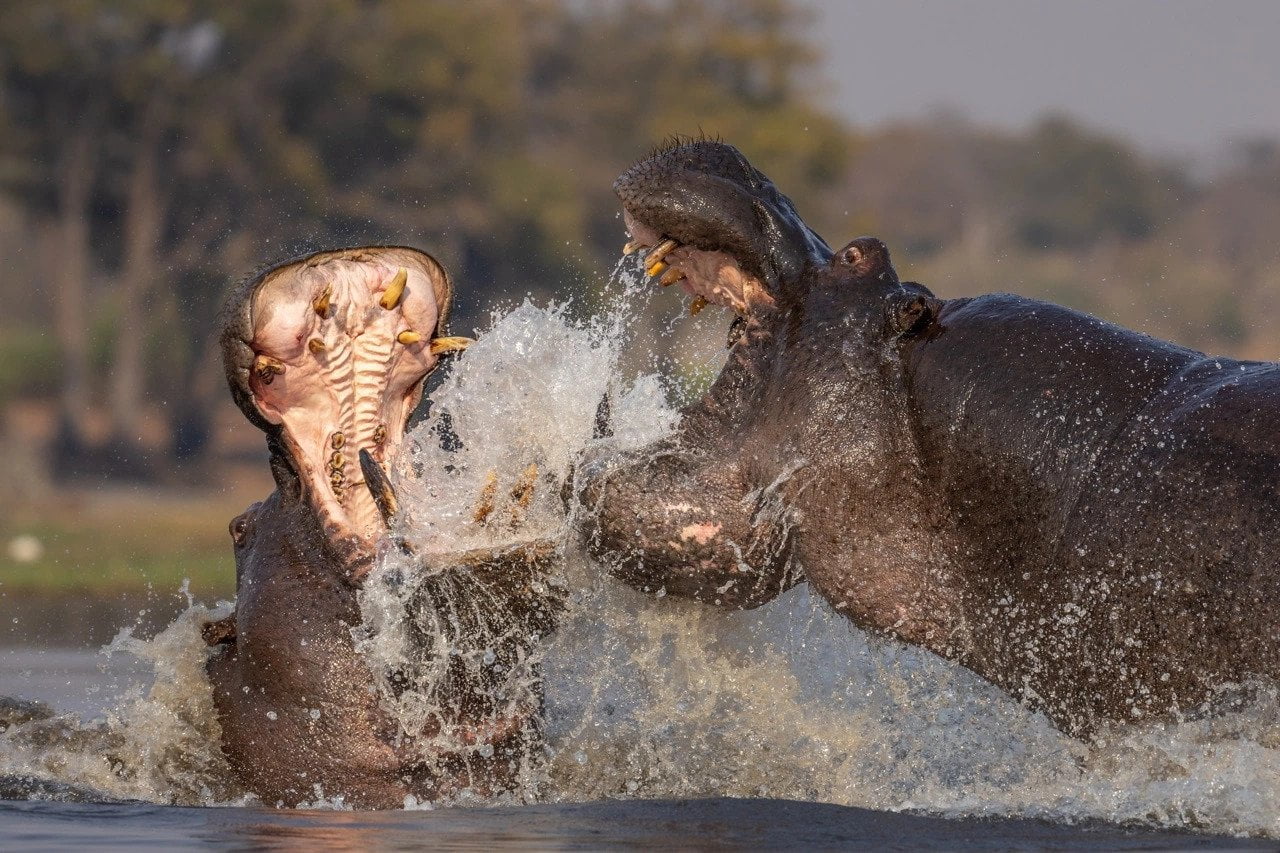
Serengeti National Park Guide
Explore the wonders of Serengeti National Park with our expert guide. Learn about the Great Migration, wildlife, and planning your unforgettable Tanzanian safari.
 National Park Guides
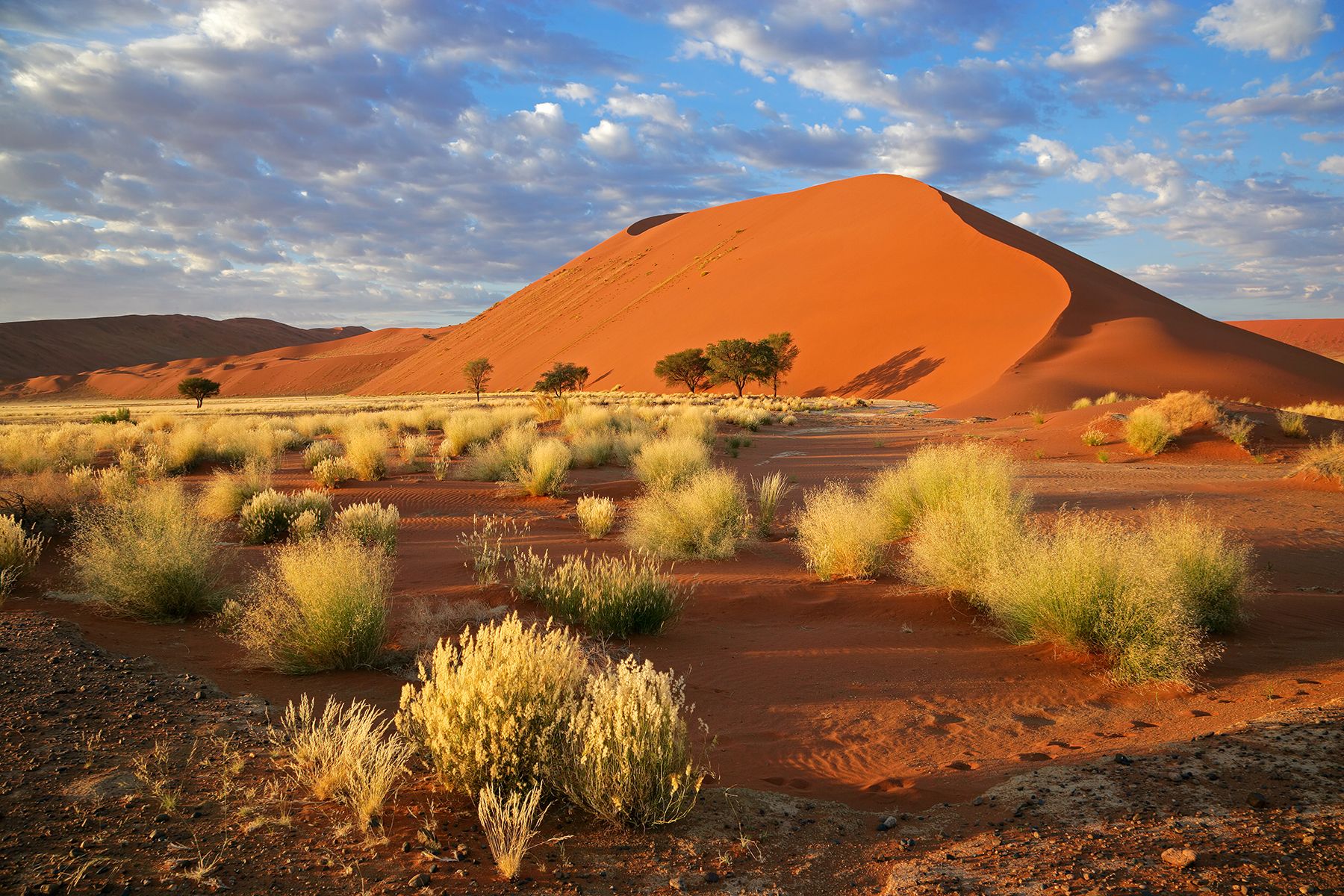
Kruger National Park Guide
Discover the ultimate guide to Kruger National Park. Learn about its incredible wildlife, the best time to visit, and how to plan your dream safari adventure.
 National Park Guides
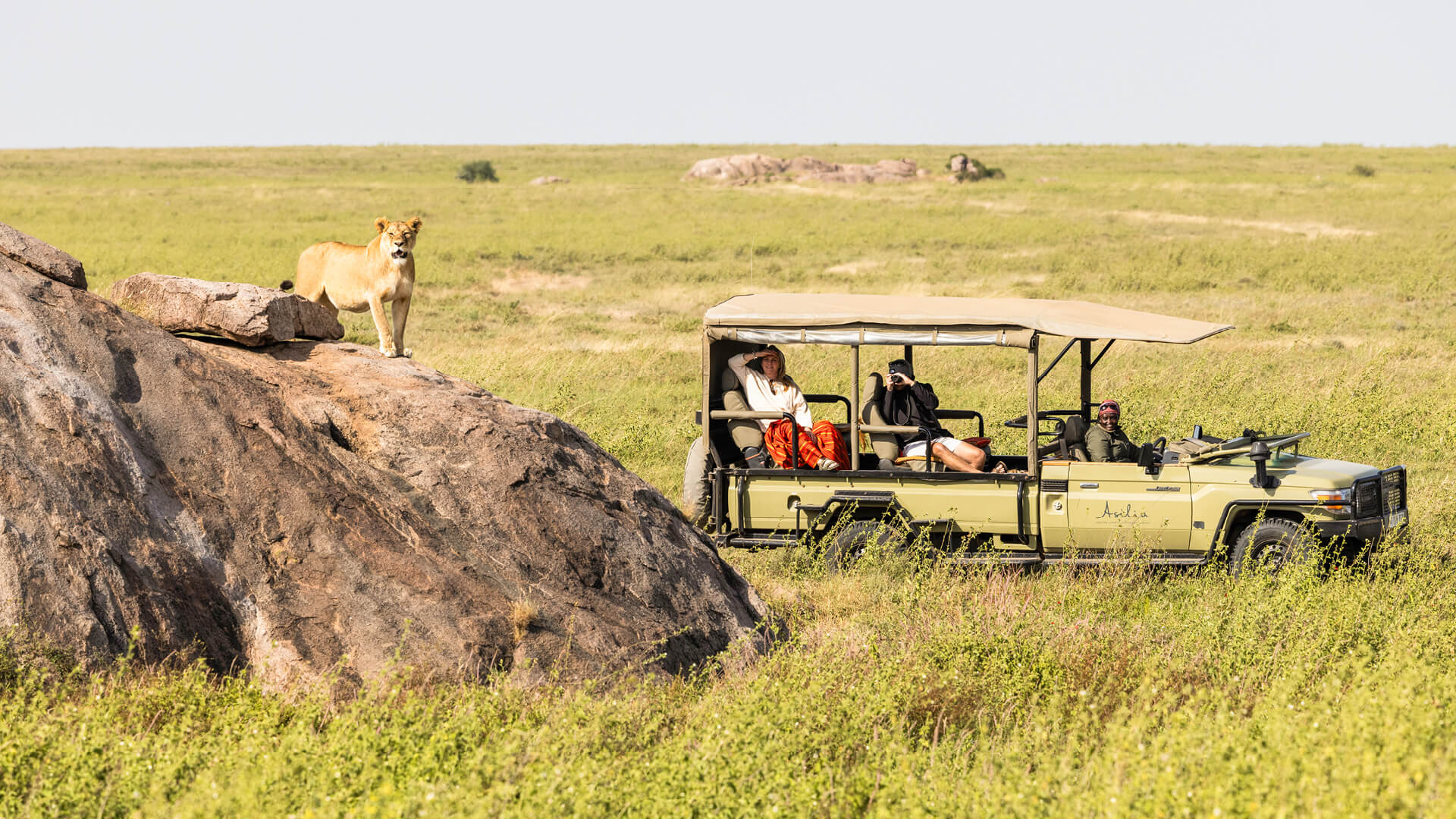
Etosha National Park Guide
Discover the ultimate guide to Etosha National Park. Learn about its unique landscape, incredible wildlife, and the magic of its waterholes for an unforgettable safari.
 Destination Guides
Complete Guide to Table Mountain National Park
A complete guide to Complete Guide to Table Mountain National Park. Learn about the wildlife, activities, and best time to visit this amazing destination.
 Destination Guides
Complete Guide to Nyerere National Park
Learn about complete guide to nyerere national park in this comprehensive safari guide.
 Destination Guides
Complete Guide to Loango National Park Gabon
Discover everything you need to know about Complete Guide to Loango National Park Gabon. From wildlife and landscapes to lodges and activities, this guide cover