
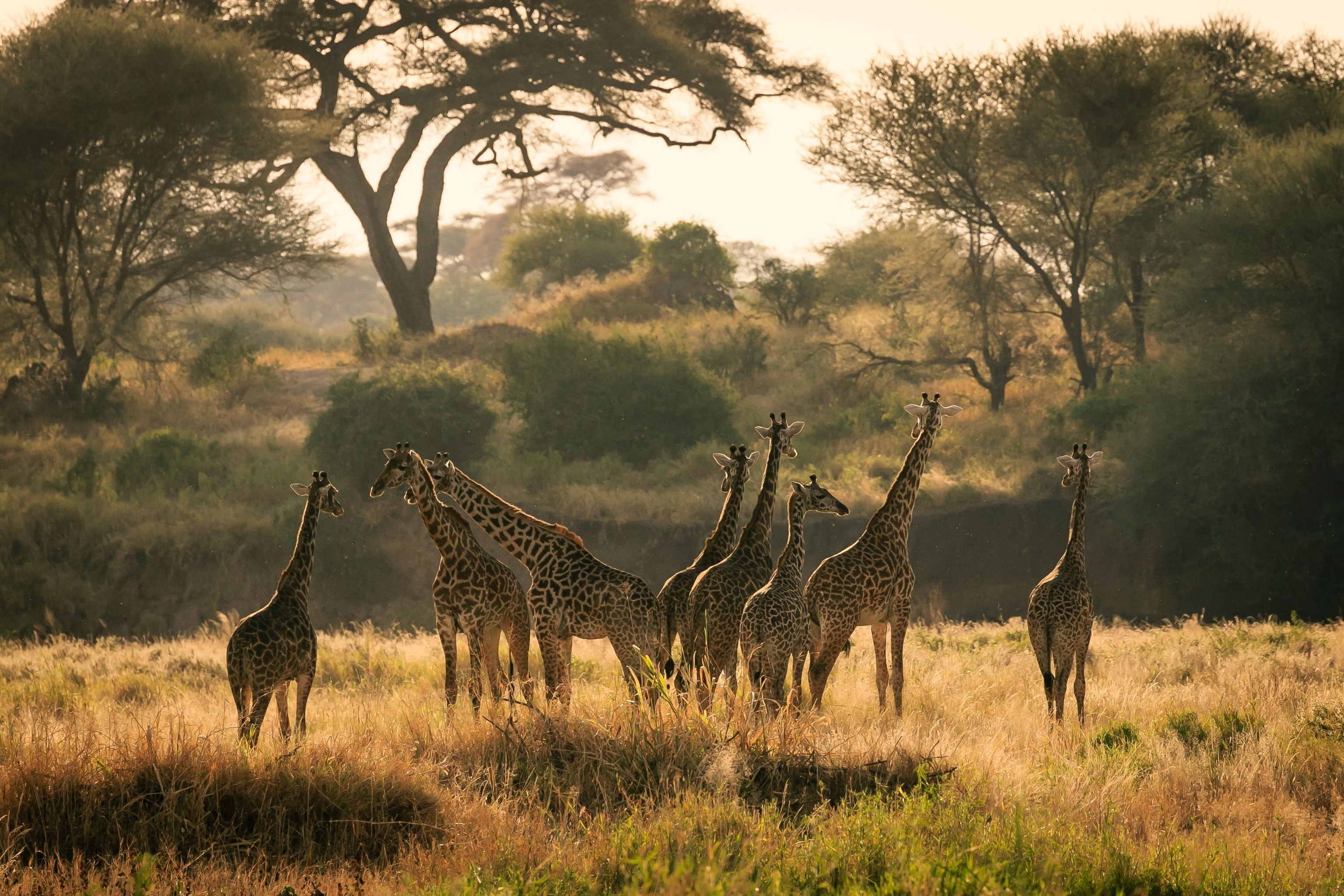
Learn about safari vehicle safety standards, from vehicle types and modifications to driver expertise and regulations. Plan a safe and memorable African safari.
Your safari vehicle is more than just a mode of transport; it is your front-row seat to the wonders of the African bush and your protective shield in a world of untamed wildlife. Understanding the safety standards and features of these specialized vehicles is a critical, yet often overlooked, aspect of safari planning. A well-maintained, properly equipped, and expertly handled vehicle is fundamental to a safe and successful safari experience. This article explores the key elements of safari vehicle safety, from vehicle design and modifications to driver expertise and the regulations that govern them, empowering you to ask the right questions and choose an operator who prioritizes your well-being.
Types of Safari Vehicles and Regional Differences
The type of safari vehicle you travel in will largely depend on the country and specific region you visit. The two primary categories are open-sided and closed vehicles, each with distinct advantages and safety considerations.
Open-Sided Safari Vehicles
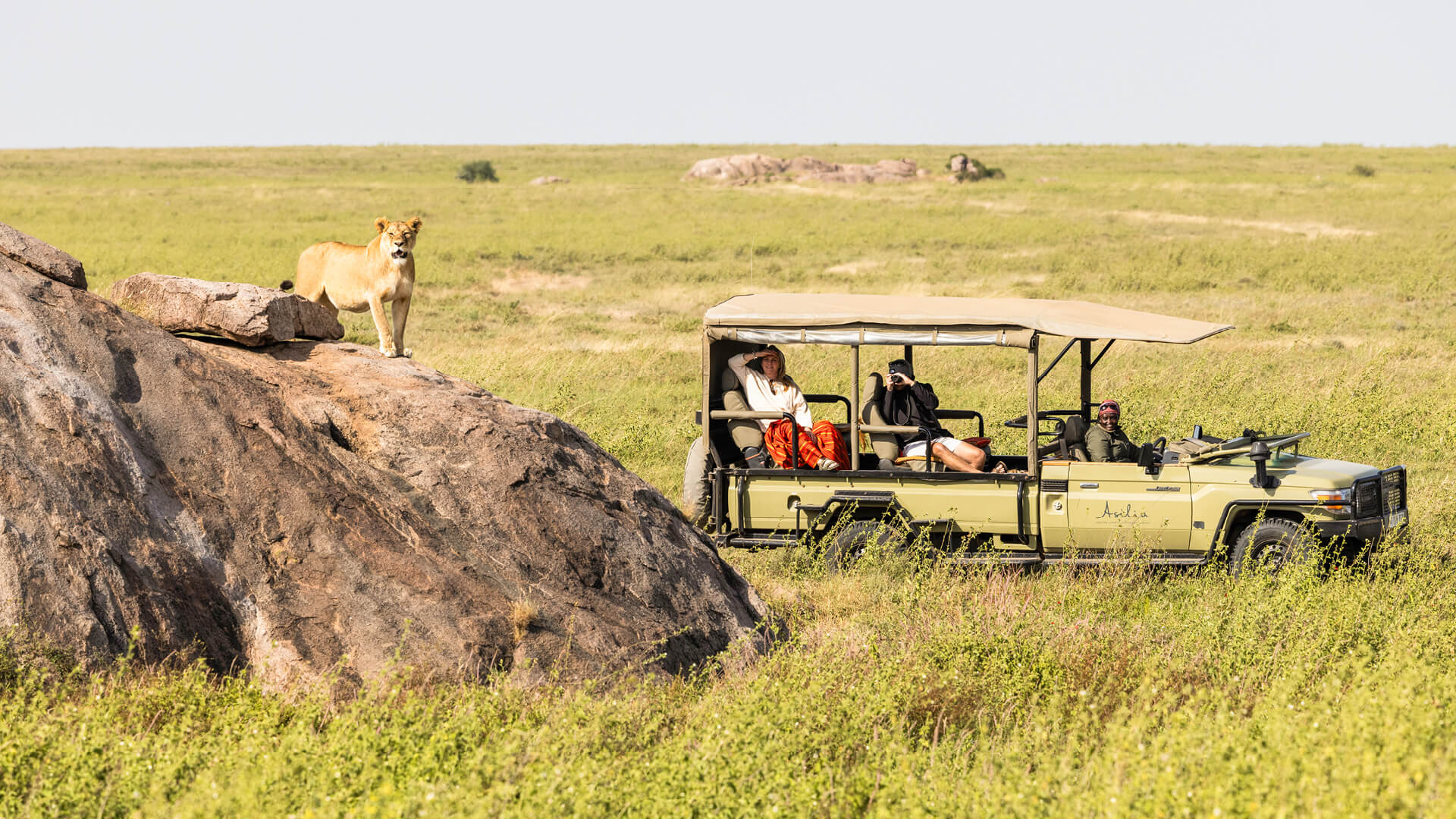
Common in Southern African countries like Botswana, Zambia, Zimbabwe, and South Africa, open-sided vehicles offer an immersive and sensory experience. These are typically modified 4x4 Toyota Land Cruisers or Land Rovers with tiered seating, allowing for excellent, unobstructed views and photographic opportunities. While the openness provides a feeling of being closer to nature, it also raises questions about safety. Reputable operators using these vehicles adhere to strict protocols. The vehicles are designed to be high-profile, and animals generally view the vehicle and its occupants as a single, non-threatening entity. Guides are highly trained to read animal behavior and maintain a safe distance.
Closed Safari Vehicles
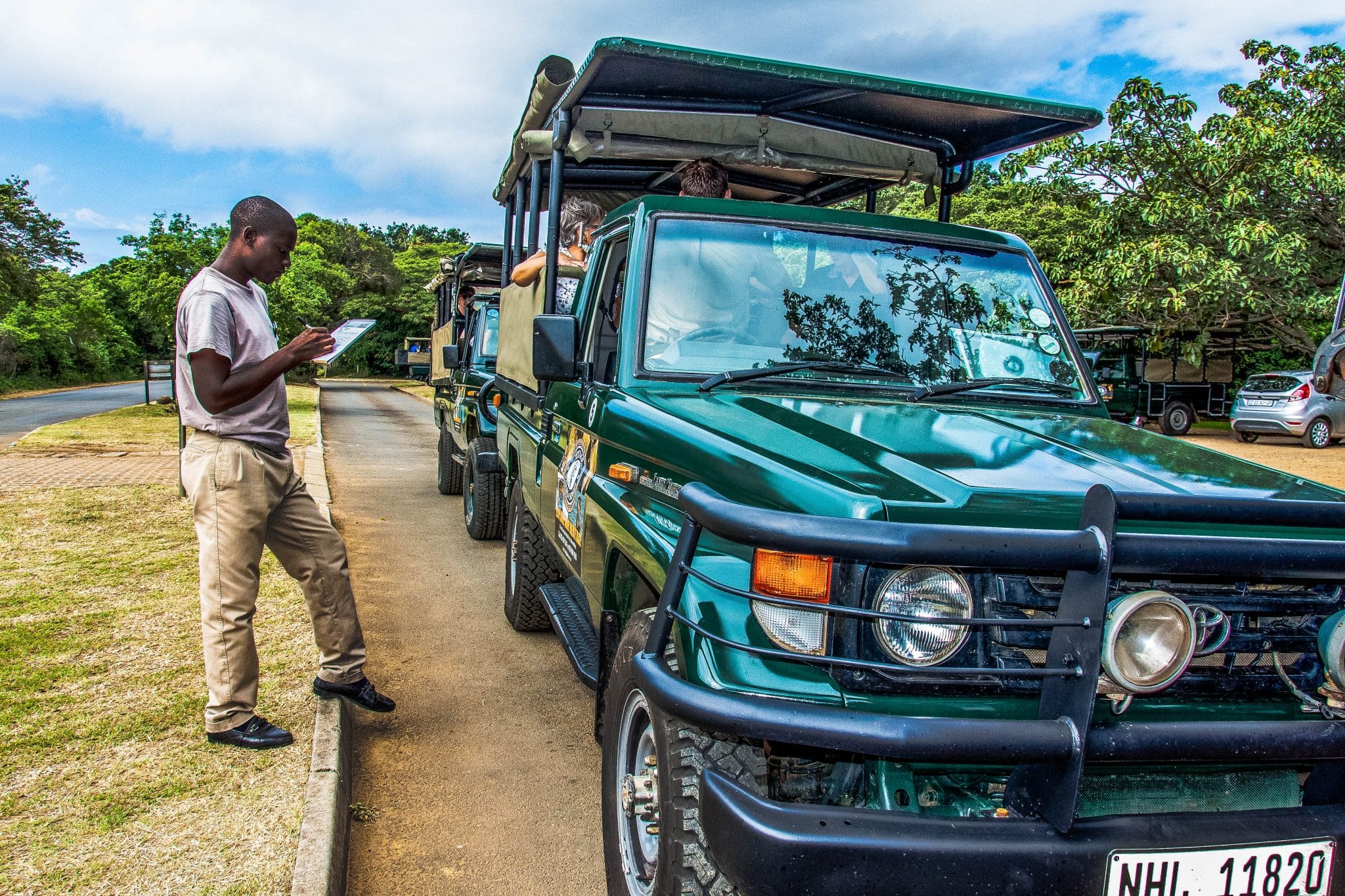
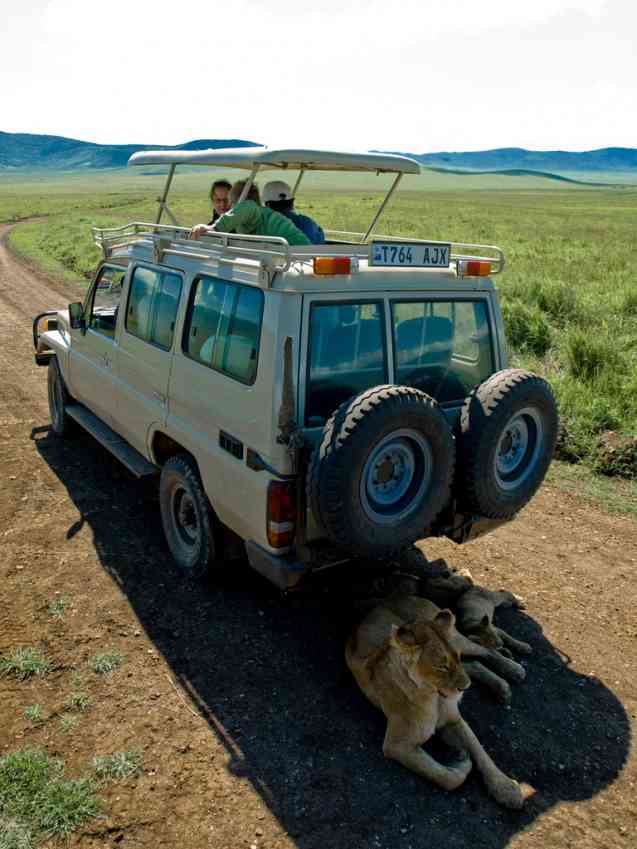
In East Africa, particularly Kenya and Tanzania, closed vehicles are the norm. These are also typically modified 4x4 Land Cruisers with large windows and a pop-up roof hatch for game viewing and photography. The enclosed design is a legal requirement on public roads that connect national parks and is considered safer in areas with high predator densities, such as the Ngorongoro Crater where cheetahs have been known to jump onto vehicles to gain a vantage point. While offering more protection from the elements and a greater sense of security, they can sometimes limit visibility compared to their open-sided counterparts.
Essential Safari Vehicle Safety Features and Modifications
A standard 4x4 is not inherently a safari vehicle. Reputable safari operators invest heavily in modifying their fleets to enhance safety, comfort, and performance in rugged bush conditions.
Structural and Mechanical Modifications
Key modifications include reinforced suspension to handle rough terrain, and often a raised chassis for better clearance over obstacles. Engine snorkels are a common addition for navigating river crossings, especially during the rainy season. The chassis and roll cage are reinforced to provide protection in the unlikely event of a rollover. Tires are another critical component, with operators choosing robust, all-terrain tires designed for durability and traction on varied surfaces like sand, mud, and rocky tracks.
Communication and Navigation Equipment
Reliable communication is paramount in the remote wilderness. Safari vehicles are equipped with long-range two-way radios, allowing guides to share sighting information and, more importantly, to call for assistance in an emergency. GPS navigation systems are also standard, ensuring that guides can navigate vast and often unmarked landscapes. Some operators also fit their vehicles with satellite phones for an extra layer of communication redundancy.
Still researching? Let us help.
Our advisory team has planned safaris across 9 African countries. We can turn your research into a real plan.
Talk to an AdvisorThe Critical Role of Maintenance and Inspections
The unforgiving African terrain takes a significant toll on vehicles. A rigorous and consistent maintenance schedule is a non-negotiable hallmark of a safe safari operator.
Daily Pre-Drive Checks
Before every single game drive, guides should perform a thorough pre-drive inspection. This includes checking tire pressure, fluid levels (oil, coolant, brake fluid), lights, and radio functionality. This simple routine can prevent the vast majority of mechanical issues from escalating into a serious problem in the field.
Regular Servicing and Certification
Beyond daily checks, vehicles must undergo regular, comprehensive servicing by qualified mechanics. In many countries, there are also mandatory government inspections. For example, in South Africa, all vehicles used for transporting paying clients must have a valid Certificate of Fitness (COF), which is renewed annually and involves a thorough inspection of the vehicle's roadworthiness and safety features. When vetting a safari operator, do not hesitate to ask about their maintenance schedule and whether their vehicles are certified by the relevant authorities.
The Guide: Your Most Important Safety Asset
While the vehicle itself is crucial, the person behind the wheel is the single most important safety feature. A professional safari guide is much more than a driver and a wildlife spotter; they are a trained risk manager.
Advanced Driver Training
Safari guides undergo extensive driver training that goes far beyond what is required for a standard driver's license. This includes advanced 4x4 driving techniques for handling challenging terrain, vehicle recovery procedures for getting out of mud or sand, and defensive driving skills. They understand the capabilities and limitations of their vehicle intimately.
Wildlife Behavior and Safety Protocols
An expert guide possesses a deep understanding of animal behavior. They can read the subtle cues that indicate an animal is stressed or agitated and will proactively take measures to de-escalate the situation, usually by slowly backing away. They are trained to always give animals, especially large mammals like elephants and buffalo, a wide berth and to never block their path. Their primary goal is to ensure a safe and respectful interaction for both the wildlife and the vehicle's occupants.
Passenger Safety Briefings and Protocols
Your safety on safari is a shared responsibility. Before your first game drive, your guide will provide a comprehensive safety briefing. It is vital that you listen carefully and adhere to these rules at all times.
Key Safety Rules to Follow:
- Stay in the vehicle at all times unless your guide explicitly tells you it is safe to get out.
- Keep your voice down and avoid sudden movements. Loud noises can startle wildlife.
- Do not stand up or hang any part of your body out of the vehicle, especially in the presence of predators.
- Always wear your seatbelt when the vehicle is in motion.
- Secure your belongings, such as cameras and binoculars, so they do not fall out of the vehicle.
Understanding and respecting the safety standards of safari vehicles and operators is a cornerstone of responsible travel. By choosing an operator who demonstrates a clear commitment to vehicle maintenance, guide training, and passenger safety, you are not just ensuring your own well-being, but also supporting an industry that values professionalism and the ethical treatment of wildlife. A safe safari is a memorable safari, allowing you to focus on the incredible beauty and wonder of the African wilderness with complete peace of mind.
Need Expert Safari Guidance?
Get expert advisory support from a firm founded by a former safari guide — with real operational knowledge across 9 African countries and full-journey accountability.
Related Planning Guides
Explore Related Topics
Recommended Reading
 Safari Safety
Safari Vehicle Safety Explained
Learn the essentials of safari vehicle safety, from vehicle design and guide expertise to choosing a safe operator for your African safari adventure.
 Safari Operator Articles
Safari Operator Safety Standards Explained
Learn about safari operator safety standards explained and how it can impact your safari experience. Get expert advice and start planning your dream safari today.
 Safari Operator Articles
Safari Operator Vehicle Standards Explained
Learn about safari operator vehicle standards explained and how it can impact your safari experience. Get expert advice and start planning your dream safari today.
 Safari Intelligence Insights
Safari Guide Training Standards
Learn about the rigorous training and certification standards for safari guides in Africa, and what to look for when choosing a guide for your safari.
 Luxury Safaris
Luxury Safari vs Standard Safari
Wondering whether to book a luxury or standard safari? Our guide breaks down the key differences in accommodation, guiding, and cost to help you choose.
 Safari Safety
Safari River Crossing Safety
Learn how to stay safe during safari river crossings. Our guide covers the risks, vehicle safety, walking safaris, and responsible tourism for your African adventure.