
Explore the rich history of African safaris, from their origins in trade and exploration to the rise of big-game hunting and the modern era of conservation.
''' The term "safari" evokes a sense of adventure, of vast African landscapes teeming with wildlife. For many, it conjures images of khaki-clad explorers, luxurious tented camps, and thrilling encounters with the "Big Five." But the history of the African safari is far more complex and nuanced than these romanticized notions suggest. It is a story of exploration, trade, conquest, and conservation that has evolved dramatically over the centuries. Understanding this history is not just an academic exercise; it provides a deeper appreciation for the modern safari and the conservation efforts that underpin it. From its origins in ancient trade caravans to the rise of big-game hunting and the eventual shift towards photographic and sustainable tourism, the evolution of the safari reflects our changing relationship with the natural world.
The Origin of the Word "Safari"
The word "safari" has its roots in the Arabic word "safar," which simply means "a journey" or "to travel." For centuries, this term was used to describe the long and often arduous overland journeys made by traders and explorers across the African continent. These early expeditions were not about wildlife viewing; they were driven by commerce, with caravans transporting goods like ivory, spices, and textiles between the coastal trading posts of East Africa and the interior. The Swahili-speaking people of the coast adopted the term, and "safari" became a common expression for any significant journey. It was only in the late 19th century, with the arrival of European explorers and adventurers, that the word began to take on the meaning we associate with it today: a journey into the African wilderness to observe or hunt wildlife.
The Early Days: Exploration and Trade
Before the safari became a leisure activity, it was a necessity for anyone venturing into the African interior. The continent was a place of great mystery to outsiders, and early European explorers like Richard Francis Burton, John Hanning Speke, and David Livingstone embarked on ambitious expeditions to map its vast territories, trace the source of the Nile, and document its diverse cultures and environments. These journeys were often perilous, lasting for months or even years, and required immense logistical support, including teams of local porters and guides. While the primary focus was on exploration and scientific discovery, these early travelers inevitably encountered Africa's abundant wildlife, and their written accounts and illustrations captivated the public imagination back home, laying the groundwork for the safari as a form of adventure tourism.
Still researching? Let us help.
Our advisory team has planned safaris across 9 African countries. We can turn your research into a real plan.
Talk to an AdvisorThe Rise of the Big-Game Hunting Safari
The late 19th and early 20th centuries marked a significant turning point in the history of the safari, as it became increasingly synonymous with big-game hunting. The British colonial presence in East and Southern Africa, coupled with advancements in firearms and medicine, made the continent more accessible to wealthy Westerners. For the European and American elite, an African safari became a status symbol, a way to demonstrate courage, and a means of collecting impressive trophies. The "Big Five" – the lion, leopard, rhinoceros, elephant, and Cape buffalo – were considered the most dangerous and challenging animals to hunt, and bagging them was the ultimate prize.
The Era of the "Great White Hunter"
This period gave rise to the legendary figure of the "great white hunter," professional guides who organized and led elaborate hunting expeditions for their affluent clients. These safaris were often grand affairs, with long convoys of porters carrying everything from lavish tents and gourmet food to fine china and champagne. Famous hunters like Frederick Courteney Selous became celebrities in their own right, and their exploits were chronicled in popular books and magazines. The safari became a fashionable pursuit for aristocrats, politicians, and celebrities, including former U.S. President Theodore Roosevelt, whose 1909 safari with his son Kermit was one of the most extravagant and well-documented of its time.
The Impact of Hunting on Wildlife
The unchecked hunting of the colonial era had a devastating impact on Africa's wildlife populations. The demand for ivory, in particular, led to a dramatic decline in elephant numbers, and other species were also hunted to the brink of extinction. However, it was also during this period that the first seeds of conservation were sown. Many of the same hunters who had participated in the slaughter began to recognize the need to protect the continent's wildlife for future generations. They advocated for the establishment of game reserves and national parks, and the introduction of hunting regulations and quotas. This marked the beginning of a long and complex relationship between hunting and conservation that continues to be debated to this day.
The "Golden Age" and Hollywood's Influence
The mid-20th century is often referred to as the "golden age" of the safari. The romantic allure of the African wilderness was further enhanced by Hollywood, which produced a string of popular films set on the continent. Movies like "King Solomon's Mines," "The African Queen," and "Out of Africa" captivated audiences with their dramatic landscapes, thrilling adventures, and romantic storylines. These films, along with the writings of authors like Ernest Hemingway, who wrote extensively about his own safari experiences, helped to create a powerful and enduring mythology around the African safari.
The Shift Towards Conservation and Photographic Safaris
By the latter half of the 20th century, a growing awareness of the fragility of Africa's ecosystems and the ethical implications of trophy hunting led to a fundamental shift in the nature of the safari. The focus began to move away from hunting and towards wildlife observation and photography. The rise of ecotourism and the increasing popularity of non-consumptive forms of wildlife tourism provided a new economic incentive for conservation. Today, the vast majority of safaris are photographic safaris, where the goal is to "shoot" animals with a camera rather than a gun.
Done Reading? Let's Build Your Safari.
Skip the guesswork. Work with an advisor who has been on the ground across East and Southern Africa.
Plan With UsModern Safaris: Ecotourism and Authentic Experiences
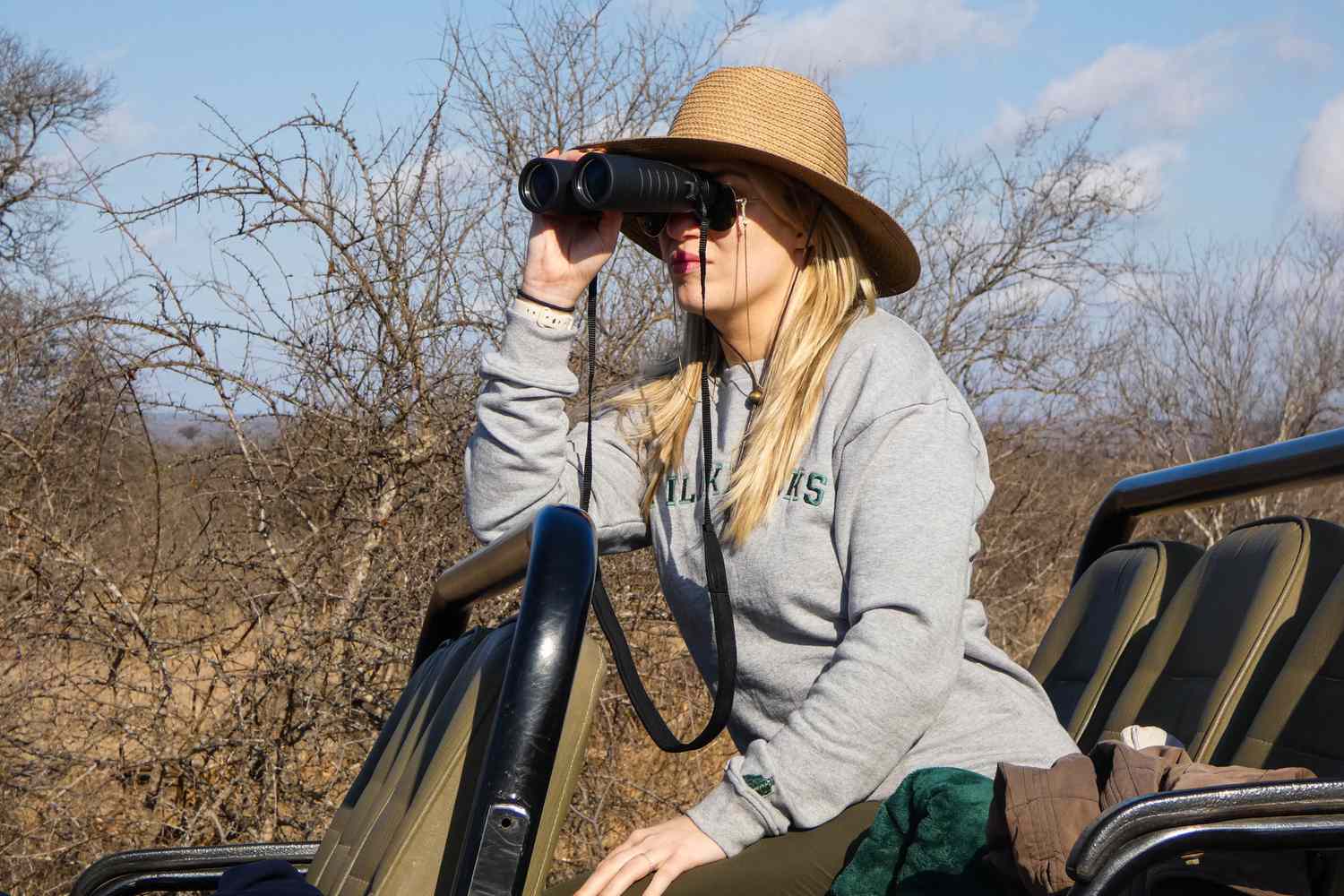
The modern African safari is a far cry from the hunting expeditions of the past. While the sense of adventure and the thrill of seeing wildlife in its natural habitat remain, the industry is now largely driven by a commitment to conservation and sustainability. Safari operators work closely with local communities and conservation organizations to protect wildlife and their habitats, and a portion of the revenue generated from tourism is often reinvested in community development and conservation projects. Today's safari-goer can choose from a wide range of experiences, from classic game drives in open-sided vehicles to walking safaris, gorilla trekking, and cultural encounters with local communities. The emphasis is on providing authentic, educational, and transformative travel experiences that foster a deeper connection with the natural world.
In conclusion, the history of the African safari is a story of transformation. What began as a journey of trade and exploration evolved into a symbol of colonial conquest and excess, before ultimately becoming a powerful force for conservation and sustainable development. The safari of today is a testament to our growing understanding of the importance of preserving our planet's biodiversity and the power of tourism to create positive change. As you plan your own African safari, take a moment to reflect on this rich and complex history, and the incredible journey that has brought us to this point. '''
Need Expert Safari Guidance?
Get expert advisory support from a firm founded by a former safari guide — with real operational knowledge across 9 African countries and full-journey accountability.
Related Planning Guides
Explore Related Topics
Recommended Reading
 Additional Safari Topics
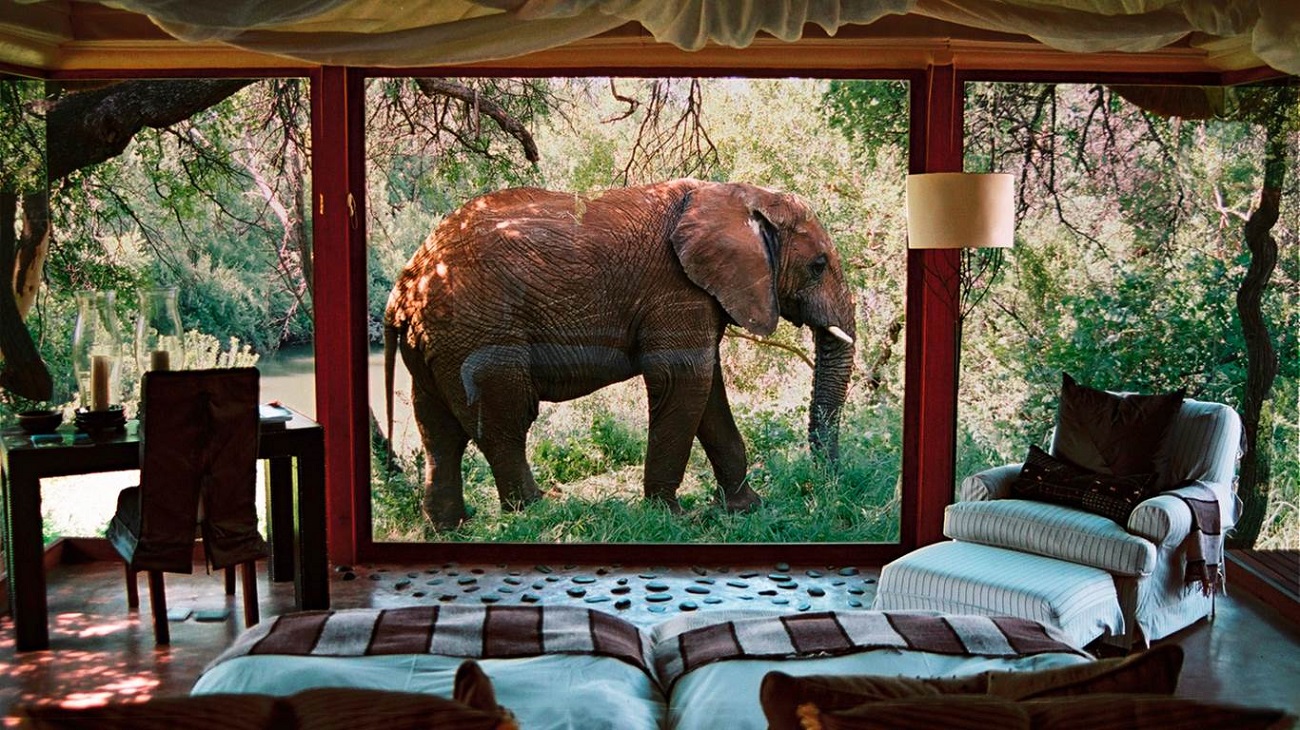
Desert Safaris in Africa
Planning a desert safari in Africa? Our guide explores the best destinations like Namibia and Botswana, what to expect, and how to plan your adventure.
 Safari Cost Guides
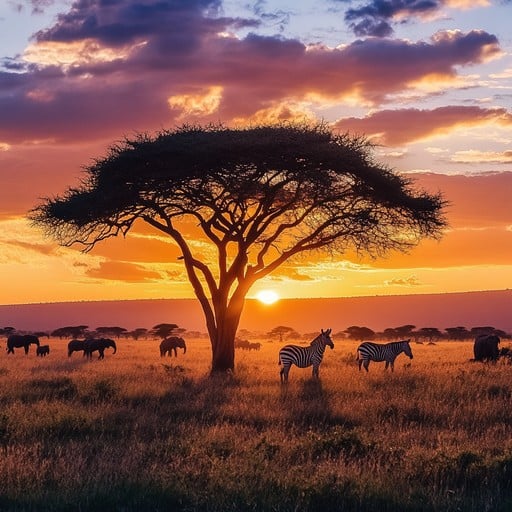
Safari Cost Comparison East Africa vs Southern Africa
Learn about safari cost comparison east africa vs southern africa in this comprehensive safari guide covering key insights and practical advice.
 Safari Comparison Articles
East Africa vs Southern Africa Safari Comparison
Learn about east africa vs southern africa safari comparison in this comprehensive safari guide covering key insights and practical advice.
 Safari Comparison Articles
Guided Safari vs Self-Drive Safari in South Africa
An in-depth comparison of Guided Safari vs Self-Drive Safari in South Africa to help you choose the perfect safari experience. Explore the pros, cons, and key d
 Safari Planning
How to Plan Your First African Safari
Learn how to plan your first African safari with expert tips on destinations, timing, costs, and choosing the right operator.
 Safari Planning
Step-by-Step Guide to Planning an African Safari
Learn how to plan your first African safari with our step-by-step guide. We cover everything from choosing a destination to booking your trip and packing.