
Learn about safari operator vehicle standards explained and how it can impact your safari experience. Get expert advice and start planning your dream safari today.
Safari Operator Vehicle Standards Explained
This is the content for the article: Safari Operator Vehicle Standards Explained.
This article is in the category: Safari Operator Articles.
Here are some internal links:
Why Vehicle Standards are the Unsung Hero of a Great Safari
When planning a safari, it's easy to get swept up in visions of incredible wildlife, stunning landscapes, and luxurious lodges. However, one of the most critical components of a successful safari is often overlooked: the vehicle. The quality, design, and maintenance of your safari vehicle directly impact your safety, comfort, and the quality of your wildlife viewing and photographic opportunities. A well-outfitted vehicle, managed by a reputable operator, is the unsung hero that can elevate a good safari into an unforgettable one. It is the difference between simply seeing the wilderness and truly experiencing it.
Think of your safari vehicle as your mobile wildlife hide and your lifeline in the bush. You will spend hours in it each day, traversing rugged terrain far from paved roads and repair shops. A breakdown doesn't just mean a delay; it can mean missing a once-in-a-lifetime sighting or compromising your safety. This is why understanding vehicle standards is not a trivial detail—it's a cornerstone of a well-planned journey. For more on how to choose the right partners for your adventure, our safari operators are an invaluable resource.
Still researching? Let us help.
Our advisory team has planned safaris across 9 African countries. We can turn your research into a real plan.
Talk to an AdvisorThe Anatomy of a Purpose-Built Safari Vehicle
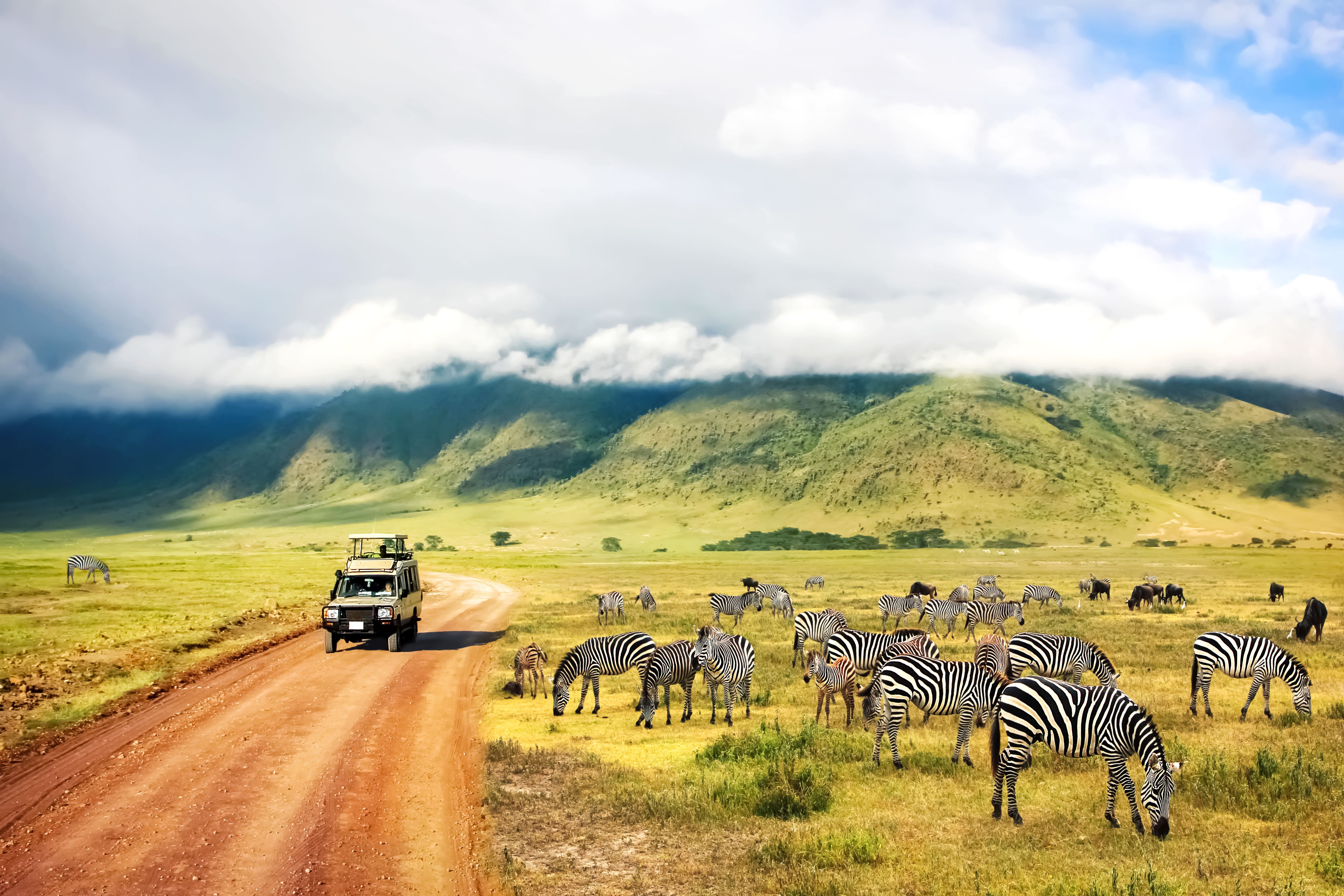
The quintessential safari vehicle, most often a modified Toyota Land Cruiser or Land Rover Defender, is a marvel of specialized engineering. These vehicles are chosen for their legendary durability, off-road prowess, and reliability in harsh conditions. But the base model is just the beginning. Reputable operators invest heavily in custom modifications to transform them into platforms for exceptional wildlife viewing.
#### Key Modifications and Features:
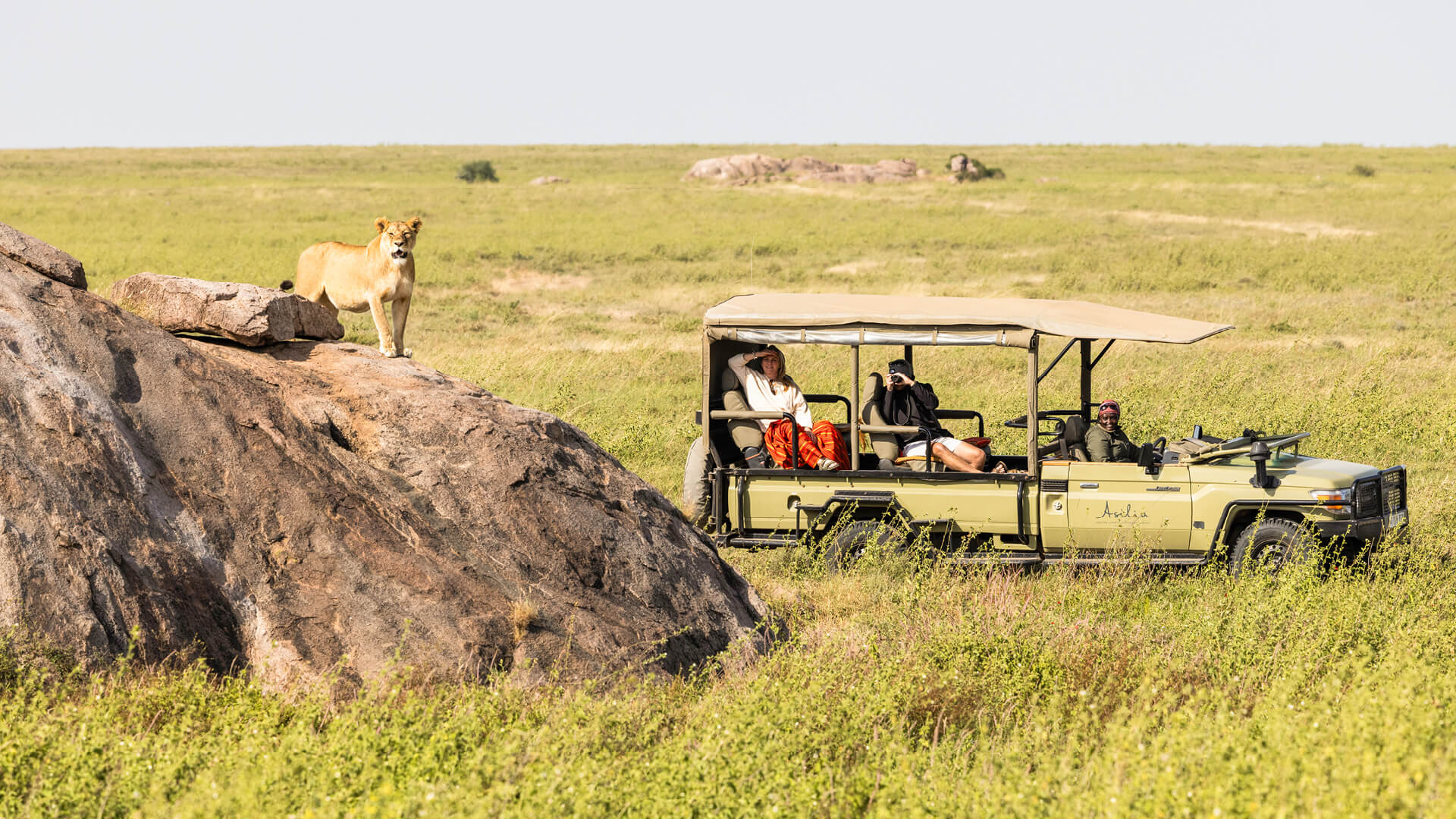
- Pop-Top Roofs vs. Open-Sided Designs: The most visible modification is the roof. A pop-top roof is a hinged canopy that lifts up, allowing you to stand and get a 360-degree view. This is the standard in most national parks, like the Serengeti or Kruger, as it offers protection while still providing excellent viewing. In contrast, open-sided vehicles, with tiered seating and just a canvas roof for shade, offer a more immersive experience and unparalleled photographic angles. These are typically found in private conservancies in Kenya and Botswana where regulations are more flexible and off-road driving is permitted.
- Optimized Seating: A critical standard is the guaranteed window seat. Quality operators configure their vehicles for a maximum of six passengers in three rows, ensuring everyone has a clear view and ample space for camera gear. Budget operators may try to fit more people, significantly diminishing the experience for everyone.
- Essential On-Board Systems: A top-tier safari vehicle is equipped with systems designed for self-sufficiency and safety:
- Dual Battery System: To power fridges and charging points without draining the main engine battery.
- Long-Range Fuel Tanks: To cover vast distances in parks like the Central Kalahari Game Reserve without needing to refuel.
- High-Lift Jack & Recovery Gear: Including winches and tow ropes for getting out of muddy situations during the green season.
- Engine Snorkel: A raised air intake that allows the vehicle to safely cross rivers and deep water, a common necessity in areas like the Okavango Delta.
> Expert Insight: When vetting an operator, ask about their vehicle maintenance schedule. Reputable companies have rigorous, documented service plans for their entire fleet. They understand that preventative maintenance is key to avoiding breakdowns and ensuring guest safety in remote locations.
Vehicle Standards: From Budget to Luxury
The quality of your vehicle is often a direct reflection of the price point of your safari. Understanding these differences is key to aligning your expectations with your budget. You can explore various options using our safari cost calculator.
| Tier | Typical Vehicle | Passenger Count | Key Characteristics | | :--- | :--- | :--- | :--- | | Budget | Older Minivans or Land Cruisers | 7-9 passengers | Basic amenities, no guaranteed window seat, higher risk of breakdowns, limited off-road capability. | | Mid-Range | Well-maintained, modified Land Cruiser/Defender | Max 6 passengers | Guaranteed window seat, pop-top roof, on-board charging, experienced guide, reliable performance. | | Luxury | New or highly customized Land Cruiser/Defender | 4-6 passengers | The newest fleet, often open-sided, premium amenities (e.g., high-end binoculars, photography beanbags), top-tier guides. |
While budget options can make a safari accessible, the trade-off in comfort, reliability, and viewing quality is significant. For most travelers seeking a high-quality experience, a mid-range operator provides the perfect balance of comfort, value, and access to incredible wildlife sightings.
How Vehicle Choice Directly Impacts Your Safari
Your vehicle is more than just transport; it's an integral part of your safari experience. Here’s how:
- Photographic Opportunities: An open-sided vehicle or a well-designed pop-top allows for low-angle shots and unobstructed views. On-board charging ensures your batteries are always ready, and provided beanbags help stabilize your lens for crisp images of a leopard in a distant tree.
- Comfort on Long Drives: Safari days are long. Superior suspension, comfortable seating, and ample space make the difference between an enjoyable day and an exhausting one. After hours on the bumpy tracks of Tarangire National Park searching for elephants, you'll appreciate the investment in a comfortable ride.
- Exclusive Access: A powerful, well-maintained 4x4 with a skilled driver-guide can navigate challenging terrain that other vehicles cannot. This means getting away from the crowds and reaching remote areas where wildlife is more prolific and the experience is more intimate. It's the key to finding those hidden gems detailed in our knowledge center.
> Traveler's Tip: Always carry a USB car charger adapter and a portable power bank. While most quality vehicles have charging ports, it's wise to have a backup to keep your phone and camera powered throughout the day.
Ultimately, the standards of a safari operator's vehicle fleet are a clear indicator of their overall commitment to quality, safety, and guest experience. It's a crucial factor to consider when you plan your safari to ensure your adventure in the African bush is everything you dreamed it would be.
Need Expert Safari Guidance?
Get expert advisory support from a firm founded by a former safari guide — with real operational knowledge across 9 African countries and full-journey accountability.
Related Planning Guides
Recommended Reading
 Safari Operator Articles
Safari Operator Safety Standards Explained
Learn about safari operator safety standards explained and how it can impact your safari experience. Get expert advice and start planning your dream safari today.
 Safari Operator Articles
Safari Operator Accreditation Bodies Explained
Learn about safari operator accreditation bodies explained and how it can impact your safari experience. Get expert advice and start planning your dream safari today.
 Safari Operator Articles
Safari Operator Guide Qualification Standards
Learn about safari operator guide qualification standards and how it can impact your safari experience. Get expert advice and start planning your dream safari today.
 Safari Safety
Safari Vehicle Safety Explained
Learn the essentials of safari vehicle safety, from vehicle design and guide expertise to choosing a safe operator for your African safari adventure.
 Safari Intelligence Insights
Safari Vehicle Safety Standards
Learn about safari vehicle safety standards, from vehicle types and modifications to driver expertise and regulations. Plan a safe and memorable African safari.
 Additional Safari Topics
Safari Vehicles Explained
Learn the difference between open-sided 4x4s and pop-top Land Cruisers. Our guide to safari vehicles explains everything you need to know for your African safari.