

Learn the essentials of safari vehicle safety, from vehicle design and guide expertise to choosing a safe operator for your African safari adventure.
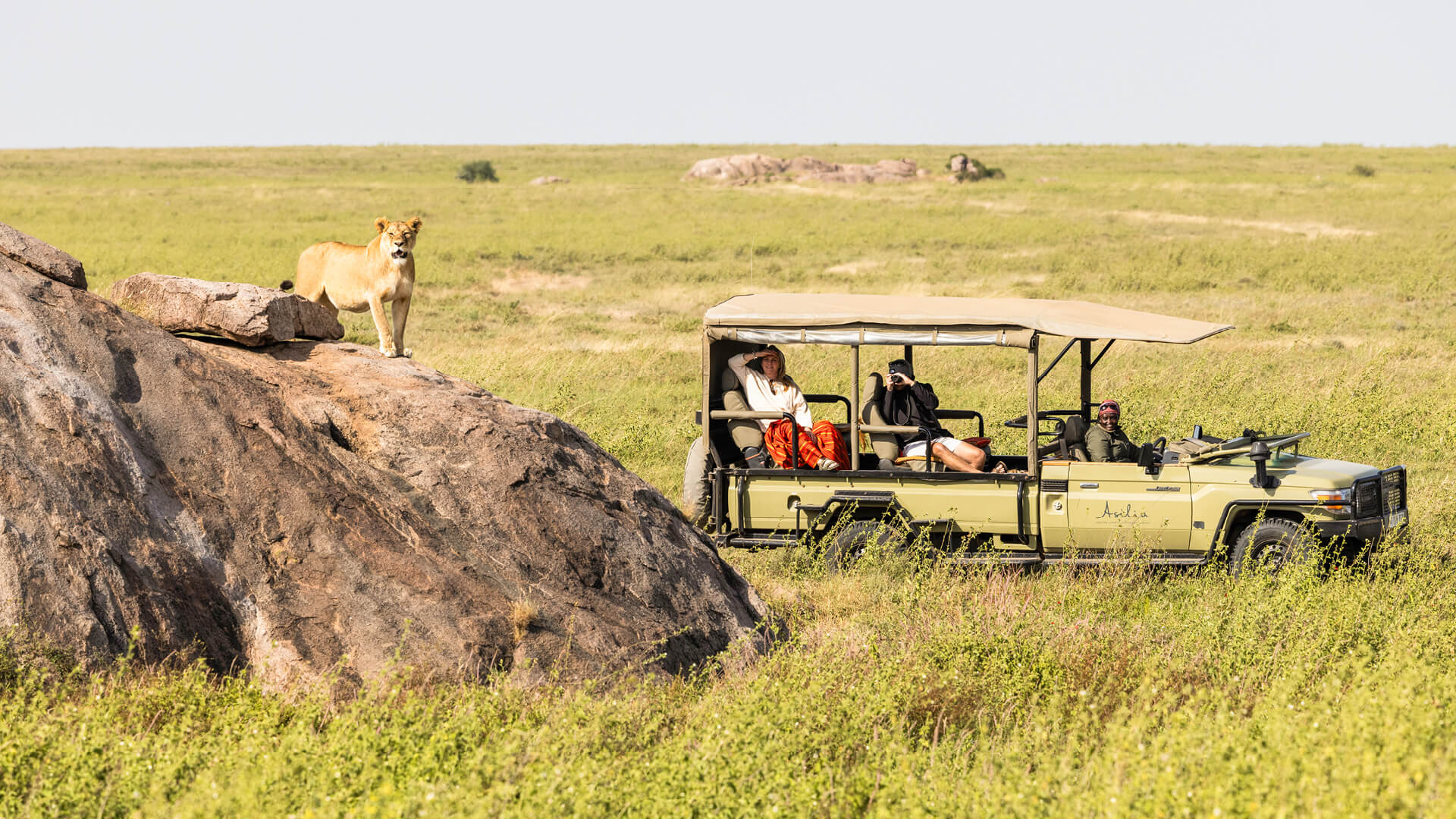
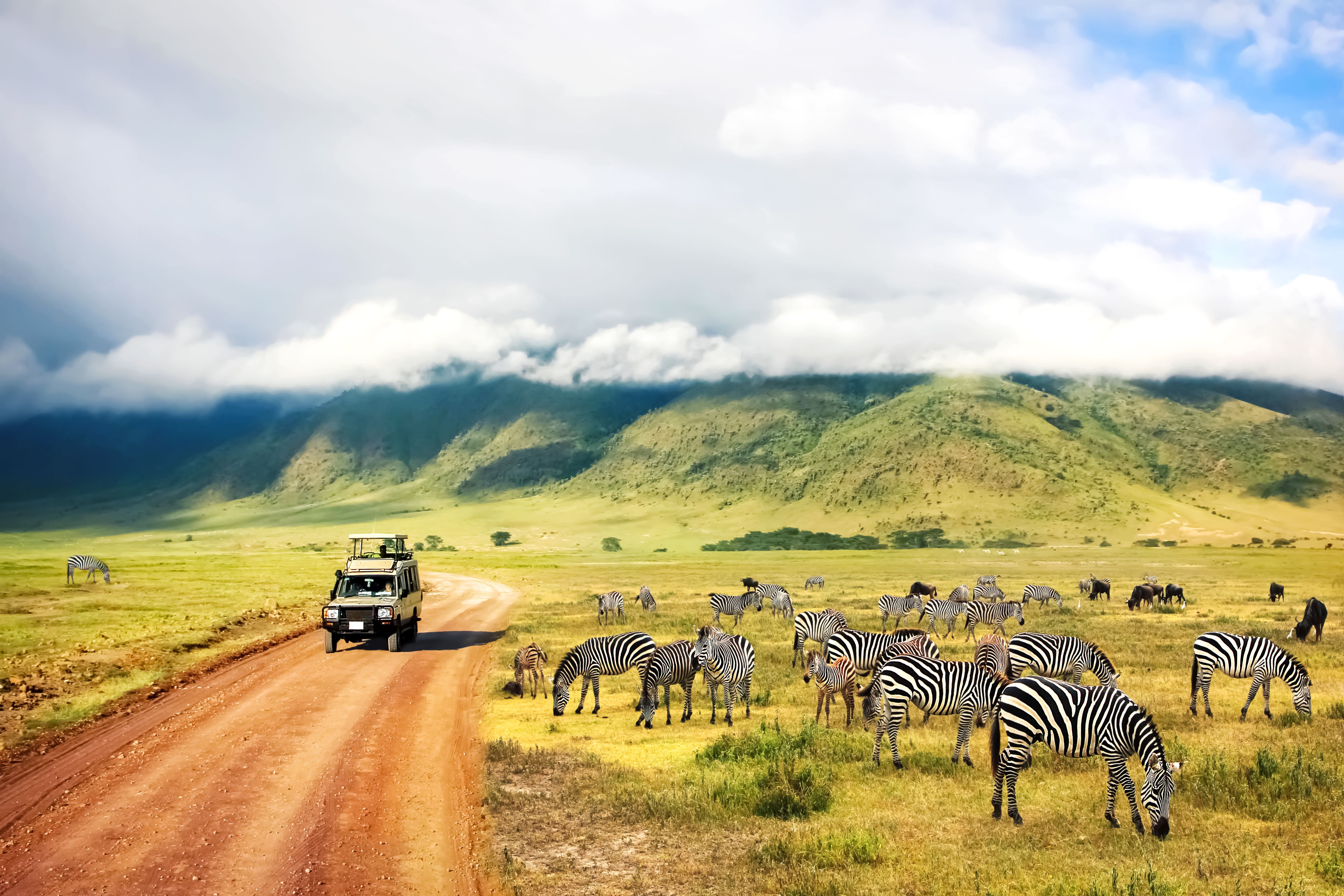
'''When you picture an African safari, you likely imagine close encounters with wildlife from a specialized 4x4. These vehicles are your gateway to the wilderness and your primary shield of safety. Understanding safari vehicle design and safety etiquette is a critical, yet often overlooked, aspect of planning a successful trip. It's not just about getting a great photo; it's about ensuring your adventure is both thrilling and secure. This guide explains the key elements of safari vehicle safety, so you know what to look for and how to contribute to a safe and unforgettable experience. ## The Foundation of Safari Vehicle Safety: Design and Customization A safari vehicle is a sophisticated tool designed for a demanding job. Reputable operators invest heavily in their fleets, knowing that vehicle quality is fundamental to guest safety and the wildlife experience. The most common platforms are the Toyota Land Cruiser and Land Rover Defender, but it's the expert customization that transforms them into proper safari machines. ### Open-Sided vs. Closed Vehicles One of the first things you'll notice is the variety in vehicle design, primarily the choice between open-sided and closed vehicles. Open-sided vehicles, common in Southern Africa destinations like Botswana, Zambia, and South Africa, feature open seating areas with a canvas roof supported by pillars. This design offers an incredibly immersive experience with unobstructed views and a feeling of being truly connected to the environment. Safety is ensured by the vehicle's height—animals perceive the vehicle and its occupants as a single, large entity—and strict rules about remaining seated. Closed vehicles, which are the standard in East Africa (Kenya, Tanzania, Uganda), are typically Land Cruisers with enclosed sides, large slide-open windows, and a pop-top roof hatch. This design provides a greater sense of security, protection from the elements, and the ability to stand up through the roof hatch for elevated viewing and photography. Both designs are exceptionally safe when used correctly and are tailored to the specific conditions and regulations of their respective regions. ### Customizations for Wildlife Viewing and Safety The modifications made to a standard 4x4 are extensive. Seating is typically arranged in three tiered rows to ensure everyone has a good view. Other critical customizations include upgraded suspension for rough tracks, engine snorkels for water crossings in areas like the Okavango Delta, reinforced roll cages for safety, and two-way radios for essential communication. ### The Importance of Regular Maintenance The African bush is unforgiving. Dust, rough roads, and constant use take a toll on any vehicle. Therefore, a rigorous and proactive maintenance schedule is a non-negotiable aspect of safari vehicle safety. Reputable operators have dedicated workshops and skilled mechanics who perform daily checks and regular, in-depth servicing. Before you even board the vehicle for your morning game drive, a guide or mechanic should have already checked the tire pressure, fluid levels, and critical components. This behind-the-scenes diligence is a clear indicator of an operator's commitment to your safety. ## Your Safari Guide: The Most Important Safety Feature While the vehicle is crucial, the most important safety feature is your guide. A professional guide is a highly trained expert whose responsibilities extend far beyond spotting wildlife; they are your driver, naturalist, and protector. ### The Role of a Professional Guide A guide's training is extensive, covering advanced off-road driving, mechanics, animal behavior, and first aid. Their ability to "read" the wilderness is a key safety skill. This includes understanding an animal's mood and knowing when to approach or back away. They know how to position the vehicle for the best photo angle without risk. This deep knowledge allows for those magical, close-up encounters to happen safely. ### Communication and Emergency Preparedness Your guide is your lifeline in the bush, in constant radio communication with the camp and other guides. If an issue arises, a support vehicle can be dispatched or another guide can transfer guests. All credible guides are certified in first aid and carry a comprehensive kit, prepared to handle emergencies in a remote environment. ### Trusting Your Guide's Judgment On safari, your guide's instructions are not mere suggestions; they are rules designed for your safety. If a guide asks you to be quiet, to sit down, or to keep your hands inside the vehicle, it is for a good reason. They have the experience to assess situations in a way that an untrained visitor cannot. Questioning their judgment or failing to follow their instructions can create a dangerous situation for everyone. The foundation of a safe and successful safari is the bond of trust between you and your guide. ## On the Move: Safe Practices During Game Drives The vehicle and guide provide a secure environment, but your behavior is also vital. Adhering to a few simple rules ensures you and the wildlife remain protected. ### Staying Seated and Inside the Vehicle This is the golden rule of safari. Wild animals in national parks like the Serengeti or Kruger are habituated to the shape and sound of safari vehicles, which they perceive as non-threatening. However, if you stand up, lean far out, or get out of the vehicle, you break that familiar outline. You are no longer part of the "vehicle entity"; you become a human, which can trigger a flight or, in rare cases, a defensive reaction from an animal. Never exit the vehicle unless your guide has explicitly deemed an area safe to do so, which is typically only at designated picnic spots or viewpoints. ### The Rules of Wildlife Encounters The thrill of seeing a leopard in a tree or a herd of elephants crossing the road is unforgettable, but it's important to manage your excitement. Keep your voice low and avoid sudden movements. Loud noises can startle wildlife and cause them to flee, ruining the sighting for everyone. When photographing, ensure your camera and lenses are secure and do not extend far beyond the vehicle's edge. Remember that you are a guest in the animals' home. Respect their space and their peace. ### Night Drives and Special Considerations Night drives offer a fascinating glimpse into the world of nocturnal animals, but they come with an added layer of safety considerations. The darkness can be disorienting, and it is even more important to remain seated and quiet. Your guide will use a filtered spotlight to find animals, and they will be careful not to shine the light directly into an animal's eyes for an extended period. The same core principles apply: trust your guide and stay within the protective confines of the vehicle. ## Choosing a Safe Safari Operator Ultimately, the best way to ensure your safety is to choose a reputable safari operator. A company's commitment to safety is reflected in its vehicles, guides, and transparency. ### What to Look for in a Reputable Company When researching operators, look for a commitment to quality. Do their website and marketing materials show clear photos of their vehicles? Do they provide details about their guides? Established operators in regions like the Maasai Mara or Sabi Sands often have the most experienced guides and best safety protocols. Reading reviews and seeking advice from travel advisors can also provide insight into a company's safety record. ### Questions to Ask About Vehicle Safety Don't be afraid to ask specific questions before you book. Inquiries about safety demonstrate that you are a discerning and prepared traveler. Consider asking: What type of vehicles do you use, and how are they customized for safaris? What is your vehicle maintenance schedule? Are your guides certified in first aid and mechanics? What emergency communication systems are in place in your vehicles and camps? A professional and safety-conscious operator will welcome these questions and provide clear, confident answers. Their response will tell you a lot about their standards and their commitment to your well-being. ## Conclusion Your safari vehicle is key to unlocking the African wilderness. Understanding vehicle safety is fundamental to a successful journey. By choosing a reputable operator with well-maintained vehicles and trained guides, you establish a strong foundation for a secure trip. Combine that with your own responsible conduct—staying seated, respecting wildlife, and trusting your guide—and you ensure your adventure is both breathtaking and safe. This allows you to relax and immerse yourself in the magic of the African bush, confident you are in good hands.'''
Need Expert Safari Guidance?
Get expert advisory support from a firm founded by a former safari guide — with real operational knowledge across 9 African countries and full-journey accountability.
Related Planning Guides
Explore Related Topics
Recommended Reading
 Safari Intelligence Insights
Safari Vehicle Safety Standards
Learn about safari vehicle safety standards, from vehicle types and modifications to driver expertise and regulations. Plan a safe and memorable African safari.
 Safari Operator Articles
Safari Operator Safety Standards Explained
Learn about safari operator safety standards explained and how it can impact your safari experience. Get expert advice and start planning your dream safari today.
 Safari Operator Articles
Safari Operator Vehicle Standards Explained
Learn about safari operator vehicle standards explained and how it can impact your safari experience. Get expert advice and start planning your dream safari today.
 Additional Safari Topics
Safari Vehicles Explained
Learn the difference between open-sided 4x4s and pop-top Land Cruisers. Our guide to safari vehicles explains everything you need to know for your African safari.
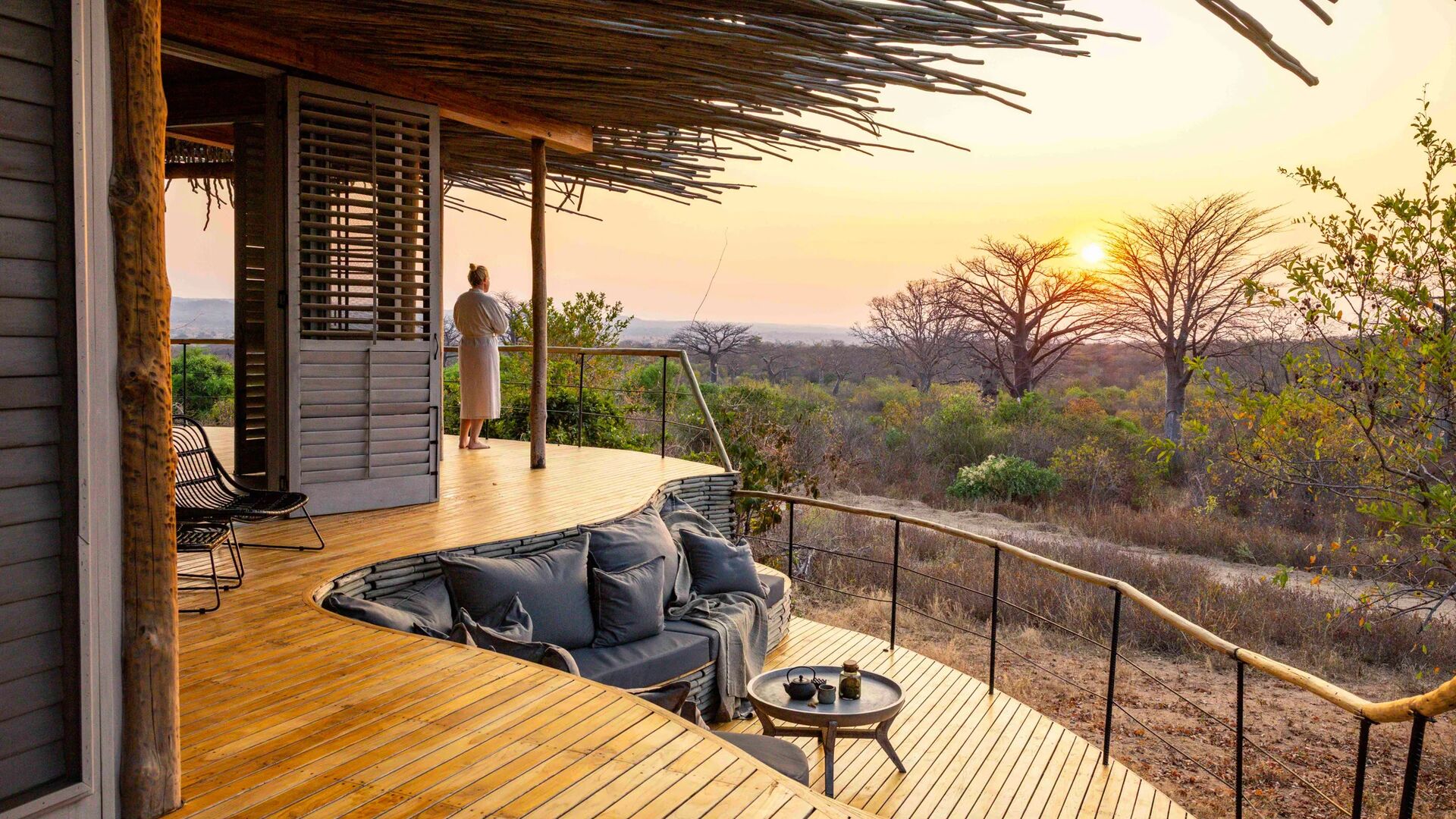 Safari Safety
Is African Safari Safe for Travelers?
Is an African safari safe? Our expert guide covers the real risks, safety measures, and practical advice to help you plan a secure and unforgettable journey.
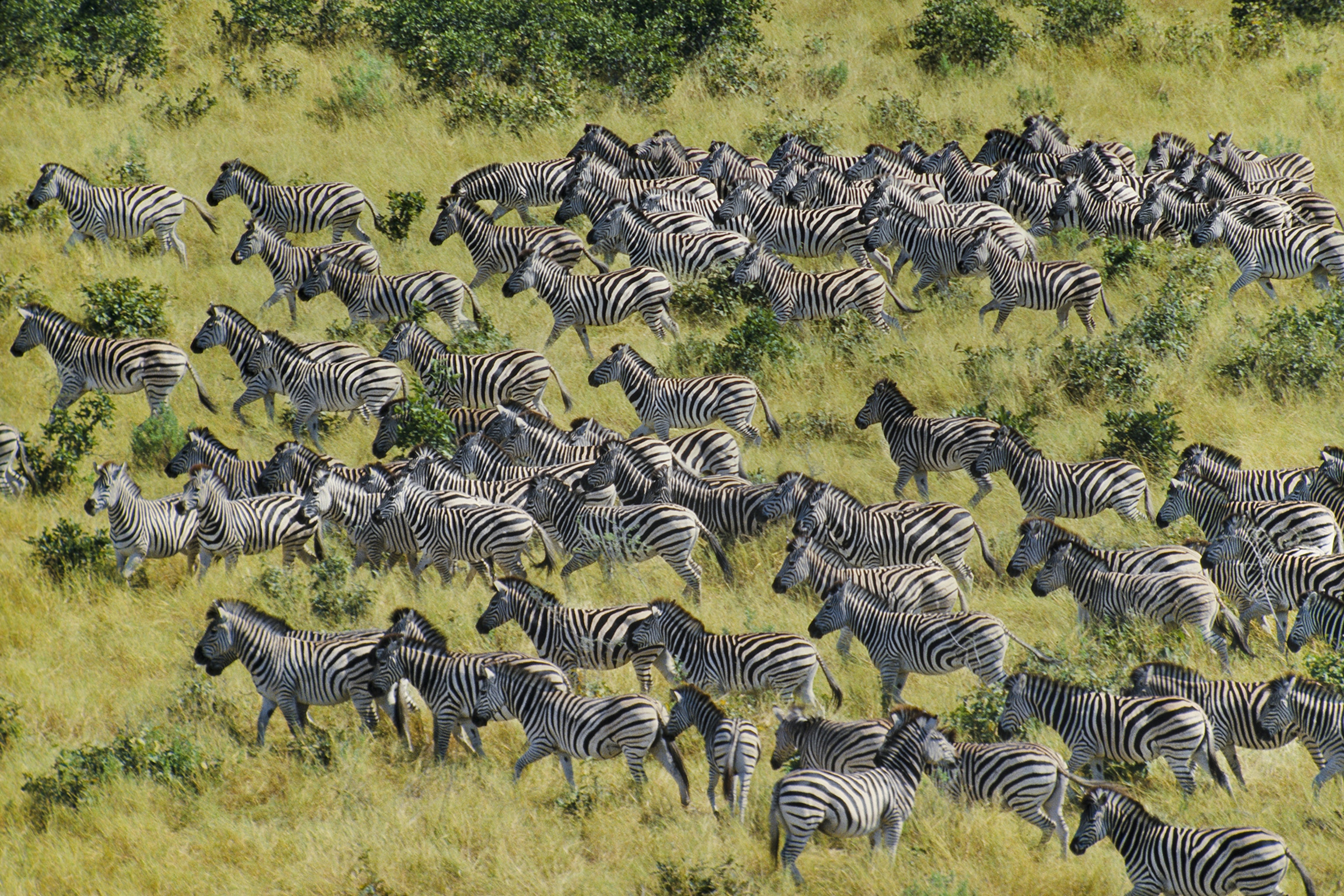 Safari Safety
Safari Safety Tips for First-Time Visitors
Planning your first African safari? Our expert guide provides essential safari safety tips for a worry-free adventure, from wildlife encounters to health advice.