
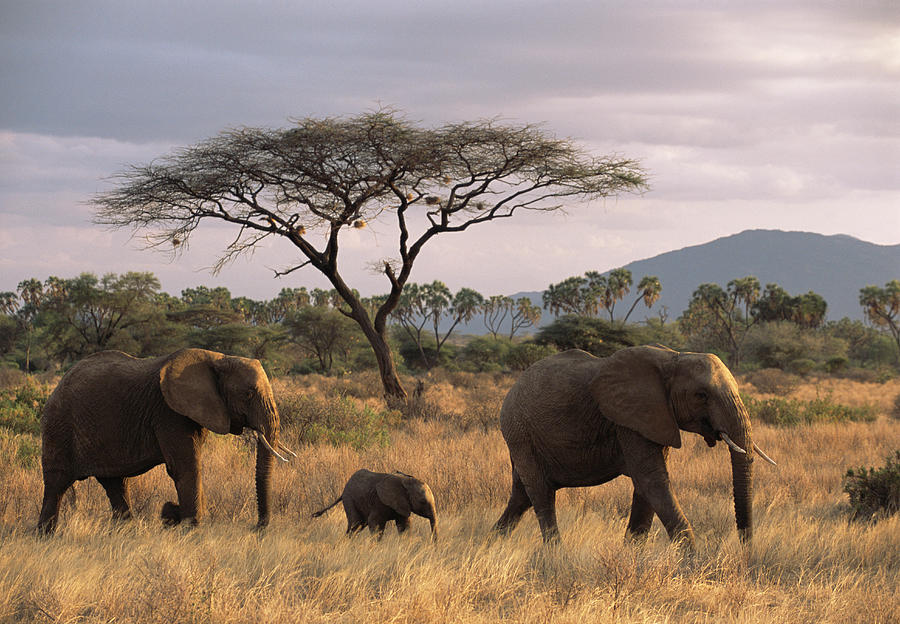
Discover the intricate logistics of safari camps, from power and water to supplies and staffing. Learn how these remote outposts operate to create your dream African safari.
An African safari is an adventure into the wild, a chance to disconnect from the everyday and immerse yourself in nature. But behind the scenes of every incredible wildlife sighting and starlit dinner is a complex logistical operation. Understanding how safari camps work will give you a deeper appreciation for your journey and help you choose the right experience for your travel style. From the supply chain that brings fresh food to the middle of the Serengeti to the engineering that provides a hot shower in a remote delta, the logistics are a fascinating story in themselves.
The Two Main Types of Safari Camps
Safari accommodations generally fall into two categories: permanent lodges and mobile camps. Each offers a different experience and presents a unique set of logistical challenges.
Permanent Lodges and Tented Camps
Permanent structures, ranging from luxurious lodges with private plunge pools to classic tented camps, are established in fixed locations. These camps are built with a "light-touch" philosophy to minimize their environmental impact. They often feature sophisticated infrastructure, including solar power grids, water filtration systems, and waste management programs. While they offer a high level of comfort, their fixed location means that game drives and activities are conducted in the surrounding area.
Mobile Tented Camps
Mobile camps are designed to move with the wildlife, offering an immersive experience that follows the seasonal migrations and animal movements. These camps are dismantled and relocated every few days, a logistical feat that requires a dedicated team and meticulous planning. The level of participation can vary, from fully-serviced camps where everything is done for you to participatory camping where you might help set up your tent.
Powering the Wilderness: Electricity in Camp
One of the most common questions travelers have is about electricity in the bush. While the goal is to disconnect, charging cameras and phones is a modern necessity.
Solar Power: The Sustainable Solution
Most modern safari camps, both permanent and mobile, rely on solar power. Large solar panel arrays generate electricity that is stored in battery banks, providing power for lighting, kitchen appliances, and charging stations. This sustainable approach minimizes the camp's carbon footprint and eliminates the noise and pollution of diesel generators.
Generator Use and Charging Etiquette
In some cases, especially in older camps or as a backup, diesel generators may be used. However, their use is typically limited to specific hours to preserve the tranquility of the bush. You can usually charge your devices in your tent or in a central charging station. It's always a good idea to bring a portable power bank as a backup.
Still researching? Let us help.
Our advisory team has planned safaris across 9 African countries. We can turn your research into a real plan.
Talk to an AdvisorWater and Waste Management: A Precious Resource
Water is a precious commodity in the African wilderness, and camps go to great lengths to conserve it and manage waste responsibly.
Water Sourcing and Purification
Camps source water from boreholes, rivers, or natural springs. This water is then filtered and purified to make it safe for drinking and bathing. Many camps use reverse osmosis systems to provide high-quality drinking water, eliminating the need for single-use plastic bottles. You'll likely be provided with a reusable water bottle to refill during your stay.
Showers and Toilets in the Bush
In permanent lodges, you can expect en-suite bathrooms with flushing toilets and hot and cold running water. In mobile camps, the setup is more rustic but still comfortable. "Bucket showers" are a common feature, where staff hoist a bucket of hot water that provides a surprisingly refreshing shower. Toilets are often eco-friendly, using biodegradable chemicals or a long-drop system.
Waste Disposal and Recycling
Responsible waste management is a cornerstone of sustainable tourism. Camps meticulously sort and separate their waste, recycling as much as possible. Non-recyclable waste is often transported back to the nearest town for proper disposal. Food waste is composted, and greywater from showers and kitchens is carefully managed to prevent contamination of the surrounding environment.
The Safari Supply Chain: Fueling the Adventure
Getting fresh food, drinks, and other essential supplies to a remote safari camp is a masterclass in logistics.
Sourcing and Transportation
Supplies are typically sourced from the nearest major town, which can be a full day's drive away. Fresh produce, meat, and drinks are transported in specialized safari vehicles equipped with refrigerators and freezers. Some high-end lodges even have their own organic gardens to provide fresh vegetables and herbs.
The "Bush Telegraph": Communication in the Wild
Communication is key to a smooth-running operation. While you may not have cell service or Wi-Fi in camp, the "bush telegraph" is alive and well. Safari guides and camp managers use a network of radios and satellite phones to coordinate logistics, share wildlife sightings, and ensure guest safety. This constant communication allows them to adapt to changing conditions and provide a seamless experience.
The Human Element: Staffing and Service
The heart of any safari camp is its staff. From the guides who lead you on incredible wildlife encounters to the chefs who prepare delicious meals over an open fire, the team works tirelessly to create a memorable experience.
A Day in the Life of a Camp Staff Member
The camp staff are the unsung heroes of the safari world. Their day starts before sunrise, preparing for the morning game drive, and ends long after the last guest has gone to bed. They are a close-knit team, often living in the bush for weeks or months at a time, and their passion for the wilderness is infectious.
The Importance of a Good Guide
A knowledgeable and experienced guide can make or break your safari. They are not just drivers; they are expert trackers, naturalists, and storytellers. Their ability to read the signs of the bush and anticipate animal behavior is what leads to those magical wildlife moments. The best guides have a deep respect for the environment and a passion for sharing their knowledge with guests.
In conclusion, the logistics of running a safari camp are as fascinating as the wildlife itself. From the sustainable infrastructure to the dedicated staff, every element is carefully orchestrated to provide a comfortable and unforgettable experience in the heart of the African wilderness. So, the next time you enjoy a cold drink at sunset or a hot shower after a dusty game drive, take a moment to appreciate the incredible effort that goes into making it all possible.
Need Expert Safari Guidance?
Get expert advisory support from a firm founded by a former safari guide — with real operational knowledge across 9 African countries and full-journey accountability.
Related Planning Guides
Explore Related Topics
Recommended Reading
 Advanced Safari Planning
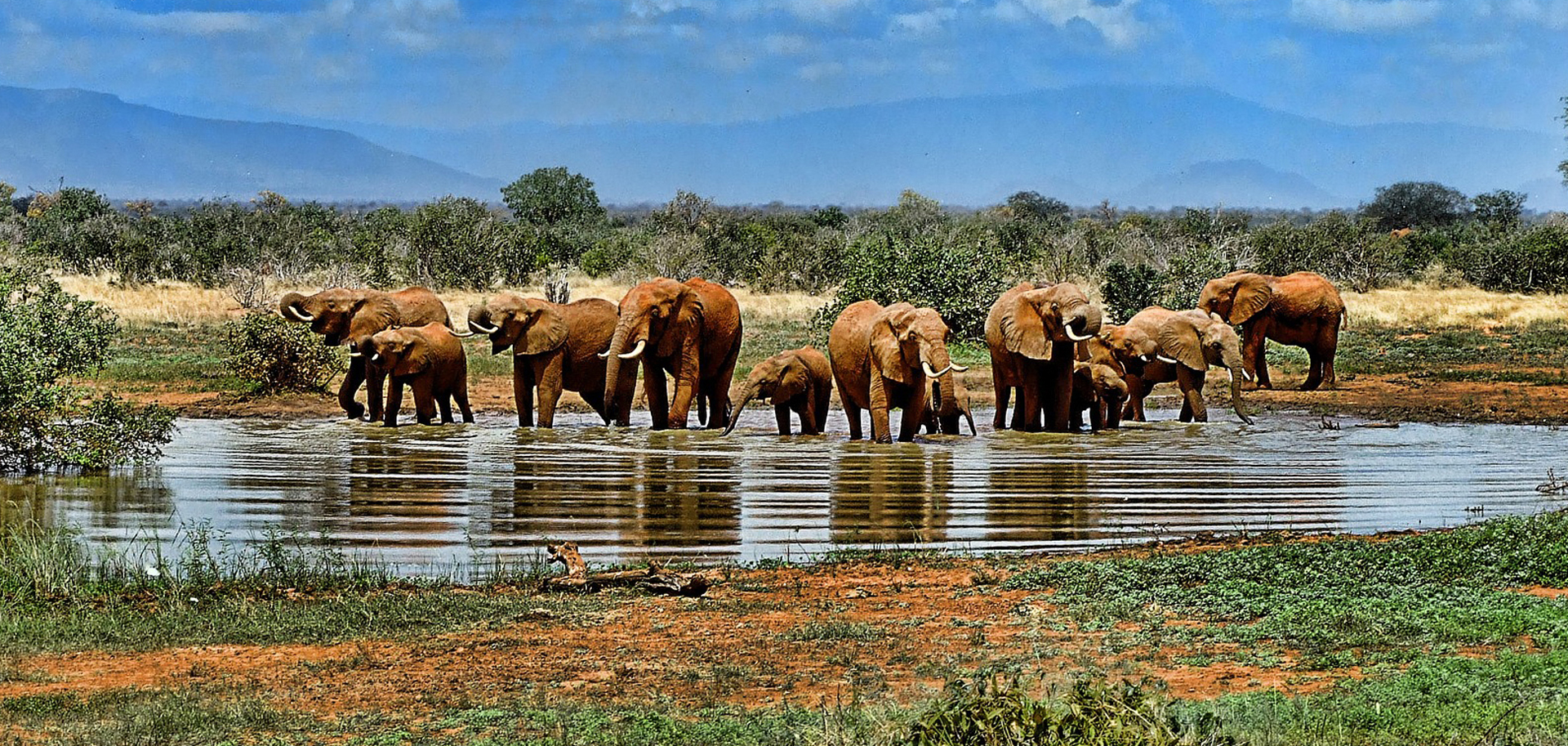
Safari Travel Logistics
Master the essentials of safari travel logistics, from international flights and bush planes to 4x4 vehicles and park permits. Plan your African adventure.
 Safari Planning
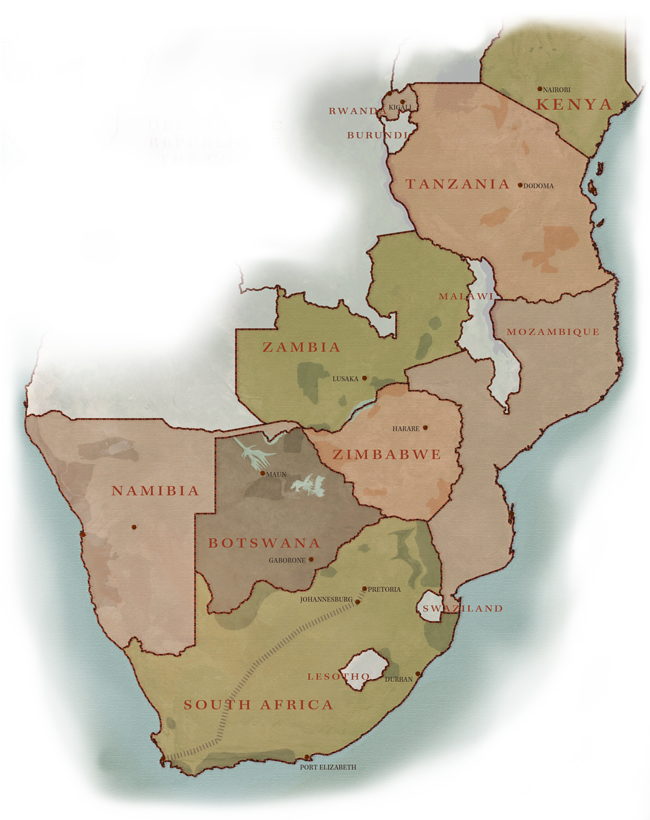
Safari Lodges vs Tented Camps: How to Choose the Right Accommodation
Should you stay in a safari lodge or a tented camp? This guide compares atmosphere, comfort, wildlife access, cost, and experience to help you choose the right safari accommodation.
 Luxury Safaris
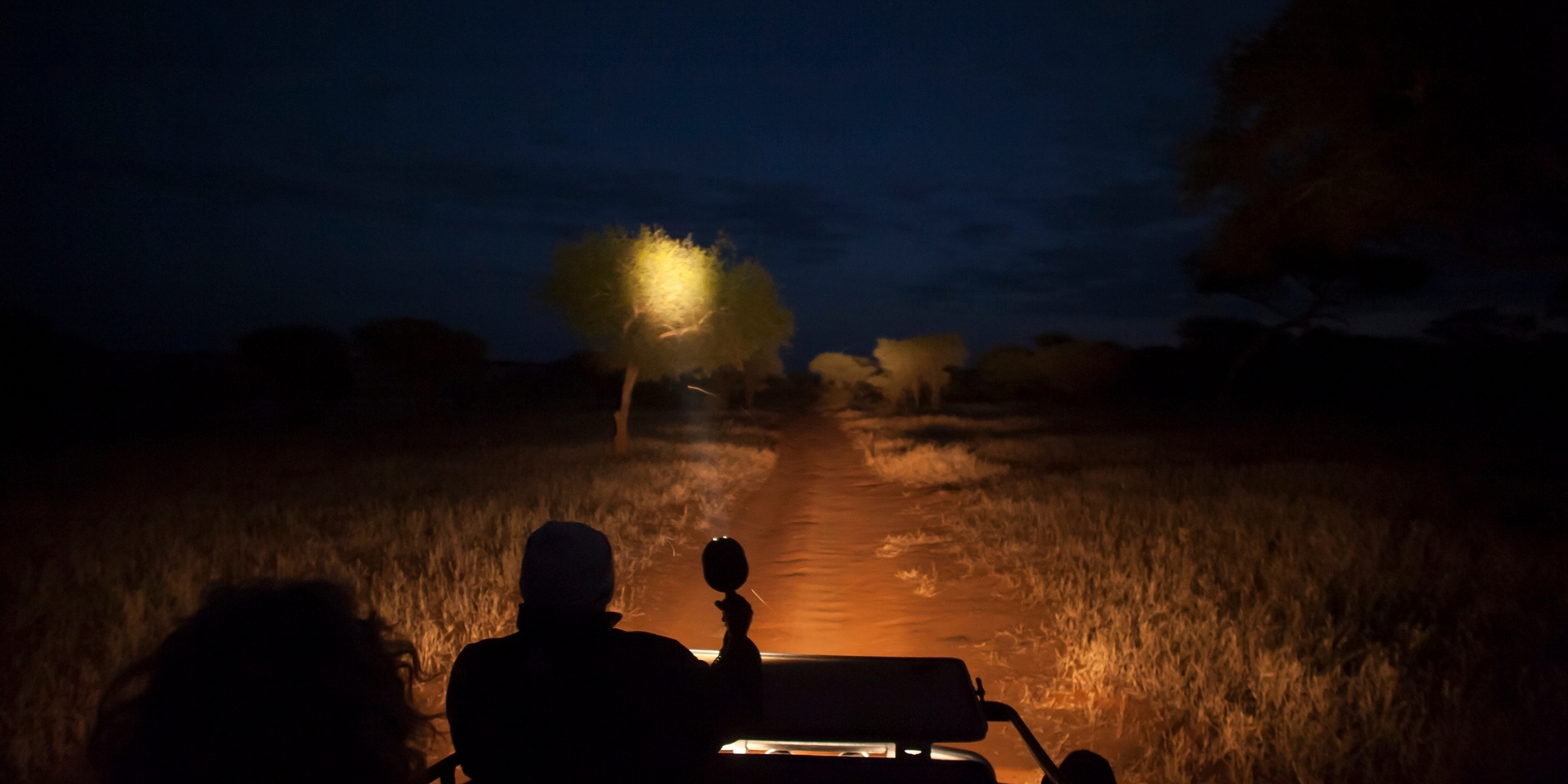
Luxury Safari Camps vs Lodges
Discover the key differences between luxury safari camps and lodges to choose the perfect accommodation for your African safari adventure. Plan your trip with confidence.
 Safari Planning Guides
How to Choose Between a Lodge Safari and Camping Safari
Discover how to plan your dream safari with our expert guide on How to Choose Between a Lodge Safari and Camping Safari. Get tips on destinations, costs, and more.
 Safari Comparison Articles
Lodge Safari vs Tented Camp Safari
An in-depth comparison of Lodge Safari vs Tented Camp Safari to help you choose the perfect safari experience. Explore the pros, cons, and key differences to ma
 Safari Comparison Articles
Mobile Safari vs Fixed Camp Safari
An in-depth comparison of Mobile Safari vs Fixed Camp Safari to help you choose the perfect safari experience. Explore the pros, cons, and key differences to ma