
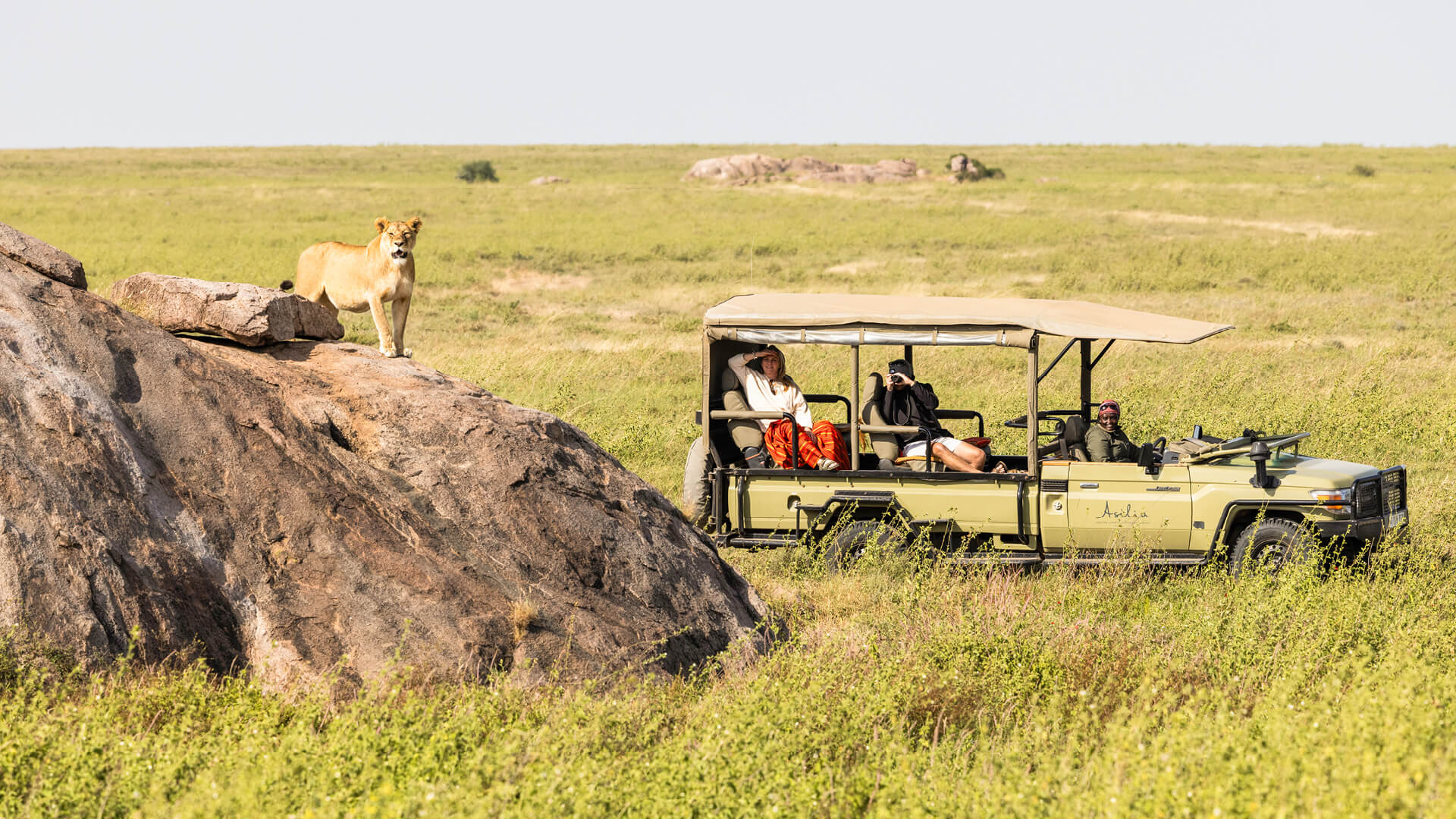
Learn about safari operator safety standards explained and how it can impact your safari experience. Get expert advice and start planning your dream safari today.
Safari Operator Safety Standards Explained
This is the content for the article: Safari Operator Safety Standards Explained.
This article is in the category: Safari Operator Articles.
Here are some internal links:
Why Safari Safety is Non-Negotiable
A safari in Africa is an adventure of a lifetime, a journey into the heart of the wild. But amidst the thrill of spotting a leopard draped over a sausage tree or witnessing the Great Migration, there is a crucial element that underpins every successful safari: safety. Choosing a safari operator isn't just about securing the best price or the most luxurious lodge; it's about entrusting your well-being to a team of professionals operating in a remote and unpredictable environment. True safari excellence is built on a foundation of rigorous safety standards, a culture of preparedness, and an unwavering respect for the wild.
Unfortunately, not all operators are created equal. The African safari market is vast, with options ranging from budget-friendly outfits to world-class luxury providers. While a lower price might seem appealing, it often comes at the cost of compromised safety protocols, older vehicles, less experienced guides, and inadequate emergency plans. This article will explain the critical safety standards that reputable operators adhere to, empowering you to make an informed decision and ensuring your adventure is memorable for all the right reasons. For a deeper dive into planning your journey, our knowledge center is an invaluable resource.
Still researching? Let us help.
Our advisory team has planned safaris across 9 African countries. We can turn your research into a real plan.
Talk to an AdvisorThe Pillars of Safari Operator Safety
A comprehensive safety strategy extends far beyond simply avoiding dangerous animals. It's an ecosystem of procedures and philosophies that cover every aspect of your journey. Here are the core pillars that define a top-tier safari operator.
1. Vehicle Fleet: Maintenance and Preparedness
Your safari vehicle is your mobile sanctuary in the bush. It's your viewing platform, your shield, and your transport between remote locations. Its reliability is paramount.
- Vehicle Quality: Reputable operators invest heavily in their fleets, typically using modified Toyota Land Cruisers or Land Rovers known for their durability and off-road capabilities. These vehicles are customized with pop-up roofs for game viewing, comfortable seating, and charging points.
- Maintenance Regimen: Ask about the operator's maintenance schedule. Top companies have dedicated workshops and mechanics who perform rigorous checks before and after every single safari. This includes inspecting tires, suspension, engine, and all safety equipment.
- Recovery Gear: Breakdowns can happen. A prepared operator ensures every vehicle is equipped with essential recovery gear, including a high-lift jack, a winch, multiple spare tires, and a comprehensive toolkit. The guide should be expertly trained in using this equipment to handle common bush predicaments like a flat tire in the Serengeti or getting stuck in mud during the green season.
> Expert Insight: The age of an operator's vehicle fleet is a strong indicator of their commitment to safety and quality. A company that regularly invests in new, well-maintained vehicles is demonstrating a long-term commitment to guest security and comfort. Don't hesitate to ask how old their vehicles are.
2. Guide Expertise and Training
Your safari guide is the single most important safety feature on any safari. They are your interpreter of the wild, your driver, your naturalist, and your guardian. Their training and experience are non-negotiable.
- Certification and Knowledge: Look for guides with certifications from respected local bodies, such as the Kenya Professional Safari Guides Association (KPSGA) or the Field Guides Association of Southern Africa (FGASA). This ensures they have met a high standard of knowledge in wildlife, ecology, and safety protocols.
- Advanced Skills: A great guide's training goes beyond identifying birds. They possess advanced first-aid training (Wilderness First Responder is a top certification), defensive driving skills for challenging terrain, and a deep, intuitive understanding of animal behavior.
- Reading the Wild: The best guides can anticipate a situation before it develops. They know the signs of an agitated elephant, the meaning of a vervet monkey's alarm call, and the safe distance to keep from a pride of lions. This sixth sense for the bush is what separates a mere driver from a true professional guide.
3. Wildlife Encounter Protocols
Respect for wildlife is the cornerstone of a safe safari. Ethical operators have strict protocols for how their guides conduct wildlife viewings to ensure the safety of both the animals and the vehicle's occupants.
- Maintaining Distance: A key rule is to never crowd an animal. Guides should maintain a respectful distance that allows the animal to behave naturally without feeling threatened. This is not only safer but also results in a more authentic and prolonged viewing experience.
- No Off-Road Driving (in most areas): While some private conservancies permit off-road driving, it is strictly forbidden in most national parks to protect the fragile ecosystem. An operator who flouts these rules is not only behaving unethically but is also demonstrating a disregard for regulations that could extend to other areas of their operation.
- Engine Protocol: Professional guides will often switch off the vehicle's engine during a sighting. This minimizes noise, reduces stress on the animals, and allows you to fully immerse yourself in the sounds of the bush.
> Traveler's Tip: If your guide ever gets too close to an animal to the point where it reacts negatively (e.g., a mock charge from an elephant), or if they are actively pressuring the animal for a better photo angle, it is a major red flag. Your safety and the animal's welfare should always come before a photograph.
4. Emergency and Medical Response
Even with the best planning, emergencies can occur. A premier operator has a robust and well-rehearsed plan to handle medical situations in a remote environment.
- Communication: Every vehicle and lodge must be equipped with reliable communication systems that are not dependent on cellular service. This includes two-way radios and, most importantly, a satellite phone for emergencies.
- Medical Kits: The guide's vehicle and all camps/lodges should have comprehensive medical kits. The guide should be proficient in using the contents.
- Evacuation Plans: This is one of the most critical safety components. Reputable operators have standing relationships with emergency evacuation services like the AMREF Flying Doctors. In the event of a serious medical issue, this service can dispatch a medically equipped aircraft to a nearby bush airstrip to transport a patient to a modern hospital. Before you travel, it is essential to secure travel insurance that explicitly covers medical evacuation. Our safari operators can provide guidance on this.
Your Role in Safari Safety
Finally, remember that you also play a role in your own safety. Always listen to your guide's instructions, especially regarding camp safety briefings. Never walk alone at night in an unfenced camp, always use the provided escort (askari). Do not keep food in your tent, and always remain inside the vehicle during game drives unless your guide has deemed an area safe to disembark.
By understanding these standards and asking the right questions, you can confidently choose an operator who prioritizes your well-being. This allows you to relax and fully embrace the magic of the African bush, knowing you are in the safest possible hands. Ready to take the next step? Let us help you plan your safari with a vetted, safety-conscious operator.
Need Expert Safari Guidance?
Get expert advisory support from a firm founded by a former safari guide — with real operational knowledge across 9 African countries and full-journey accountability.
Related Planning Guides
Recommended Reading
 Safari Operator Articles
Safari Operator Vehicle Standards Explained
Learn about safari operator vehicle standards explained and how it can impact your safari experience. Get expert advice and start planning your dream safari today.
 Safari Operator Articles
Safari Operator Accreditation Bodies Explained
Learn about safari operator accreditation bodies explained and how it can impact your safari experience. Get expert advice and start planning your dream safari today.
 Safari Operator Articles
Safari Operator Guide Qualification Standards
Learn about safari operator guide qualification standards and how it can impact your safari experience. Get expert advice and start planning your dream safari today.
 Safari Safety
Safari Vehicle Safety Explained
Learn the essentials of safari vehicle safety, from vehicle design and guide expertise to choosing a safe operator for your African safari adventure.
 Safari Intelligence Insights
Safari Vehicle Safety Standards
Learn about safari vehicle safety standards, from vehicle types and modifications to driver expertise and regulations. Plan a safe and memorable African safari.
 Luxury Safaris
Luxury Safari vs Standard Safari
Wondering whether to book a luxury or standard safari? Our guide breaks down the key differences in accommodation, guiding, and cost to help you choose.