
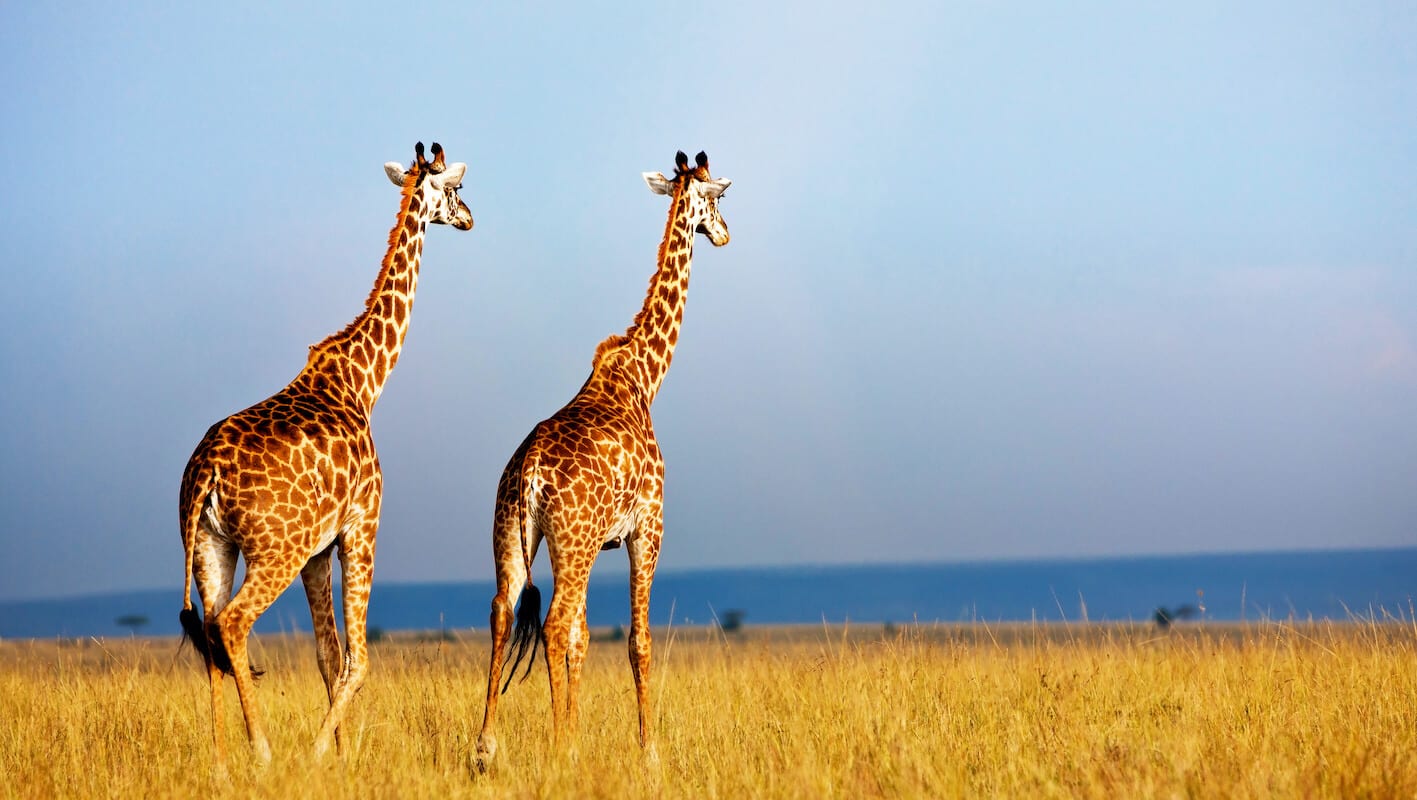
Learn about how to plan a safari for elephant encounters in this comprehensive safari guide covering key insights and practical advice.
Overview
Planning a safari involves many moving parts, and how to plan a safari for elephant encounters is one of the most important considerations. Whether you're a first-time visitor or a seasoned Africa traveler, this guide provides the practical knowledge you need to make informed decisions and create an unforgettable experience.
What You Need to Know
When exploring how to plan a safari for elephant encounters in depth, several factors deserve attention. The geographic diversity of Africa means that conditions, availability, and experiences vary significantly from one region to another. East Africa's open savannas offer a different context than Southern Africa's bushveld or Central Africa's rainforests. Our destination guides provide region-specific information to help you navigate these differences.
Still researching? Let us help.
Our advisory team has planned safaris across 9 African countries. We can turn your research into a real plan.
Talk to an AdvisorPractical Considerations
The practical application of how to plan a safari for elephant encounters extends beyond the planning phase into the safari itself. Being well-informed allows you to make better decisions in real-time, whether that means choosing the right game drive timing, understanding animal behavior, or knowing when to ask your guide for more information. Preparation and knowledge transform a good safari into an extraordinary one. Start with our planning resources for a structured approach.
Expert Perspective
The safari industry's leading voices agree that how to plan a safari for elephant encounters is an area where knowledge truly makes a difference. As conservation challenges evolve and tourism patterns shift, staying informed helps travelers make choices that benefit both their experience and the destinations they visit. Browse our operator directory to connect with companies that share this commitment to informed, responsible travel.
Next Steps
As you continue planning your African safari, keep how to plan a safari for elephant encounters in mind as an important piece of the puzzle. The more you understand about the various aspects of safari travel, the better positioned you'll be to create an experience that exceeds your expectations. Explore our destinations, browse the knowledge center, and connect with our safari operators to take the next step in your journey.
Done Reading? Let's Build Your Safari.
Skip the guesswork. Work with an advisor who has been on the ground across East and Southern Africa.
Plan With UsPremier Destinations for Unforgettable Elephant Encounters
While elephants are widespread across much of sub-Saharan Africa, certain locations offer exceptionally high densities and unique viewing opportunities. To truly focus your safari on these magnificent animals, consider these premier destinations.
Chobe National Park, Botswana
Often called "The Land of Giants," Chobe National Park is home to one of the largest concentrations of elephants in Africa, with population estimates often exceeding 50,000. The park is most famous for its vast herds that congregate along the Chobe River during the dry season (May to October). A river safari here offers a unique perspective, allowing you to watch as entire families drink, play, and swim, often just meters from your boat. The sheer number of elephants is staggering, providing unparalleled photographic opportunities and a deep sense of immersion in their world.
Hwange National Park, Zimbabwe
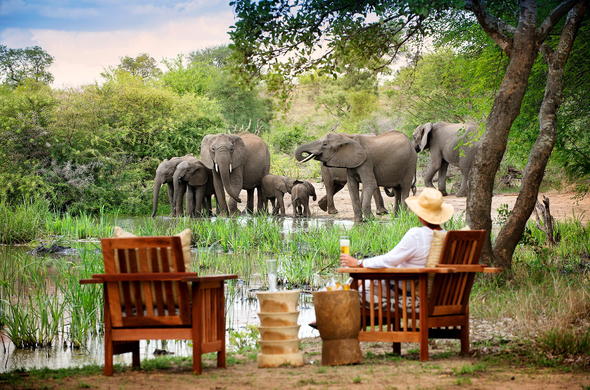
As Zimbabwe's largest national park, Hwange is a sanctuary for over 40,000 elephants. The park's ecosystem relies on a series of man-made and natural waterholes, which become magnets for wildlife during the dry winter months. This concentration makes for spectacular and reliable elephant sightings. Hwange is also known for its massive "super herds" and some of the largest tuskers remaining in Africa. A stay at a camp overlooking a productive waterhole can provide 24-hour game viewing right from your armchair.
> Expert Insight: For a truly unique experience in Hwange, consider a walking safari with a professional guide. Tracking elephants on foot offers a profound connection to the animal and its environment. It's a humbling and exhilarating way to appreciate their scale and intelligence from a safe and respectful distance.
Amboseli National Park, Kenya
Amboseli is renowned for its iconic imagery: elephants grazing peacefully against the backdrop of a snow-capped Mount Kilimanjaro. The park's open plains and marshlands create a dramatic stage for observing elephant behavior. It is also the site of the Amboseli Trust for Elephants, one of the longest-running studies of wild elephants in the world. This research has provided incredible insights into their complex social structures, and many of the elephants here are known individually by researchers and guides, adding a personal dimension to your encounters. A visit here is not just a visual treat but also an educational journey.
Timing Your Safari for Optimal Elephant Viewing
While elephants can be seen year-round, the dry season is unequivocally the best time for elephant-focused safaris. In Southern Africa (Botswana, Zimbabwe, Zambia), this typically runs from May through October. In East Africa (Kenya, Tanzania), there are two dry seasons: a long one from June to October and a shorter one from January to February.
During these periods, water becomes scarce, forcing elephants to congregate in large numbers around permanent rivers, waterholes, and marshes. This concentration makes them easier to find and provides more dramatic viewing opportunities. The vegetation is also less dense, which improves visibility. Planning your trip during these months will significantly increase your chances of witnessing the large herds and fascinating social interactions that make elephant encounters so special. For more detailed guidance, explore our destinations guides or use our safari cost calculator to budget for a peak-season trip.
Ethical Considerations and Conservation-Focused Safaris
As a discerning traveler, choosing an ethical safari is paramount. The most meaningful elephant encounters are those that are respectful of the animals' well-being and contribute to their long-term survival. Avoid any operation that offers elephant riding or direct physical contact, as these practices are often linked to cruel training methods and exploitation.
Instead, support lodges and operators that actively participate in conservation. This can include:
- Community Partnerships: Working with local communities to reduce human-elephant conflict.
- Anti-Poaching Patrols: Funding and equipping rangers to protect elephants from poachers.
- Habitat Preservation: Supporting efforts to secure vital corridors and dispersal areas for elephants.
By choosing a responsible safari provider, your journey becomes a force for good, helping to ensure that future generations can also experience the wonder of seeing elephants in the wild. Our safari operators are experts at vetting operators and can guide you toward partners who share a genuine commitment to conservation.
> Traveler's Tip: When on a game drive, your guide will know how to interpret elephant behavior to ensure a safe and non-intrusive experience. Pay attention to their cues. An elephant flapping its ears, for instance, is often a sign of agitation or a mock charge designed to warn you to keep your distance. A quiet, relaxed vehicle and a respectful distance are key to positive encounters.
Planning a safari centered on elephants is a rewarding endeavor that connects you to one of nature's most intelligent and emotionally complex creatures. By focusing on the right destinations, timing your visit correctly, and choosing ethical operators, you can create a truly unforgettable journey. To begin crafting your personalized elephant safari, plan your safari with us today.
Need Expert Safari Guidance?
Get expert advisory support from a firm founded by a former safari guide — with real operational knowledge across 9 African countries and full-journey accountability.
Related Planning Guides
Recommended Reading
 Safari Planning Guides
How to Plan a Safari for Primate Encounters
Learn about how to plan a safari for primate encounters in this comprehensive safari guide covering key insights and practical advice.
 Safari Planning Guides
How to Plan a Safari With Ethical Wildlife Encounters
Learn about how to plan a safari with ethical wildlife encounters in this comprehensive safari guide covering key insights and practical advice.
 Safari Planning Guides
Safari Planning Guide for First-Time Travelers
Discover how to plan your dream safari with our expert guide on Safari Planning Guide for First-Time Travelers. Get tips on destinations, costs, and more.
 Safari Planning
Step-by-Step Guide to Planning an African Safari
Learn how to plan your first African safari with our step-by-step guide. We cover everything from choosing a destination to booking your trip and packing.
 Destination Guides
Best Safari Destinations for Elephant Viewing
Your complete guide to Best Safari Destinations for Elephant Viewing. Find the best destinations, planning tips, and more for your next safari adventure.
 Safari Comparison Articles
Elephant-Back Safari vs Walking Safari
An in-depth comparison of Elephant-Back Safari vs Walking Safari to help you choose the perfect safari experience. Explore the pros, cons, and key differences t