

An in-depth comparison of Elephant-Back Safari vs Walking Safari to help you choose the perfect safari experience. Explore the pros, cons, and key differences t
Elephant-Back Safari vs Walking Safari
The safari industry has evolved significantly, and so has the approach to elephant-back safari vs walking safari. This guide reflects current best practices and real-world insights from operators across East and Southern Africa.
Expert Recommendations
Budget considerations play an important role in elephant-back safari vs walking safari. While it is tempting to cut corners, experienced travelers consistently report that investing in quality where it matters most leads to significantly better outcomes. The key is knowing where to allocate your budget for maximum impact.
Working with a qualified safari planning guide can significantly improve your experience with elephant-back safari vs walking safari. Advisors who have personal experience in your chosen destinations can provide insights that no guidebook or website can match. They understand the subtle differences between properties, the best times to visit specific areas, and how to structure an itinerary that maximizes your time.
Still researching? Let us help.
Our advisory team has planned safaris across 9 African countries. We can turn your research into a real plan.
Talk to an AdvisorCommon Mistakes to Avoid: Elephant-Back Safari vs Walking Safari
One of the most frequent mistakes travelers make with elephant-back safari vs walking safari is waiting too long to start planning. Popular safari destinations and lodges book up months in advance, especially during peak season. Last-minute planning often results in limited options and higher costs.
Underestimating the importance of elephant-back safari vs walking safari is perhaps the biggest mistake of all. Travelers who give this aspect of their safari proper attention consistently report more satisfying experiences than those who treat it as an afterthought.
Making the Most of Your Experience
Photography enthusiasts should pay special attention to elephant-back safari vs walking safari as it relates to their equipment and technique. The lighting conditions, distances, and movement patterns of African wildlife create unique challenges and opportunities that benefit from advance preparation.
To truly optimize elephant-back safari vs walking safari, approach your safari with an open mind and realistic expectations. Africa has a way of surprising even the most experienced travelers, and some of the best moments come from unexpected encounters and unplanned detours.
Finally, remember that a safari is more than just wildlife viewing. The cultural experiences, landscapes, and personal connections you make along the way are equally valuable. Approaching elephant-back safari vs walking safari with this broader perspective will enrich your entire journey.
Safety and Health Considerations: Elephant-Back Safari vs Walking Safari
Travel insurance that specifically covers safari activities is strongly recommended. Standard travel insurance policies may not cover all the activities and situations you might encounter on an African safari. Ensure your policy covers medical evacuation, trip cancellation, and activity-specific risks.
Safety is paramount when it comes to elephant-back safari vs walking safari on safari. Reputable operators maintain strict safety protocols and employ experienced guides who are trained to handle a wide range of situations. Always verify that your chosen operator has proper licensing, insurance, and safety certifications.
Health preparation is an essential component of elephant-back safari vs walking safari. Consult with a travel medicine specialist at least six weeks before your departure to discuss vaccinations, malaria prophylaxis, and other health precautions specific to your destinations.
Done Reading? Let's Build Your Safari.
Skip the guesswork. Work with an advisor who has been on the ground across East and Southern Africa.
Plan With UsThe Ethical Debate: A Shift in Safari Practices
The conversation around elephant-back safaris has shifted dramatically over the past decade. The tourism industry has largely recognized the cruel training methods and unethical treatment required to make elephants compliant for riding. As a result, most reputable safari operators and conservation organizations actively discourage and condemn elephant-back safaris. The focus has moved towards more ethical and sustainable wildlife encounters, placing the walking safari at the forefront of immersive, low-impact tourism. This modern approach prioritizes animal welfare and allows for a more authentic and respectful engagement with Africa's wilderness, moving away from entertainment at the animal's expense.
The Walking Safari Experience: An Intimate Connection
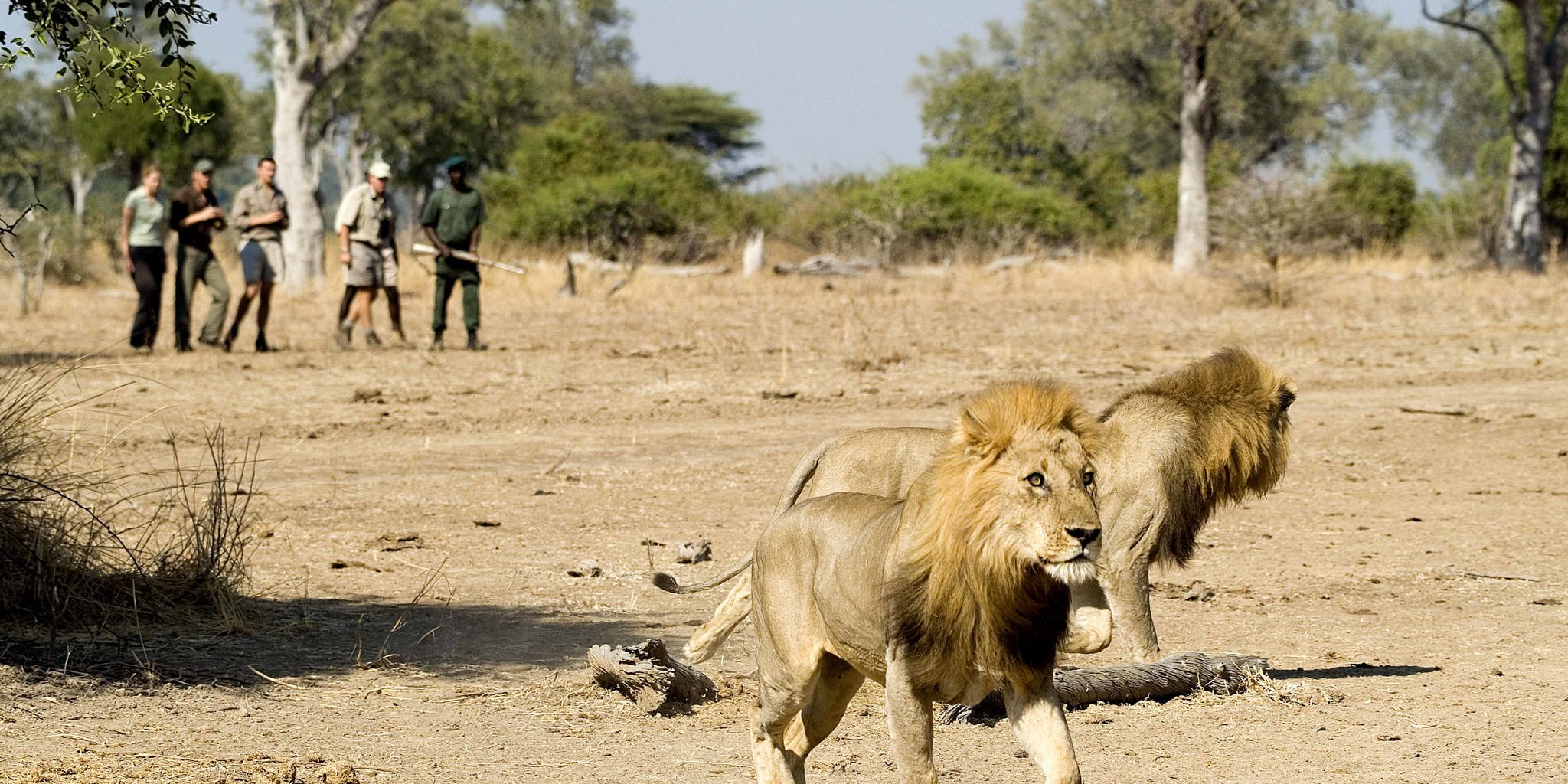
A walking safari offers a completely different perspective compared to any vehicle-based activity. On foot, you are no longer a mere spectator; you become an active participant in the ecosystem. Your senses are heightened—you hear the crunch of leaves under your guide's boots, smell the wild sage crushed underfoot, and see the intricate details of the landscape often missed from a vehicle. The focus shifts from just spotting large game to understanding the entire environment. You'll learn to identify animal tracks, examine insect life, and appreciate the subtle signs of the bush that tell a complex story. This is a slower, more deliberate, and profoundly intimate way to experience Africa.
Case Study: Walking Safaris in Zambia's South Luangwa
Zambia's South Luangwa National Park is widely considered the birthplace of the modern walking safari and remains a premier destination for this activity. A typical multi-day walking safari here involves moving between remote, rustic bush camps, covering several miles each day. For example, a guest might walk from Mfuwe Lodge to a secluded camp like Zikomo Safari. The experience is not a route march but a slow-paced exploration. A guide might spend thirty minutes interpreting the tracks of a leopard from the night before or observing the complex social structure of a puku herd. This is where the distinction becomes clearest: the goal is not just to see wildlife, but to understand its world, creating a far more memorable and educational encounter than the outdated and unethical elephant-back alternative.
Related Resources
For more information on planning your safari, explore our destination guides, browse the safari operator directory, or connect with an experienced safari planning guide for personalized guidance.
Walking Safari vs. Elephant-Back Safari: A Head-to-Head Comparison
To make an informed decision, it's crucial to understand the fundamental differences between these two experiences. While the industry has moved decisively away from elephant-back rides for ethical reasons, this comparison clarifies why walking safaris offer a superior and more responsible way to engage with the African bush.
| Feature | Walking Safari | Elephant-Back Safari (Historical/Unethical) | |---|---|---| | Ethical Standing | High. Considered the gold standard for low-impact, respectful wildlife viewing. Supports conservation. | Extremely Low. Widely condemned due to cruel training methods and negative impacts on elephant welfare. | | Wildlife Experience | Intimate and multi-sensory. Focus on tracking, botany, and small details. Ground-level, thrilling encounters. | Distant and disconnected. Wildlife often avoids the unnatural presence of humans on an elephant. | | Pace & Focus | Slow, deliberate, and educational. Covers 3-5 miles (5-8 km) per walk, focusing on deep ecosystem understanding. | Slow and plodding, but with a focus on the novelty of the ride itself, not the surrounding environment. | | Physical Fitness | Requires a moderate level of fitness. Most walks are on flat terrain but can last 3-4 hours. | Requires minimal fitness but can be physically uncomfortable due to the swaying motion. | | Guide Expertise | Led by highly trained and armed specialist walking guides with deep knowledge of animal behavior and safety protocols. | Often led by handlers focused on controlling the elephant, not on ecological interpretation. | | Availability | Widely available across premier safari destinations, especially in Zambia, Zimbabwe, Tanzania, and Kenya. | No longer offered by any reputable safari operator. Any remaining instances are considered unethical tourist traps. |
Premier Destinations for Walking Safaris
While Zambia's South Luangwa is the birthplace of the walking safari, several other destinations offer world-class experiences for those looking to explore on foot.
Mana Pools National Park, Zimbabwe: Famous for its open floodplains and accessibility, Mana Pools allows for incredible on-foot encounters with large game, including elephants and wild dogs. The lack of dense bush makes for excellent visibility. Operators like [Stretch Ferreira Safaris](https://www.stretchferreirasafaris.com/) and [African Bush Camps](https://africanbushcamps.com/) offer legendary walking experiences here, often with a focus on approaching elephants safely on foot, providing a far more profound and ethical connection than riding them.
Selous Game Reserve (Nyerere National Park), Tanzania: As one of Africa's largest and wildest reserves, the Selous offers a rugged and remote setting for walking. The terrain is more varied, with riverine forests and open woodlands. A classic walking safari here might involve fly-camping—setting up simple, temporary camps in the wilderness each night for a truly immersive adventure. [Sand Rivers Selous](https://www.asiliaafrica.com/east-africa-safari/tanzania/selous-game-reserve/sand-rivers-selous) is renowned for its exceptional walking and boating safaris.
Kruger National Park, South Africa: While famous for its self-drive routes, Kruger has several private concessions and designated wilderness trails that offer superb multi-day walking safaris. The Rhino Walking Safaris concession, for example, focuses on tracking rhinos and other members of the Big Five on foot, guided by expert rangers in a pristine environment. These trails offer a stark, ethical contrast to the outdated concept of animal-back rides.
Need Expert Safari Guidance?
Get expert advisory support from a firm founded by a former safari guide — with real operational knowledge across 9 African countries and full-journey accountability.
Related Planning Guides
Recommended Reading
 Safari Comparison Articles
Walking Safari vs Driving Safari Comparison
An in-depth comparison of Walking Safari vs Driving Safari Comparison to help you choose the perfect safari experience. Explore the pros, cons, and key differen
 Safari Comparison Articles
Horseback Safari vs Walking Safari
An in-depth comparison of Horseback Safari vs Walking Safari to help you choose the perfect safari experience. Explore the pros, cons, and key differences to ma
 Safari Comparison Articles
Cycling Safari vs Walking Safari
An in-depth comparison of Cycling Safari vs Walking Safari to help you choose the perfect safari experience. Explore the pros, cons, and key differences to make
 Safari Safety
Walking Safari Safety Tips
Learn how to stay safe on a walking safari with our expert tips. Discover the importance of your guide, what to wear, and how to act in the African bush.
 Safari Planning Guides
How to Plan a Safari With Walking Activities
Discover how to plan your dream safari with our expert guide on How to Plan a Safari With Walking Activities. Get tips on destinations, costs, and more.
 Safari Planning Guides
How to Plan a Safari for Elephant Encounters
Learn about how to plan a safari for elephant encounters in this comprehensive safari guide covering key insights and practical advice.