
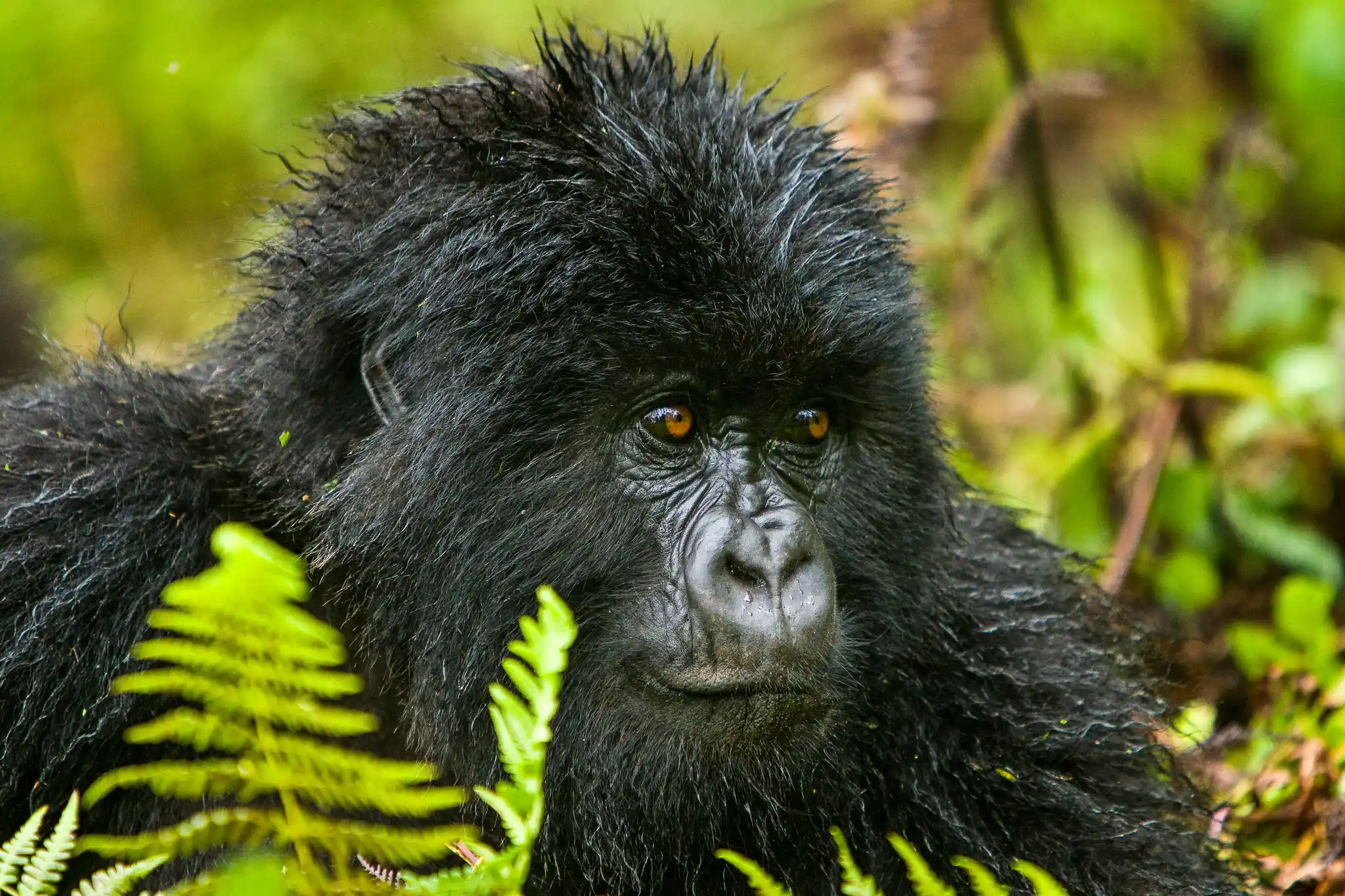
Learn about how to plan a safari with ethical wildlife encounters in this comprehensive safari guide covering key insights and practical advice.
Overview
Planning a safari involves many moving parts, and how to plan a safari with ethical wildlife encounters is one of the most important considerations. Whether you're a first-time visitor or a seasoned Africa traveler, this guide provides the practical knowledge you need to make informed decisions and create an unforgettable experience.
What You Need to Know
A deeper look at how to plan a safari with ethical wildlife encounters reveals important connections to other aspects of safari planning. Your choice of destination, timing, accommodation, and activities all influence each other, creating a web of decisions that benefit from expert guidance. Our knowledge center covers these interconnected topics comprehensively.
Still researching? Let us help.
Our advisory team has planned safaris across 9 African countries. We can turn your research into a real plan.
Talk to an AdvisorPractical Considerations
Implementing your understanding of how to plan a safari with ethical wildlife encounters means taking concrete steps during the planning process. Research thoroughly using reliable sources, compare multiple options, and don't rush your decisions. The best safari experiences are built on careful preparation and realistic expectations. Our team of safari operators can review your plans and offer suggestions based on decades of combined experience in African travel.
Expert Perspective
The safari industry's leading voices agree that how to plan a safari with ethical wildlife encounters is an area where knowledge truly makes a difference. As conservation challenges evolve and tourism patterns shift, staying informed helps travelers make choices that benefit both their experience and the destinations they visit. Browse our operator directory to connect with companies that share this commitment to informed, responsible travel.
Next Steps
Whether you're in the early stages of dreaming about an African safari or actively finalizing your plans, understanding how to plan a safari with ethical wildlife encounters contributes to a more rewarding experience. Use the resources available on Safari Intelligence, including our cost calculator, operator directory, and destination library, to build confidence in your planning decisions.
Done Reading? Let's Build Your Safari.
Skip the guesswork. Work with an advisor who has been on the ground across East and Southern Africa.
Plan With UsUnderstanding the Spectrum of Ethical Encounters
The term "ethical wildlife encounter" extends far beyond simply avoiding direct harm to animals. It encompasses a spectrum of practices that prioritize the well-being of wildlife, the environment, and local communities. At its core, it is about observing animals in their natural habitats with minimal disturbance, allowing them to behave as they would without human interference. This means no feeding, no touching, and maintaining a respectful distance at all times.
However, true ethical tourism goes deeper. It involves understanding the subtle impacts of our presence. For instance, while a habituated leopard that is accustomed to vehicles may not seem stressed, the long-term effects of constant exposure can alter its natural behaviors, such as hunting and mating patterns. An ethical operator will be acutely aware of these risks and will manage wildlife sightings to minimize such impacts. This includes limiting the number of vehicles at a sighting, cutting the engine to reduce noise, and not overstaying their welcome, especially if the animal shows any signs of distress.
> Expert Insight: The best safari guides are not just skilled at finding animals; they are also expert interpreters of animal behavior. A truly ethical guide will be able to read the subtle cues that indicate an animal is becoming agitated or stressed—a flick of the tail, a flattened ear, or a fixed stare—and will know when it's time to back away. This deep understanding of animal behavior is a key indicator of a high-quality, ethical safari operation.
Vetting Your Safari Operator: A Checklist for Responsible Travelers
Choosing the right safari operator is the single most important decision you will make in planning an ethical safari. A reputable operator will have a clearly defined code of conduct for wildlife viewing and will be transparent about their conservation and community initiatives. Here are some key questions to ask when vetting potential operators:
- What is your guide-to-guest ratio? Smaller groups and a lower guide-to-guest ratio generally lead to a more intimate and less intrusive wildlife viewing experience.
- What kind of training do your guides receive? Look for operators who invest in ongoing training for their guides, not just in wildlife identification, but also in animal behavior, conservation principles, and ethical guiding practices.
- What are your policies on off-road driving and night drives? While these activities can provide unique sightings, they also have the potential to be highly disruptive if not managed properly. Ethical operators will have strict guidelines about where and when off-road driving is permitted and will use spotlights responsibly during night drives to avoid blinding or stressing the animals.
- How do you support local communities and conservation efforts? A truly responsible operator will be able to provide specific examples of how they contribute to the local economy and conservation initiatives, such as funding anti-poaching patrols, supporting local schools, or sourcing produce from community-run gardens. For more information on this, see our safari operators.
> Traveler's Tip: Don't be afraid to ask for a copy of the operator's environmental policy or code of conduct. A reputable company will be proud to share this information with you. If an operator is vague or dismissive of your questions, it's a red flag.
Ethical Practices in Action: A Comparison
To help you visualize the difference between ethical and unethical wildlife encounters, here is a comparison of common scenarios:
| Unethical Practice | | :------------------------------------------------------- | | Crowding a leopard sighting with multiple vehicles. | | Driving off-road to get closer to a cheetah kill. | | Using a spotlight to track a nocturnal animal for an extended period. | | Allowing guests to get out of the vehicle to take a selfie with a rhino in the background. | | Playing bird calls to attract rare species for a better photo. |
| Ethical Practice | | :------------------------------------------------------------------------------- | | Limiting the number of vehicles at a sighting and waiting your turn. | | Observing the kill from a respectful distance on the designated track. | | Using a red-filtered light for brief sightings of nocturnal animals. | | Remaining in the vehicle at all times and keeping a safe distance from all wildlife. | | Patiently waiting for the bird to appear naturally. |
Destinations Leading the Way in Ethical Tourism
While ethical safari practices can be found across Africa, some destinations have made a particularly strong commitment to responsible tourism. Botswana, for example, has a high-value, low-volume tourism model that minimizes the environmental impact of safaris and ensures a more exclusive and intimate experience for visitors. The country has also banned commercial hunting and has some of the most stringent environmental regulations on the continent.
In Kenya, the conservancy model has been a game-changer for both wildlife and local communities. These community-owned and managed reserves, such as the Maasai Mara Conservancies, provide a buffer zone around the national parks and create a safe haven for wildlife while generating income for the local Maasai people. By staying at a lodge within a conservancy, you are directly contributing to the conservation of the ecosystem and the empowerment of the local community.
The Role of Community in Conservation
Ethical tourism is not just about protecting wildlife; it's also about supporting the people who share the land with these animals. When local communities benefit from tourism, they are more likely to become active partners in conservation. This can take many forms, from employment opportunities as guides and lodge staff to the development of community-run enterprises, such as craft markets and cultural villages.
When you choose a safari operator that is committed to community-based conservation, you are helping to create a sustainable future for both people and wildlife. Your tourism dollars can help to fund education, healthcare, and other essential services, while also providing a powerful incentive for communities to protect their natural heritage. For more information on how to plan your safari, visit our knowledge center or use our cost calculator to get an estimate for your trip. You can also plan your safari with us directly.
Need Expert Safari Guidance?
Get expert advisory support from a firm founded by a former safari guide — with real operational knowledge across 9 African countries and full-journey accountability.
Related Planning Guides
Recommended Reading
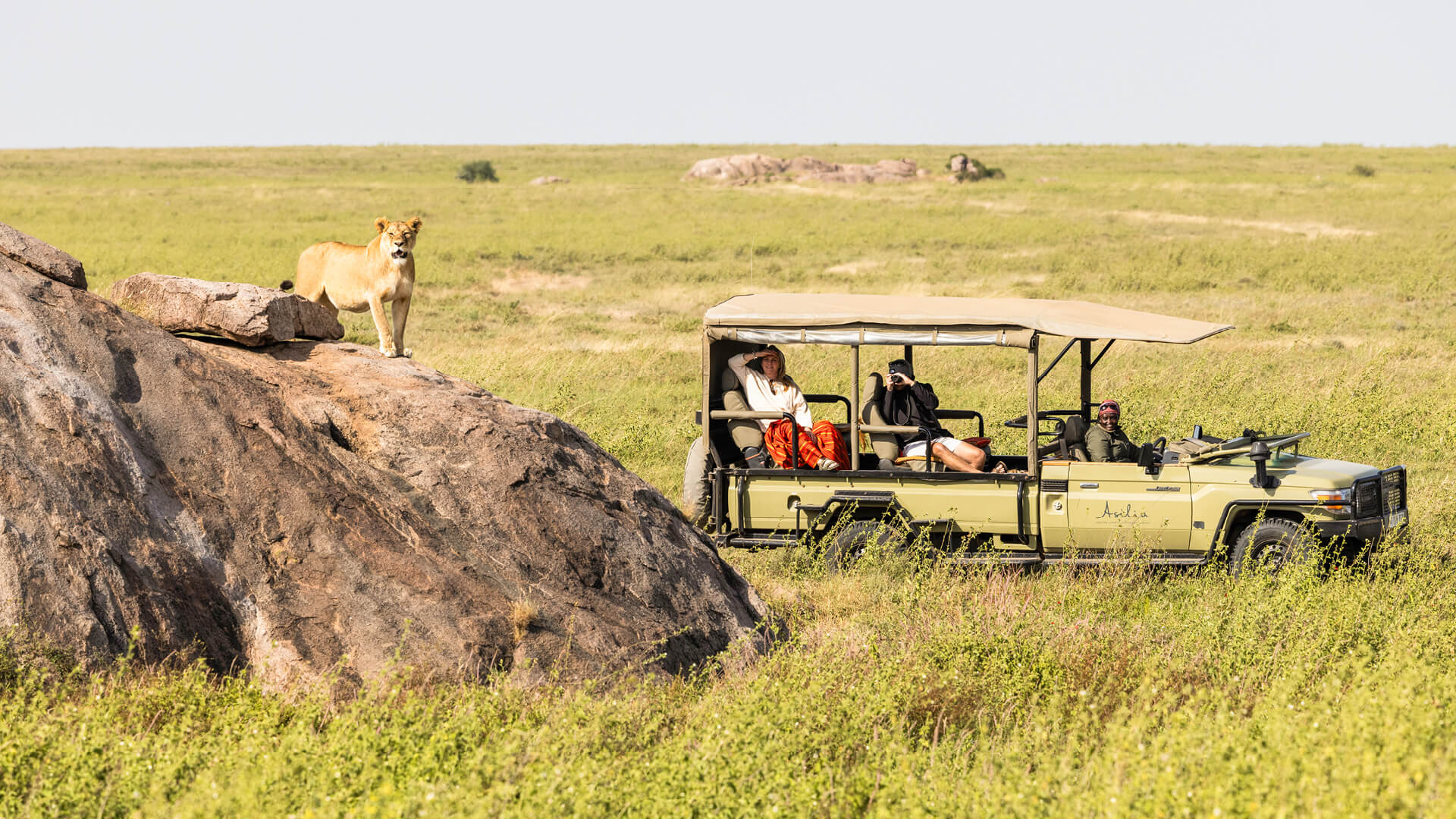 Safari Planning Guides
How to Plan a Safari for Wildlife Research
Discover how to plan your dream safari with our expert guide on How to Plan a Safari for Wildlife Research. Get tips on destinations, costs, and more.
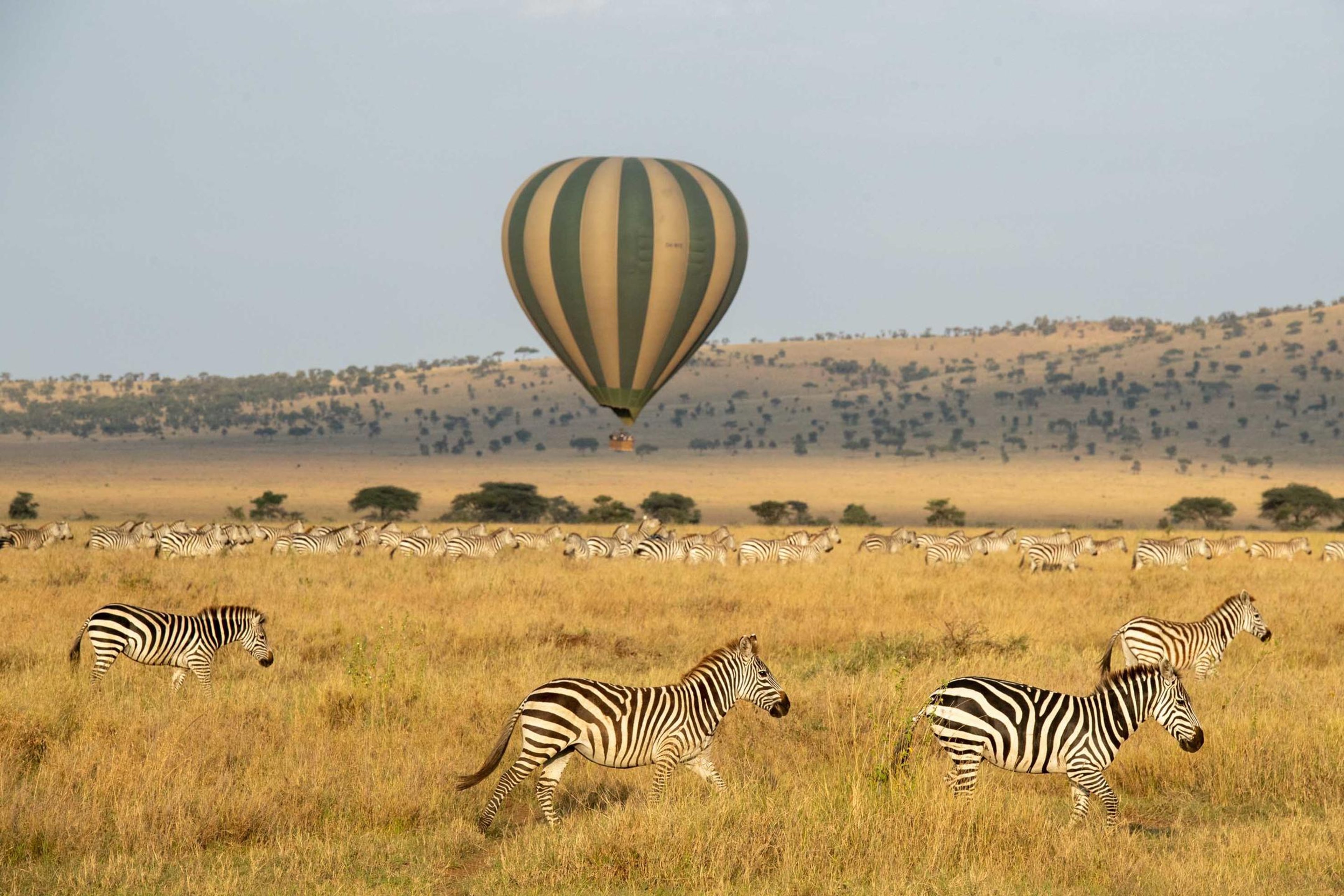 Safari Planning Guides
How to Plan a Safari for Wildlife Photography Beginners
Learn about how to plan a safari for wildlife photography beginners in this comprehensive safari guide covering key insights and practical advice.
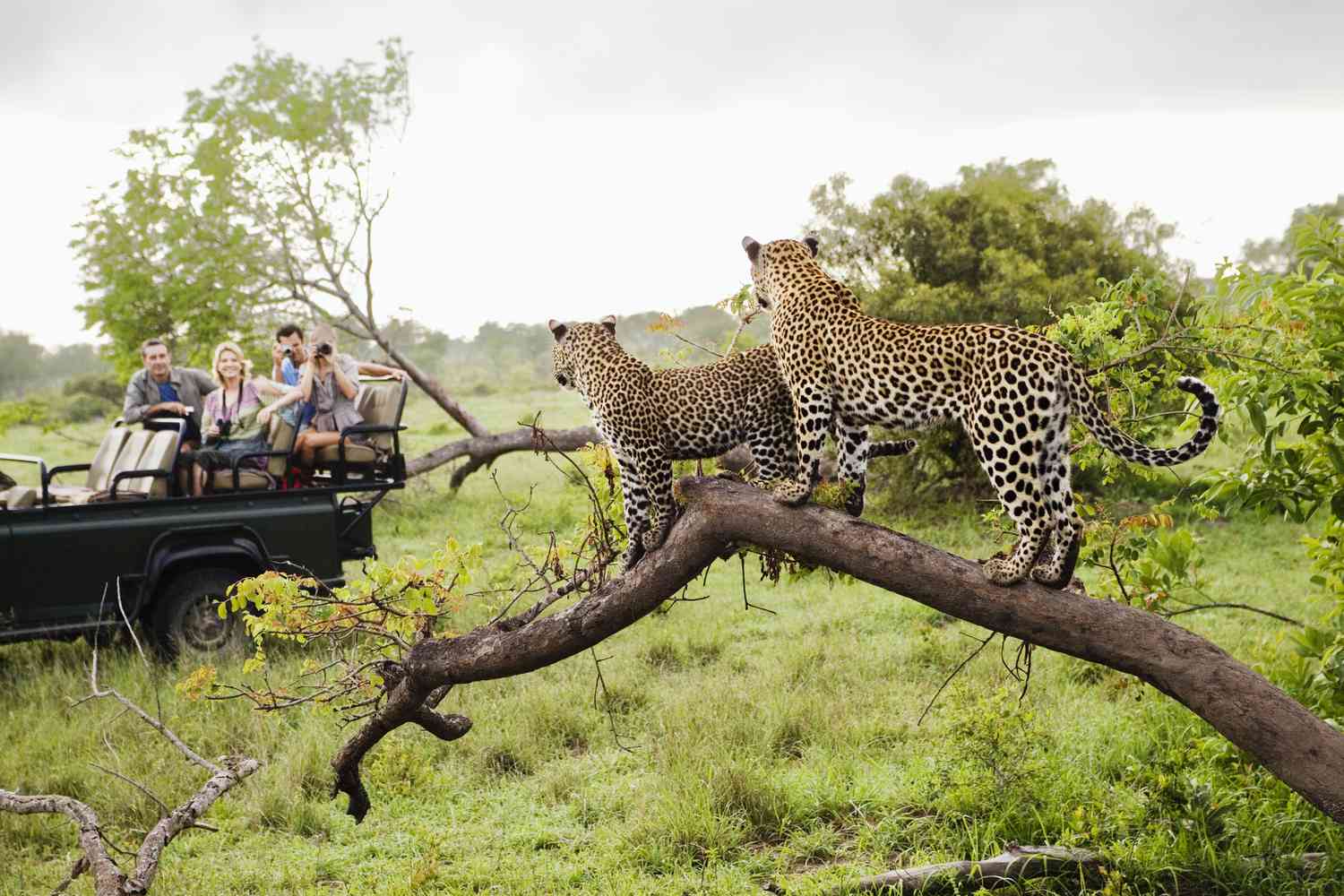 Safari Planning Guides
How to Plan a Safari for Experienced Wildlife Photographers
Learn about how to plan a safari for experienced wildlife photographers in this comprehensive safari guide covering key insights and practical advice.
 Safari Comparison Articles
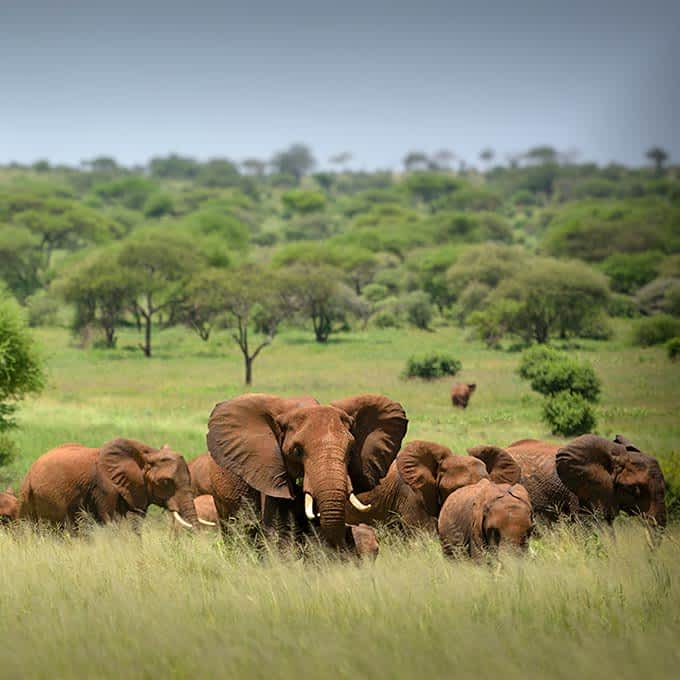
Birding Safari vs Wildlife Safari
An in-depth comparison of Birding Safari vs Wildlife Safari to help you choose the perfect safari experience. Explore the pros, cons, and key differences to mak
 Safari Comparison Articles
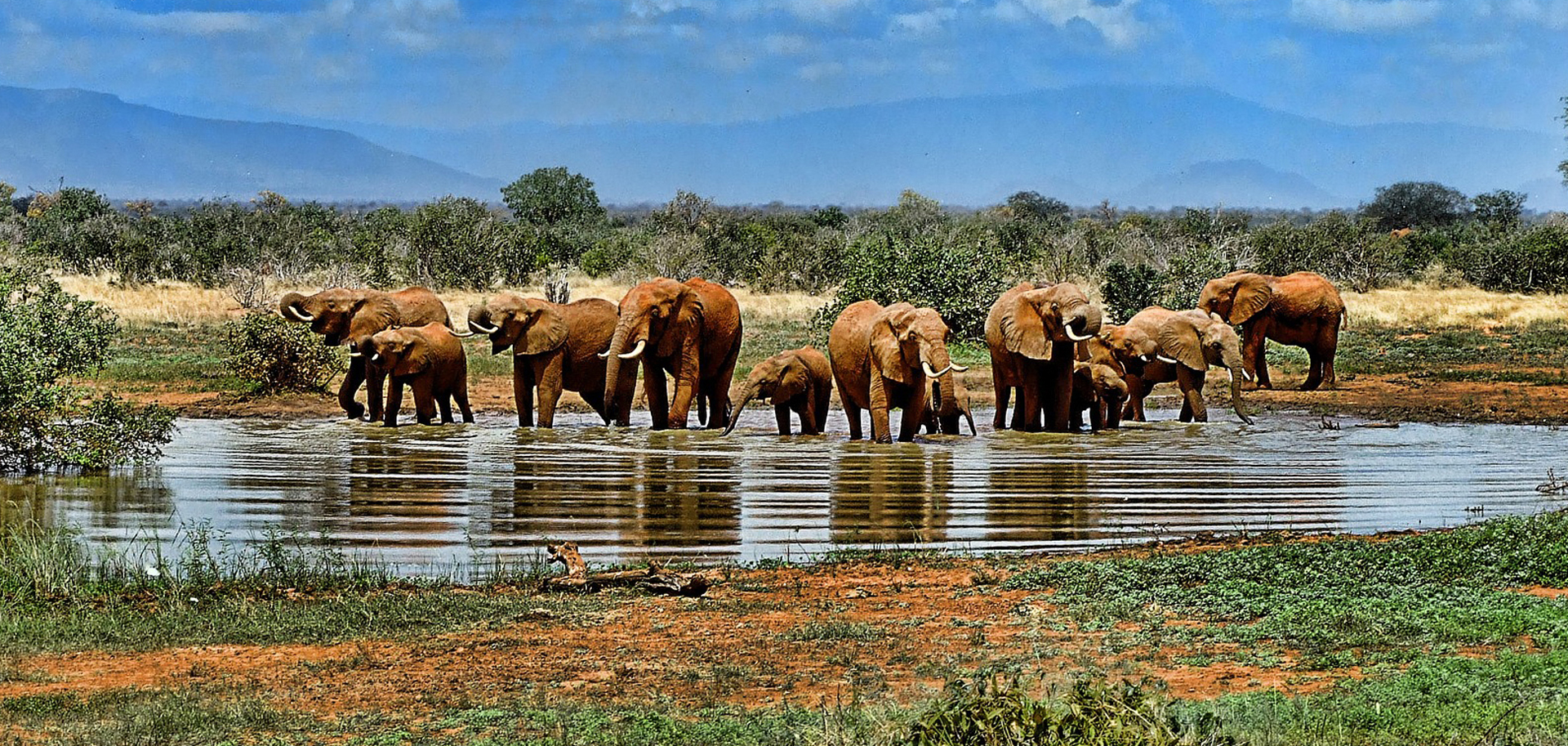
Cultural Safari vs Wildlife Safari
An in-depth comparison of Cultural Safari vs Wildlife Safari to help you choose the perfect safari experience. Explore the pros, cons, and key differences to ma
 Safari Comparison Articles
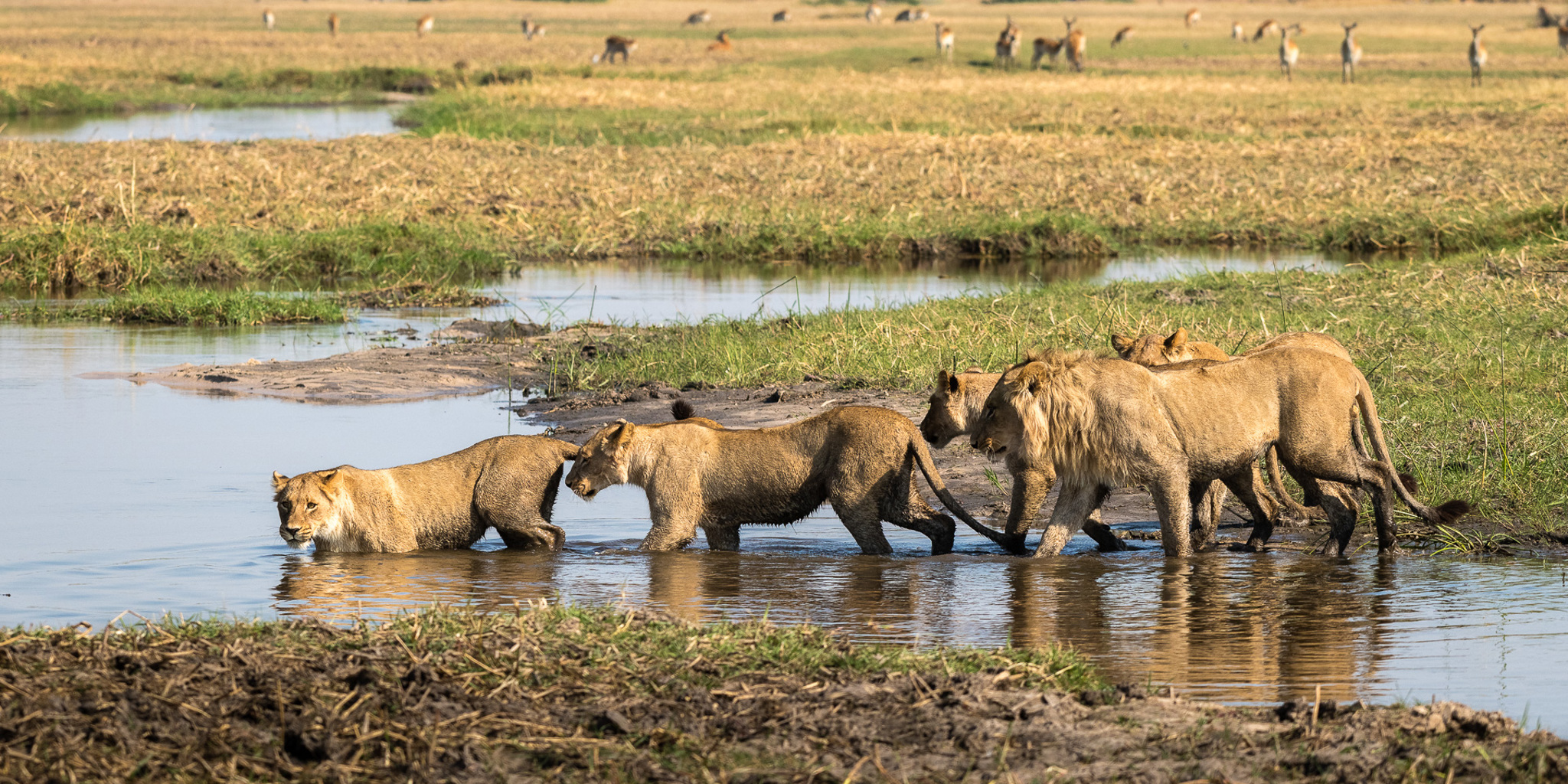
Predator-Focused Safari vs General Wildlife Safari
An in-depth comparison of Predator-Focused Safari vs General Wildlife Safari to help you choose the perfect safari experience. Explore the pros, cons, and key d