

Discover how to plan your dream safari with our expert guide on Safari Planning Guide for First-Time Travelers. Get tips on destinations, costs, and more.
Safari Planning Guide for First-Time Travelers
This is a placeholder for the unique content of the article titled 'Safari Planning Checklist for First-Time Travelers'. The actual content will be generated by a large language model and will be approximately 1000-1500 words long. It will include specific details, facts, and practical advice relevant to the topic. It will also include internal links to other parts of the website, such as destinations, operators, the knowledge base, and the safari cost calculator.
An African safari is a journey of a lifetime, but its success often hinges on meticulous planning. For first-time travelers, the sheer number of details can feel overwhelming. This comprehensive checklist breaks down the safari planning process into a manageable timeline, ensuring no critical step is missed. By following this guide, you can move from dreaming about the Serengeti to experiencing its wonders with confidence and peace of mind.
12-18 Months Out: Laying the Groundwork
The earliest phase of planning is about defining the vision for your safari. These foundational decisions will shape all subsequent choices.
Define Your Safari Priorities: What does your ideal safari look like? Are you hoping to witness the Great Migration in Tanzania or Kenya? Do you dream of tracking gorillas in Uganda or Rwanda? Perhaps you're drawn to the unique waterways of the Okavango Delta in Botswana. Make a list of must-see animals, landscapes, and experiences. This initial brainstorming is crucial for narrowing down your options. Read through our destinations guides to explore the possibilities.
Establish a Realistic Budget: Safari costs can vary dramatically, from a few thousand dollars to tens of thousands per person. Your budget will influence the destination, accommodation style (from rustic tented camps to ultra-luxurious lodges), and duration of your trip. Use our safari cost calculator to get a preliminary estimate. Be sure to account for international flights, park fees, accommodation, activities, visas, insurance, and spending money.
Research Prime Safari Seasons: The best time to visit a destination depends on your priorities. If you want to see river crossings during the Great Migration, you'll need to be in the northern Serengeti from July to October. If you prefer to avoid crowds and take advantage of lower prices, consider the "green season." This period often brings lush landscapes, newborn animals, and dramatic skies, offering a different but equally rewarding experience.
> Expert Insight: Don't underestimate the "shoulder seasons"—the months just before and after peak season. They often provide a fantastic balance of good weather, plentiful wildlife, and fewer tourists, giving you a more intimate safari experience.
Still researching? Let us help.
Our advisory team has planned safaris across 9 African countries. We can turn your research into a real plan.
Talk to an Advisor6-12 Months Out: Booking and Confirmations
With a clear vision and budget, it's time to make your plans concrete. This is the phase where you lock in the most critical components of your trip.
Choose Your Safari Partner: The single most important decision you'll make is who to trust with your safari. Will you book directly with a ground operator in Africa or work with a specialized safari planning guide? An experienced safari planning guide can be invaluable, offering unbiased guidance, vetting local operators, and handling all the logistical complexities. They act as your advocate, ensuring every detail aligns with your vision.
Finalize and Book Your Itinerary: Work with your chosen partner to refine your itinerary. This includes selecting specific lodges and camps, confirming the duration of your stay in each location, and scheduling internal flights or vehicle transfers. Once you are satisfied, you will pay a deposit (typically 20-30% of the trip cost) to secure your booking.
Secure International Flights: Once your safari dates are confirmed, book your international flights. Fares are often lowest when booked far in advance. Pay close attention to arrival and departure times to ensure they align with your safari schedule. Consider arriving a day early to recover from jet lag before your adventure begins.
Check Passport and Visa Requirements: Ensure your passport is valid for at least six months beyond your planned departure date and has at least two blank pages. Research the visa requirements for your destination country. Some countries offer visas on arrival, while others require an application in advance. This process can sometimes take several weeks, so it is critical to start early.
3-6 Months Out: Health, Insurance, and Gear
This period is focused on preparing for the practical realities of traveling to Africa.
Consult a Travel Health Specialist: Schedule an appointment with a travel clinic or your primary care physician to discuss necessary vaccinations and prophylactic medications, such as anti-malarials. Recommendations vary based on your destination, personal health history, and planned activities. Do this well in advance, as some vaccinations require a series of shots.
Purchase Comprehensive Travel Insurance: Travel insurance is non-negotiable for a safari. Your policy should include, at a minimum, trip cancellation/interruption, emergency medical evacuation, and medical expense coverage. Verify that the policy covers activities specific to your itinerary, such as hot air ballooning or walking safaris. The peace of mind this provides is priceless.
Begin Acquiring Safari Attire: Safari clothing is about function and comfort, not fashion. You'll need neutral-colored clothing (khaki, olive, tan) to blend in with the environment. Avoid bright colors, white, and camouflage patterns. Lightweight layers are key, as temperatures can fluctuate significantly from early morning game drives to midday heat. A good sun hat, comfortable walking shoes, and a warm fleece or jacket are essential.
> Traveler's Tip: You don't need a whole new wardrobe. Focus on a few key pieces: two pairs of comfortable trousers, a few long-sleeved shirts for sun and insect protection, and several t-shirts. Most safari camps offer laundry services, allowing you to pack light.
1-2 Months Out: Final Touches
As your departure date approaches, it's time to handle the final arrangements.
Arrange Home and Pet Care: If necessary, book a house sitter or pet sitter. Ensure they have all the information they need, including emergency contacts and your detailed itinerary.
Share Your Itinerary: Provide a copy of your itinerary, flight details, and contact information for your safari operator to a trusted family member or friend at home.
Start a Packing List: Begin a detailed packing list to avoid last-minute scrambling. Group items by category: clothing, toiletries, medical kit, electronics, and documents. This will help ensure you don’t forget crucial items like prescription medications, spare camera batteries, or power adapters.
Done Reading? Let's Build Your Safari.
Skip the guesswork. Work with an advisor who has been on the ground across East and Southern Africa.
Plan With UsThe Week Before Departure
The final countdown! This week is about double-checking everything and packing your bags.
Confirm All Flights: Reconfirm your international and internal flight schedules 72 hours before departure.
Organize Travel Documents: Pack your passport, visa, flight tickets, travel insurance documents, and a copy of your itinerary in your carry-on bag. It’s also wise to have digital copies saved to your phone or a secure cloud service.
Prepare Your Carry-On: Your carry-on should contain everything you can't live without for the first 24-48 hours of your trip. This includes a change of clothes, essential toiletries, all prescription medications, and your camera gear. Luggage can sometimes be delayed, and having these essentials with you is a critical buffer.
Download Offline Content: Download offline maps (Google Maps or Maps.me), books, and any relevant travel guides. Internet connectivity can be unreliable in remote safari locations.
By breaking down the planning process into these manageable steps, you can ensure a smooth, stress-free, and unforgettable first safari. For personalized help navigating this checklist, consider connecting with our team to plan your safari.
Need Expert Safari Guidance?
Get expert advisory support from a firm founded by a former safari guide — with real operational knowledge across 9 African countries and full-journey accountability.
Related Planning Guides
Recommended Reading
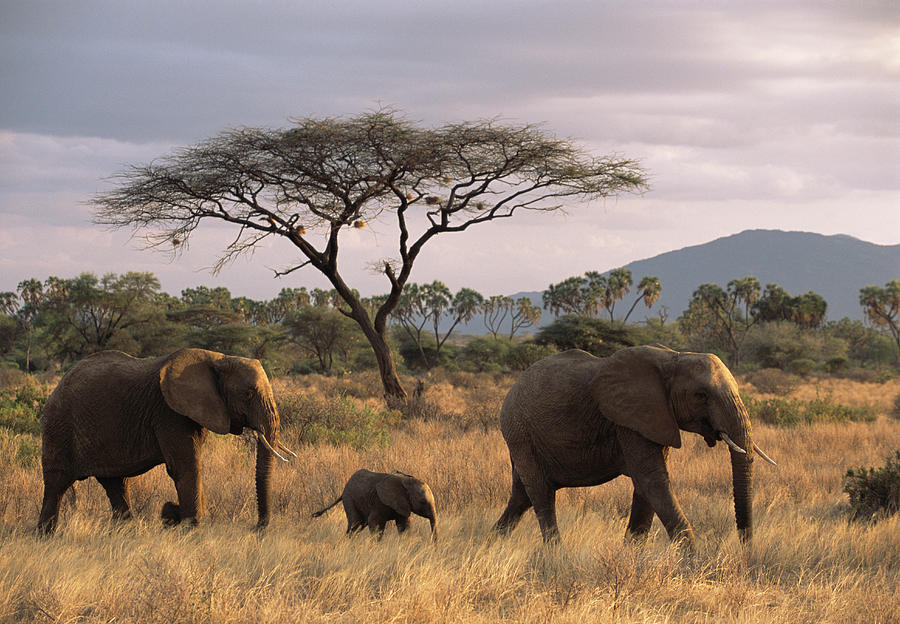 Safari Planning Guides
Safari Planning Guide for Returning Travelers
Discover how to plan your dream safari with our expert guide on Safari Planning Guide for Returning Travelers. Get tips on destinations, costs, and more.
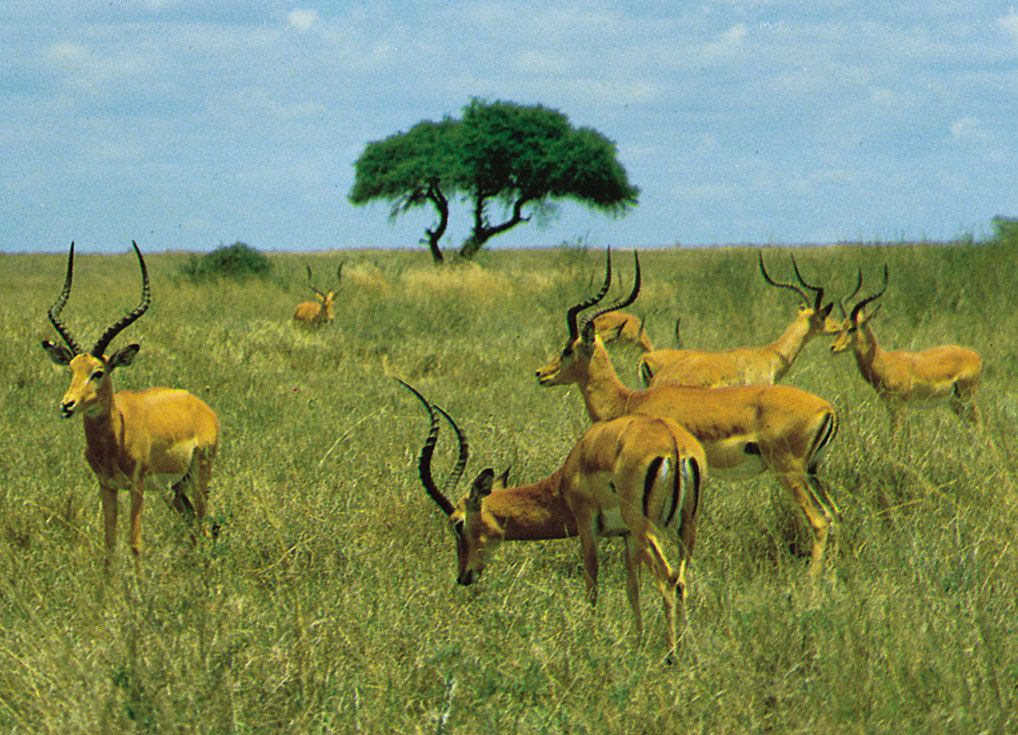 Safari Planning Guides
Safari Planning Guide for Luxury Travelers
Discover how to plan your dream safari with our expert guide on Safari Planning Guide for Luxury Travelers. Get tips on destinations, costs, and more.
 Safari Planning Guides
Safari Planning Guide for Budget Travelers
Discover how to plan your dream safari with our expert guide on Safari Planning Guide for Budget Travelers. Get tips on destinations, costs, and more.
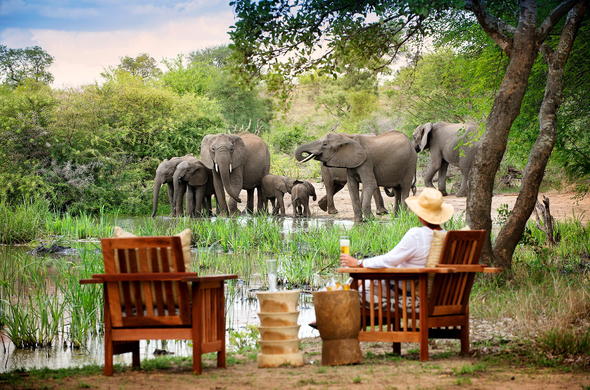 Safari Planning
Step-by-Step Guide to Planning an African Safari
Learn how to plan your first African safari with our step-by-step guide. We cover everything from choosing a destination to booking your trip and packing.
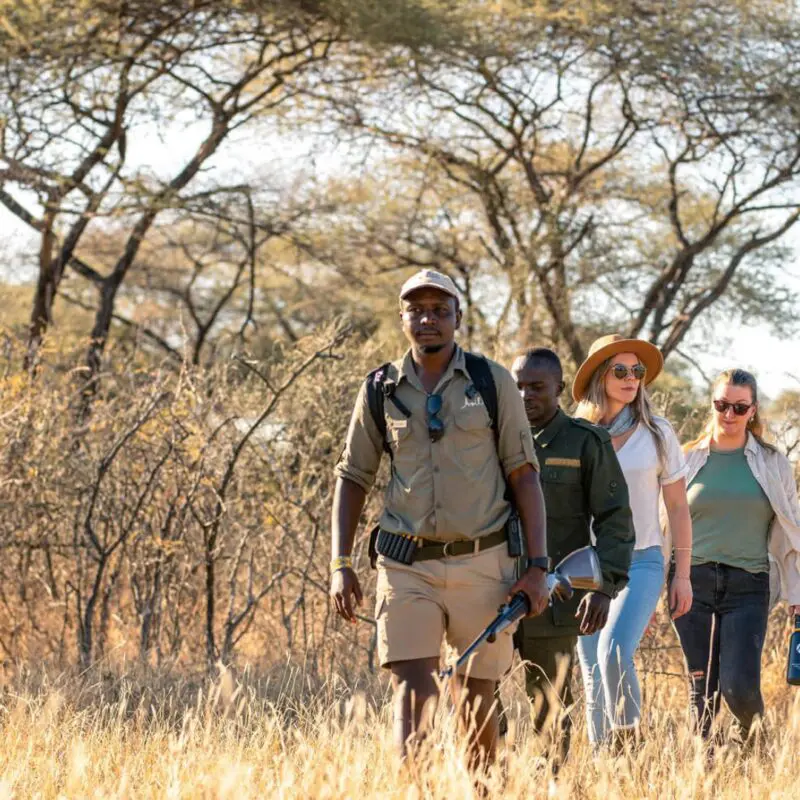 Safari Planning
Best Countries for First-Time Safari Travelers
Discover the best countries for a first-time safari. Our expert guide compares Tanzania, Kenya, South Africa, and more to help you plan your dream African adventure.
 Safari Travel Tips
Safari Travel Insurance Guide
Our comprehensive safari travel insurance guide explains why it\