
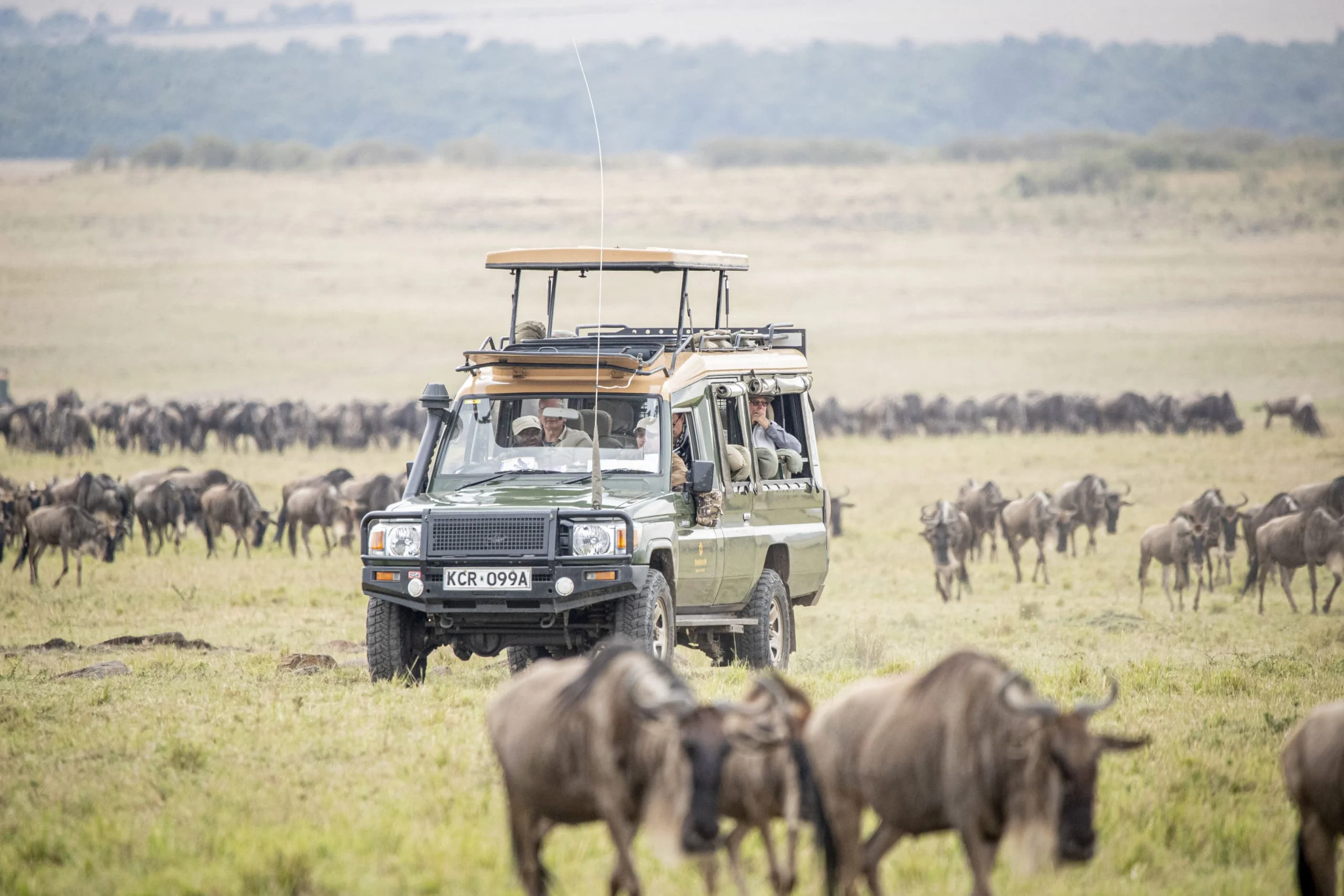
Learn about how to plan a safari for primate encounters in this comprehensive safari guide covering key insights and practical advice.
Overview
Planning a safari involves many moving parts, and how to plan a safari for primate encounters is one of the most important considerations. Whether you're a first-time visitor or a seasoned Africa traveler, this guide provides the practical knowledge you need to make informed decisions and create an unforgettable experience.
What You Need to Know
The nuances of how to plan a safari for primate encounters become apparent when you consider the range of experiences available across Africa's safari destinations. From the iconic Serengeti to the remote wilderness of Zambia's South Luangwa, each location brings its own perspective to this topic. Consulting with experienced safari operators helps you understand which options best match your preferences and expectations.
Still researching? Let us help.
Our advisory team has planned safaris across 9 African countries. We can turn your research into a real plan.
Talk to an AdvisorPractical Considerations
The practical application of how to plan a safari for primate encounters extends beyond the planning phase into the safari itself. Being well-informed allows you to make better decisions in real-time, whether that means choosing the right game drive timing, understanding animal behavior, or knowing when to ask your guide for more information. Preparation and knowledge transform a good safari into an extraordinary one. Start with our planning resources for a structured approach.
Expert Perspective
The safari industry's leading voices agree that how to plan a safari for primate encounters is an area where knowledge truly makes a difference. As conservation challenges evolve and tourism patterns shift, staying informed helps travelers make choices that benefit both their experience and the destinations they visit. Browse our operator directory to connect with companies that share this commitment to informed, responsible travel.
Next Steps
Whether you're in the early stages of dreaming about an African safari or actively finalizing your plans, understanding how to plan a safari for primate encounters contributes to a more rewarding experience. Use the resources available on Safari Intelligence, including our cost calculator, operator directory, and destination library, to build confidence in your planning decisions.
Done Reading? Let's Build Your Safari.
Skip the guesswork. Work with an advisor who has been on the ground across East and Southern Africa.
Plan With UsTop Destinations for Primate Encounters
Africa is home to a remarkable diversity of primates, but a few destinations stand out for their exceptional viewing opportunities. For those seeking the profound experience of encountering great apes, Uganda, Rwanda, and Tanzania are the undisputed leaders. Each offers a unique context for primate safaris, from the misty mountains of the Virungas to the dense forests of the Mahale Mountains.
Uganda: The Primate Capital of East Africa
Uganda is arguably the most diverse primate destination in Africa. It is most famous for its mountain gorilla population in Bwindi Impenetrable Forest National Park, which is home to nearly half of the world's remaining mountain gorillas. Bwindi offers a rugged, authentic trekking experience through thick vegetation. Beyond gorillas, Uganda is also the best place in the world for chimpanzee trekking, particularly in Kibale Forest National Park. Kibale boasts a high density of chimpanzees, and the chances of a successful sighting are very high. The park is also home to 12 other primate species, including the rare L'Hoest's monkey and the Ugandan red colobus.
> Expert Insight: For travelers with a deep interest in primates, a combined gorilla and chimpanzee trekking safari in Uganda offers an unparalleled experience. This can be seamlessly integrated with traditional wildlife viewing in Queen Elizabeth or Murchison Falls National Parks. For more on this, see our destinations page.
Rwanda: The Land of a Thousand Hills
Rwanda is renowned for its accessible and well-organized gorilla trekking in Volcanoes National Park. The park is part of the Virunga Massif, a chain of volcanic mountains that straddles the borders of Rwanda, Uganda, and the Democratic Republic of Congo. Gorilla trekking in Rwanda is generally considered less physically demanding than in Bwindi, with more open terrain. The country has also made a significant investment in high-end tourism, with luxurious lodges and a strong conservation focus. While gorilla trekking is the main draw, Nyungwe Forest National Park in the south is a stronghold for chimpanzees and a large troop of Angolan colobus monkeys.
Tanzania: Chimpanzees on the Lakeshore
Tanzania offers a very different primate experience, focused on chimpanzees in the remote western part of the country. Mahale Mountains National Park, on the shores of Lake Tanganyika, is home to a large population of chimpanzees that have been habituated by Japanese researchers over several decades. The experience here is unique, combining chimpanzee trekking with the idyllic setting of a freshwater lake. Gombe Stream National Park, made famous by Jane Goodall, is another option for chimpanzee encounters, though the park is smaller and the chimpanzee community is not as large as in Mahale.
> Traveler's Tip: A primate safari in Tanzania is a significant investment in time and money due to the remote location of the parks. It is best suited for seasoned safari travelers or those with a specific interest in chimpanzees. Our safari operators can help you determine if this is the right choice for you.
The Primate Trekking Experience: What to Expect
A primate trek is an active and immersive wildlife encounter. Unlike a game drive, you will be on foot, navigating through dense forest, often on steep and muddy terrain. The experience is both challenging and incredibly rewarding.
A typical trekking day begins early in the morning with a briefing at the park headquarters. You will be assigned to a small group and a team of experienced guides and trackers. The length and difficulty of the trek vary depending on the location of the primate family you are visiting. It can take anywhere from one to four hours, or sometimes longer, to find them.
Once you locate the primates, you will have a strictly enforced one-hour time limit to observe them. This is to minimize disturbance to the animals. During this hour, you will witness natural behaviors, from grooming and playing to foraging and social interactions. It is a deeply moving experience to observe our closest living relatives in their natural habitat.
Rules of Engagement
To protect the primates and ensure your safety, there are strict rules that must be followed:
- Maintain a safe distance: You will be required to stay at least 7 meters (23 feet) away from the animals at all times.
- No flash photography: Flash photography is not allowed as it can frighten or agitate the primates.
- Keep your voice low: You must remain quiet and avoid making sudden movements.
- If you are sick, you cannot trek: Primates are susceptible to human diseases, so you will not be allowed to trek if you have a cold, flu, or other contagious illness.
Following these rules is essential for the long-term conservation of these endangered species. For more information on responsible travel, visit our knowledge center.
Planning and Logistics
Planning a primate safari requires careful consideration of permits, timing, and costs. Primate trekking permits are limited and in high demand, so it is essential to book them well in advance, especially for peak season travel.
Permits and Costs
Gorilla trekking permits are the most expensive, with prices ranging from $700 in Uganda to $1,500 in Rwanda per person, per trek. Chimpanzee trekking permits are more affordable, typically costing between $150 and $250. These costs may seem high, but they directly fund the conservation of the primates and their habitats, as well as support local communities.
> Expert Insight: The cost of a primate safari can vary significantly. Use our cost calculator to get a preliminary estimate for your trip, and then connect with one of our safari operators to refine the details.
When to Go
The best time for primate trekking is during the dry seasons, from June to September and December to February. During these months, the forest trails are drier and less slippery, making the trek more manageable. However, trekking can be done year-round, and the rainy season offers its own advantages, including fewer crowds and lush, green landscapes.
By understanding the nuances of primate safaris, you can plan a trip that is not only thrilling but also contributes to the protection of these incredible animals. To start planning your own primate encounter, plan your safari with us today.
Need Expert Safari Guidance?
Get expert advisory support from a firm founded by a former safari guide — with real operational knowledge across 9 African countries and full-journey accountability.
Related Planning Guides
Recommended Reading
 Safari Planning Guides
How to Plan a Safari for Elephant Encounters
Learn about how to plan a safari for elephant encounters in this comprehensive safari guide covering key insights and practical advice.
 Safari Planning Guides
How to Plan a Safari With Ethical Wildlife Encounters
Learn about how to plan a safari with ethical wildlife encounters in this comprehensive safari guide covering key insights and practical advice.
 Safari Planning Guides
Safari Planning Guide for First-Time Travelers
Discover how to plan your dream safari with our expert guide on Safari Planning Guide for First-Time Travelers. Get tips on destinations, costs, and more.
 Safari Planning
Step-by-Step Guide to Planning an African Safari
Learn how to plan your first African safari with our step-by-step guide. We cover everything from choosing a destination to booking your trip and packing.
 Destination Guides
Best Safari Destinations for Primate Viewing
Discover everything you need to know about Best Safari Destinations for Primate Viewing. From wildlife and landscapes to lodges and activities, this guide cover
 Safari Planning
How to Plan Your First African Safari
Learn how to plan your first African safari with expert tips on destinations, timing, costs, and choosing the right operator.