
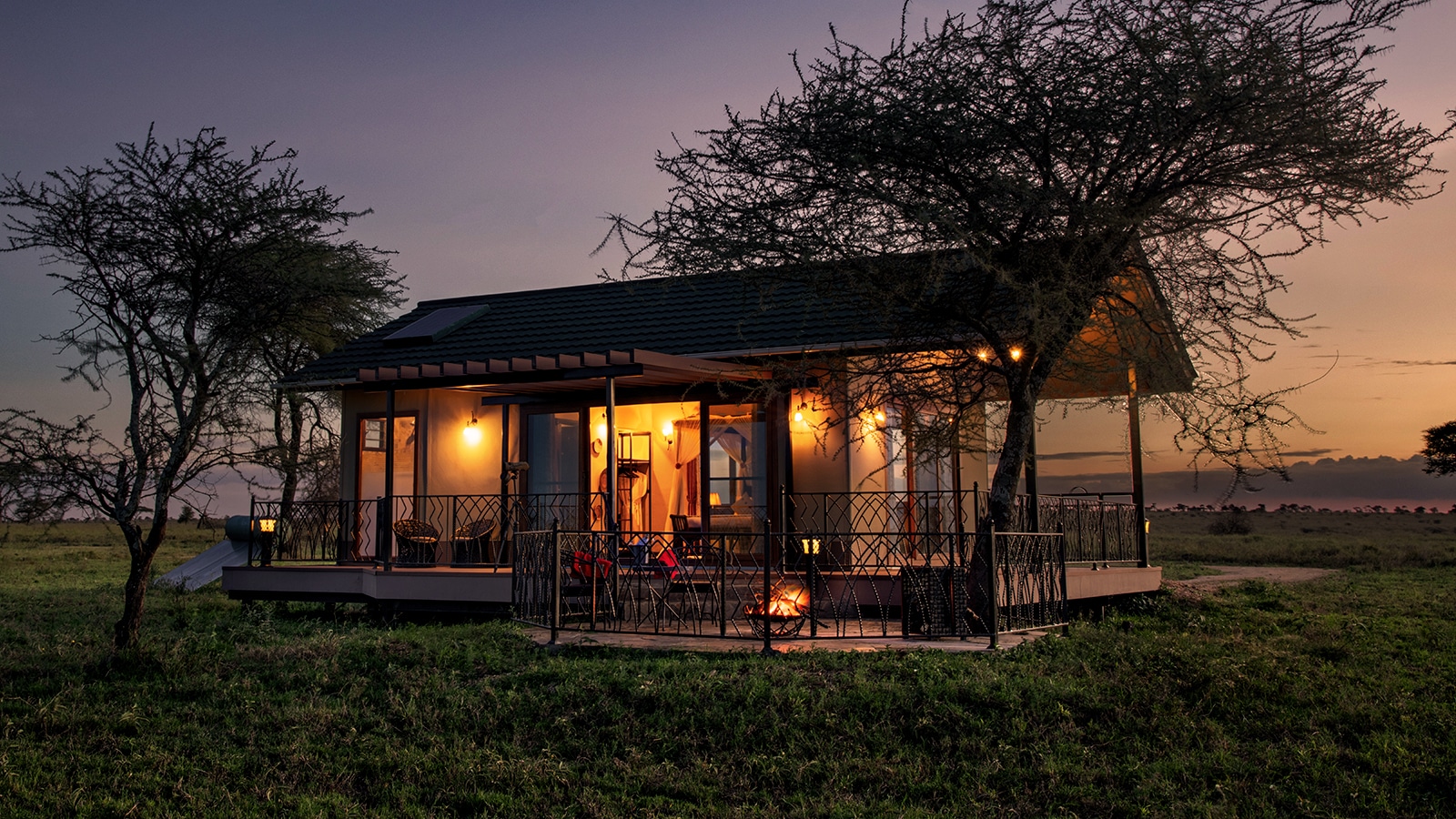
Learn about how to plan a safari for big cat viewing in this comprehensive safari guide covering key insights and practical advice.
Overview
Planning a safari involves many moving parts, and how to plan a safari for big cat viewing is one of the most important considerations. Whether you're a first-time visitor or a seasoned Africa traveler, this guide provides the practical knowledge you need to make informed decisions and create an unforgettable experience.
What You Need to Know
A deeper look at how to plan a safari for big cat viewing reveals important connections to other aspects of safari planning. Your choice of destination, timing, accommodation, and activities all influence each other, creating a web of decisions that benefit from expert guidance. Our knowledge center covers these interconnected topics comprehensively.
Still researching? Let us help.
Our advisory team has planned safaris across 9 African countries. We can turn your research into a real plan.
Talk to an AdvisorPractical Considerations
Implementing your understanding of how to plan a safari for big cat viewing means taking concrete steps during the planning process. Research thoroughly using reliable sources, compare multiple options, and don't rush your decisions. The best safari experiences are built on careful preparation and realistic expectations. Our team of safari operators can review your plans and offer suggestions based on decades of combined experience in African travel.
Expert Perspective
The safari industry's leading voices agree that how to plan a safari for big cat viewing is an area where knowledge truly makes a difference. As conservation challenges evolve and tourism patterns shift, staying informed helps travelers make choices that benefit both their experience and the destinations they visit. Browse our operator directory to connect with companies that share this commitment to informed, responsible travel.
Next Steps
As you continue planning your African safari, keep how to plan a safari for big cat viewing in mind as an important piece of the puzzle. The more you understand about the various aspects of safari travel, the better positioned you'll be to create an experience that exceeds your expectations. Explore our destinations, browse the knowledge center, and connect with our safari operators to take the next step in your journey.
Done Reading? Let's Build Your Safari.
Skip the guesswork. Work with an advisor who has been on the ground across East and Southern Africa.
Plan With UsUnderstanding Big Cat Behavior: Keys to Successful Sightings
To maximize your chances of seeing lions, leopards, and cheetahs, it helps to understand their natural behaviors and what drives their daily routines. While luck always plays a role in wildlife viewing, knowledge of animal behavior can turn a good safari into an exceptional one. Our safari operators build itineraries that align with these patterns, putting you in the right place at the right time.
Lions: As the most social of the big cats, lions live in prides that can range from a few individuals to over 20. They are most active during the cooler hours of the early morning and late afternoon. During the heat of the day, they are often found resting in the shade. Lions are territorial, and you may be lucky enough to hear them roaring at dawn or dusk—a sound that travels for miles and is used to communicate with other lions and proclaim their territory. When on a game drive, your guide will often check known lion territories and listen for these calls.
Leopards: These cats are masters of camouflage and are notoriously elusive. They are solitary and primarily nocturnal, hunting at night and resting during the day, often in trees. To spot a leopard, your guide will scan the branches of large trees, like sausage trees and acacia trees, where a leopard might be resting with its kill. Leopards are incredibly strong and will haul their prey up a tree to keep it safe from other predators like lions and hyenas. Safaris in private conservancies that allow night drives can significantly increase your chances of a leopard sighting.
Cheetahs: The fastest land animal, the cheetah, is a diurnal hunter, meaning it is most active during the day. This is to avoid competition with more powerful predators like lions and leopards. Cheetahs prefer open grasslands where they can use their incredible speed to chase down prey. A key sign to look for is a cheetah scanning its surroundings from a termite mound or a fallen tree, using the elevated position to spot potential prey and predators. Unlike other big cats, cheetahs have a unique social structure where males may form coalitions, while females are generally solitary unless with their cubs.
> Expert Insight: Understanding these behavioral differences is key. While you might find lions resting in the open, a leopard sighting often requires a more patient and focused search. Our safari operators work with guides who are experts in tracking and understanding these animals, which is a critical component of a successful big cat safari.
Top Destinations for Big Cat Viewing: Where to Go
While big cats can be found across many parts of Africa, certain destinations offer a higher concentration and more reliable sightings. The ideal location for your safari will depend on which cats you are most interested in seeing and your preferred style of travel. Our destinations page offers a comprehensive overview of safari countries, but here are a few of the top spots for a big cat-focused itinerary:
1. Maasai Mara National Reserve, Kenya: The Maasai Mara is world-renowned for its healthy lion and cheetah populations. The open savanna grasslands are the perfect hunting ground for cheetahs, and the Mara River is a dramatic backdrop for predator-prey interactions, especially during the Great Migration (typically July to October). The adjoining private conservancies, such as Mara North and Naboisho, offer exclusive viewing experiences with fewer vehicles and the opportunity for night drives, which significantly increases your chances of spotting a leopard.
2. Serengeti National Park, Tanzania: Sharing the same ecosystem as the Maasai Mara, the Serengeti is another top-tier destination for big cats. The vast, open plains of the Southern Serengeti are where the wildebeest herds gather for calving season (January to March), attracting a high density of predators. The Seronera Valley in the Central Serengeti is known for its large lion prides and resident leopards. For a truly immersive experience, a mobile camp that follows the migration can offer unparalleled big cat viewing.
3. Sabi Sand Game Reserve, South Africa: If seeing a leopard is at the top of your list, the Sabi Sand is arguably the best place in the world. The leopards in this private reserve are habituated to vehicles, allowing for incredibly close and relaxed sightings. The reserve shares an unfenced border with Kruger National Park, allowing animals to move freely. The quality of guiding in the Sabi Sand is exceptional, with trackers and guides who are experts at finding and interpreting animal behavior.
4. Okavango Delta, Botswana: The Okavango Delta offers a unique safari experience where you can view big cats in a wetland environment. The floodplains and islands of the Delta are home to large lion prides that have adapted to hunting in the water. Cheetahs can be found on the drier plains, and leopards are often seen in the dense riverine forests. A combination of land- and water-based activities provides a varied and exciting safari.
> Traveler's Tip: For a well-rounded big cat safari, consider combining different destinations. For example, a trip that includes both the Serengeti and the Sabi Sand would offer excellent opportunities to see all three of Africa's big cats in two very different environments. Our safari operators can help you design a custom itinerary that maximizes your wildlife viewing opportunities.
The Critical Role of Your Safari Guide
A successful big cat safari is not just about being in the right location; it's about having the right guide. An expert guide is the single most important factor in the quality of your wildlife sightings. They are not just drivers; they are trained naturalists, skilled trackers, and passionate conservationists who can interpret the environment and anticipate animal movements.
What Makes a Great Guide?
- Tracking Skills: A top guide can read the signs of the bush—fresh tracks, alarm calls from birds or monkeys, and the behavior of other animals—to locate predators. They understand the territories and habits of the local big cats.
- Patience and Strategy: Finding a leopard in a tree or a cheetah on the hunt requires patience. A great guide knows when to wait, when to move, and how to position the vehicle for the best viewing and photographic opportunities without disturbing the animals.
- A Deeper Connection: The best guides offer more than just sightings. They provide a narrative, explaining the behaviors you are witnessing, the family dynamics of a lion pride, or the challenges a cheetah faces. This transforms your safari from a checklist of sightings into a deeply engaging and educational experience.
At Safari Intelligence, we partner with camps and lodges that employ some of the most respected guides in the industry. When you plan your safari with us, you are not just booking a trip; you are gaining access to a network of professionals dedicated to providing an exceptional wildlife experience.
Need Expert Safari Guidance?
Get expert advisory support from a firm founded by a former safari guide — with real operational knowledge across 9 African countries and full-journey accountability.
Related Planning Guides
Recommended Reading
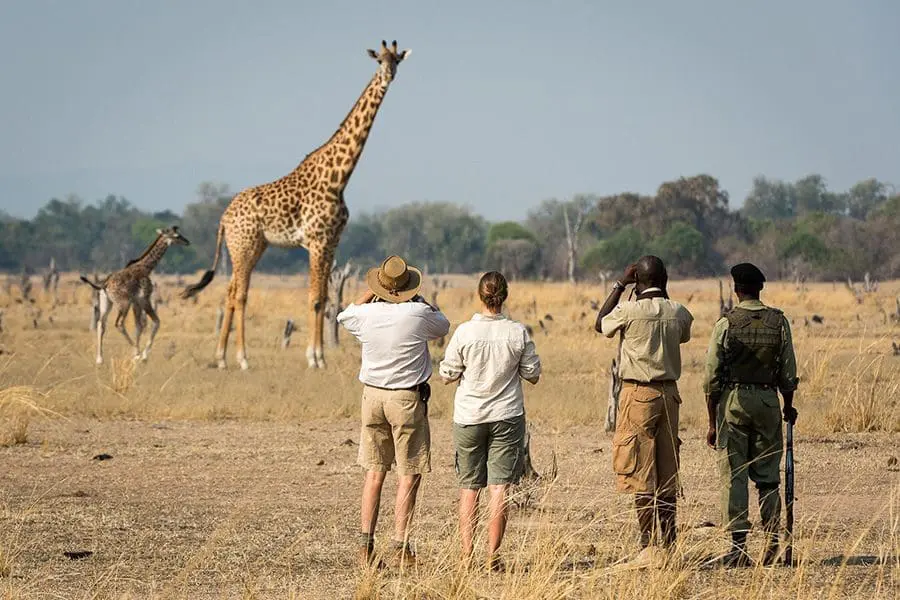 Destination Guides
Best Safari Destinations for Big Cat Viewing
Your complete guide to Best Safari Destinations for Big Cat Viewing. Find the best destinations, planning tips, and more for your next safari adventure.
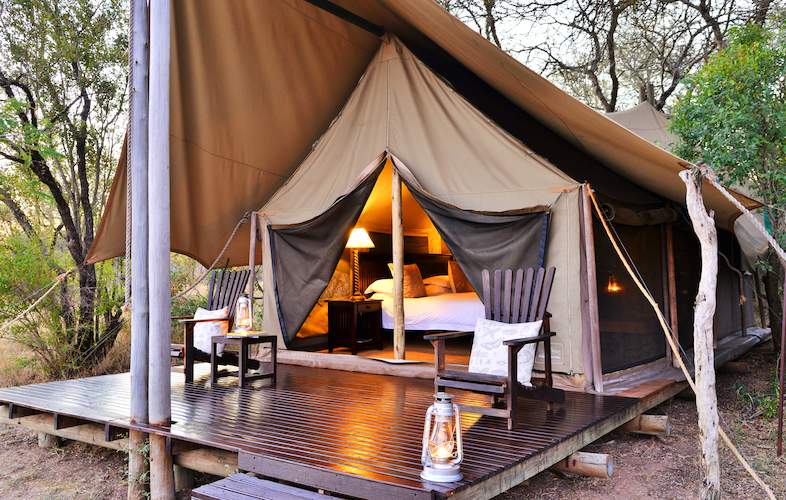 Safari Planning Guides
How to Plan a Safari for Night Wildlife Viewing
Learn about how to plan a safari for night wildlife viewing in this comprehensive safari guide covering key insights and practical advice.
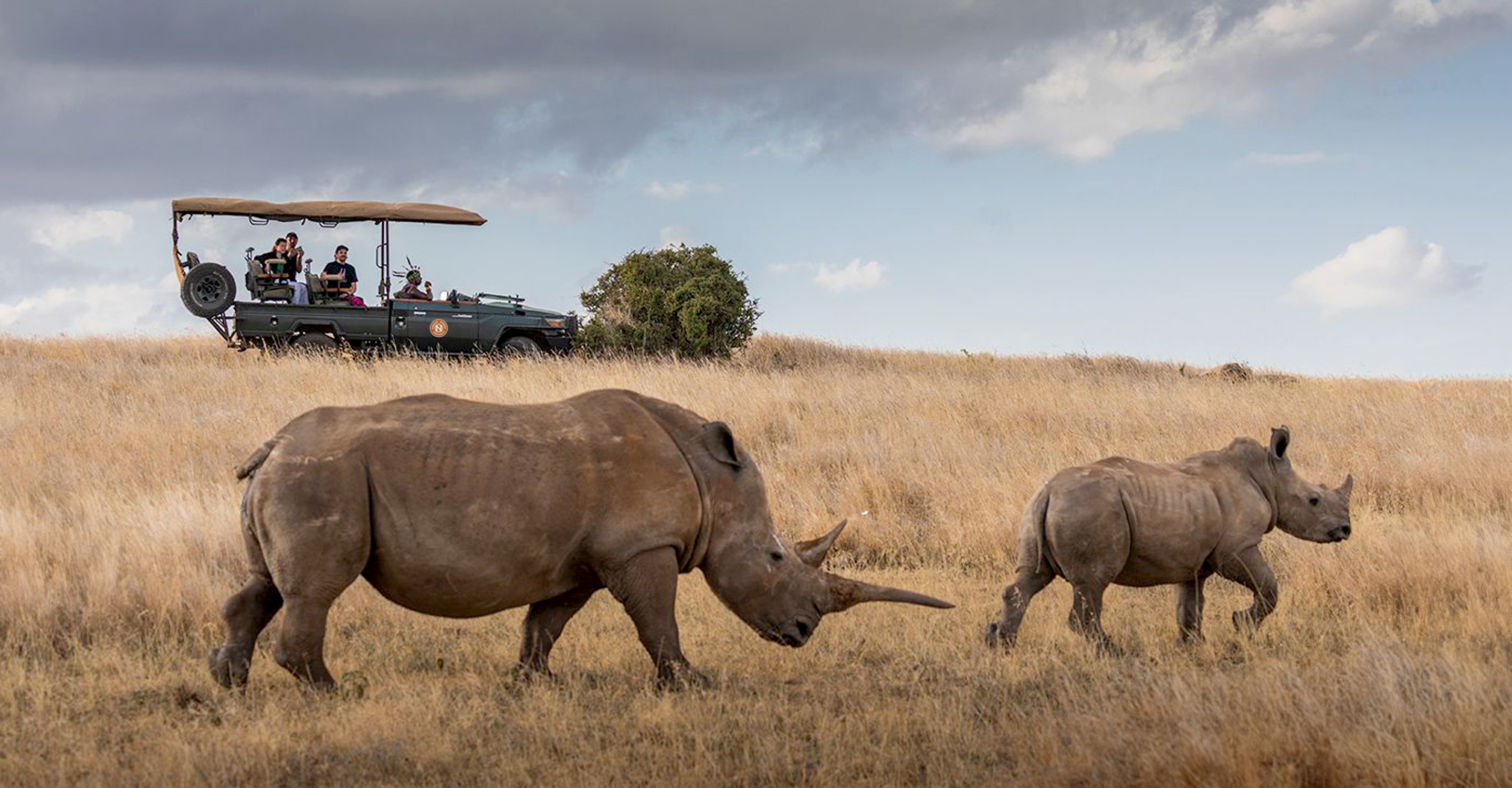 Safari Comparison Articles
Big Five Safari vs Big Cat Safari
An in-depth comparison of Big Five Safari vs Big Cat Safari to help you choose the perfect safari experience. Explore the pros, cons, and key differences to mak
 Packing & Preparation
Safari Communication Plan for Families
Learn all about Safari Communication Plan for Families in this comprehensive guide.
 Safari Planning Guides
Safari Planning Guide for First-Time Travelers
Discover how to plan your dream safari with our expert guide on Safari Planning Guide for First-Time Travelers. Get tips on destinations, costs, and more.
 Safari Planning Guides
Safari Planning Guide for Returning Travelers
Discover how to plan your dream safari with our expert guide on Safari Planning Guide for Returning Travelers. Get tips on destinations, costs, and more.