
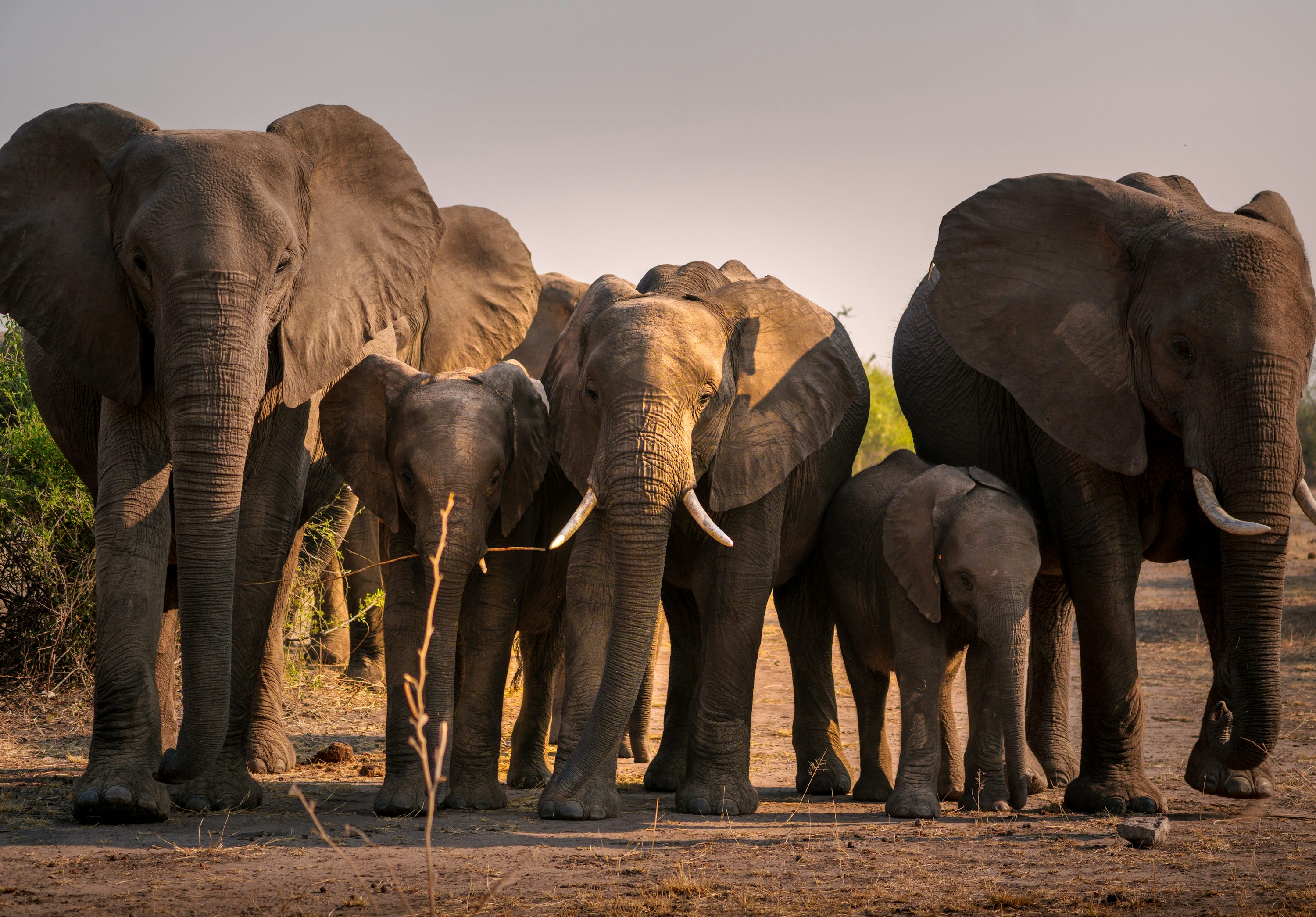
Discover how to plan your dream safari with our expert guide on How to Plan a Safari for the First Time Without an Agent. Get tips on destinations, costs, and more.
How to Plan a Safari for the First Time Without an Agent
This is a placeholder for the unique content of the article titled 'How to Plan a Safari for the First Time Without an Agent'. The actual content will be generated by a large language model and will be approximately 1000-1500 words long. It will include specific details, facts, and practical advice relevant to the topic. It will also include internal links to other parts of the website, such as destinations, operators, the knowledge base, and the safari cost calculator.
_Planning a safari on your own can be a rewarding experience, offering a sense of adventure and control over your itinerary. However, the complexities of coordinating travel in remote parts of Africa can be daunting. This guide provides a structured approach to help you navigate the planning process, ensuring you create a memorable and seamless safari experience._
Phase 1: Foundational Research and Destination Deep Dive
The first step in planning your safari is to decide where and when you want to go. Africa is a vast continent with an incredible diversity of wildlife, landscapes, and cultures. Your choice of destination will shape your entire experience.
Choosing Your Ideal Safari Country
Start by considering what you want to see and do. Are you dreaming of witnessing the Great Migration? Then Kenya or Tanzania are your top choices. Are you fascinated by the unique ecosystem of the Okavango Delta? Then Botswana is the place for you. For those seeking a more rugged and remote adventure, Zambia or Namibia might be a better fit.
Here’s a quick overview of some popular safari destinations:
- Kenya: Home to the iconic Maasai Mara, known for its abundant wildlife and the Great Migration. Explore other parks like Amboseli for its large elephant herds against the backdrop of Mount Kilimanjaro, or Samburu for its unique northern species.
- Tanzania: The Serengeti is the main draw, offering a vast stage for the Great Migration. Don’t miss the Ngorongoro Crater, a UNESCO World Heritage site with a dense concentration of wildlife. For a more off-the-beaten-path experience, consider the southern parks of Selous and Ruaha.
- Botswana: Famous for the Okavango Delta, a labyrinth of waterways best explored by mokoro (traditional canoe). Chobe National Park is another highlight, with one of the largest elephant populations in Africa.
- South Africa: Offers a wide range of safari experiences, from the world-renowned Kruger National Park to private game reserves like Sabi Sand. It’s also a great option for combining a safari with other attractions, such as Cape Town and the Winelands.
> Expert Insight: When researching destinations, look beyond the famous parks. Many countries have hidden gems that offer a more intimate and exclusive safari experience. Our destinations guide provides in-depth information on a wide range of safari locations.
Understanding Seasonality
The timing of your safari is crucial. The dry season is generally the best time for wildlife viewing, as animals congregate around water sources and the vegetation is less dense. However, the wet season, or “green season,” has its own advantages, including lower prices, fewer crowds, and the opportunity to see newborn animals and migratory birds.
Here’s a general guide to seasonality in East and Southern Africa:
| Region | Dry Season | Wet Season | Best for… | | --------------- | --------------- | --------------- | --------------------------------------------- | | East Africa | June to October | November to May | Great Migration (Kenya/Tanzania) | | Southern Africa | May to October | November to April | Okavango Delta water levels (Botswana) |
> Traveler's Tip: If you’re on a budget, consider traveling during the shoulder seasons (the months just before and after the peak season). You’ll still have great wildlife viewing opportunities but with lower accommodation and tour costs.
Still researching? Let us help.
Our advisory team has planned safaris across 9 African countries. We can turn your research into a real plan.
Talk to an AdvisorPhase 2: Budgeting and Booking
Once you have a clear idea of where and when you want to go, the next step is to create a budget and start booking your accommodations and activities. This is often the most time-consuming part of planning a safari without an agent, but with careful research, you can find options that fit your budget and travel style.
Creating a Realistic Safari Budget
Your safari budget will depend on several factors, including the level of luxury you’re looking for, the length of your trip, and the activities you want to do. Here’s a breakdown of the main costs to consider:
- Accommodation: This will likely be your biggest expense. Safari lodges and camps can range from basic tented camps to ultra-luxurious lodges with private plunge pools. Prices can vary from $200 to over $2,000 per person per night.
- Park Fees: Most national parks and game reserves charge a daily entrance fee, which can range from $50 to $100 per person per day.
- Activities: Game drives are usually included in your accommodation rate, but other activities like guided walks, hot air balloon safaris, and cultural visits may cost extra.
- Transportation: This includes international flights to your destination country, as well as domestic flights or vehicle hire to get to the safari parks.
- Food and Drinks: Most safari lodges and camps are all-inclusive, but it’s always a good idea to budget for extra drinks and snacks.
> Expert Insight: Our safari cost calculator is a great tool for estimating the cost of your trip. You can input your preferred destination, travel style, and activities to get a personalized budget.
Booking Accommodations and Activities
When booking your accommodations, it’s important to read reviews and compare prices. Websites like TripAdvisor and Booking.com can be useful, but it’s also a good idea to book directly with the lodge or camp. This can sometimes get you a better rate and allows you to ask specific questions about the property.
When it comes to activities, it’s best to book in advance, especially during the peak season. This is particularly true for popular activities like gorilla trekking in Uganda or Rwanda, where permits are limited and can sell out months in advance.
> Traveler's Tip: Don’t be afraid to negotiate. While prices for accommodation and activities are often fixed, you may be able to get a discount if you’re booking a longer stay or traveling in a group.
Phase 3: Nailing the Logistics
With your destinations and bookings in place, it’s time to focus on the practical details that will ensure a smooth journey. This phase covers everything from transportation within Africa to packing the right gear.
Navigating Transportation
Getting around Africa can be an adventure in itself. For long distances between major hubs, regional flights are often the most efficient option. Airlines like Ethiopian Airlines, Kenya Airways, and South African Airways have extensive networks. For shorter hops between national parks and remote lodges, you'll likely rely on smaller charter flights, often booked through your accommodation.
If you're on a tighter budget and have more time, overland travel is an option. In countries like South Africa and Namibia, renting a 4x4 vehicle for a self-drive safari is a popular and rewarding choice. However, this requires confident driving skills, experience with rough terrain, and meticulous planning for fuel, water, and accommodation.
> Expert Insight: When booking charter flights, be mindful of strict luggage restrictions. Most small aircraft limit baggage to 15-20 kg (33-44 lbs) per person, and bags must be soft-sided (no hard-shell suitcases) to fit in the small cargo holds.
Packing for Success
Packing for a safari is an art of balancing preparedness with minimalism. The key is to use layers and choose neutral-colored clothing (khaki, olive, brown) to blend in with the environment and avoid attracting insects. Bright colors and white are generally discouraged on game drives.
Here is a foundational packing list:
- Clothing: Lightweight long-sleeved shirts and trousers for sun and insect protection, a warm fleece or jacket for cool mornings and evenings, a waterproof jacket, comfortable walking shoes, and a hat.
- Health & Safety: A personal first-aid kit with insect repellent (containing DEET), sunscreen, pain relievers, and any personal medications. Consult your doctor about necessary vaccinations and malaria prophylaxis well in advance.
- Gear: A good pair of binoculars is non-negotiable for wildlife viewing. A quality camera with a zoom lens will help you capture those incredible moments. Don't forget a headlamp for navigating your camp at night and a portable power bank to keep your electronics charged.
> Traveler's Tip: Decant your toiletries into smaller, reusable travel-sized bottles to save space and reduce plastic waste. Many safari lodges provide basic amenities, so check what's included before you pack.
The DIY Challenge: Is Planning Without an Agent Right for You?
While planning a safari independently can be fulfilling, it's essential to weigh the pros and cons honestly. The biggest advantage is the potential for cost savings by cutting out agent fees and having direct control over every booking. You can tailor the itinerary precisely to your interests.
However, the downsides can be significant. The time investment required for research and booking is substantial. You'll be responsible for coordinating all transfers, which can be complex in remote areas. If something goes wrong—a missed flight, a vehicle breakdown, a booking error—you are your own troubleshooter. A reputable safari planning guide, on the other hand, provides a safety net and leverages their on-the-ground relationships to resolve issues swiftly.
Consider using a safari planning guide if:
- You are short on time and value expert guidance.
- This is your first trip to Africa and the logistics feel overwhelming.
- You are planning a complex, multi-country itinerary.
- You want the peace of mind that comes with having an expert advocate.
Ultimately, the decision to plan a safari without an agent depends on your experience, risk tolerance, and the amount of time you can dedicate to the process. For a deeper dive into this topic, visit our knowledge center.
If you're ready to take the next step, our plan your safari tool can help you start building your dream itinerary, with or without an agent's help.
Need Expert Safari Guidance?
Get expert advisory support from a firm founded by a former safari guide — with real operational knowledge across 9 African countries and full-journey accountability.
Related Planning Guides
Recommended Reading
 Safari Planning Guides
Safari Planning Guide for First-Time Travelers
Discover how to plan your dream safari with our expert guide on Safari Planning Guide for First-Time Travelers. Get tips on destinations, costs, and more.
 Safari Planning Guides
How to Plan a Safari for First-Time Visitors to Africa
Learn about how to plan a safari for first-time visitors to africa in this comprehensive safari guide covering key insights and practical advice.
Safari PlanningHow to Plan Your First African Safari
Learn how to plan your first African safari with expert tips on destinations, timing, costs, and choosing the right operator.
 Safari Comparison Articles
First-Time Safari vs Repeat Safari
An in-depth comparison of First-Time Safari vs Repeat Safari to help you choose the perfect safari experience. Explore the pros, cons, and key differences to ma
 Safari Planning
Safari Planning Timeline – When to Book Your Trip
Learn the ideal safari planning timeline for booking your African adventure. Our guide covers when to book for the best lodges, prices, and experiences.
 Safari Planning
Best Countries for First-Time Safari Travelers
Discover the best countries for a first-time safari. Our expert guide compares Tanzania, Kenya, South Africa, and more to help you plan your dream African adventure.