
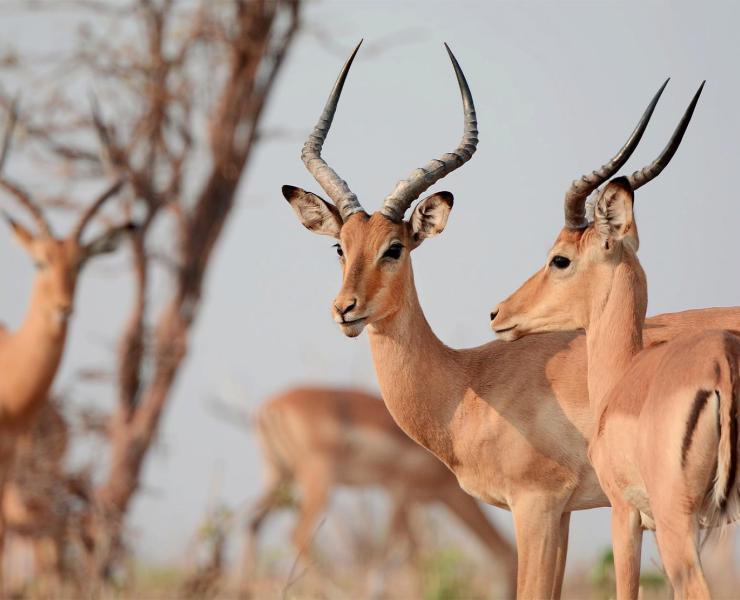
Your complete guide to Best Safari Destinations for Elephant Viewing. Find the best destinations, planning tips, and more for your next safari adventure.
Best Safari Destinations for Elephant Viewing
Africa offers some of the most incredible wildlife experiences on Earth, and getting best safari destinations for elephant viewing right is essential to making the most of your journey. Here is what experienced safari guides and advisors recommend.
Making the Most of Your Experience
Photography enthusiasts should pay special attention to best safari destinations for elephant viewing as it relates to their equipment and technique. The lighting conditions, distances, and movement patterns of African wildlife create unique challenges and opportunities that benefit from advance preparation.
Finally, remember that a safari is more than just wildlife viewing. The cultural experiences, landscapes, and personal connections you make along the way are equally valuable. Approaching best safari destinations for elephant viewing with this broader perspective will enrich your entire journey.
Still researching? Let us help.
Our advisory team has planned safaris across 9 African countries. We can turn your research into a real plan.
Talk to an AdvisorSeasonal Factors and Timing
Peak season brings excellent wildlife viewing but also higher prices and more crowded parks. Shoulder seasons offer a balance of good conditions and fewer crowds. Understanding how seasonal factors affect best safari destinations for elephant viewing helps you choose the optimal time for your specific priorities.
The timing of your safari significantly impacts best safari destinations for elephant viewing. Dry season months, typically June through October in most East African destinations, offer different conditions than the green season months of November through May. Each period has distinct advantages and considerations.
Understanding the Fundamentals: Best Safari Destinations for Elephant Viewing
Experienced safari operators emphasize that preparation is the single most important factor in best safari destinations for elephant viewing. This means doing your research well in advance, consulting with knowledgeable advisors, and being willing to adapt your plans based on current conditions. The best safari experiences come from travelers who approach their journey with both enthusiasm and informed flexibility.
The foundation of best safari destinations for elephant viewing begins with understanding the basic principles. Safari environments across Africa present unique conditions that differ significantly from what most travelers are accustomed to. In East Africa, the vast savannas of Kenya and Tanzania create one set of considerations, while the dense forests of Uganda and Rwanda present entirely different challenges. Southern African destinations like Botswana and South Africa add yet another dimension.
Regional Considerations Across Africa: Best Safari Destinations for Elephant Viewing
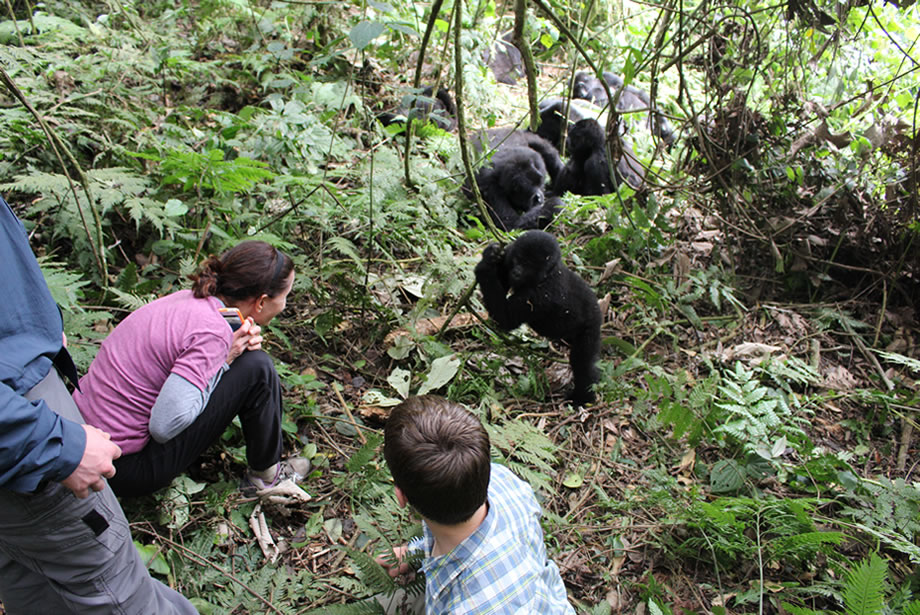
Central and West African destinations, including Uganda, Rwanda, and the Congo, offer specialized experiences like gorilla trekking that bring their own set of requirements. These destinations often involve more challenging terrain and different logistical considerations compared to the classic savanna safari.
East African safaris, particularly in Kenya and Tanzania, have their own distinct approach to best safari destinations for elephant viewing. The Serengeti-Mara ecosystem, which hosts the Great Migration, requires specific planning considerations that differ from destinations like Amboseli or Ngorongoro. Understanding these regional differences is crucial for optimizing your experience.
Southern Africa presents a different landscape for best safari destinations for elephant viewing. Countries like Botswana, South Africa, Namibia, and Zimbabwe each have established infrastructure and practices that reflect their unique environments. The Okavango Delta, for instance, requires water-based considerations that land-based safaris in Kruger National Park do not.
Done Reading? Let's Build Your Safari.
Skip the guesswork. Work with an advisor who has been on the ground across East and Southern Africa.
Plan With UsTop Elephant Viewing Destinations: A Closer Look
Chobe National Park, Botswana: A River of Giants
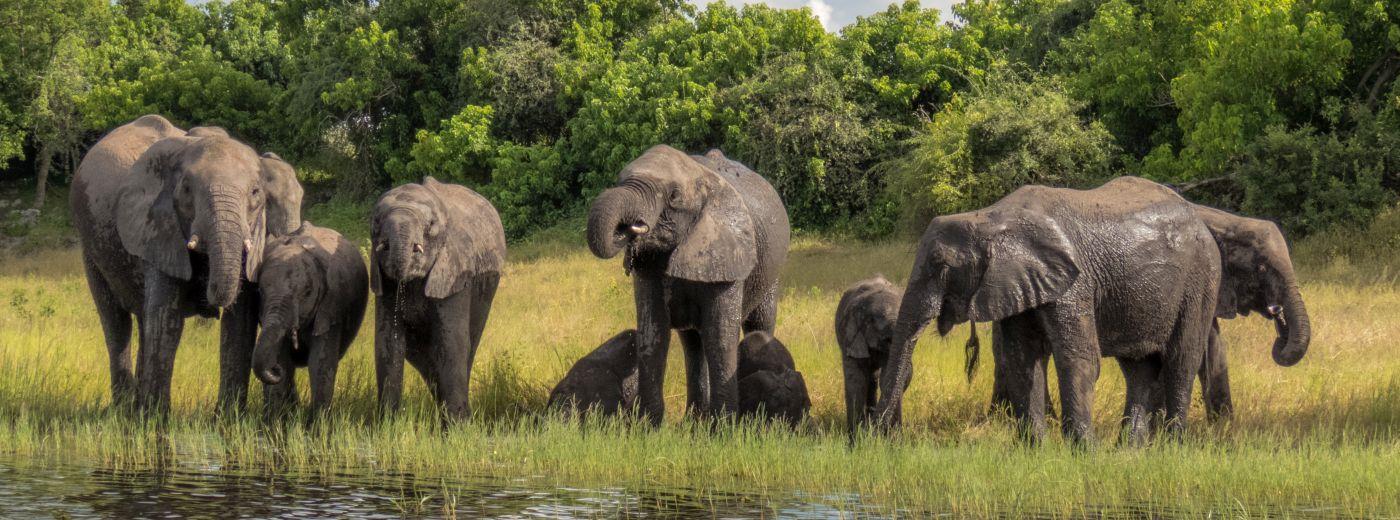
For sheer numbers, nothing on Earth compares to Chobe National Park in Botswana, especially during the dry season from May to October. The park is home to the largest concentration of elephants in Africa, with some estimates placing the population at over 120,000. These are the Kalahari elephants, known for their impressive size. As the inland waterholes dry up, these giants are drawn to the permanent waters of the Chobe River, creating a wildlife spectacle unlike any other. A water-based safari here offers a unique perspective, allowing you to cruise quietly along the river and witness massive herds drinking, bathing, and playing at the water's edge. The experience of being surrounded by hundreds, sometimes thousands, of elephants is a truly humbling and unforgettable encounter.
Amboseli National Park, Kenya: Iconic Views and Gentle Giants
While Chobe offers overwhelming numbers, Amboseli National Park in Kenya provides a more intimate and scenic elephant viewing experience. The park is famous for its large, relaxed family herds set against the breathtaking backdrop of Mount Kilimanjaro. The open plains make for excellent visibility, and the elephants here are among the most studied in the world, thanks to the long-running Amboseli Trust for Elephants. This research has provided incredible insights into elephant behavior, social structures, and conservation. For photographers, the combination of iconic scenery and approachable elephant families makes Amboseli a dream destination. It’s a place to not only see elephants but to learn about their complex lives.
Planning for a Successful Elephant Safari
Choosing the Right Season
Timing is critical for maximizing your elephant viewing opportunities. The dry season (typically June to October in many regions) concentrates elephants around permanent water sources like rivers and waterholes, making them easier to find in large numbers. The trade-off is a drier, dustier landscape. The wet season, or 'green season,' offers lush, beautiful scenery, fewer crowds, and the chance to see newborn calves. However, elephants are more dispersed during this time, which can make sightings less predictable. Your choice of season depends on your priorities: guaranteed high-density sightings or a more verdant, private experience.
The Value of an Expert Guide
An expert safari guide is your most valuable asset on an elephant safari. Their knowledge of the local terrain, animal behavior, and recent sightings is invaluable. A good guide can track elephant movements, interpret their behavior to anticipate their actions, and position the vehicle for the best photographic angles without disturbing the animals. They can also share fascinating details about the elephants' social dynamics and the local ecosystem. An experienced guide transforms a good sighting into an educational and deeply memorable wildlife encounter.
Related Resources
For more information on planning your safari, explore our destination guides, browse the safari operator directory, or connect with an experienced safari planning guide for personalized guidance.
The Great Elephant Census: A Continental Perspective
A crucial tool for understanding elephant populations across Africa is the [Great Elephant Census](https://www.greatelephantcensus.com/), a continent-wide survey completed in 2016. The census revealed a sobering 30% decline in savanna elephant populations over just seven years, primarily due to poaching. This data has been instrumental in shaping conservation strategies and international policy.
For travelers, this census data offers a unique lens through which to view their safari experience. When you visit a park like Botswana's Chobe National Park, which the census identified as having the largest elephant population in Africa, you are witnessing a conservation success story. In contrast, areas in Tanzania and Mozambique showed significant population declines, highlighting the ongoing challenges. Understanding these population dynamics adds a layer of depth to your safari, transforming it from a simple viewing experience into a more profound appreciation for the fragility of these ecosystems. You can learn more about the conservation status of various species in our knowledge center.
> Expert Insight: When choosing a safari, consider operators who actively support conservation efforts. Many lodges and guides contribute to anti-poaching patrols, community education programs, and habitat restoration projects. Your tourism dollars can be a powerful force for good.
Community-Based Conservation: A Sustainable Future for Elephants
The long-term survival of elephants is inextricably linked to the well-being of the local communities who live alongside them. Community-based conservation initiatives are emerging as one of the most effective strategies for protecting elephants and their habitats. These programs empower local people to benefit directly from wildlife tourism, creating a powerful incentive to protect the animals they once saw as a threat to their livelihoods.
In Kenya, conservancies like the Northern Rangelands Trust (NRT) have demonstrated the power of this model. By leasing land from local communities, the NRT creates vast, unfenced areas where elephants and other wildlife can roam freely. In return, the communities receive a steady income from tourism revenue, as well as support for education, healthcare, and livestock management. This approach has led to a significant reduction in human-elephant conflict and a dramatic increase in wildlife populations. When you visit one of these conservancies, you are not just a tourist; you are an active participant in a sustainable conservation model. To explore safari options that support these initiatives, plan your safari with one of our expert advisors.
Need Expert Safari Guidance?
Get expert advisory support from a firm founded by a former safari guide — with real operational knowledge across 9 African countries and full-journey accountability.
Related Planning Guides
Recommended Reading
 Destination Guides
Best Safari Destinations for Primate Viewing
Discover everything you need to know about Best Safari Destinations for Primate Viewing. From wildlife and landscapes to lodges and activities, this guide cover
 Destination Guides
Best Safari Destinations for Big Cat Viewing
Your complete guide to Best Safari Destinations for Big Cat Viewing. Find the best destinations, planning tips, and more for your next safari adventure.
 Destination Guides
Best Safari Destinations for Rhino Viewing
Your complete guide to Best Safari Destinations for Rhino Viewing. Find the best destinations, planning tips, and more for your next safari adventure.
 Luxury Safaris
Best Luxury Safari Destinations
Discover the best luxury safari destinations in Africa. Our expert guide covers the top lodges, exclusive experiences, and essential planning tips for your ultimate safari adventure.
 Family Safaris
Best Safari Destinations for Families
Planning a family safari? Discover the best safari destinations for families, from malaria-free reserves in South Africa to the iconic plains of the Serengeti.
 Season & Timing Guides
Best Time to See Elephants on Safari
Expert guide on best time to see elephants on safari with month-by-month conditions, pricing, and planning recommendations for safari travelers.